
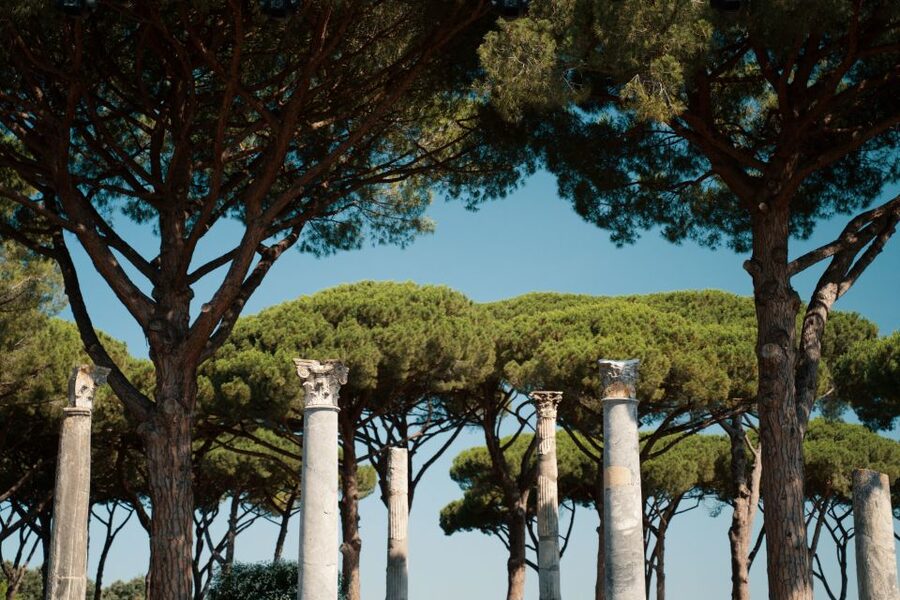
Reviewed · OSTIA ANTICA TOURS
From Rome: Ostia Antica 4-Hour Guided Tour
Ostia Antica is interesting because it is Rome without the postcard crush. You get a real feeling for how a working Roman city functioned, from public spaces to private corners, all within a half-day. I love the well-preserved Roman theater and the way Ostia feels less crowded than bigger marquee sites. The main drawback is you will be on your feet for a few hours, and the tour is not designed for wheelchair users or mobility limits.
Here’s the practical win: you ride the train from Rome in under 20 minutes, then your guide helps you read the ruins instead of just staring at stones. I also like that you see the empire through everyday details, like what traveled through the port and how goods moved on their way toward Rome.
One more thing to plan for: the meeting point can be a little awkward. A review flagged the Piramide metro meeting area as feeling dodgy while you wait, so I’d rather you show up with extra time and be ready to follow the exact meetup instructions.
Key reasons this Ostia Antica tour is worth your time
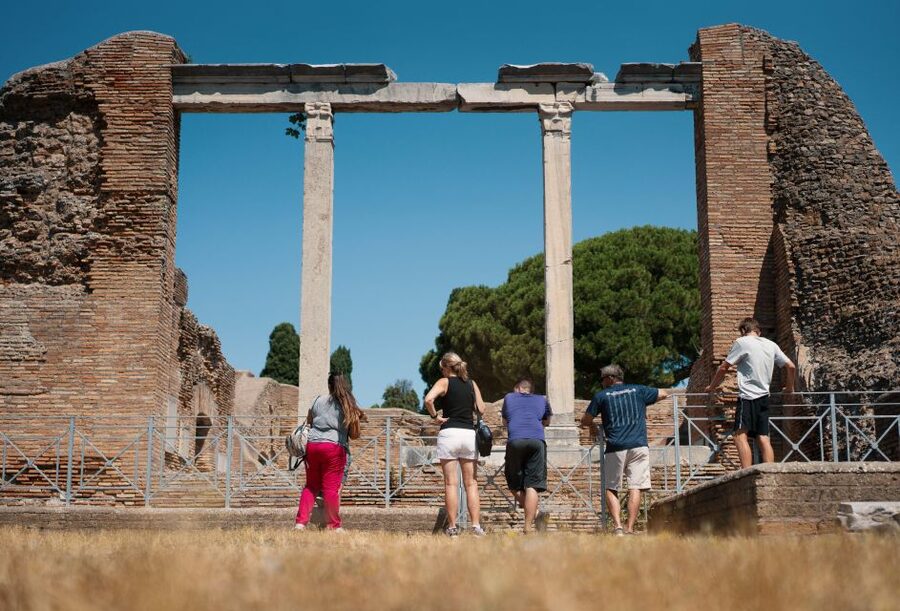
- You see one of the best-preserved Roman theaters, still used for occasional performances
- A working-port story, not just ruins, with the kinds of cargo Rome depended on
- Private group pacing, which means you can actually ask questions and keep moving
- High-impact stops packed into a half-day, from Capitolium to the necropolis
- Guides can make the site click, with Valeria specifically praised for her expertise
Ostia Antica, Rome’s Port Where the Empire Moved Its Daily Goods
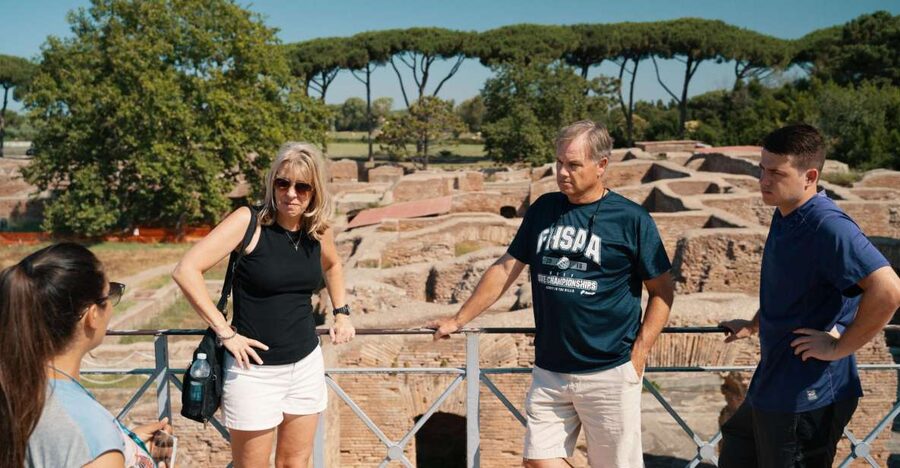
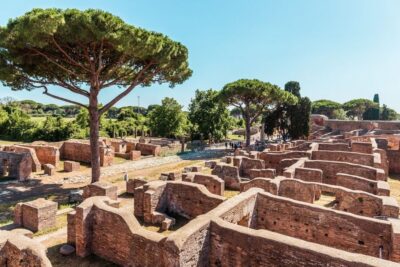
If you only picture ancient Rome as temples and emperors, Ostia Antica changes that. This was the harbor city at the mouth of the Tiber, acting as Rome’s gateway and gatekeeper. Think of it as the place where the empire arrived in chunks: grain, building materials, wine, people, and everything that kept a giant city running.
What I love about how you learn Ostia is that it is not abstract. You hear how products came in from different corners of the empire, including grain from Sicily, marble from Africa, slaves from Asia, and wine from Spain. Then you understand what that meant for the local economy: jobs, shops, transport, and the constant traffic that made a port city busy by nature.
You also get a sense of how the Romans organized their world. Public monuments mattered, but daily life mattered too. That balance is why Ostia often feels more human than flashier ruins.
More Ostia Antica trips from Ostia Antica:
- Ancient Ostia Antica Semi-Private Day Trip from Rome by Train with Guide
★ 4.5 · 579 reviews - From Rome: Ostia Antica Guided Half-Day Trip by Train
★ 4.8 · 486 reviews - Horse Sanctuary & Trail Ride in Ostia Antica
★ 4.5 · 276 reviews
From Rome by Train and a Small Private Group That Keeps Things Manageable
The tour starts with a straightforward train ride, just under 20 minutes from central Rome. That matters because you are not spending your day stuck in transit. After you arrive, you are not left to figure everything out alone. Your guide leads, and you skip the ticket line, which saves time when you want to get into the site quickly.
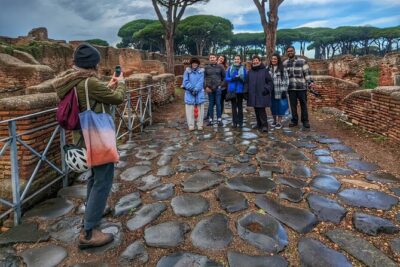
This is a private group, and in practice that usually means smaller groups than the big mass tours. The benefit is simple: you can keep a comfortable pace, hear explanations clearly, and ask follow-up questions without feeling rushed.
Pickup is included, but you need to inform the local partner in advance with your hotel or pickup address. If your address is outside the pickup area, you will receive a pickup location after booking, so you should check your instructions carefully. Also, the tour is not suitable for wheelchair users, and it is best for people with the stamina to walk around uneven archaeological ground.
Roman Theater Views, Public Stage, and Why This Building Still Feels Alive
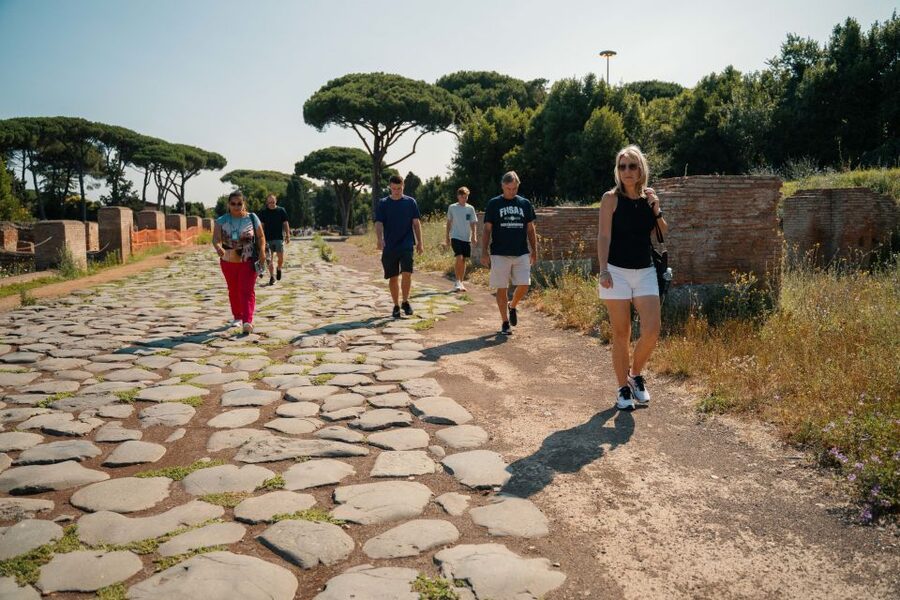
One of the biggest reasons to come here is the theater. Ostia has one of the best-preserved Roman theaters, and it still sees occasional performances. That is not just trivia. When a building survives this well, you can actually imagine the sound, the crowd placement, and the way the theater shaped community life.
Your guide helps you connect the theater to Roman entertainment and public culture. Even if you are not an archaeology nerd, you will get a clear sense of why a theater belonged in a port city. Entertainment was part of civic identity, and Ostia was a city with enough wealth and population to justify a serious public venue.
Practical tip: wear comfortable shoes. The theater area is part of a broader archaeological site, and you will be moving between stops. If your feet get sore early, your enjoyment drops fast. Bring a hat for sun or light rain protection if the weather looks iffy.
Mosaics and Shops, the Port City Economy You Can Actually See
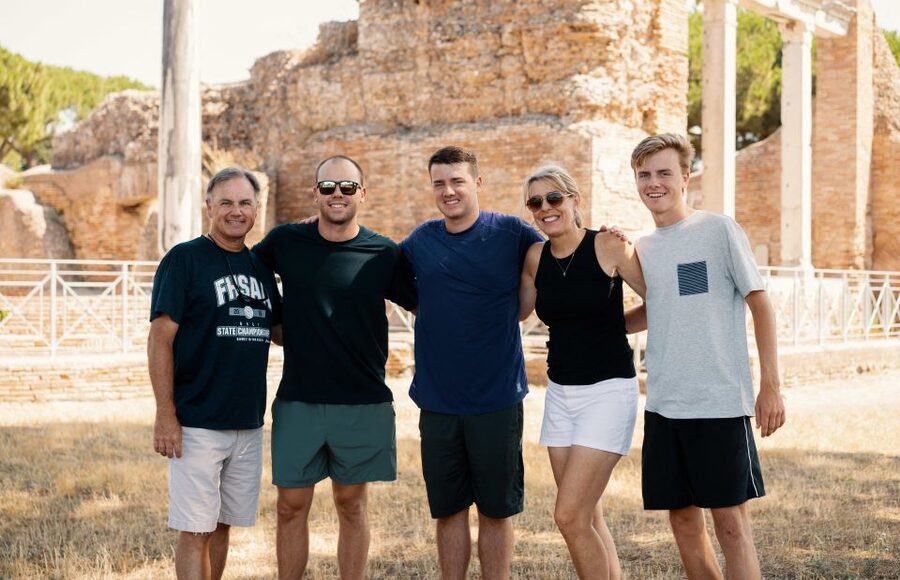
Ostia was a gateway city, which means it had the infrastructure to handle incoming and outgoing goods. As you move through the site, you get to ancient shops that remain intact. One highlight is a fish shop with striking mosaics. It is one of those moments where you stop thinking of ruins as broken history and start thinking of them as functional spaces that served real customers.
The guide’s story helps you see the mosaic not as decoration, but as advertising and pride in a craft. In a port city, food and supplies were constant concerns. You do not need a background in art to appreciate how well the designs survive, and you will likely find yourself slowing down for the details.
This is also where the tour feels especially valuable for first-timers. A lot of guided tours point at stones. Here, you get context that turns the stones into a picture of a marketplace.
A few more Ostia Antica tours worth comparing
- Colosseum, Roman Forum & Palatine Guided Tour
★ 4.7 · 63,148 reviews - Vatican Museums, Sistine Chapel & St Peter’s Basilica Guided Tour
★ 4.5 · 39,149 reviews - Rome: Colosseum, Palatine Hill and Roman Forum Guided Tour
★ 4.8 · 32,814 reviews
Capitolium, Baths of Neptune, and the Monuments at the Center of Civic Life
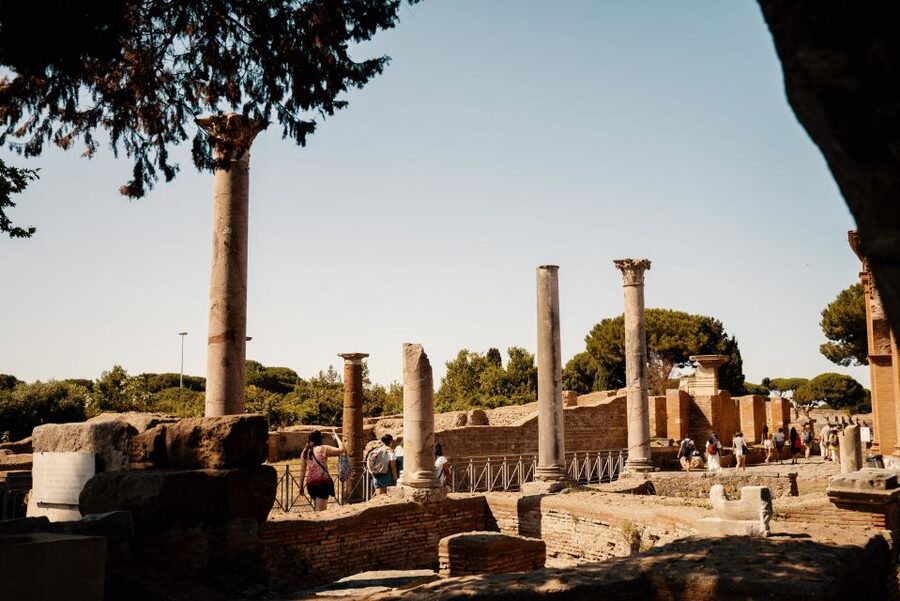
As you reach the heart of Ostia’s public world, the ruins start to feel bigger than expected. You visit monuments like the Capitolium, described as being at the center of public life. This is where authority and religion met everyday civic power. In a city like Ostia, these spaces were not distant. They were where people would recognize social order and shared identity.
You also see the Baths of Neptune. Roman baths were never only about cleanliness, though that’s what you might expect today. They were about social time, architecture, and status. In an archaeological setting, baths can be tricky to picture, but your guide frames what you are looking at so it makes sense in your head: movement through space, public gathering, and the idea of comfort as a civic value.
If you like your tours with structure, you will appreciate how these stops build a theme. Public life is not one random ruin. It’s a system of spaces that made the city run, socially and politically.
House of Diana and the Domestic Side, Including the Pleasant Green Spaces
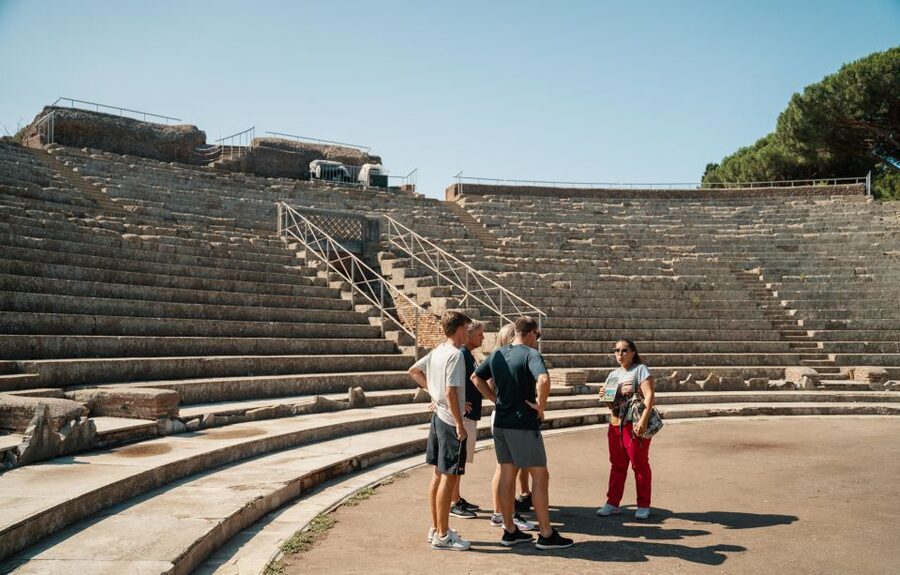
Roman cities were not only temples and public buildings. Ostia has private houses you can enter, and those give you a different angle. One of the stops is the House of Diana. You see how former citizens lived, how homes were arranged, and how daily routines worked alongside public grandeur.
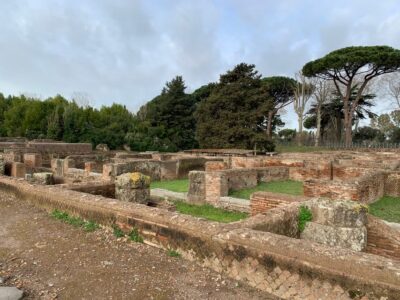
The settings also matter. The tour describes green and pleasant surroundings in the residential areas. That contrast is a real part of the experience. Between monuments and homes, Ostia can feel calm in a way many crowded sites simply do not.
This is also where a guide earns their fee. Without context, a house can feel like more “walls and floors.” With a good explanation, you can start reading the layout as a lifestyle.
The Necropolis Tombs and the Brothel, Two Stops That Make Ancient Life Feel Real
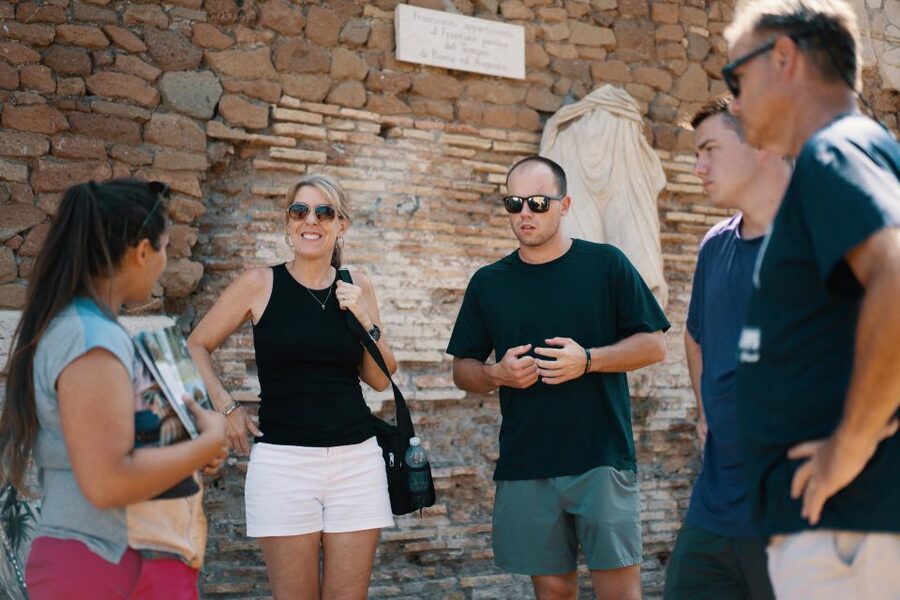
Two highlights shift the tone of the tour. First is the necropolis, where you visit eerie tombs. A burial ground forces you to think about a Roman worldview that did not treat death as a private topic. When you see the tombs in a setting like Ostia, they can hit harder than you expect, because the site is quiet and the scale feels intimate.
Then you visit the brothel, Rome’s so-called sinful side. You get the chance to understand that ancient cities had adult entertainment and social realities beyond official monuments. The important thing here is not shock value. It is learning how Romans lived, including the parts that do not show up on idealized postcard tours.
This is also one place to keep your expectations grounded. The tour includes these themes, but it is still a historical site visit. You’re going to be walking through designated areas and listening to historical interpretation, not watching staged performances.
Timing and Breaks Inside the Park, So You Don’t Feel Rushed
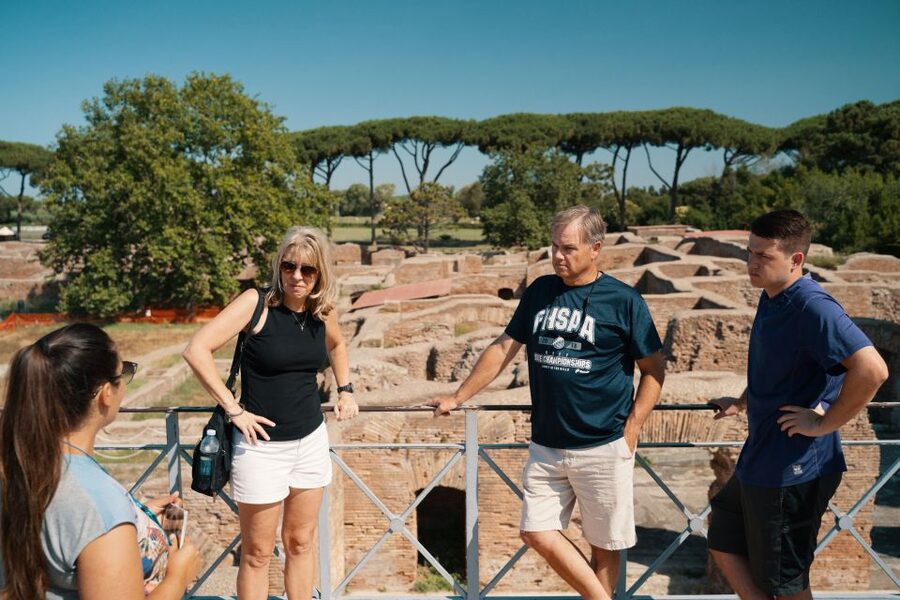
This is a half-day tour, listed at about 4.5 hours. That length is a sweet spot for Ostia because it gives you time to see the big anchors without feeling like you are living on a bus or train all day.
You also have a practical option if you need a breather. There is a restaurant and cafe inside the park, so you can grab a snack or drink during the day if you want it. Food and drinks are not included, though, so you should bring cash or a card plan you trust, or plan to buy inside.
The tour includes admission and a guide, plus your train ticket. In other words, you are not juggling ticket lines and transit steps mid-trip. That reduces stress, and stress reduction is underrated when you’re doing a day trip.
Price and Value, Is 648.74 Per Person Really Fair?
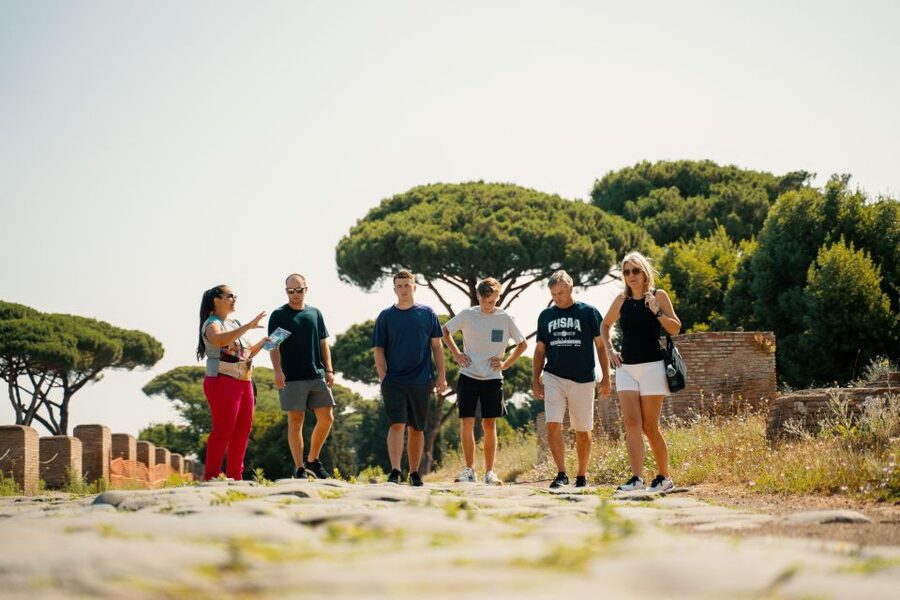
At $648.74 per person, this is not a budget day trip. You should treat the price as paying for organization and expertise, not just entry to a site. What you get for that cost includes admission tickets, the train ticket, and a live guide, and you skip the ticket line.
So where does the value come from?
- Time saved: skip-the-line plus a guided flow means you spend more time seeing, less time stuck.
- Expert interpretation: Ostia gets way better when someone connects each location to what it meant in Roman life.
- Private-group feel: the tour is set up as a private group experience, which often makes the day feel less chaotic.
Where it might not feel like a good deal: if you are the kind of traveler who enjoys self-guided ruins at your own pace and you can easily manage transit and tickets on your own. In that case, you could save money by going independently.
My practical advice: this is worth considering if you want a guided narrative and you value clarity. If you’re okay with a do-it-yourself photo run, you might feel the price is steep.
Best-Fit Travelers, and Who Should Consider Another Plan
This tour fits you well if you want a strong blend of major sights and human context. It is ideal for history-minded travelers who like seeing how a city functioned, not only how it looked. It also works if you prefer a smaller group setting and you want to ask questions without shouting.
It is also a good match if you like preservation. Ostia is known for staying remarkably intact in places, and that matters because you can actually read the city instead of guessing.
Skip or rethink it if you have mobility constraints. The tour is not suitable for mobility impairments or wheelchair users, and it calls for comfortable shoes. The site has uneven terrain, and a half-day still means enough walking to matter.
If you get to Rome and you are thinking, Pompeii is great but I want something calmer, this is a smart choice. Ostia is repeatedly framed as less crowded than bigger sites, and the preserved feel tends to reward that calmer pace.
Should You Book This Ostia Antica Tour From Rome?
Book it if you want a guided, high-value half-day that helps you understand the port city behind ancient Rome, not just photograph stones. I’d especially recommend it if you like the idea of seeing the Roman theater, the Capitolium, the neighborhoods of homes, and then the more uncomfortable corners like the necropolis and brothel, all with an expert guide and a private-group pace.
Skip it if budget is the top priority and you are comfortable handling train, ticketing, and your own route. Also skip if walking is a problem for you, because the tour is not set up for wheelchair users.
If you do book, plan for comfortable shoes, consider a hat, and arrive with a little extra time at the meetup area. One review mentioned the Piramide metro meeting spot can feel a bit dodgy while you wait, so give yourself buffer time to stay calm and find the group.
FAQ
How long is the Ostia Antica tour?
The duration is 4.5 hours.
Is the train ticket included?
Yes. The tour includes the train ticket from Rome.
Is admission included?
Yes. Admission to Ostia Antica is included, and the tour also includes skipping the ticket line.
What languages are the live guides available in?
The tour offers live guides in English, Arabic, French, and Spanish.
Do you provide pickup from hotels?
Pickup is included. You need to inform the local partner in advance of your hotel or requested pickup address.
Are food and drinks included?
No. Food and drinks are not included. There is a restaurant and cafe inside the park.
Is the tour suitable for wheelchair users or mobility impairments?
No. It is not suitable for wheelchair users or people with mobility impairments.
Recently reviewed around Ostia Antica
- Ostia Antica Small Group Tour★ 4.8 · 49 reviews
- Archeological Area of Ostia Antica Entry Ticket★ 4.0 · 69 reviews
- Horse Sanctuary & Trail Ride in Ostia Antica★ 4.5 · 276 reviews
- Ostia Antica Semi Private Tour from Rome★ 5.0 · 238 reviews
- From Rome: Ostia Antica Guided Half-Day Trip by Train★ 4.8 · 486 reviews
- Ancient Ostia Antica Semi-Private Day Trip from Rome by Train with Guide★ 4.5 · 579 reviews
Ostia Antica Tours, compared.
Ancient Ostia Antica Semi-Private Day Trip from Rome by Train with Guide
Read our review →

Browse the lists this tour appears in