
Reviewed · PASTA MAKING CLASSES
Rome: Traditional Pasta Making Class with Wine & Gelato
A pasta class in Rome is fun on paper, but this one works because you do the messy, satisfying parts yourself. Trastevere setting plus a hands-on fresh pasta lesson turns dinner into a skill you can repeat later. I also love that the teaching style is tested in real groups, with chefs like Luca, Federica, Stefano, and Elisa earning consistent praise for pace, clarity, and keeping things upbeat.
One thing to weigh before you book: the class space and format are not suitable for wheelchair users or strollers, and it may be tough with limited mobility.
Key points to know before you go
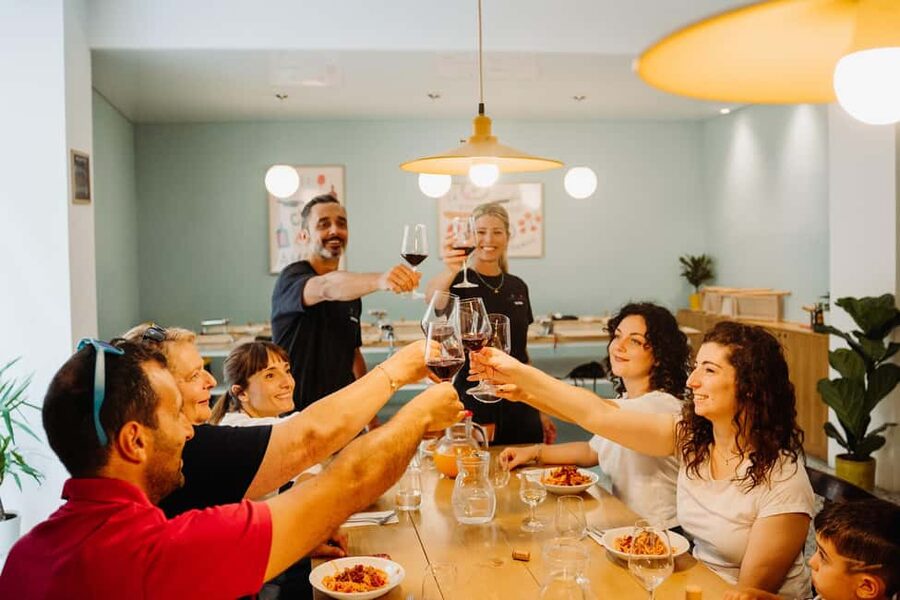
- Aperitivo starts the evening with prosecco and cured meats plus cheese, setting the Roman tone right away
- You make two pastas from scratch: fettuccine and ravioli, with sauce choices guided by what is in season
- Roman sauces are the lesson, including options like amatriciana, cacio e pepe, gricia, and puttanesca
- You eat what you make with wine, then finish with homemade gelato
- You can choose private or shared, so you control how social the experience feels
- English instruction makes it easier to follow the technique step-by-step
Trastevere pasta making that feels like a real Roman kitchen
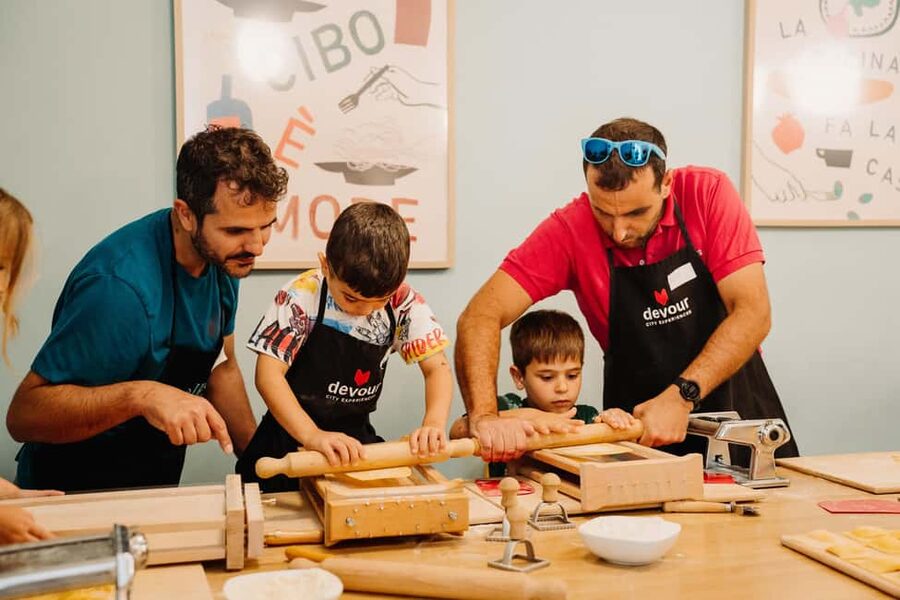
What makes this experience stand out is the setup. You are not watching from the sidelines in a demo room. You are in a kitchen in Trastevere, and the space is reserved for your group, which changes the vibe from tourist show to working like a mini team. That matters, because pasta making is part technique, part timing, part confidence.
The class is led by a professional chef, and you spend the session learning dough, rolling, shaping, and sauce basics in a way that actually sticks. The best part is that you get to talk while you work. Chefs like Luca and Federica have been praised for answering questions and sharing food and Rome context, not just reciting a recipe.
I also like the pacing. It is structured enough to keep first-timers comfortable, but flexible enough that you can ask why something works. That is how you go home with more than a meal. You go home with a repeatable approach.
More pasta making classes in Rome:
- 3 in 1 Cooking Class near Navona: Fettuccine, Ravioli & Tiramisu
★ 5.0 · 7,376 reviews - Rome: Pasta Making Class with Wine, Limoncello, and Dessert
★ 4.9 · 3,177 reviews - Rome: 3-in-1 Fettuccine, Ravioli, and Tiramisu Cooking Class
★ 4.9 · 2,704 reviews
Aperitivo first: prosecco, cured meats, and a Roman start
The experience begins the way a good Roman meal starts: with an aperitivo. You get prosecco, plus a plate of cured meats and cheese. It is not an afterthought. It is timed to get you relaxed before you start kneading and rolling.
This is also where the social energy kicks in. If you are in a shared class, you will meet other participants during the welcome. If you book private, you still get that same warm start, just without the group introduction part. Either way, you get a chance to settle in, and you will be surprised how much calmer you feel once you are already holding a drink and nibbling while the chef explains what comes next.
If you are traveling as a couple or family, this pre-class moment is a smart design choice. Kids and adults both tend to do better when the class begins with a low-pressure, comfortable rhythm instead of jumping straight into dough.
The main event: making fettuccine and ravioli by hand
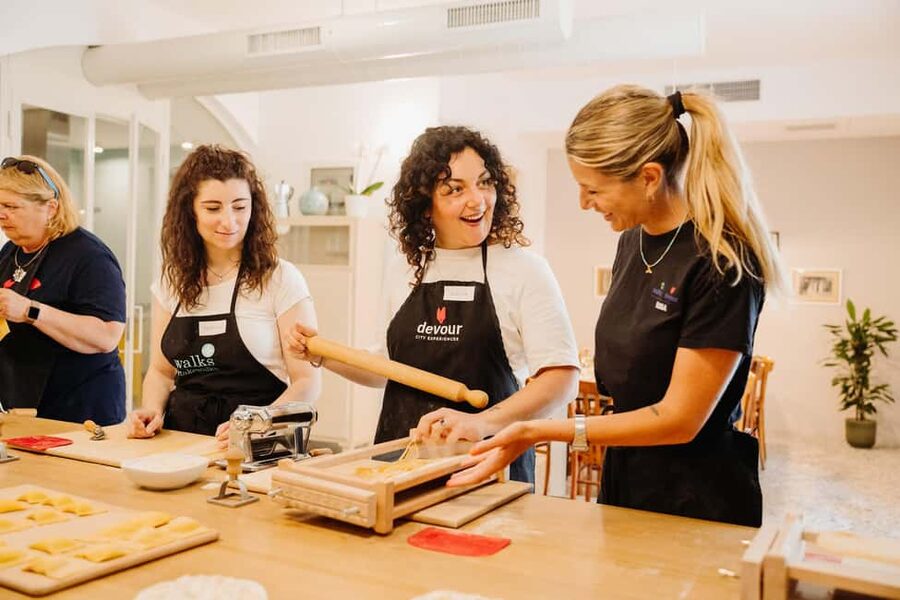
Over the roughly 3-hour session, you learn to make two pasta dishes from scratch. The class focuses on fettuccine and ravioli, so you cover both a long, ribbon-style pasta and a filled pasta shape. That is a great pairing if you want variety, plus it forces you to learn different stages of the process.
Fettuccine, the dough and the rolling lesson
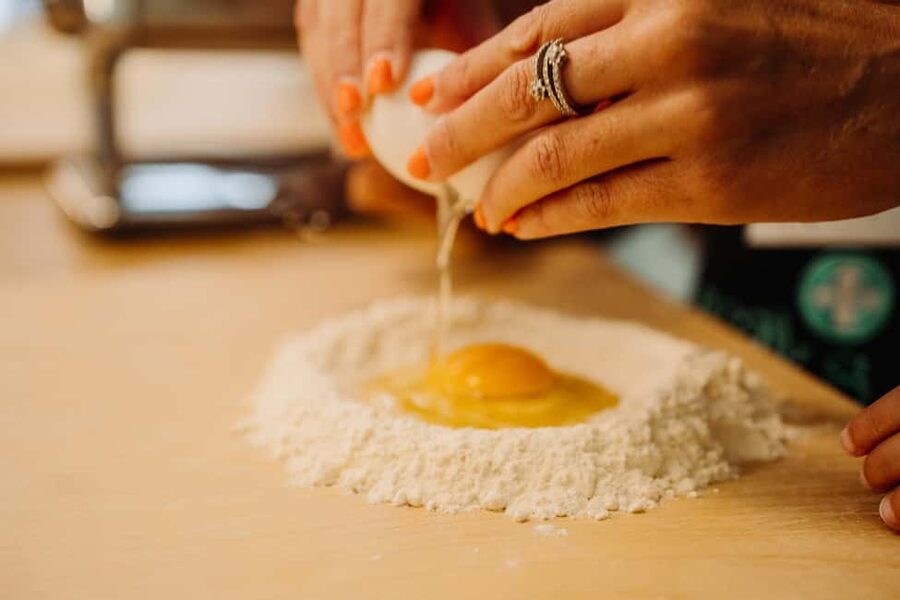
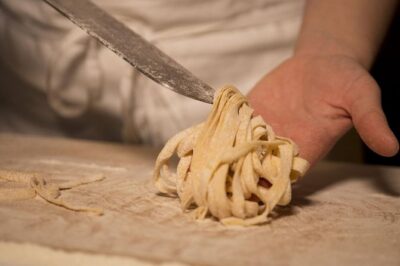
The chef guides you through creating the dough, then rolling it out properly. This is where most first-timers level up fast, because the difference between good and mediocre pasta often comes down to thickness and handling. You will be taught how to manage the dough as it changes during rolling.
This part is also where the class is most hands-on. You are not just making decisions, you are feeling them. When the dough stretches and behaves the way it should, everything gets easier.
More cooking classes in Rome:
- Rome: Fettuccine Pasta Cooking Class in Rome’s City Center
★ 4.8 · 2,414 reviews - Rome: Traditional Pasta with Cocktails Cooking Class
★ 5.0 · 2,374 reviews - Rome: Fettuccine and Tiramisu Cooking Class with Wine
★ 4.8 · 2,013 reviews - Pasta Cooking Class Near the Colosseum with 3 Spritz Cocktails
★ 5.0 · 1,686 reviews
Ravioli, shaping and filling without panic
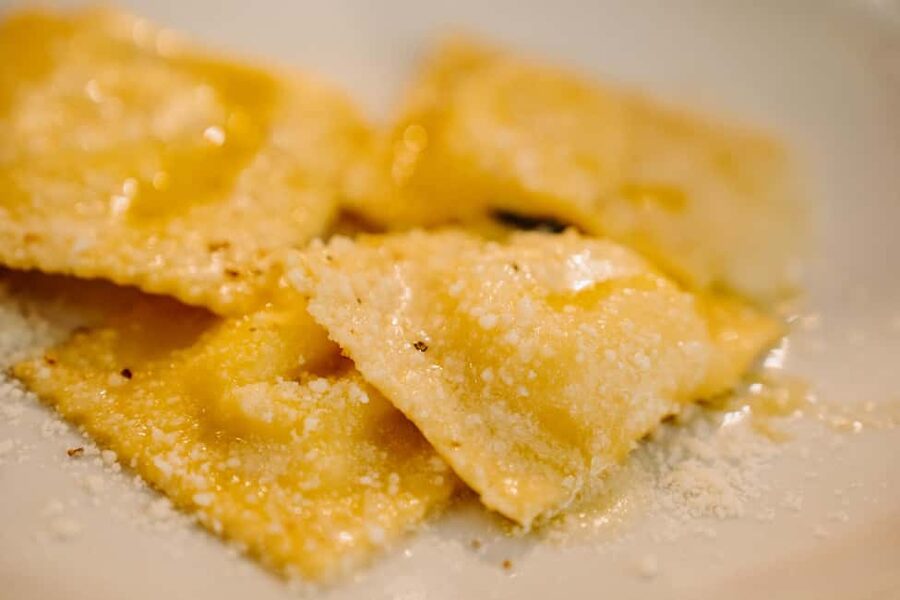
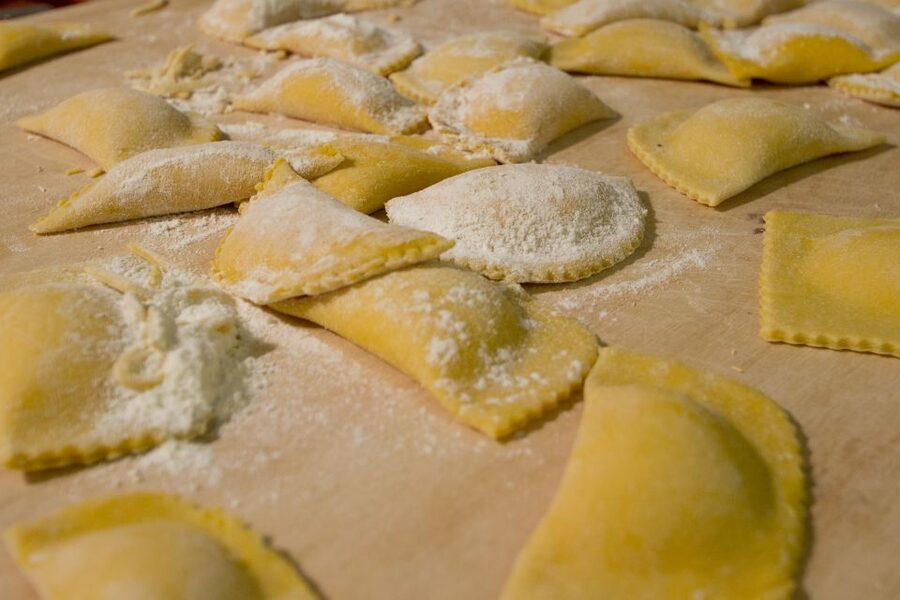
Ravioli feel fancy, but the class format breaks it down. You make the dough, form the ravioli, and learn what matters for sealing and consistency. The goal is not to produce restaurant-perfect pieces on your first try. The goal is to learn the technique that leads there.
If you come in nervous about making filled pasta, I would not overthink it. The instructors are repeatedly praised for being patient and supportive, including when families brought children along. The lesson is structured so you can succeed, even if you have never made pasta before.
Roman sauces: amatriciana, puttanesca, gricia, cacio e pepe
While you work, you learn how Roman sauce flavors connect to the pasta. The chef chooses sauces based on what is available at local markets and what is seasonal, and the menu can include Roman classics like amatriciana, puttanesca, gricia, and cacio e pepe.
That sauce-selection approach is more useful than it sounds. It trains you to think like a cook, not like a passenger with a checklist. Instead of memorizing one fixed menu, you learn the logic of pairing flavors and textures, and you learn how ingredients drive the dish that day.
If you want an honest takeaway, it is this: Rome’s pasta culture is about simple ingredients treated carefully. Even when the flavors are bold, the method stays grounded.
The meal part: wine with your pasta, then gelato to close
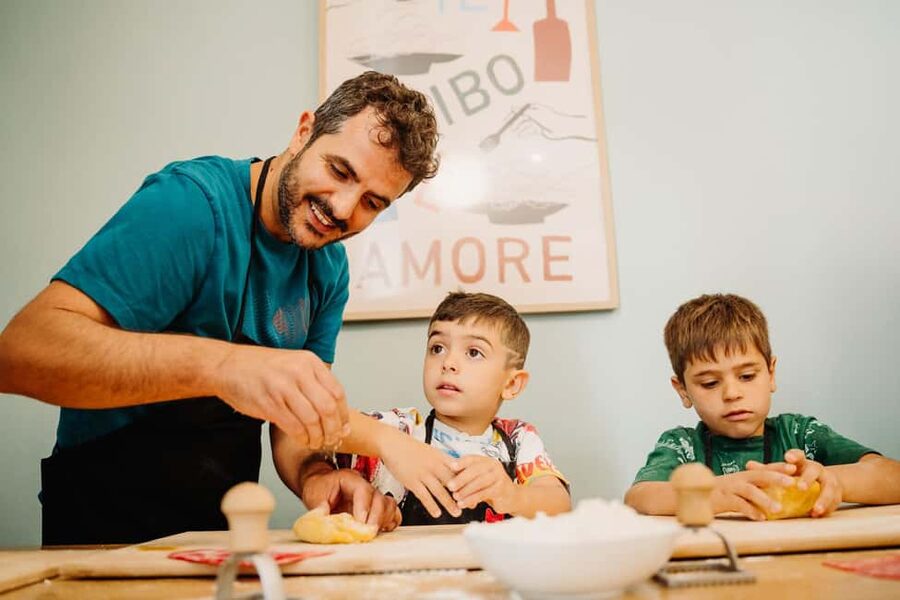
Once the cooking ends, the session turns into lunch, in the best way. You sit down and eat the two homemade pastas and sauces you made, paired with wine. The wine is included, and the timing is good. You are hungry, and you have the satisfaction of eating something that is still warm and newly made.
What I like here is that you get to connect the taste to the choices you made. When you roll a sheet the right way or shape ravioli with a good seal, you will feel it in the bite. When you balance a sauce correctly, the dish makes sense instantly.
Then comes the sweet finish: homemade gelato made by the professional chef. Ending with gelato is not just a dessert move. It is the final payoff for the effort. If your day in Rome has you eating on the run, this is the opposite. You get a composed finish that feels like a proper Roman table moment.
Who the chefs are like, and why that matters for your enjoyment
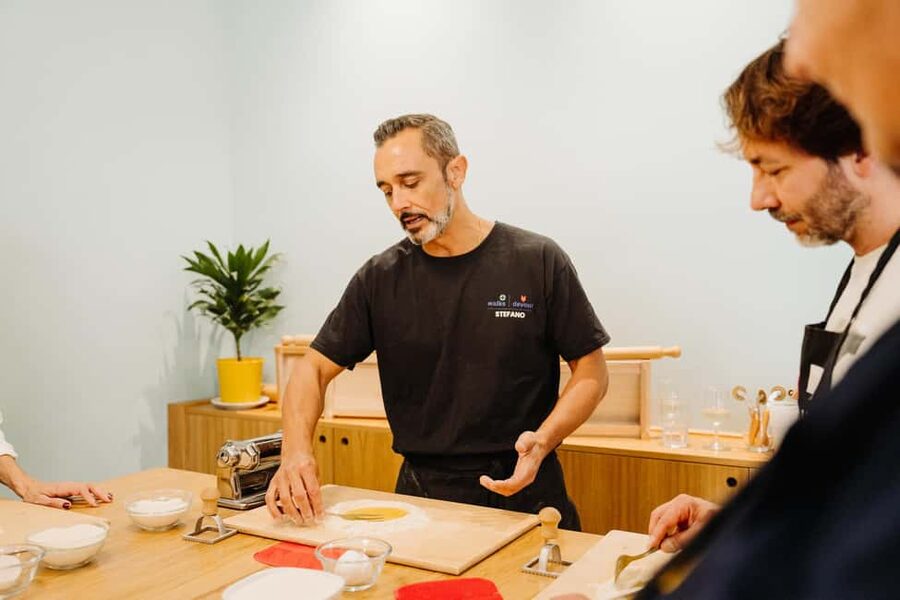
The instructors are a major reason this class earns such high marks. Across many experiences, chefs like Stefano and Gianmaria have been praised for energy and clear instruction. Others, including Fredrica and Elisa, have been praised for the blend of technique plus humor, plus the ability to explain the why behind actions.
That matters because pasta making is technique heavy. If the chef explains only what to do, you can still make pasta, but it is harder to adjust when something goes slightly wrong. When a chef also explains why, you are more likely to recover and keep going, and your food improves along the way.
Also, chefs often add extra value. Some sessions include advice on where to eat locally and how to spot a good gelateria. That is useful because Rome has plenty of tourist traps. A good recommendation helps you skip wasted dinners.
Private or shared: choose the vibe that fits your travel style
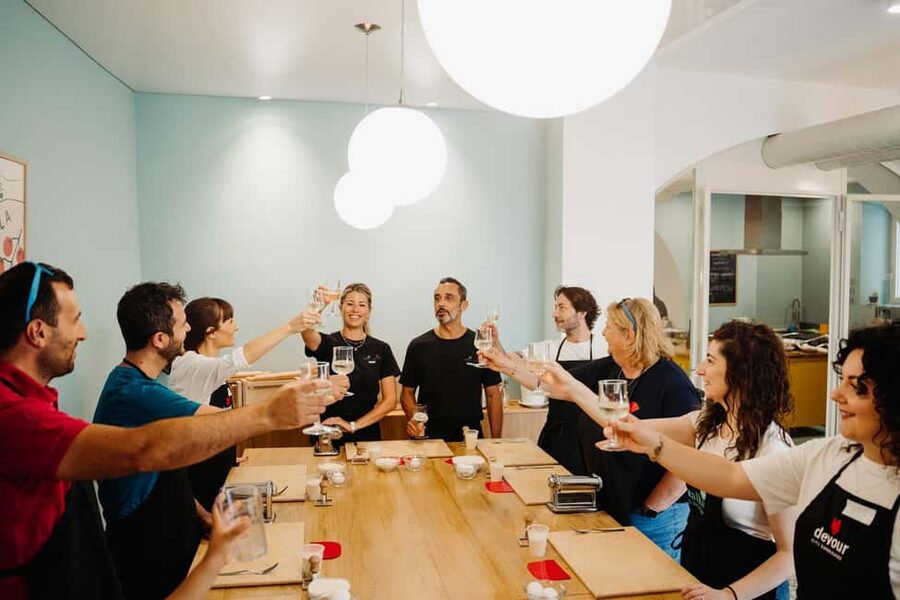
You can join as a private group or a shared/small-group experience. The difference is mainly social comfort.
- If you want conversation, pacing at your own speed, and maximum attention, choose private.
- If you like meeting other travelers and learning through shared conversation, choose shared.
Either format still keeps the same core elements: prosecco aperitivo, hands-on pasta making, included wine, and gelato. So you are not sacrificing quality by going shared. You are deciding how social the session feels.
If you are traveling with kids, a shared group can be fine, as long as everyone is comfortable with an active, hands-on environment. The class has a track record of working well with families, likely because it is structured and paced rather than chaotic.
Getting there: meeting at Piazza di San Giovanni della Malva
Plan to arrive early. You meet in Piazza di San Giovanni della Malva, 00153 Roma RM, in the square in front of the San Giovanni della Malva church. The guide is holding a red bag or a Devour Tours sign, and you should arrive about 15 minutes before the start.
No pickup or drop-off is included, so build in a little extra time for walking and finding the meeting spot. This matters because Trastevere side streets can be tricky if you are navigating for the first time, and a few minutes of wandering can make you late.
If you like to be efficient, do this: pick the exact meeting point on your map app and save it as a destination before you go.
Diets, allergies, and the one big exception
The class can be adapted for many dietary needs, but there is a clear limitation: it is not suitable for celiacs. If you have any dietary restriction, contact the provider before joining so they can arrange appropriate food.
Because the menu includes specific pasta-making ingredients and sauces, this is one of those activities where asking ahead is worth the effort. You want to make sure you are eating something you can actually enjoy, not just participating in the cooking.
If you have moderate restrictions, the fact that adaptation is offered is a good sign. Just do not assume it covers celiacs, because that is explicitly excluded.
Value check: what you really get for $66.84
At $66.84 per person, you are paying for a full meal experience plus instruction. What makes the value feel fair is that the price includes almost everything you would otherwise pay for in Rome.
You get:
- a professional chef and English instruction
- appetizers (prosecco plus cured meats and cheese)
- ingredients for all dishes
- two homemade pastas and sauces
- wine with your meal
- gelato made by the chef
If you price that out separately, the lesson starts to look less like a class and more like a guided food experience that teaches you how to reproduce it later. And in practical terms, you get more than one flavor. You learn fettuccine and ravioli, and you learn how sauce choices work with Roman cooking logic.
So yes, it costs money. But the cost is not just for time. It is for chef attention, included ingredients, and a complete meal with wine and gelato.
How to get the most out of the skills you learn
This is the kind of activity where you benefit most if you go in with one mindset: pay attention to technique, not just results.
Here are a few ways to make that happen:
- Watch how the chef handles dough and adjusts when it behaves differently. That is the real lesson.
- Ask questions while you work, not only at the end. Pasta timing is better taught in the moment.
- Taste the sauce and connect it to what you did. Once you can explain the flavor, you can recreate it.
If you want to keep learning after you return home, aim to capture your own notes as you go. You do not need a full cookbook. You just need the key steps you can repeat: dough feel, rolling thickness target, and what you remember about each sauce.
Also, if photos are important to you, consider asking the staff to help take a few pictures during the cooking process. One guest wished for easier photo help, so it is a smart proactive move.
Should you book this Trastevere pasta class?
Book it if you want a memorable Rome activity that combines technique, food, and a proper meal. It is especially a strong choice if you:
- have never made fresh pasta before
- want to learn Roman sauce styles like amatriciana or cacio e pepe
- like hands-on classes more than museum-style sightseeing
- value English instruction and a patient, supportive chef-led format
Skip it if mobility is a concern. The experience is not suitable for wheelchair users or strollers, and the class nature is not designed around accessibility equipment.
If you fit the basic profile, this is one of those Rome plans that gives you more than a photo. You leave with pasta skills, sauce confidence, and a dinner you can taste again every time you cook at home.
FAQ
How long is the Rome Traditional Pasta Making Class with Wine & Gelato?
It lasts 3 hours.
Where does the class meet?
Meet in Piazza di San Giovanni della Malva, 00153 Roma RM, in the square in front of the San Giovanni della Malva church.
What time should I arrive?
Please arrive 15 minutes prior to the start time.
Is the class private or shared?
It offers private or shared options, depending on what you book.
Is instruction available in English?
Yes. The instructor teaches in English.
What dishes will I make?
You make two homemade pastas and sauces, including fettuccine and ravioli.
What drinks and food are included?
Included are appetizers, prosecco and wine, two homemade pastas with sauces, and homemade gelato. All ingredients are also included.
Are there options for dietary restrictions?
The experience is adaptable to all dietary needs except for celiacs. If you have dietary restrictions, you need to contact the provider before joining so they can arrange food.
Is pickup or drop-off included?
No. Pickup and drop-off are not included.
Who is the class not suitable for?
It is not suitable for guests with mobility impairments, wheelchairs, or strollers.
More Workshops in Rome
- Become a Masterchef in Rome: Pasta, Ravioli and Tiramisù Class
★ 5.0 · 2,156 reviews - Rome: Pasta & Tiramisu Cooking Class near the Spanish Steps
★ 4.8 · 1,395 reviews - Rome Tipsy Cooking Class: Make Pasta and Mix 3 Spritz Cocktails
★ 5.0 · 1,357 reviews - Cooking Class in the Heart of Rome: Pizza and Tiramisu Making
★ 5.0 · 1,330 reviews
More Wine Tastings around Rome
- Rome: Tuscany & Montepulciano Day Trip with Lunch & Wine Tasting
★ 4.5 · 5,232 reviews - Rome: Pasta & Tiramisu Class with Fine Wine by the Vatican
★ 4.9 · 4,852 reviews - Rome Food Tour: Unlimited Tastings with Fine Wine & Barolo
★ 5.0 · 3,365 reviews - Rome: Trastevere Food tour with Free-Flowing Fine Wine
★ 5.0 · 2,853 reviews
Recently reviewed around Rome
- Rome: Castelli Romani Hop-on and Hop-off Tour★ 4.9 · 32 reviews
- Rome: Food Tour near Vatican City with Wine★ 4.8 · 100 reviews
- Rome: Scavenger Hunt Self-Guided Tour★ 4.6 · 15 reviews
- Hidden Rome: Small Group E-Bike Tour with Street Food Stops★ 4.9 · 144 reviews
- Rome: Highlights Tour in Golf Cart★ 4.9 · 28 reviews
- Rome: Hop-on Hop-off Bus Tour and Colosseum Experience★ 3.4 · 163 reviews
- Rome: Guided Haunted Rome Ghost Tour with Dowsing Rods★ 4.8 · 63 reviews
- Rome: Highlights Photo Shoot for Memorable Moments★ 5.0 · 32 reviews
Pasta Making Classes, compared.
3 in 1 Cooking Class near Navona: Fettuccine, Ravioli & Tiramisu
Read our review →
Pasta Making Class with Wine, Limoncello, and Dessert
Read our review →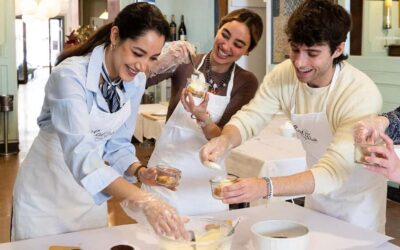
3-in-1 Fettuccine, Ravioli, and Tiramisu Cooking Class
Read our review →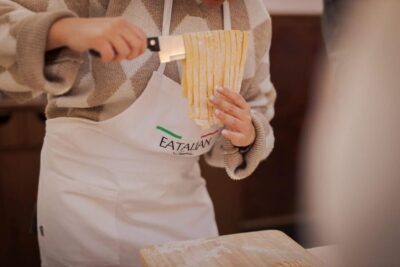
Fettuccine Pasta Cooking Class in Rome’s City Center
Read our review →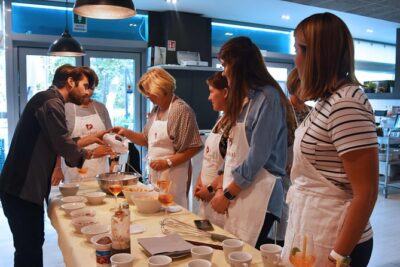
Become a Masterchef in Rome: Pasta, Ravioli and Tiramisù Class
Read our review →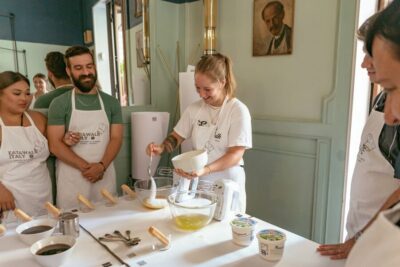
Fettuccine and Tiramisu Cooking Class with Wine
Read our review →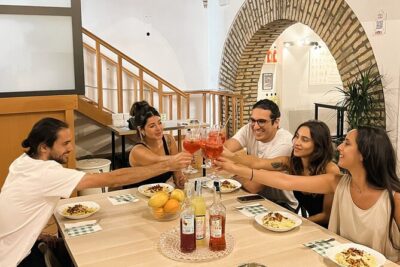
Pasta Cooking Class Near the Colosseum with 3 Spritz Cocktails
Read our review →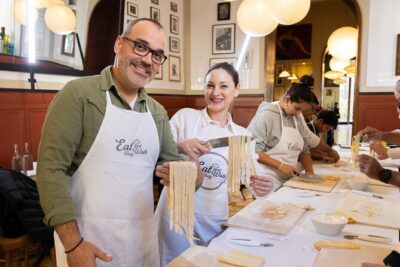
Enjoy Spritz and Pasta Making in Piazza Navona
Read our review →Browse the lists this tour appears in