
Reviewed · PASTA MAKING CLASSES
Become a Masterchef in Rome: Pasta, Ravioli and Tiramisù Class
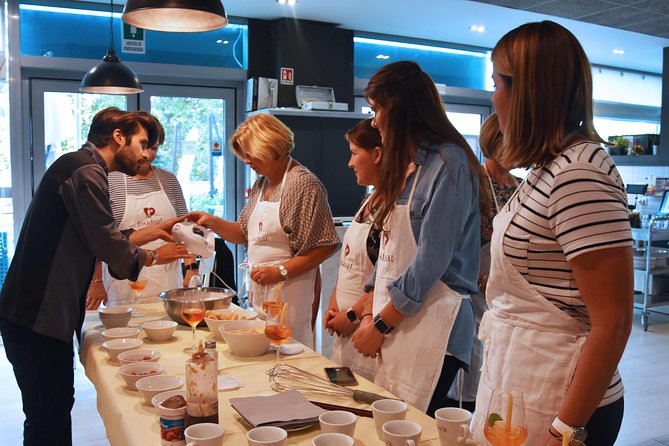
What makes this Rome class interesting is how fast it turns into a full-on Italian dinner, not a sit-and-watch show. In a relaxed, small setup, you get hands-on instruction from an English-speaking chef, with instructors such as Carlo, Mersad, Marina, Vincenzo, and Manu mentioned in past sessions. I like the personal station setup that helps you stay on track, and I also like that you end with a real meal you helped create, including wine or a soft drink. One possible drawback, if you prefer quiet sightseeing time, is that this is very hands-on and stays in “cook mode” for the full session.
You’ll start with a welcome aperitif, then move to rolling dough and shaping ravioli at your own workspace. The class is designed for first timers and stronger cooks alike, and the small group size (max 14) usually means you are not stuck waiting for attention. If you are cooking with dietary needs, it is a big plus that vegetarian, vegan, and gluten-free options are supported, as long as you let the team know in advance.
Key Takeaways Before You Go
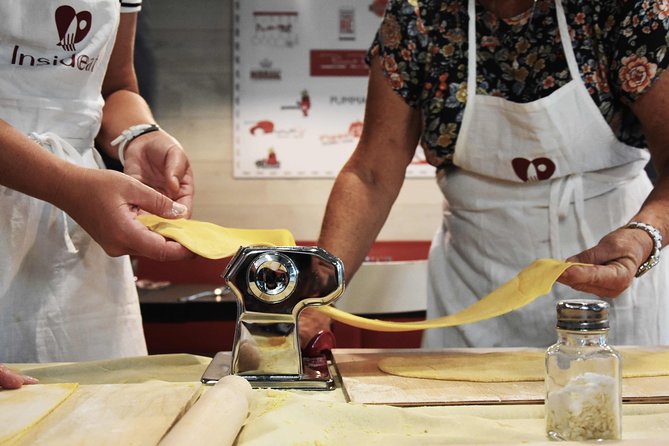
- Small group (max 14), so you get real guidance while you’re working dough and filling ravioli
- 3 Italian classics in 2 hours hands-on, fresh pasta, homemade ravioli, and tiramisù
- English-speaking chef instruction, with lots of step-by-step help geared to beginners
- Included lunch or dinner meal, plus a welcome spritz, bruschetta, and 1 meal drink (wine/beer/soft drink)
- Cookbook plus recipe access, so you can recreate the dishes after your trip
- Air-conditioned restaurant, which matters in Rome when you want to cook comfortably
Why This Rome Pasta Class Feels Like a Real Dinner Party
If you come to Rome and only do monuments, you miss one of the city’s best habits: eating as a social event. This class is built around that. You show up, get a welcome spritz and small bites, and then you work with your hands at a station set up for real cooking. Afterward, you sit down and enjoy what you made, either in the cozy restaurant or on the outdoor terrace.
The biggest reason this works is the rhythm. You get instruction, then immediate practice. That matters because pasta dough and tiramisù both reward repetition, even if you are brand-new. The class structure keeps you moving, so you are not standing around watching someone else do it.
I also like the vibe from the chef side. Multiple instructor names tied to the experience show up, and the common theme is humor plus patience. If you have ever felt awkward learning in front of other people, this format helps, because the room is a kitchen, not a classroom.
More pasta making classes in Rome:
- 3 in 1 Cooking Class near Navona: Fettuccine, Ravioli & Tiramisu
★ 5.0 · 7,376 reviews - Rome: Pasta Making Class with Wine, Limoncello, and Dessert
★ 4.9 · 3,177 reviews - Rome: 3-in-1 Fettuccine, Ravioli, and Tiramisu Cooking Class
★ 4.9 · 2,704 reviews
What You Actually Make in 3 Hours: Fettuccine, Ravioli, Tiramisu
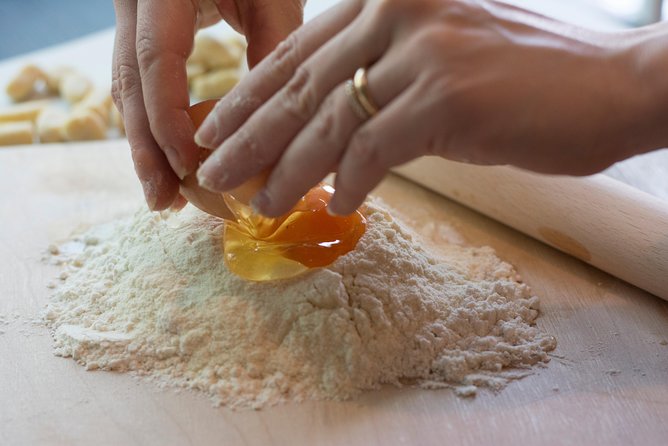
You are not leaving with just ideas. You are making three core dishes that cover a lot of Italian cooking skills in one go.
Fresh pasta, fettuccine style
You make pasta from scratch, rolling and shaping dough into fettuccine. The sample menu notes fettuccine paired with classic Roman sauces like cacio e pepe and carbonara, plus other options. Even if you only catch parts of the sauce workflow, you learn how the pasta should look and feel before it meets the pan.
Homemade ravioli, filled and finished
The ravioli part is the big hands-on moment. You prepare the filled pasta packets yourself at your station. Then the chef finishes them with sauce, which saves time and keeps the final plate consistent. That is a smart tradeoff for a 3-hour experience, because it prevents the class from turning into a long wait while everything slowly cooks.
A few more Rome tours worth comparing
- Rome: Pasta & Tiramisu Class with Fine Wine by the Vatican
★ 4.9 · 4,852 reviews - Rome: Fettuccine Pasta Cooking Class in Rome’s City Center
★ 4.8 · 2,414 reviews - Rome: Traditional Pasta with Cocktails Cooking Class
★ 5.0 · 2,374 reviews - Rome: Fettuccine and Tiramisu Cooking Class with Wine
★ 4.8 · 2,013 reviews
Tiramisù, customized by you
For dessert, you make tiramisù and customize it with different toppings. This is where you get freedom. You can follow the classic idea while still making it feel personal. The class does not treat tiramisù as too fragile for regular cooks. You just need to follow the steps and use your toppings choices.
By the end, you are eating your own work, which is the fastest way to learn. Watching videos later is fine, but tasting what you made teaches you what “right” actually means.
Welcome Spritz, Cheese and Pepper Chips, and Bruschetta That Set the Tone
Before flour ever hits the table, the experience feeds you. You start with a welcome spritz, plus signature homemade cheese and pepper chips. You’ll also get bruschetta, described as toasted bread with garlic, oregano, basil, and tomato in the menu details.
Why this matters: it lowers the stress level. Pasta and tiramisù both have steps where timing can feel tricky. Starting with food and a drink helps you settle in, focus, and enjoy the process instead of worrying about mistakes.
Also, there is a social element early. After cooking, you relax and dine together at a social table, sip wine, and ask your chef questions about Italian cuisine. That “ask later” style is useful, because you are calmer when you are not mid-dough.
Your Hands-On Station: Rolling Dough and Shaping Ravioli Without Panic
This class is designed around control. You get your own personal station with a wooden board, apron, and rolling pin. That detail sounds small, but it is a big deal. It means you are not sharing tools, waiting for space, or trying to adapt your learning to someone else’s setup.
Rolling pasta dough
Fresh pasta dough can feel odd at first, especially if you have only had dried pasta. The instruction style here leans practical. In past sessions, chefs like Carlo and Mersad are described as patient and supportive with first-timers. That matches how this should work, because dough needs gentle adjustments, not harsh corrections.
Making ravioli
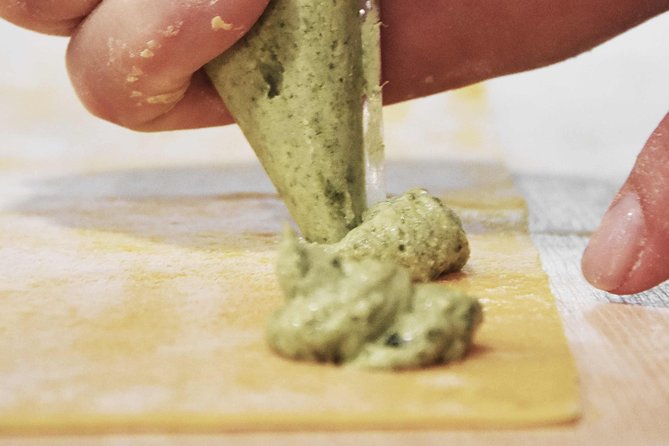
Ravioli demands two things: neat folding and steady filling distribution. You fill and form the ravioli at your station, which helps you understand how much filling is “enough” before it starts to cause problems. Then the chef finishes ravioli with sauce, which keeps the final dish looking right and tasting great.
If you are worried about doing it wrong, this is the kind of class where mistakes are part of the learning curve. The structure keeps you from getting stuck, and you still get a beautiful plate at the end.
Roman Sauces Pairing: Cacio e Pepe, Carbonara, and the Logic Behind Them
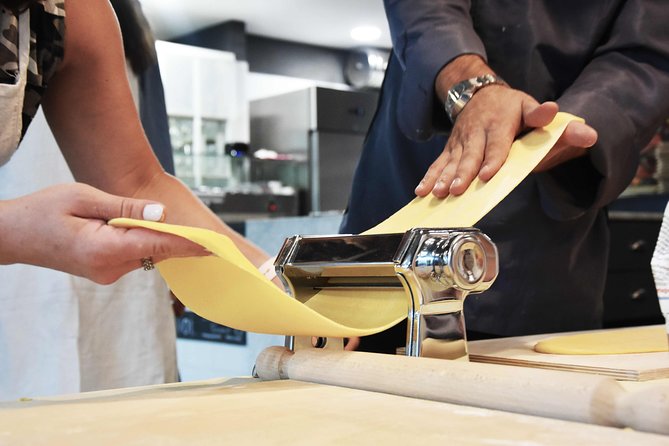
One of the best parts of this experience is that you learn pasta in the context of Rome sauces, not just plain butter and salt. The sample menu calls out cacio e pepe and carbonara, plus a selection of sauces.
Here is what that teaches you:
- You see how sauces cling to different pasta shapes. Fettuccine is wide and forgiving, so it holds onto creamy and cheese-forward sauces well.
- You learn that Italian flavor is often about balance, not heaviness. Cacio e pepe focuses on cheese and pepper. Carbonara depends on technique and timing, not just ingredients.
- You taste the same pasta concept paired multiple ways, which helps you build your own “which sauce goes with what” instincts.
Also, the included meal is not just a leftover plate. You cook, then you eat. That makes the sauce experience feel immediate, not theoretical.
Tiramisù Customization: Classic Steps With Your Topping Choices
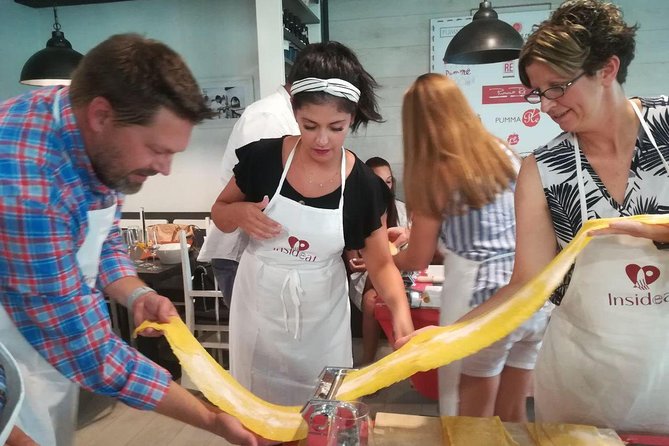
Tiramisù can sound intimidating, but in a class like this it is treated as a build you can manage. You make the dessert and customize it with a variety of toppings.
This is where I’d tell you to lean into your personality:
- If you like coffee flavor, keep toppings on the classic side.
- If you prefer contrast, choose fruit or other sharper options from the topping variety.
- If you love crunch, pick something that adds texture.
Because you control the finishing touches, tiramisù turns into a “you made this” moment. And because it is dessert, it is also the easiest dish to share stories while you eat.
The experience also includes recipes for later. In some sessions, recipe access is supported with QR codes, which is great if you are not taking notes during cooking.
Eating Together: Cozy Restaurant, Outdoor Terrace, and a Social Table
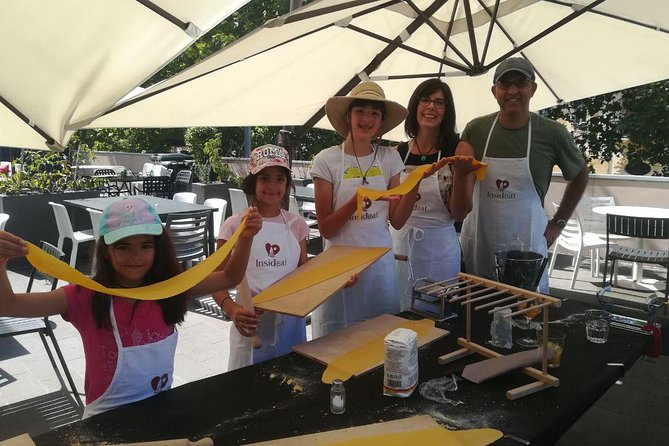
After cooking, you get to slow down. You can relax in the air-conditioned restaurant or on the outdoor terrace. That choice is practical. If Rome weather is warm or rainy, indoor is there for you. If it is comfortable outside, the terrace is a nice way to keep the evening feeling like Italy.
The “social table” idea is also smart. Instead of eating alone, you share the meal with your group. That usually leads to easy conversation, questions for the chef, and tips you might not get in a traditional restaurant setting.
You also get included drinks: your meal drink can be wine, beer, or a soft drink, plus water. On top of that, the experience notes a second drink included. That turns the meal into a proper pacing, not just a quick finish.
Price and Value: What $47.16 Buys You in Real Rome Time
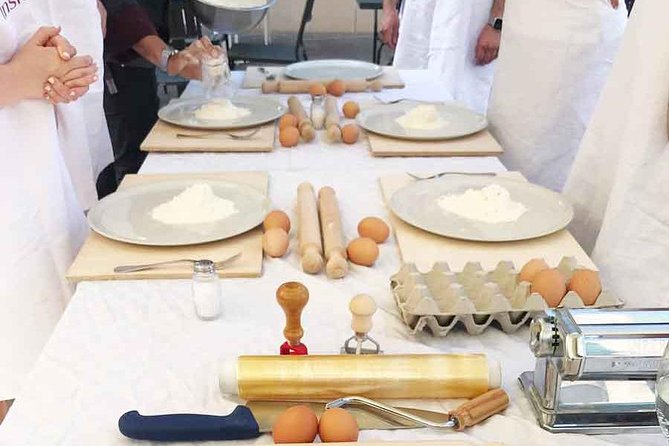
At around $47.16 per person, this class looks inexpensive only if you compare it to “just a cooking lesson.” But here’s what you actually get that drives value:
- A 3-hour experience with a hands-on block of about 2 hours
- Three major items made by you: pasta, ravioli, and tiramisù
- Included meal elements: welcome aperitif, bruschetta, plus the main course meal you eat
- Included drinks, plus water
- A take-home cookbook filled with recipes
- Use of apron and utensils
- Small-group instruction from an English-speaking chef
If you are the type who likes to cook at home, the cookbook and recipe access make this feel like a skill investment. If you do not cook much, you still get a full dinner experience with real local food and a fun story to carry home.
The other hidden value is time efficiency. You learn three dishes in one sitting. You do not need to stitch together multiple food experiences across the week.
Who This Suits Best, and Who Might Want Another Plan
This class is a strong match if:
- You want a hands-on Rome experience that includes eating, not just watching
- You like small groups and direct help
- You are traveling with a partner or family and want a shared memory
- You are a beginner. The format and instruction style are built for first-timers
- You want English instruction and clear step-by-step guidance
- You need dietary options, since vegetarian, vegan, and gluten-free options are available with advance notice
It may not be your best choice if:
- You want a mostly passive activity with no flour on your hands
- You are extremely short on time, since it is about 3 hours and includes meal time
- You prefer to spend your limited energy only on sightseeing, not cooking
If you are traveling solo, the social table format can help you meet people. Several descriptions of solo participation point to a welcoming atmosphere, which usually matters on a trip.
Tips Before You Go to Get Better Results
You will get the most out of this experience with a few simple moves.
Tell them dietary needs early
The class supports vegan, vegetarian, and gluten-free options. The key detail is that you should inform them of restrictions before the class. That is the difference between a thoughtful plan and last-minute substitutions.
Wear clothes you can get flour on
You will have an apron, but dough can still be messy. Comfortable shoes help too, since you’ll be standing and working at your station.
Be ready to learn by doing
This is not an exam. The best approach is to focus on the process, not perfection. Rolling and filling get easier fast once you feel the dough and see how the chef wants it.
Save the recipes for home
There is an exclusive cookbook with recipes. Also, some sessions include recipe access via QR codes. Take a photo of the page or save the code, so you can recreate your fettuccine, ravioli, and tiramisù later.
Quick FAQ for This Rome Cooking Class
FAQ
How long is the cooking class in Rome?
It runs for about 3 hours total, with approximately 2 hours of hands-on cooking.
What will I make during the class?
You’ll make fresh pasta (fettuccine), homemade ravioli, and tiramisù. You also eat the meal you prepare.
Is the class taught in English?
Yes. This experience is offered in English, with an English-speaking chef guiding you throughout.
Can I handle dietary restrictions like vegetarian or gluten-free?
Yes. Vegetarian, vegan, and gluten-free options are available. Let the team know about dietary restrictions before the class so they can accommodate you.
What food and drinks are included?
The included menu includes a welcome aperitif and bruschetta, plus your meal of fresh pasta and ravioli with sauce and your tiramisù. You also get 1 meal drink (wine, beer, or soft drink) with water.
Can I cancel for a full refund?
You can cancel for a full refund up to 24 hours before the experience start time. If you cancel less than 24 hours before, the amount paid is not refunded.
Should You Book This Rome Cooking Class?
I think you should book it if you want a practical, enjoyable Rome experience that combines cooking skills with an actual dinner. The small group size, hands-on station setup, and strong focus on fresh pasta, ravioli, and tiramisù make it feel worth your time. The included drinks and terrace or restaurant meal bring it together as more than a workshop.
If you hate mess or want strictly sightseeing, then skip it. But if you are open to rolling dough, shaping ravioli, and learning Roman sauce pairing as you eat, this is one of the easiest ways to take a piece of Italy home with you, in the form of both food and recipes.
Recently reviewed around Rome
- Rome: Castelli Romani Hop-on and Hop-off Tour★ 4.9 · 32 reviews
- Rome: Food Tour near Vatican City with Wine★ 4.8 · 100 reviews
- Rome: Scavenger Hunt Self-Guided Tour★ 4.6 · 15 reviews
- Hidden Rome: Small Group E-Bike Tour with Street Food Stops★ 4.9 · 144 reviews
- Rome: Highlights Tour in Golf Cart★ 4.9 · 28 reviews
- Rome: Hop-on Hop-off Bus Tour and Colosseum Experience★ 3.4 · 163 reviews
- Rome: Guided Haunted Rome Ghost Tour with Dowsing Rods★ 4.8 · 63 reviews
- Rome: Highlights Photo Shoot for Memorable Moments★ 5.0 · 32 reviews
Pasta Making Classes, compared.
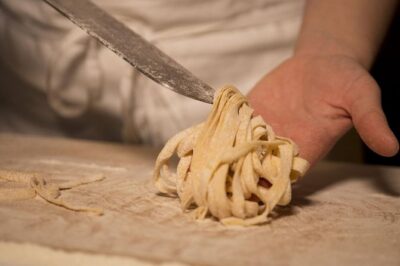
3 in 1 Cooking Class near Navona: Fettuccine, Ravioli & Tiramisu
Read our review →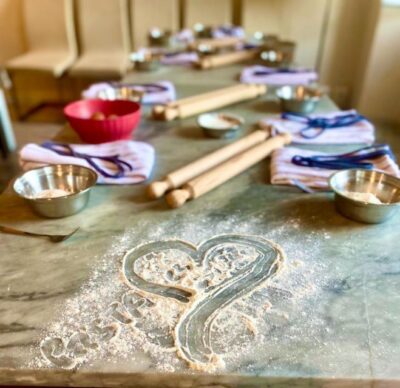
Pasta Making Class with Wine, Limoncello, and Dessert
Read our review →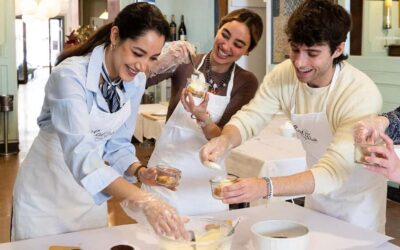
3-in-1 Fettuccine, Ravioli, and Tiramisu Cooking Class
Read our review →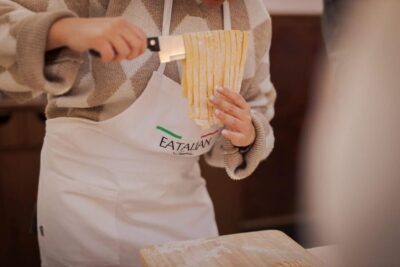
Fettuccine Pasta Cooking Class in Rome’s City Center
Read our review →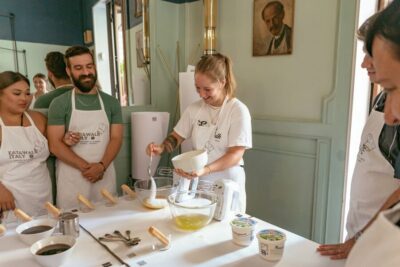
Fettuccine and Tiramisu Cooking Class with Wine
Read our review →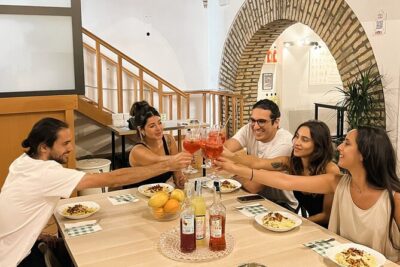
Pasta Cooking Class Near the Colosseum with 3 Spritz Cocktails
Read our review →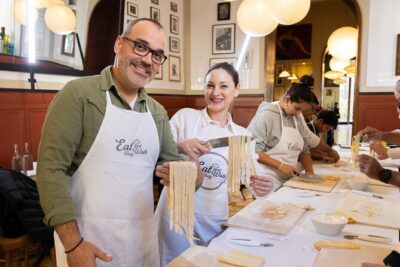
Enjoy Spritz and Pasta Making in Piazza Navona
Read our review →
Pasta Making & Wine Tasting with Dinner in Frascati from Rome
Read our review →Browse the lists this tour appears in