
Reviewed · PASTA MAKING CLASSES
Rome: Pasta Cooking Class in a Professional Pasta Laboratory
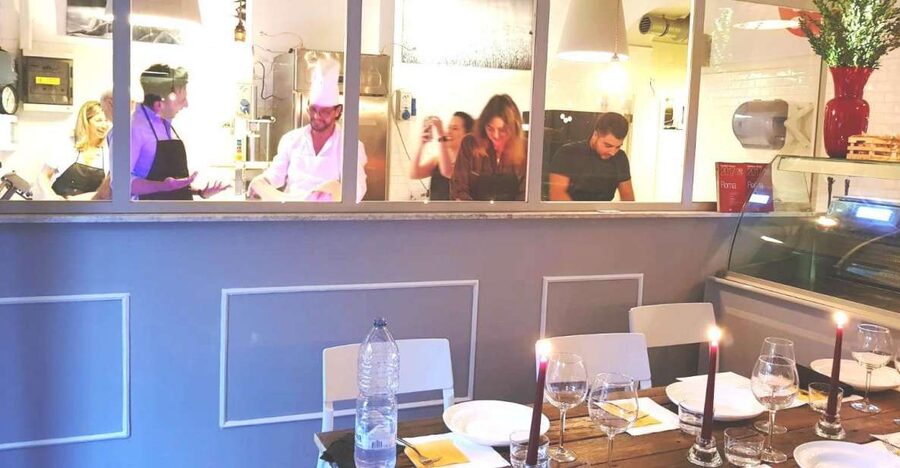
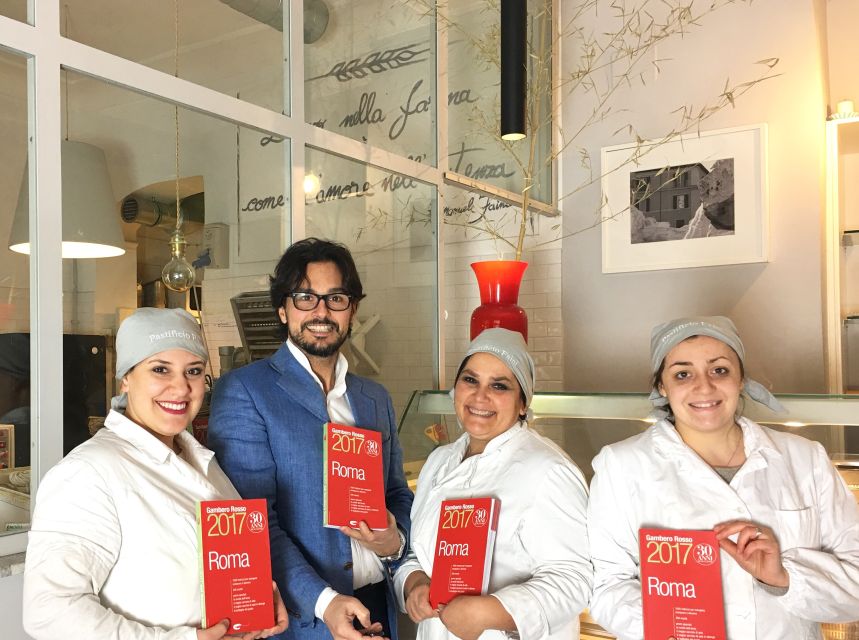
This Rome class is interesting because you do pasta-making inside a real Italian pastificio laboratory, not in a rented kitchen. I like that Chef Angelo, plus the team at Pastificio Faini, keeps things practical and hands-on, and I love that you leave knowing how to recreate what you made at home. One thing to consider: if you only want a quick demo while someone else does the work, this is not that kind of class.
You’ll work with a “grain lineup” that goes way beyond basic white flour, including ancient Triticum Monococcum, Senatore Cappelli, and gluten-free Grano Saraceno (buckwheat). It’s also designed so gluten-free participants can make their own pasta, and there’s even a no-egg vegan option. Expect to roll thin sheets, cut, shape, and fill, with time at the table afterward to eat everything with wine.
Key things I’d circle before you book
- A working lab experience at Pastificio Faini in Rome, with real tools and real food workflow
- Three types of grain, including Triticum Monococcum and gluten-free buckwheat flour
- Hands-on pasta by hand, with rolling thin sheets and shaping ravioli
- Roman sauce practice alongside classic fillings, like carbonara-style and cacio e pepe-style flavors
- A shared meal with wine, so the class ends with what you made, not just samples
Why This Rome Pasta Class Feels Different Than a Typical Workshop
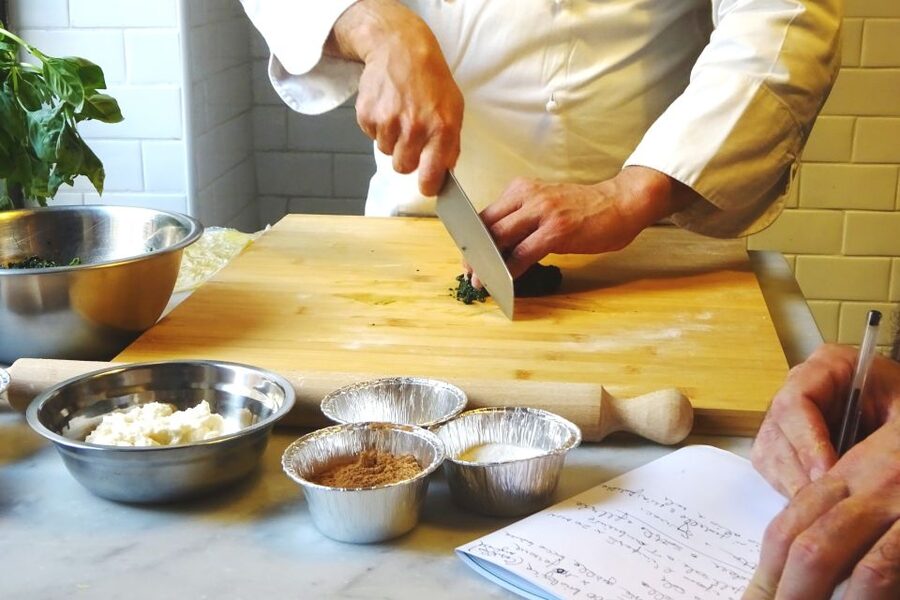
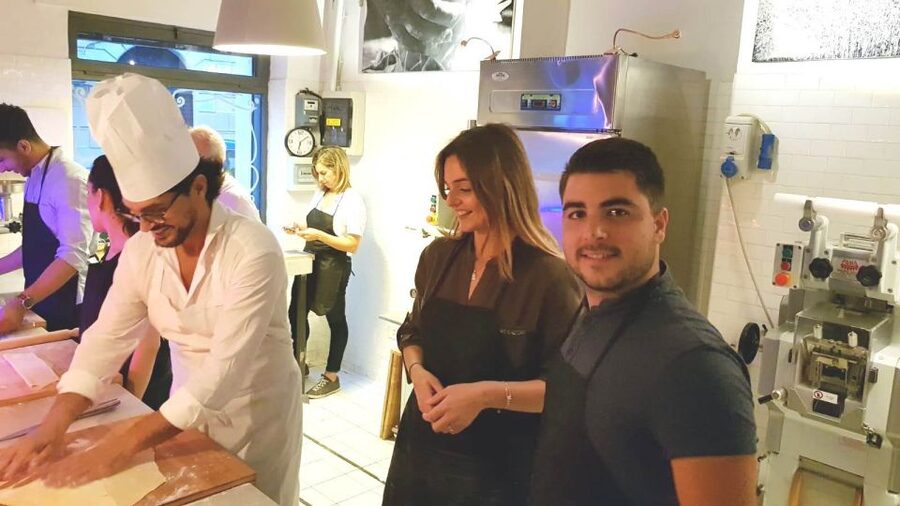
Most pasta classes teach you “a recipe.” This one teaches you how pasta dough behaves in the real world, because it happens in a professional pasta laboratory. You’re not just watching from the sidelines. You’re learning the feel of dough, the timing of resting, and the small choices that help thin pasta sheets stay intact.
Two details matter a lot for value. First, the class is small, capped at 9 participants, which means you get real help when you’re cutting, filling, and shaping. Second, the instruction is structured step by step, so even if it’s your first time, you’re not stuck guessing.
The other factor is the menu variety. You’re not just making one format of pasta. You’re working with multiple doughs (including gluten-free and a vegan no-egg pasta), then shaping and tasting several Roman-style results. That gives you more “take-home technique” than the usual two-hours-and-done approach.
More pasta making classes in Rome:
- 3 in 1 Cooking Class near Navona: Fettuccine, Ravioli & Tiramisu
★ 5.0 · 7,376 reviews - Rome: Pasta Making Class with Wine, Limoncello, and Dessert
★ 4.9 · 3,177 reviews - Rome: 3-in-1 Fettuccine, Ravioli, and Tiramisu Cooking Class
★ 4.9 · 2,704 reviews
Meeting at Pastificio Faini on Via dei Latini
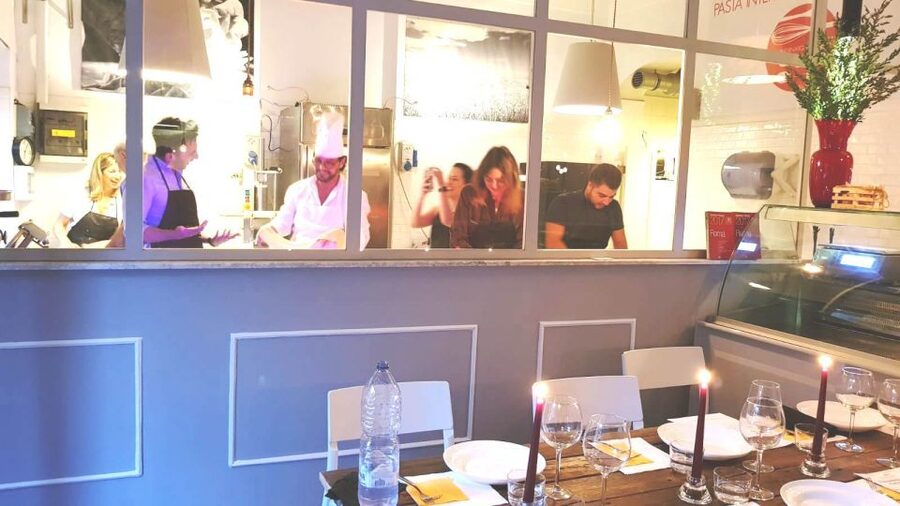
You’ll meet at Pastificio Faini, 13 Via dei Latini, Roma 00185. The activity starts there and ends back at the same meeting point, so you’re not dealing with a long split schedule or a second location.
Plan to arrive a bit early so you can settle in and start with the welcome. The class begins with a welcome drink and a short orientation focused on safe food cutting procedures, which is practical and helps the pace feel smooth once you start working with tools.
What I like about this setup is that it respects your time. You’re in and cooking without a lot of waiting around. And since it’s a lab environment, the workflow feels like a kitchen, not a classroom.
The Grain Lineup: Triticum Monococcum, Senatore Cappelli, and Buckwheat
One of the most memorable parts is the flour story, because it’s not just trivia. You’re making pasta dough with three different kinds of grains, and each one affects texture and handling.
You’ll work with:
- Triticum Monococcum, described as the first cereal cultivated by humans, around 7500 BC
- Senatore Cappelli wheat, selected in 1915, later disappeared in the 1960s, then rediscovered through a small farmer
- Grano Saraceno (buckwheat) flour, used for gluten-free pasta
Why does this matter to you? Because when you try to recreate pasta at home, you’ll notice ingredients drive behavior. Even if you follow the recipe, different grains change how dough stretches and how it holds shape when rolling thin sheets and shaping ravioli. Learning to handle those differences in a real class gives you more confidence later.
And yes, the class is designed to cater for gluten-free participants. Instead of a basic substitute, gluten-free students make their own tasty pasta using buckwheat flour.
Step-by-Step Dough: Rolling Thin Sheets the Right Way
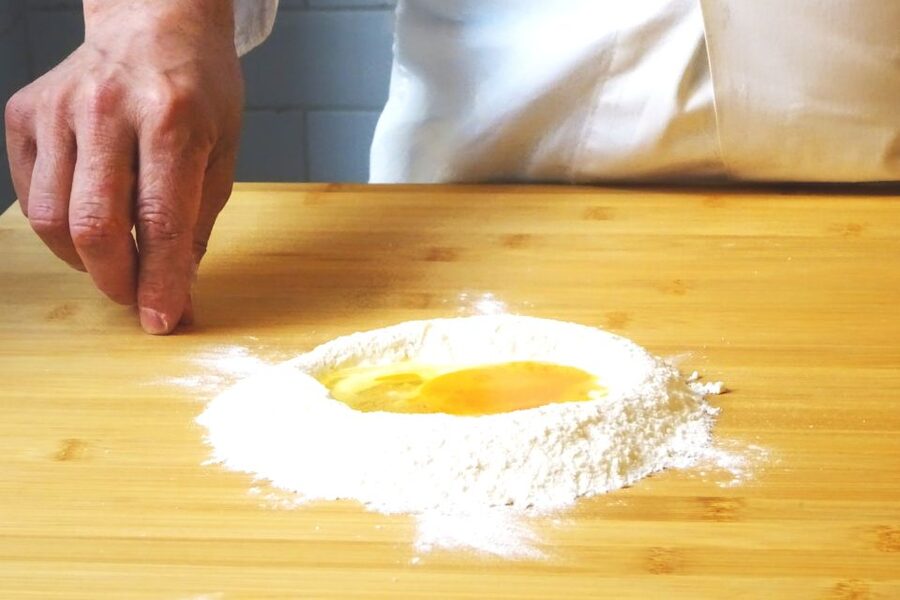
The core skill you’ll practice is making and rolling fresh pasta dough into thin sheets. You’ll create that dough and then learn how to form workable sheets, not thick noodles.
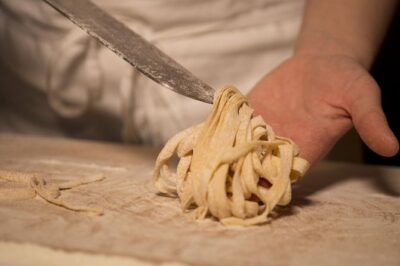
A nice detail is that the instruction uses a rolling-pin approach. That matters because many rushed classes rely on a machine for everything. Here, you learn how to roll thin and even enough to cut and fill without tearing. That’s the kind of technique you can actually reuse at home, especially if you don’t want to buy or haul equipment.
You’ll also get guidance while you work, with the kind of “fix it right now” coaching that helps beginners. The goal is that you can recreate the same steps later, not just eat a good meal today.
More cooking classes in Rome:
- Rome: Fettuccine Pasta Cooking Class in Rome’s City Center
★ 4.8 · 2,414 reviews - Rome: Traditional Pasta with Cocktails Cooking Class
★ 5.0 · 2,374 reviews - Rome: Fettuccine and Tiramisu Cooking Class with Wine
★ 4.8 · 2,013 reviews - Pasta Cooking Class Near the Colosseum with 3 Spritz Cocktails
★ 5.0 · 1,686 reviews
Ravioli Time: Shape, Fill, and Learn What Makes It Hold Together
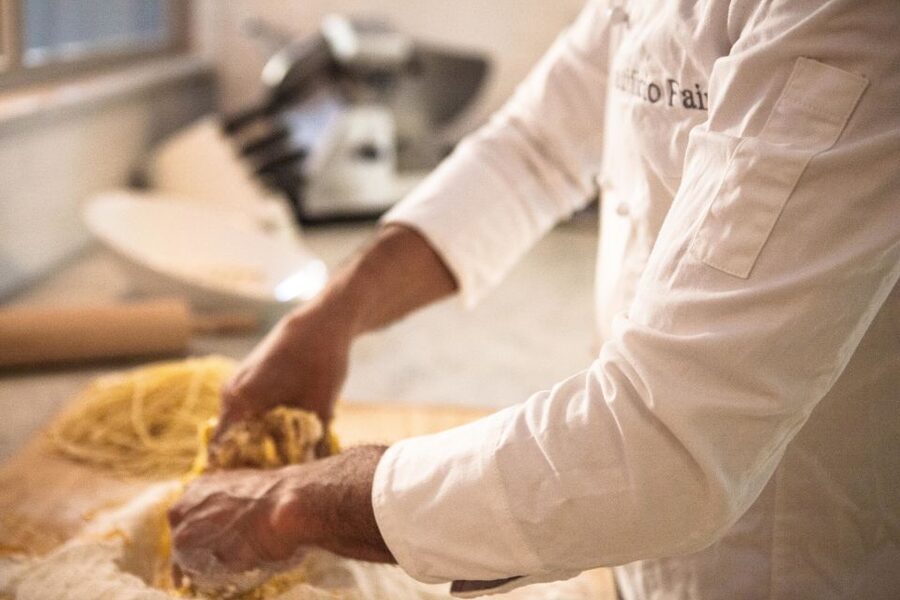
Once the sheets are ready, you move into shaping. The class has you discover three types of ravioli, which is more varied than the common one-ravioli format.
You’ll learn:
- how to portion and shape dough for ravioli
- how to handle fillings so they stay put
- how to work with the edges so the ravioli cook up sealed
This is where the small group size really pays off. With a cap at 9 participants, the chefs can notice what you’re doing and help you correct issues before they become a mess.
And because you’re doing it alongside other people, the room stays lively. Multiple cooks mean multiple questions, and the pace feels like a real workshop.
Vegan Pasta Without Egg: An Option That Fits the Class
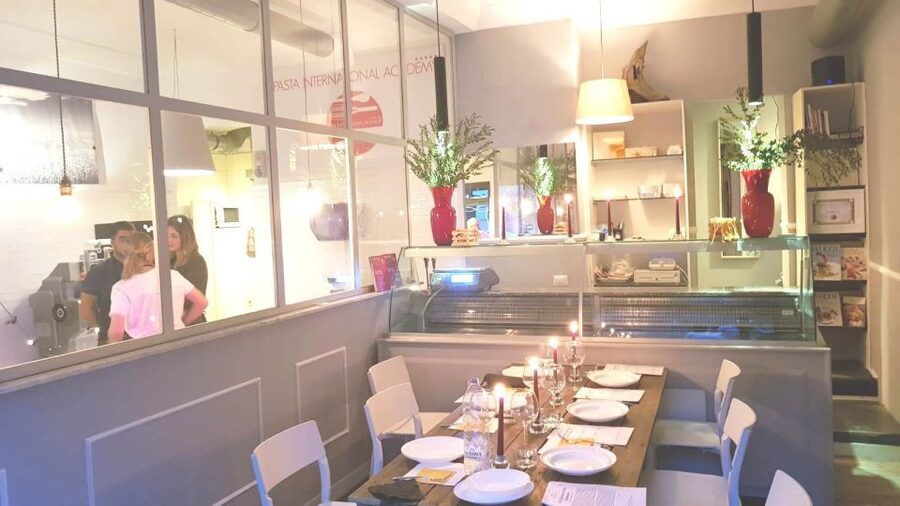
You’ll make one type of pasta without egg, which is vegan. This isn’t presented as a side track. It’s part of the class menu, meaning everyone gets to see how different dough choices change texture and shaping.
If you eat vegan or you’re traveling with someone who does, this is a big quality-of-experience upgrade. You’re not stuck with one bland alternative that no one wants to taste.
Roman Sauce Lessons: Carbonara, Cacio e Pepe, and Gricia Flavors
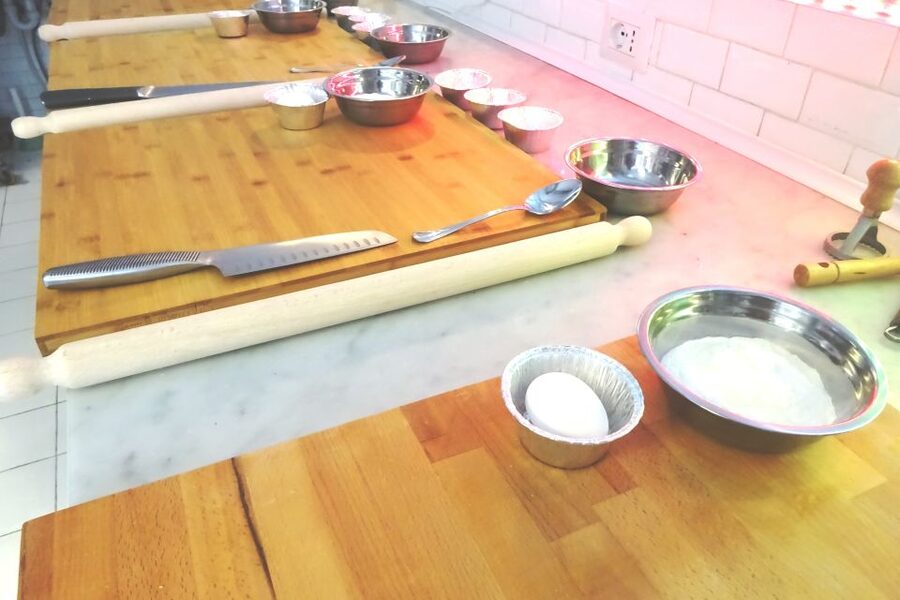
Pasta is the main event, but Roman sauces are the other half of the lesson. You’ll explore typical Roman flavors, including carbonara, cacio e pepe, or gricia-style sauces.
The most practical part is that you don’t just hear about these sauces. You taste the pasta, fillings, and sauces that you’ve made while sipping Italian wine. So you get immediate feedback, meaning you can connect sauce flavor to pasta texture and how the ravioli actually eats.
In other words, you learn to cook, then you eat what you cooked, then you understand why it works. That feedback loop is what helps you reproduce it later.
The Knife Safety Moment and Why It Matters
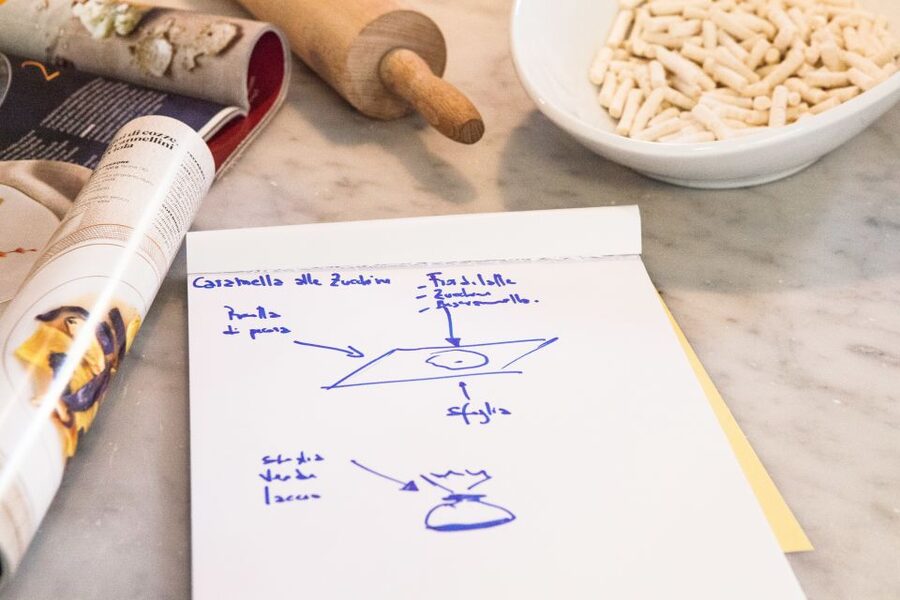
Before you start cutting and shaping, you get an explanation of safe food cutting procedures. You’ll also likely notice that the class keeps its pace by organizing work in phases.
That may sound small, but it’s actually a big deal. When safety instructions are brief and clear, you spend more time learning pasta and less time worrying about what you’re doing. Some guests also mention that wine appears after the knife-safety portion, which makes the shift from prep to cooking feel rewarding.
You’re not just making food. You’re learning a system.
The Tasting Table: Wine, Water, and Eating Everything Together
After you cook, you sit down and eat the results together. You’ll taste the pasta and sauces you made, and you’ll enjoy Italian wine with the meal.
This part is more than a reward. It’s also a skill-builder. You’ll notice how dough thickness changes chewing, how fillings release flavor, and how sauce richness balances ravioli shapes.
It’s also social in a real way. A long shared meal creates the chance to ask questions that don’t fit during hands-on work. You finish with the memory of eating what you made in the same space you cooked, which is a big part of why lab-style classes feel special.
Thursday Gnocchi With Fresh Potatoes
If you’re booking for a Thursday, there’s an extra highlight: homemade Italian gnocchi with fresh potatoes. That’s a different technique from ravioli, and it’s a great way to expand your skills beyond filled pasta.
One practical tip: if gnocchi is a must for you, plan your trip around a Thursday session. If you’re mostly focused on thin-sheet pasta and ravioli fillings, any day can work, but Thursday gives you extra variety.
Gluten-Free in the Same Room, Not a Separate Afterthought
I appreciate how this class handles gluten-free needs. Gluten-free participants make their own gluten-free pasta rather than receiving a generic substitute later. That means you’re still doing the main pasta-making loop: dough, rolling or shaping, filling, and tasting.
So if you’re coeliac or gluten-sensitive, this format reduces the stress. You can follow along with your own dough and your own finished results.
Also, because the flour choices are part of the curriculum (including buckwheat), the gluten-free experience feels intentional, not improvised.
Price and Value for 3 Hours in a Small Group
The price is $66.84 per person for a 3-hour class. That’s not the cheapest pasta workshop, but the value makes sense for what’s included.
You get:
- recipes
- ingredients and equipment to make pasta and sauces
- wine and water
- a professional chef hat and apron signed by the chef
Then there’s the setting. Cooking inside a professional pastificio laboratory is a different overhead category than a home-kitchen class. You’re also in a small group, capped at 9, which increases the amount of direct help you receive.
For me, the best “value signal” is that the class is not just you tasting. It’s you producing, shaping, and learning multiple dough types, including gluten-free and vegan no-egg pasta. In that context, $66.84 feels like a fair spend for real skill and real food.
Who This Rome Pasta Laboratory Class Is Best For
This is a great fit if:
- you love pasta and want more than one technique
- you like hands-on instruction and step-by-step guidance
- you want to learn how to roll thin sheets without relying only on a machine
- you’re traveling with someone who needs gluten-free options
- you’re the kind of person who will actually cook pasta again at home
It might be less ideal if:
- you want a very relaxed, passive experience
- you’re trying to squeeze in cooking with lots of other activities and can’t commit to a focused 3 hours
- you only care about one specific pasta format and don’t want variety
Should You Book This Pasta Laboratory Class?
If you care about authenticity and technique, I’d book it. The biggest reason is simple: you learn in a professional pastificio environment and you leave with a clear path to recreate what you made, including dough behavior with different grains.
Book it especially if:
- gluten-free is part of your group, because the class is set up for it
- you want a vegan no-egg pasta option included in the main flow
- you’re excited by Roman classics like carbonara, cacio e pepe, and gricia-style flavors
- you’re aiming for Thursday sessions to add gnocchi with fresh potatoes
My one caution is your expectations. This isn’t a sit-and-watch “Italian night.” It’s a real cooking session, so show up hungry, ready to work with your hands, and willing to learn.
If that sounds like your style, you’ll likely consider it one of the best food-focused experiences in Rome.
FAQ
How long is the Rome pasta cooking class?
The class duration is 3 hours.
How much does the class cost?
The price is $66.84 per person.
How large is the group?
The class is limited to 9 participants.
Where do I meet for the class?
You meet at Pastificio Faini, 13 Via dei Latini, Roma 00185.
What languages are the instructors?
The instructor teaches in English and Italian.
Does the class offer gluten-free pasta?
Yes. The class caters for gluten-free participants, who will make gluten-free pasta.
Is there a vegan option?
Yes. You make one type of pasta without egg, which is vegan.
What pasta and sauces will I make?
You make fresh pasta dough and create thin sheets, then make three types of ravioli. You also work with typical Roman sauces such as carbonara, cacio e pepe, or gricia.
Is wine included?
Yes. Wine and water are included.
What is special about Thursdays?
On Thursdays, you make homemade Italian gnocchi with fresh potatoes.
More Workshops in Rome
- Rome: Pasta & Tiramisu Class with Fine Wine by the Vatican
★ 4.9 · 4,852 reviews - Become a Masterchef in Rome: Pasta, Ravioli and Tiramisù Class
★ 5.0 · 2,156 reviews - Rome: Pasta & Tiramisu Cooking Class near the Spanish Steps
★ 4.8 · 1,395 reviews - Rome Tipsy Cooking Class: Make Pasta and Mix 3 Spritz Cocktails
★ 5.0 · 1,357 reviews
Recently reviewed around Rome
- Ancient Etruscan Civilization Tour from Rome★ 5.0 · 16 reviews
- Colosseum with Arena Floor Express Guided Tour★ 3.5 · 22 reviews
- Private Tour – Ancient Ostia★ 5.0 · 42 reviews
- PRIVATE Appian Way and Lake Albano Ebike Tour with Italian Lunch★ 5.0 · 12 reviews
- Ancient Appian Way and Roman Countryside E-Bike Tour★ 4.5 · 13 reviews
- Ancient Appian Way PRIVATE Bike Tour★ 5.0 · 89 reviews
- Catacombs and Hidden Underground Rome: Small Group Max 6 People★ 5.0 · 293 reviews
- Amalfi Coast Day Trip from Rome by High-Speed Train★ 4.5 · 162 reviews
Pasta Making Classes, compared.
3 in 1 Cooking Class near Navona: Fettuccine, Ravioli & Tiramisu
Read our review →
Pasta Making Class with Wine, Limoncello, and Dessert
Read our review →
3-in-1 Fettuccine, Ravioli, and Tiramisu Cooking Class
Read our review →
Fettuccine Pasta Cooking Class in Rome’s City Center
Read our review →
Become a Masterchef in Rome: Pasta, Ravioli and Tiramisù Class
Read our review →
Fettuccine and Tiramisu Cooking Class with Wine
Read our review →
Pasta Cooking Class Near the Colosseum with 3 Spritz Cocktails
Read our review →
Enjoy Spritz and Pasta Making in Piazza Navona
Read our review →Browse the lists this tour appears in