
Reviewed · PASTA MAKING CLASSES
Rome: Five Shapes of Pasta Cooking Class in Ancient Tavern
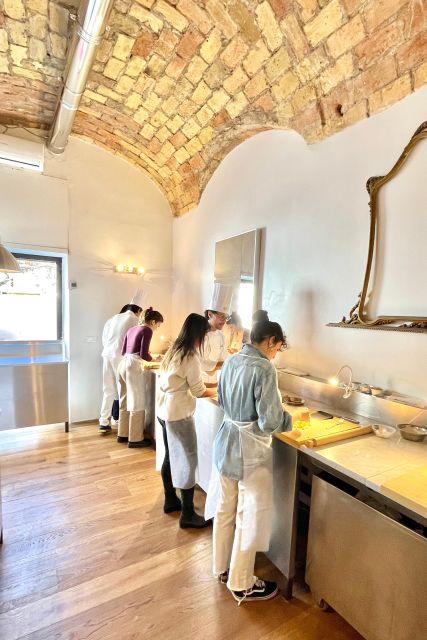
Rome’s pasta class is interesting because it’s hands-on in an ancient osteria turned into a cooking school, not a demo where you just watch and hope. You’ll learn to make a sheet of dough, form classic shapes, then sit down to eat what you cooked. It’s a great way to get a real feel for Roman-Italian home cooking.
Two things I really like: the small group setup (limited to 10) and the way the chefs teach you step by step, with humor and constant checking. I also like the practical end result, five distinct fresh shapes, plus two sauces you understand well enough to repeat later at home.
One consideration before you book: this is not suitable for people with mobility impairments, and it’s built around active dough work. If you want a totally relaxed, purely observational experience, a cooking class might feel like more effort than you planned.
Key highlights worth marking on your map
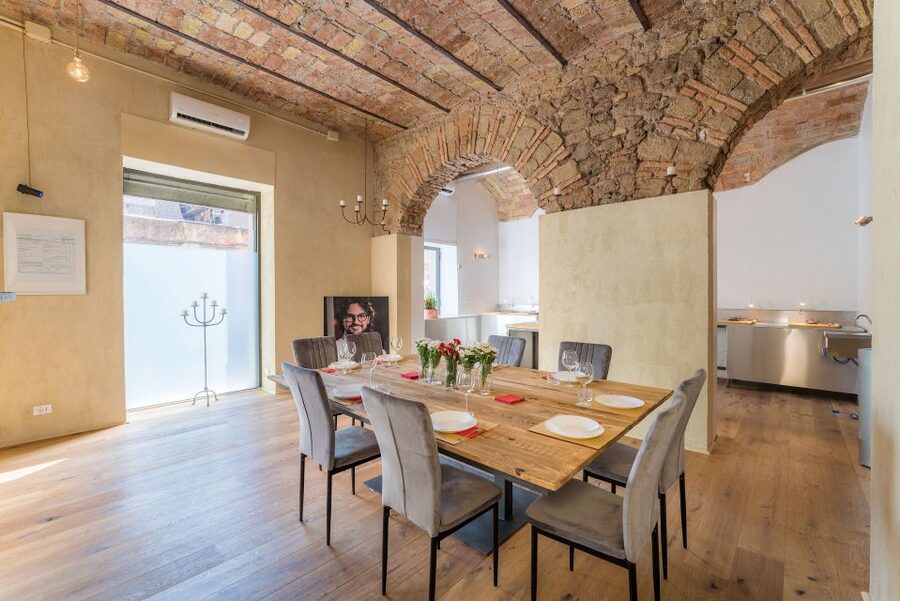
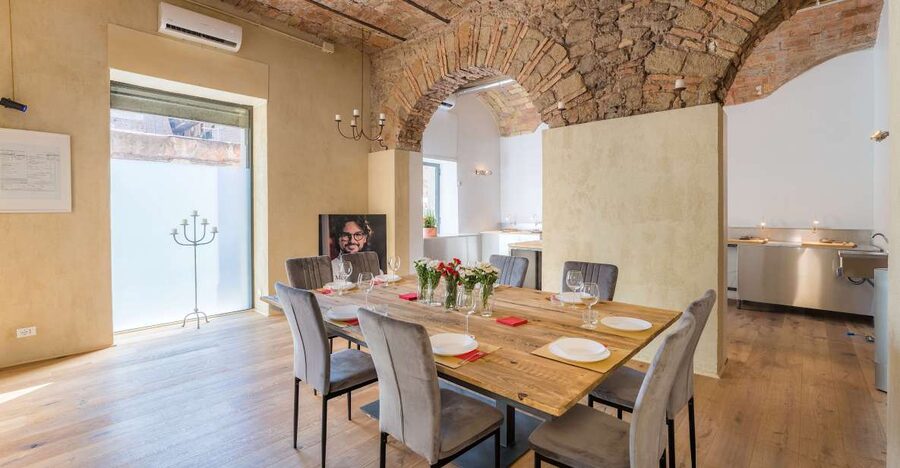
- Ancient tavern setting: an old osteria space in Rome, founded in the late 1800s and converted into a cooking school
- Wooden rolling pin dough work: you practice the sheet-making technique, not just assembly
- Five classic pasta shapes: ravioli, agnolotti del plin, tortellini, cappelletti, and fettuccine
- Two sauces plus pairing: you learn sauce concepts, then taste as part of a full meal with wine
- Food safety included: HACCP certified for hygiene and safety (certified in 2020)
- You leave with a chef hat: complimentary Pastificio Faini chef hat for every participant
Stepping into an ancient osteria turned into a cooking school
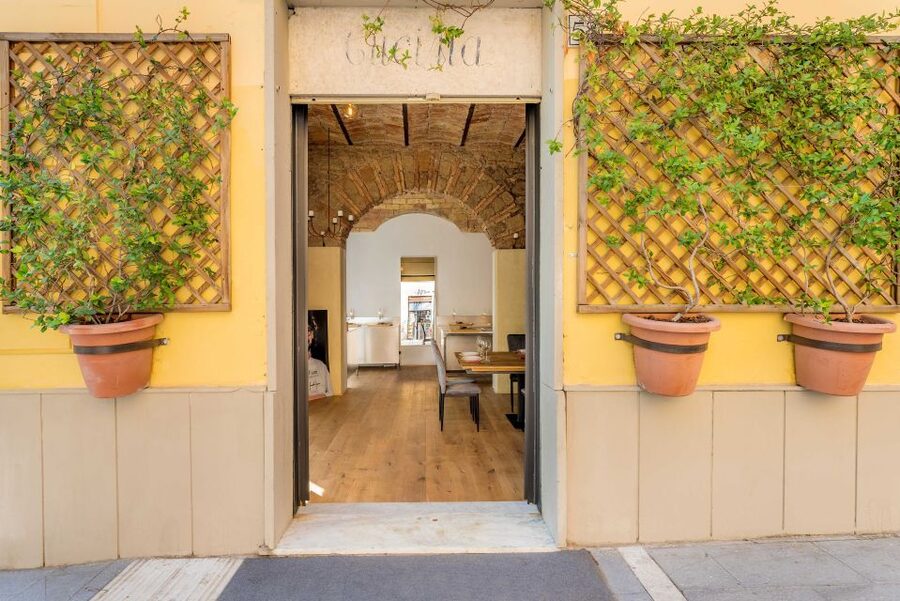
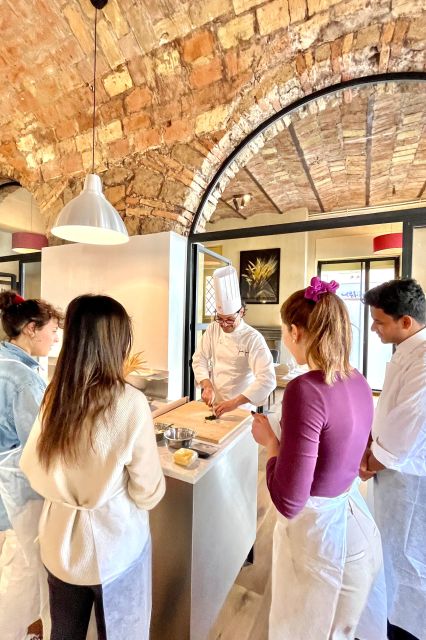
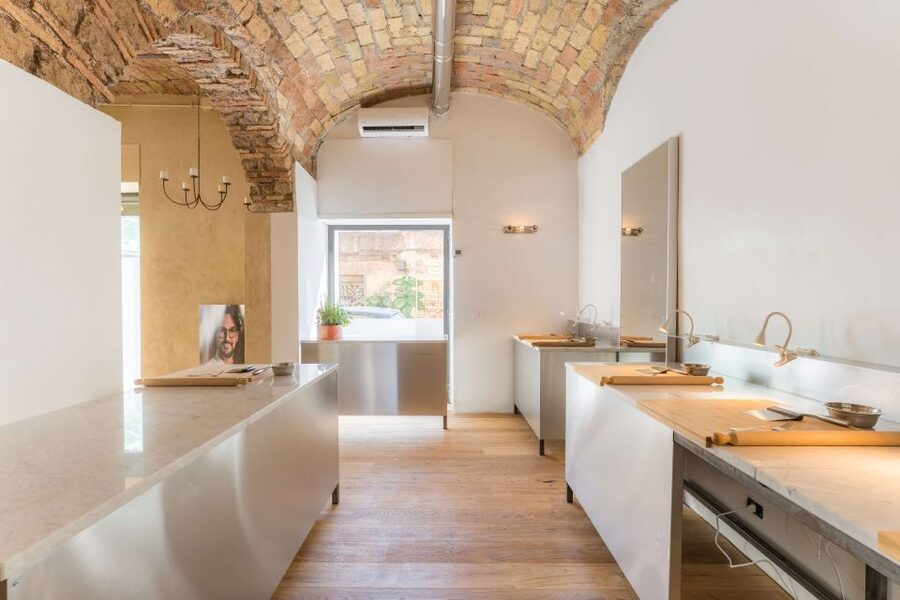
The meeting point is an old osteria called Cucina, with a marble original osteria sign above the entrance. When you arrive, the vibe is part tavern nostalgia, part working kitchen school. This matters more than you might think. In a good cooking class, the room shapes your mood: you relax, you pay attention, and you actually try the techniques instead of rushing through.
The class is designed for a small group, limited to 10 participants. That size hits the sweet spot in Rome, where many experiences cram too many people into one space. Here, you can get real help while you’re rolling dough and forming shapes.
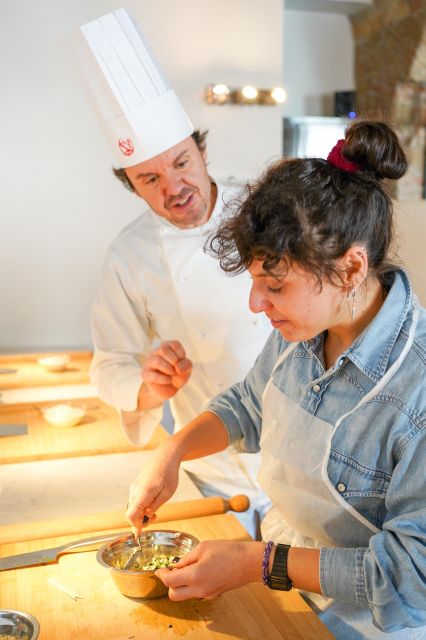
Two chefs show up in the experience under names like Emanuele and Angelo. From what I’ve seen in cooking-class dynamics, that matters because pasta skills are touch-based. You can read a thousand tips, but you still need someone to correct your rolling thickness or your folding angle.
More pasta making classes in Rome:
- 3 in 1 Cooking Class near Navona: Fettuccine, Ravioli & Tiramisu
★ 5.0 · 7,376 reviews - Rome: Pasta Making Class with Wine, Limoncello, and Dessert
★ 4.9 · 3,177 reviews - Rome: 3-in-1 Fettuccine, Ravioli, and Tiramisu Cooking Class
★ 4.9 · 2,704 reviews
What happens during the pasta lesson: dough sheets, cutting, and formed shapes
The core of the class is making fresh pasta from scratch, which means you start with dough and end with recognizable shapes. You’ll also make your thin dough sheet using a wooden rolling pin, with professional technique guidance. That wooden pin detail is the kind of thing that separates this from a generic cooking workshop. The technique changes how the dough behaves, and it’s easier to learn what “thin” really means when you’re rolling it yourself.
You’ll also get instruction on safe food cutting procedures, and the class format includes step-by-step coaching rather than leaving you to guess. That’s especially useful if you’re a first-timer. One of the most common reasons pasta-making classes fail is that they feel like a race. Here, the teaching approach aims to keep you on track, and you get rounds of support.
As you work, expect a rhythm of hands-on tasks:
- rolling and stretching the dough sheet
- cutting pieces for different shapes
- filling and shaping items like ravioli and agnolotti del plin
- finishing delicate shapes like tortellini and cappelletti
- shaping fettuccine, which ties the whole lesson together
One standout detail from the experience style is that the chefs make it feel playful. People mention that you cook and even move with the energy in the room, including music that helps you get into the kneading and rolling mode. That may sound like a small thing, but it’s a big reason the time goes quickly and why beginners don’t freeze.
The five pasta shapes you’ll make, and why they matter
This class is built around five specific pasta types, and you do more than copy shapes. You learn what each shape is asking the dough to do, and what kind of sauce pairing makes sense.
Here are the five shapes included:
- Ravioli: usually about symmetry and a clean seal, so the filling stays put
- Agnolotti del plin: folding technique that creates a more “pinched” character
- Tortellini: a classic formed shape that rewards careful edges
- Cappelletti: another formed style where the final look comes from the folding sequence
- Fettuccine: a flatter cut that feels different from filled pasta
During the class you’ll also work with two different kinds of Italian sauce. The data doesn’t list the exact sauce names, but the structure is consistent: you’re taught and explained sauce choices, then you taste what you made. That is the part that helps you go home with more than a photo. You start to understand why a sauce works with a shape, whether it’s about clinging to ridges, coating folds, or balancing richness with texture.
You’ll taste your own pasta, and you’ll also see how the meal portion fits the cooking portion. In other words, it’s not just a class, it’s a full Rome meal experience.
The meal portion: prosecco, cheese, wine, and what you eat
Cooking gets better when you eat well right after. This class includes an appetizer with prosecco plus cheese, so you start the evening or meal with something tasty and local-feeling.
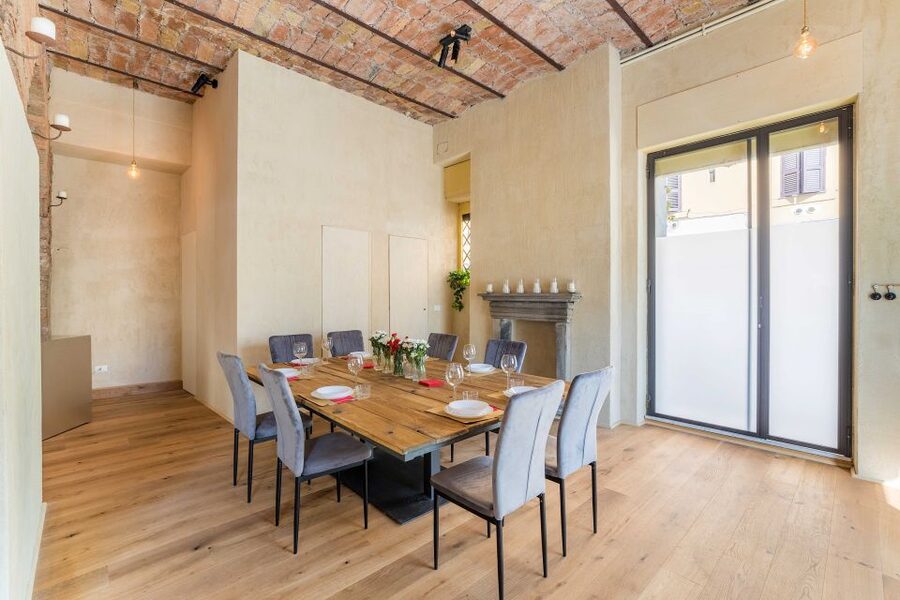
Then comes the full meal. The experience includes a lunch or dinner format depending on the session time you book, but it’s always built around tasting the pasta you hand-made, along with wine. Wine pairing is included, and that matters because it turns the class into a real table experience rather than a workshop snack.
One extra detail people consistently highlight is that the hosts keep the pace fun while still making it organized. The table setting is part of the charm, and the cooking area is run in a way that gives everyone space to work.
Food accommodations also come up in the experience. There’s at least one story about a participant with a garlic allergy getting an adaptation so they did not feel left out. It doesn’t replace asking your provider directly, but it signals the class can respond to needs when possible. If you have any allergy, you should mention it clearly when booking so the team can guide you on what can be adjusted.
More cooking classes in Rome:
- Rome: Fettuccine Pasta Cooking Class in Rome’s City Center
★ 4.8 · 2,414 reviews - Rome: Traditional Pasta with Cocktails Cooking Class
★ 5.0 · 2,374 reviews - Rome: Fettuccine and Tiramisu Cooking Class with Wine
★ 4.8 · 2,013 reviews - Pasta Cooking Class Near the Colosseum with 3 Spritz Cocktails
★ 5.0 · 1,686 reviews
Dessert and finishing touches: express tiramisu and the Pastificio Faini chef hat
After the pasta is cooked and tasted, the class finishes with an express tiramisu preparation. Express here is useful. It means dessert stays tied to the class flow and doesn’t turn into a separate, long baking project. You get the satisfaction of making something sweet without running out of class time.
Then you get a final fun extra: a complimentary Professional Chef Hat with the Pastificio Faini logo, offered to all participants. This sounds like a gimmick until you think about it. It gives you a physical reminder of what you did, and it also makes the experience feel like a real “you made this” moment rather than just an eat-and-leave activity.
The class also emphasizes hygiene and safety, and it’s HACCP certified for food hygiene and safety in 2020. For a cooking class, that’s not glamorous, but it’s comforting. You’re working close to heat and food prep, and you want the basics handled well.
Price and value: is $67.19 worth it?
At $67.19 per person for about 3 hours, this is one of those Rome experiences that looks like a bargain when you account for what’s included. You’re paying for:
- hands-on instruction for forming five pasta shapes
- two sauces and tasting your results
- an appetizer with prosecco and Italian cheese
- a full Italian meal with wine included
- express tiramisu as dessert
- a complimentary chef hat with a branded logo
- a small group learning environment (limited to 10)
If you were to buy ingredients and take a private lesson, the cost would jump fast. If you compare it to the classic Rome approach of “sit down and eat,” the value comes from the learning payoff. You’ll likely remember this longer than another pasta dinner because you can recreate at least parts of the process.
The other value piece is that small groups make instruction work. When the class is crowded, you end up feeling self-conscious and rushed. Here, people repeatedly mention that the chefs check in, help fix steps, and keep the vibe friendly.
Who should book this class, and who might skip it
This is a great match if you:
- want a hands-on Rome activity that’s not just sightseeing
- like cooking and want to go home with techniques you can repeat
- enjoy eating as you learn, with wine and a full meal included
- like a social but not chaotic environment, thanks to the small group
It’s less of a match if you:
- need accessibility support, since it’s marked as not suitable for people with mobility impairments
- want a purely passive experience
- travel with pets, since pets are not allowed
If you’re traveling with teens or multiple ages, you’ll probably be happy. Several accounts describe families and mixed-age groups enjoying the energy and instruction together, with the chefs making the experience feel welcoming.
How to get the most out of your 3 hours in Rome
Because the class is built around technique, your best move is to show up ready to work with your hands. Bring curiosity, not pressure. If you’ve made pasta at home, you’ll still likely learn something new about sheet thickness and the forming steps for filled pastas.
Also, lean into the teaching. The chefs like Emanuele and Angelo make it easy to follow, including humor and continuous help. If you’re unsure while shaping, ask right away. Pasta quality often comes from small corrections early on.
Finally, plan your evening around appetite. You’re not just tasting. You’re eating a full meal, plus wine, plus dessert. So you’ll want this class to land at a time when you can fully enjoy the food rather than squeeze it between other late plans.
Should you book Rome: Five Shapes of Pasta Cooking Class in Ancient Tavern?
Book it if you want a top-value Rome food experience that’s actually interactive. For many people, it’s the highlight because it combines a real Roman setting, a tight small-group format, and the satisfying payoff of eating the pasta you made. With five classic shapes, two sauces, wine, prosecco, and express tiramisu, you’re paying for a complete evening that feels like more than one activity.
Skip it only if mobility limits you, or if you strongly prefer watching over doing. Otherwise, this class is one of the easiest ways to turn Rome food into skills you can use later, not just memories.
FAQ
How long is the Rome pasta cooking class?
The class duration is 3 hours.
How many people are in the group?
It’s a small group limited to 10 participants.
What language is the instruction offered in?
The instructor provides English and Italian instruction.
What pasta shapes will I make?
You’ll make five shapes of fresh pasta: ravioli, agnolotti del plin, tortellini, cappelletti, and fettuccine.
Is prosecco, wine, and food included?
Yes. The experience includes an appetizer with prosecco and Italian cheese, a full Italian meal, and wine. It also includes dessert with express tiramisu.
Are pets allowed?
No, pets are not allowed.
Is the class suitable for mobility impairments?
No, it is marked as not suitable for people with mobility impairments.
More Workshops in Rome
- Rome: Pasta & Tiramisu Class with Fine Wine by the Vatican
★ 4.9 · 4,852 reviews - Become a Masterchef in Rome: Pasta, Ravioli and Tiramisù Class
★ 5.0 · 2,156 reviews - Rome: Pasta & Tiramisu Cooking Class near the Spanish Steps
★ 4.8 · 1,395 reviews - Rome Tipsy Cooking Class: Make Pasta and Mix 3 Spritz Cocktails
★ 5.0 · 1,357 reviews
Recently reviewed around Rome
- Rome: Castelli Romani Hop-on and Hop-off Tour★ 4.9 · 32 reviews
- Rome: Food Tour near Vatican City with Wine★ 4.8 · 100 reviews
- Rome: Scavenger Hunt Self-Guided Tour★ 4.6 · 15 reviews
- Hidden Rome: Small Group E-Bike Tour with Street Food Stops★ 4.9 · 144 reviews
- Rome: Highlights Tour in Golf Cart★ 4.9 · 28 reviews
- Rome: Hop-on Hop-off Bus Tour and Colosseum Experience★ 3.4 · 163 reviews
- Rome: Guided Haunted Rome Ghost Tour with Dowsing Rods★ 4.8 · 63 reviews
- Rome: Highlights Photo Shoot for Memorable Moments★ 5.0 · 32 reviews
Pasta Making Classes, compared.
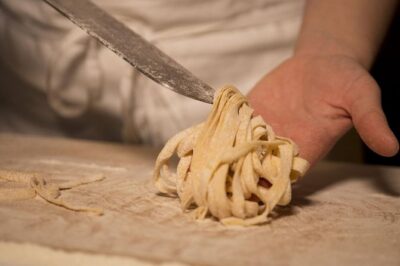
3 in 1 Cooking Class near Navona: Fettuccine, Ravioli & Tiramisu
Read our review →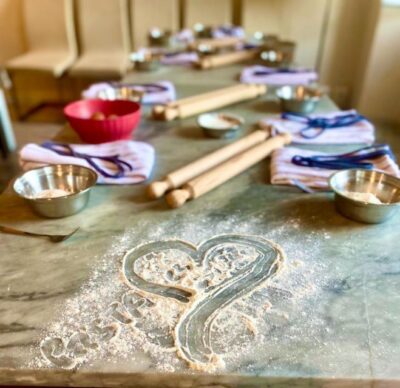
Pasta Making Class with Wine, Limoncello, and Dessert
Read our review →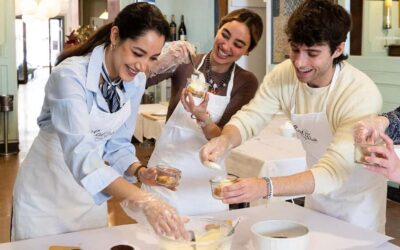
3-in-1 Fettuccine, Ravioli, and Tiramisu Cooking Class
Read our review →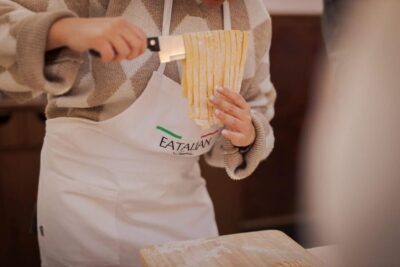
Fettuccine Pasta Cooking Class in Rome’s City Center
Read our review →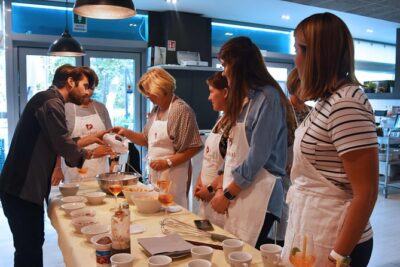
Become a Masterchef in Rome: Pasta, Ravioli and Tiramisù Class
Read our review →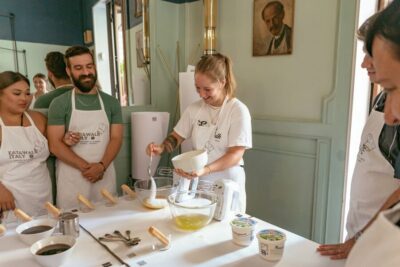
Fettuccine and Tiramisu Cooking Class with Wine
Read our review →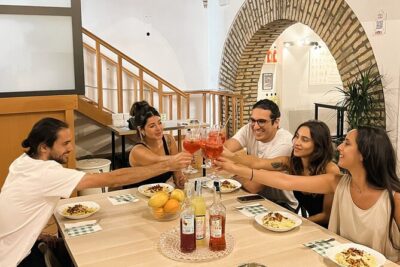
Pasta Cooking Class Near the Colosseum with 3 Spritz Cocktails
Read our review →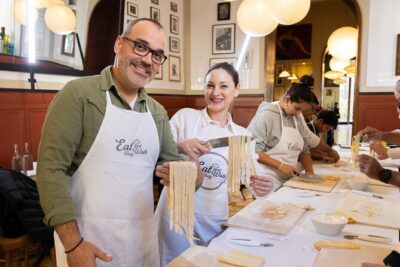
Enjoy Spritz and Pasta Making in Piazza Navona
Read our review →Browse the lists this tour appears in