
Reviewed · COOKING CLASSES
Rome cooking: Gelato & Tiramisu with savoiardi Baking class
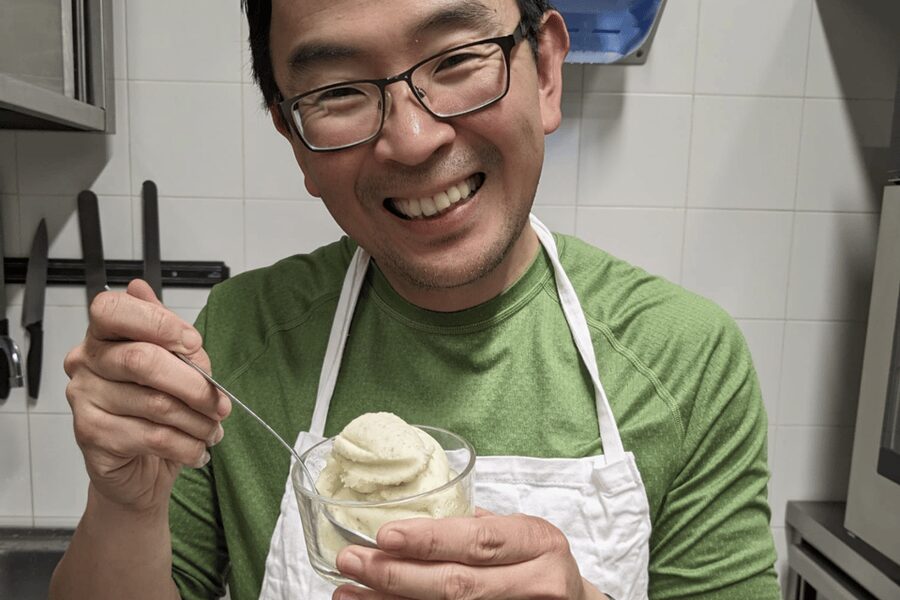
What makes this Rome experience interesting is that it is not just about eating desserts. You learn how to build tiramisu from the base, starting with biscuit baking, then you pair it with gelato and sorbet know-how that actually helps you cook at home. It is run inside an authentic tiramisù shop kitchen, so the vibe feels like training, not a show.
I especially love that you get hands-on time, not passive sitting. The class also leans on practical choices like quality ingredients and the logic behind gelato versus sorbet, not just vague tips. One thing to consider: the experience notes it is not suitable for vegans and lactose intolerance, even though it also describes sorbet as water-based, so you should clarify your needs when booking.
Key takeaways
- Biscuit-first tiramisù technique you learn from scratch, not from a store-bought shortcut
- Gelato plus sorbet logic, including how fruit-in-season choices affect results
- Alcohol-free tiramisù, also listed as vegetarian-friendly
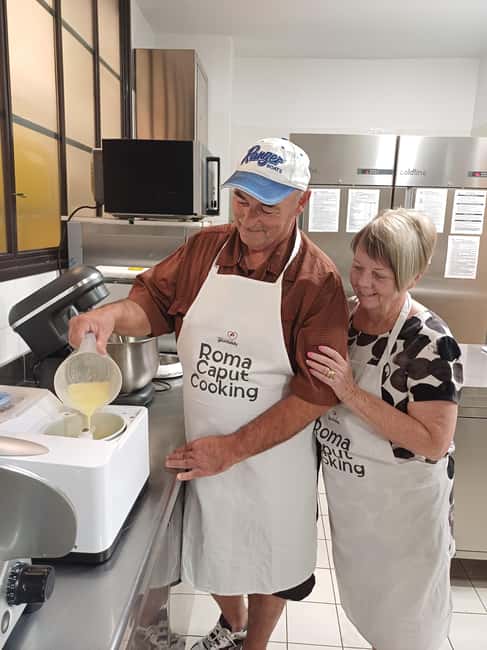
- Small-group coaching with a professional chef and English guide
- Recipes and take-home materials, so you can repeat the desserts in your own kitchen
Rome Tiramisu Basics, Plus Gelato Sorbet Skills You Can Actually Use
If you love Italian desserts, you already know the names. This class is about the process behind them. You start by learning how to make a perfect artisanal tiramisù, then you add gelato and sorbet technique so you understand what you are tasting.
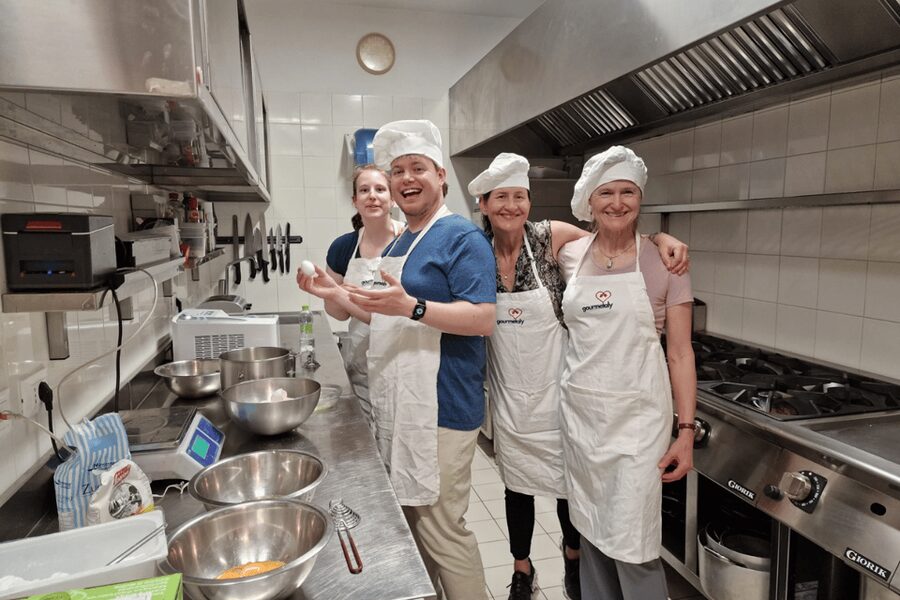
The experience runs for about 2.5 hours overall, with about 2 hours in the kitchen. You are led by a professional chef, with an English live guide, and it is a small-group setup, which matters because dessert is precise. In a big group, you end up watching. Here, you are meant to work.
The kitchen is described as an authentic laboratory inside a real tiramisù shop popular in town. That does not just make it feel special. It also means you are learning with the kind of systems and habits that serious shops use, like ingredient quality and consistent steps.
More cooking classes in Rome:
- 3 in 1 Cooking Class near Navona: Fettuccine, Ravioli & Tiramisu
★ 5.0 · 7,376 reviews - Rome: Pasta Making Class with Wine, Limoncello, and Dessert
★ 4.9 · 3,177 reviews - Rome: 3-in-1 Fettuccine, Ravioli, and Tiramisu Cooking Class
★ 4.9 · 2,704 reviews
Where the Class Happens, and Why Via Natale del Grande Matters
You meet at the corner with Via Natale del Grande. That is useful because Rome can make meeting points feel random, and a clear address helps you plan your walk or taxi drop-off.
You cannot bring luggage or large bags, so plan on a small day bag only. Also, unaccompanied minors are not allowed, and children must be with an adult, which is important if you are traveling with family and want a smooth experience.
Timing-wise, it runs daily except Sundays. That gives you flexibility if you want one solid activity that covers both dessert making and a guided introduction to what makes Italian sweets taste Italian.
Gelato and Sorbet: The Water-Based Difference That Changes Everything
One of the most useful parts of this class is how it treats gelato and sorbet as related, but not identical. You begin with an introduction to gelato, with guidance on how to distinguish quality ingredients and what makes a noticeable difference on the tongue.
Then you move into sorbet. The key idea you learn is that sorbet is water-based. That matters for flavor texture and for dietary planning. The experience description says sorbet is a good match for lactose intolerant and vegan people too, which is a big promise.
But the participant rules also list that the experience is not suitable for vegans and people with lactose intolerance. So here is my practical advice: if your diet is strict, do not assume you are covered by the sorbet component alone. Ask questions at booking and request the guidance you need. You may even be pointed toward the private-class option mentioned for gluten or lactose free needs.
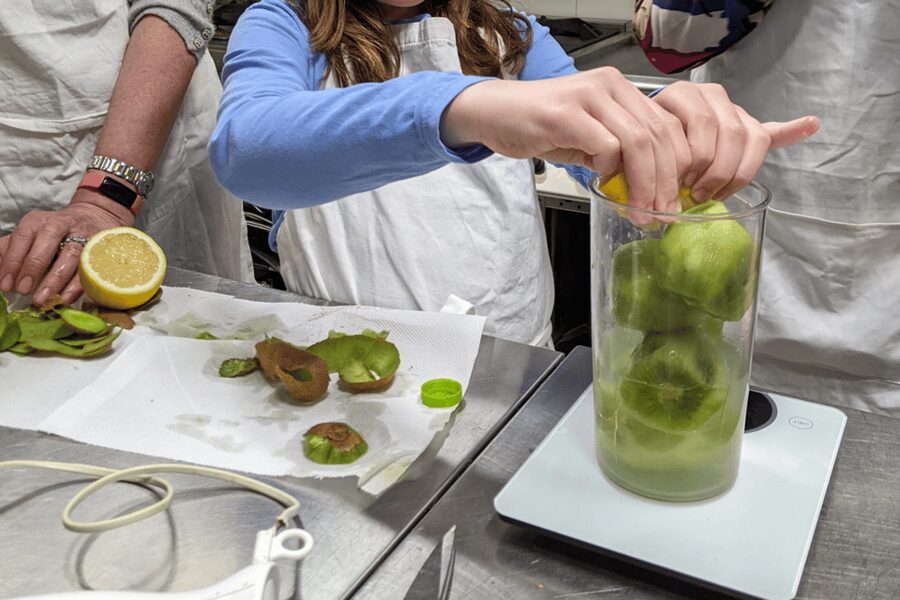
For the taste itself, you learn about selecting quality fruit in season. That is one of the smartest things you can take home. When fruit is at its best, even simple recipes taste more “real,” and you learn how to spot ingredients that will work without needing fancy extras.
Making Organic-Style Tiramisu, From Savoiardi Biscuits Up
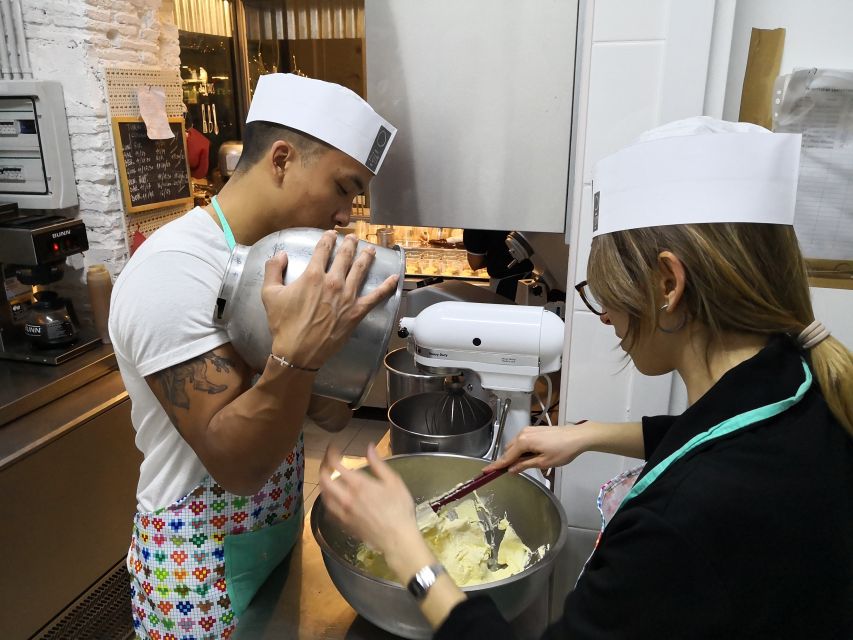
Tiramisu is famous for a reason, but it can also be the dessert people get wrong. The class aims to fix that by walking you step-by-step from the base. You start with baking biscuits (savoiardi are referenced), then you build the dessert and finish with tasting.
You are also taught the importance of choosing quality ingredients, with an eye to fresh and organic options. I like that framing because it is not about luxury for luxury’s sake. It is about reducing the chance your final tiramisù tastes bland or watery, which often happens when ingredients are mediocre or rushed.
The class also notes that the tiramisù is alcohol-free and suitable for vegetarians. That is a big deal for a dessert that is often made with alcohol in some versions. If you prefer to avoid it, this keeps the focus on the coffee flavor and creamy structure.
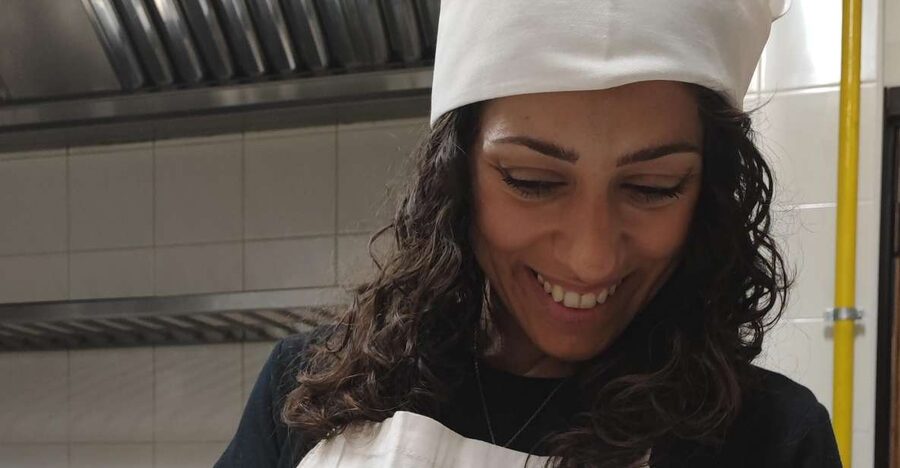
Expect to be active. The way it is described, you wear aprons and hats and you go “chef, not spectator.” That matters because tiramisù is all about timing and texture. If you only watch, you will miss the feel of what the mixture should look like and how to assemble it properly.
A few more Rome tours worth comparing
- Rome: Pasta & Tiramisu Class with Fine Wine by the Vatican
★ 4.9 · 4,852 reviews - Rome: Fettuccine Pasta Cooking Class in Rome’s City Center
★ 4.8 · 2,414 reviews - Rome: Traditional Pasta with Cocktails Cooking Class
★ 5.0 · 2,374 reviews - Become a Masterchef in Rome: Pasta, Ravioli and Tiramisù Class
★ 5.0 · 2,156 reviews
The Hands-On Kitchen Experience: What Small Group Coaching Feels Like
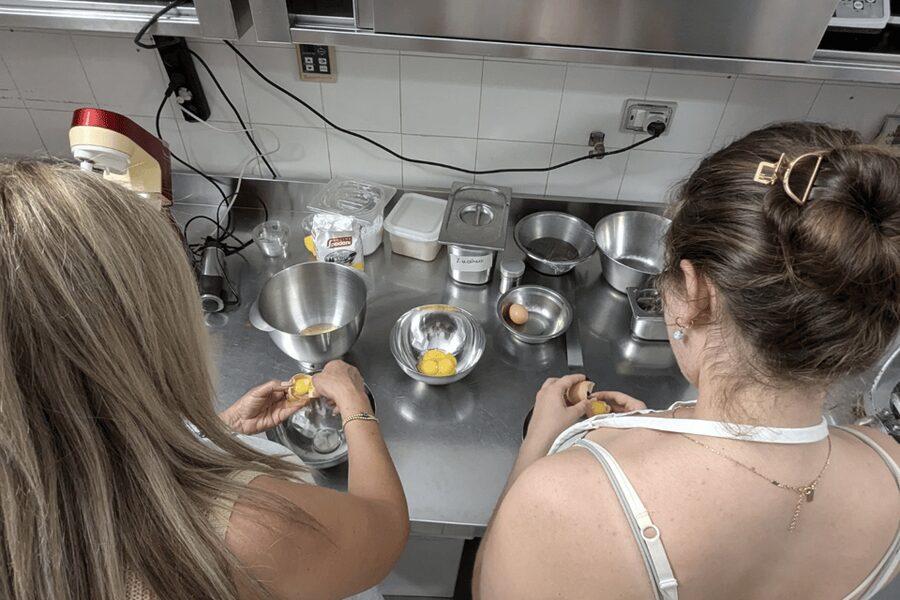
This is a cooking class designed to keep you involved. Included is a professional chef, a small-group tour, and a local guide, plus food tasting. In plain terms: you are going to be working, getting feedback, and still having enough structure to finish with a dessert you can recognize.
In the sessions mentioned by previous instructors, names like Camilla and Federica show up, and they are described as fun, patient, and ready to explain. That kind of teaching style matters in a dessert class, because if you are unsure what “right” looks like, you need someone to slow down and reset you.
You also get practical home-use tips. One of the best things you can get from a class like this is not just the recipe, it is the logic behind it. For tiramisù, that means understanding how biscuits and filling work together. For sorbet, it means understanding why fruit quality and mixing choices matter.
A nice bonus is that participants mention take-home items like a certificate, apron, and recipes. Even if you do not care about the certificate, the recipes are the real value. They make it easier to reproduce the results instead of relying on memory.
Tasting Time: How Your Work Turns Into a Finished Dessert Plate
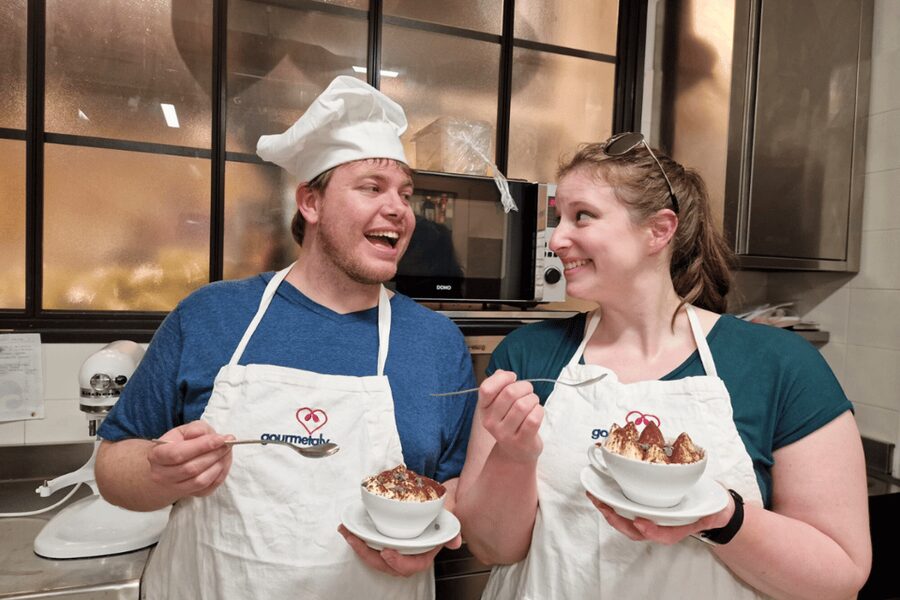
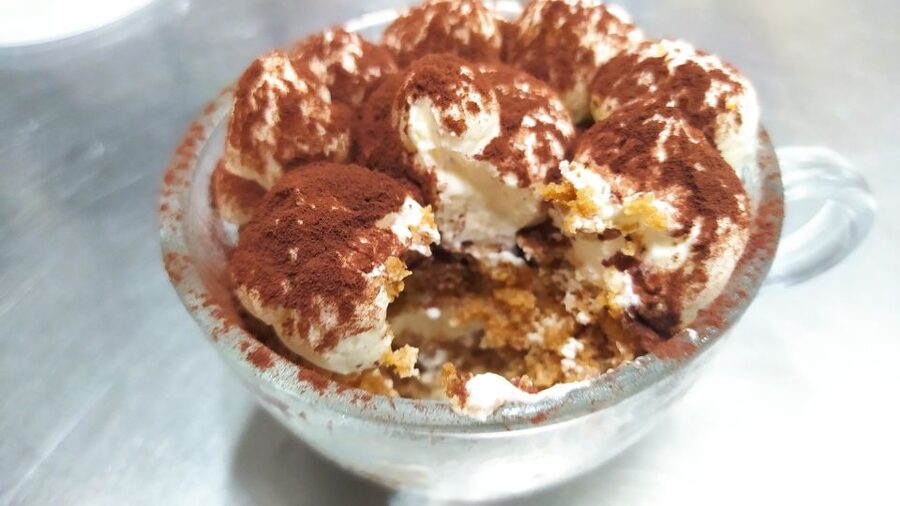
At the end, you get a tiramisù and gelato tasting, plus recipes. This is the moment where you learn whether your technique worked, because you can taste your way to understanding.
Since the class includes both tiramisù and gelato/sorbet, you get a useful comparison. Coffee and creamy sweetness from tiramisù hits differently than the fruit-forward chill of sorbet. That contrast helps you learn what you like and what you might adjust next time, like sweetness level or fruit character.
Also, alcohol-free tiramisù means the flavor profile is more approachable for more people. If you are traveling with friends who dislike alcohol in desserts, you can suggest this class without second-guessing.
Price and Value: Is $80 Worth It in Rome?
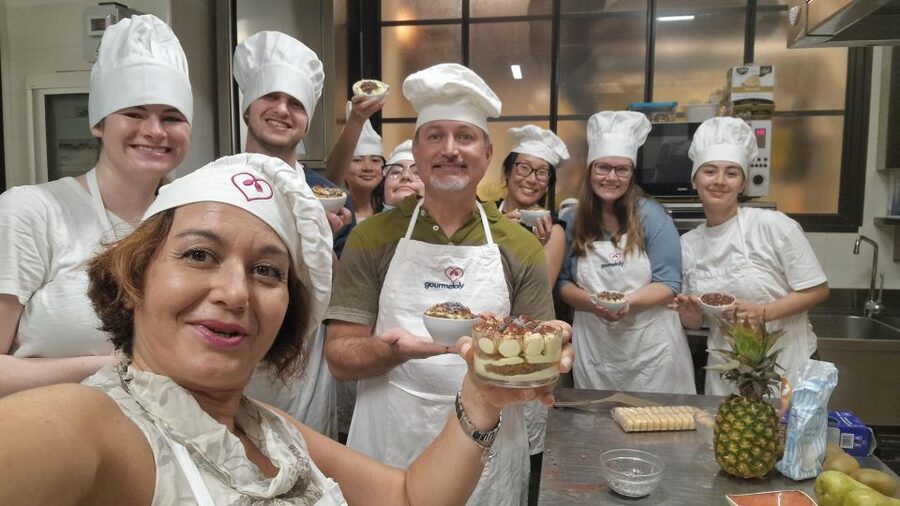
$80 per person for a 2.5-hour class is not cheap, but it is also not just paying for dessert. You are paying for the skill transfer, the professional coaching, and the fact that you go home with recipes and you eat what you make.
Here is how I judge value for this kind of experience:
- If you want only a sweet snack, $80 is tough to justify.
- If you want real technique and recipes you can repeat, the price becomes more fair.
- If you also care about ingredient choices, like quality fruit and organic-style approach, you are buying knowledge that lasts beyond the meal.
The small-group format is a big reason the price makes sense. Dessert is detailed work. When the group is smaller, you are more likely to get feedback when something is not quite right.
If you are budget-minded in Rome, I suggest treating this as your one “splurge” food activity of the week. It is one of those experiences that can turn into a skill you use at home, not just a memory of eating.
Who Should Book This, and Who Should Skip
This experience says it is suitable for everyone, but the fine print lists important exceptions. It is not suitable for children under 3, babies under 1, pregnant women, people with mobility impairments, wheelchair users, people with epilepsy, and it lists vegans and lactose intolerance as not suitable.
At the same time, the sorbet description suggests it is a good option for lactose intolerant and vegan people. That conflict is exactly why I recommend you ask direct questions at booking. If you are gluten or lactose free, the experience says you can request a private class and get a quote. That is the best path if you have dietary needs and want certainty.
If you are comfortable with dairy and eggs, this is a strong fit, especially if you want to learn classic Italian dessert technique without guesswork. It also sounds like a fun family activity for kids old enough, since one review mentions kids enjoying the session, but remember the minimum age rules.
If you are someone who likes learning by doing, this is made for you. If you hate kitchens and just want to snack, you might be happier choosing a food tour or a standalone gelato stop.
Practical Tips for Booking, Timing, and Getting the Best Results
The experience is available daily except Sundays, and the duration is listed as 2.5 hours. English is the language, and it includes a live tour guide, so you can ask questions without playing guessing games.
Because you cannot bring luggage or large bags, plan for a light load. Also, advise any specific dietary requirements at time of booking, so the chef can plan appropriately.
One extra tip: plan to be ready to cook. You will be wearing aprons and hats, but it still helps to arrive on time, with comfortable clothing. Dessert-making can be exacting, and showing up rushed makes it harder to enjoy.
Should You Book This Rome Cooking Class?
Yes, I think you should book it if you want more than a dessert. You want a hands-on method for tiramisù, plus gelato and sorbet technique that explains how ingredient quality and fruit seasonality shape the final taste. The alcohol-free, vegetarian-friendly note is also a plus for mixed groups.
I would pause or ask lots of questions if you are vegan or dealing with lactose intolerance, because the description and the participant rules do not fully match. If you are gluten or lactose free, request the private class option for a quote so you get clarity and the right setup.
If you like practical food skills and you enjoy cooking, this is a solid way to spend part of your Rome day, especially if you want to leave with recipes, not just crumbs.
FAQ
How long is the Rome cooking class?
The class duration is listed as 2.5 hours.
What does the class include?
It includes a professional chef, a small-group tour, food tasting, and a local guide.
What desserts will I learn to make?
You will learn how to make tiramisù and gelato sorbet, and the tiramisù process includes baking the biscuits from the start.
Is the tiramisù alcohol-free?
Yes, the tiramisù is described as alcohol-free.
Is the tiramisù suitable for vegetarians?
Yes, it is described as suitable for vegetarians.
Can I request gluten or lactose free options?
For gluten or lactose free customers, it is possible to request a private class. You need to contact the provider to have a quote.
What is the meeting point?
You meet at the corner with Via Natale del Grande.
What language is the class taught in?
The live tour guide is in English.
Is it suitable for vegans or people with lactose intolerance?
The participant rules state it is not suitable for vegans and not suitable for people with lactose intolerance.
Are there any restrictions on what to bring or who can attend?
Luggage or large bags are not allowed, and unaccompanied minors are not allowed. Children must be accompanied by an adult, and it is not suitable for children under 3 years.
Recently reviewed around Rome
- Rome: Castelli Romani Hop-on and Hop-off Tour★ 4.9 · 32 reviews
- Rome: Food Tour near Vatican City with Wine★ 4.8 · 100 reviews
- Rome: Scavenger Hunt Self-Guided Tour★ 4.6 · 15 reviews
- Hidden Rome: Small Group E-Bike Tour with Street Food Stops★ 4.9 · 144 reviews
- Rome: Highlights Tour in Golf Cart★ 4.9 · 28 reviews
- Rome: Hop-on Hop-off Bus Tour and Colosseum Experience★ 3.4 · 163 reviews
- Rome: Guided Haunted Rome Ghost Tour with Dowsing Rods★ 4.8 · 63 reviews
- Rome: Highlights Photo Shoot for Memorable Moments★ 5.0 · 32 reviews
Cooking Classes, compared.
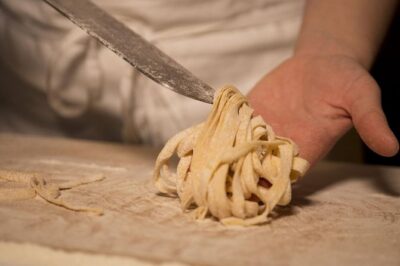
3 in 1 Cooking Class near Navona: Fettuccine, Ravioli & Tiramisu
Read our review →
Pasta Making Class with Wine, Limoncello, and Dessert
Read our review →
3-in-1 Fettuccine, Ravioli, and Tiramisu Cooking Class
Read our review →
Fettuccine Pasta Cooking Class in Rome’s City Center
Read our review →
Traditional Pasta with Cocktails Cooking Class
Read our review →
Fettuccine and Tiramisu Cooking Class with Wine
Read our review →
Pasta Cooking Class Near the Colosseum with 3 Spritz Cocktails
Read our review →
Enjoy Spritz and Pasta Making in Piazza Navona
Read our review →Browse the lists this tour appears in