
Reviewed · COOKING CLASSES
Rome: Cooking Class with a Master Neapolitan Pizzaiolo
If you want Rome, but also want to do something with your hands, this Neapolitan pizzaiolo lesson is a great fit. You’ll knead and stretch fresh dough, then bake your own pie in a real wood-fired oven. The best part is you leave with something you actually made, not just a plate to watch being assembled.
Two things I really like: the class is hands-on from dough prep to baking, and the tasting comes right after, paired with a glass of local wine or a craft beer. One thing to consider: the whole experience is only 1 hour, so it’s a fun introduction, not a long deep-dive into multiple pizza styles.
Key things you’ll remember
- English and Italian instruction, so you can follow the process without guessing
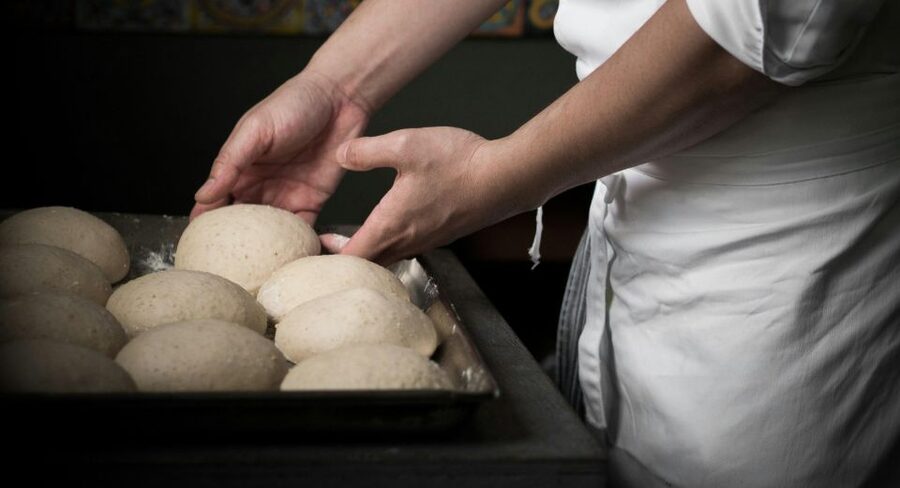
- Kneading and stretching the dough, with expert guidance
- Wood-fired oven baking, followed by a tasting of your own pizza
- Beverages included, one glass of local wine or craft beer
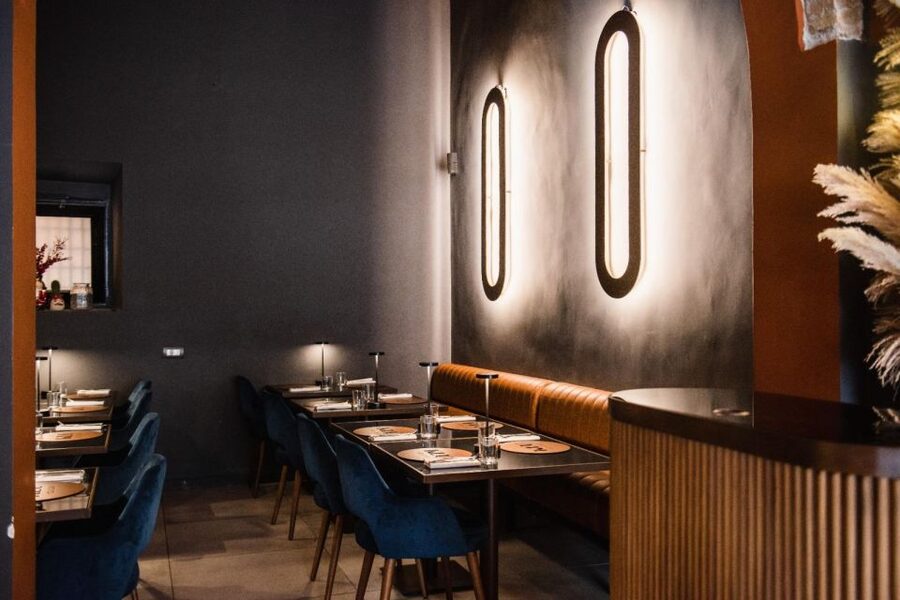
- A cozy pizzeria in central Rome, with a lively atmosphere and easy socializing
- Skip-the-line entry via a separate entrance
A 1-Hour Neapolitan Pizza Lesson in Central Rome
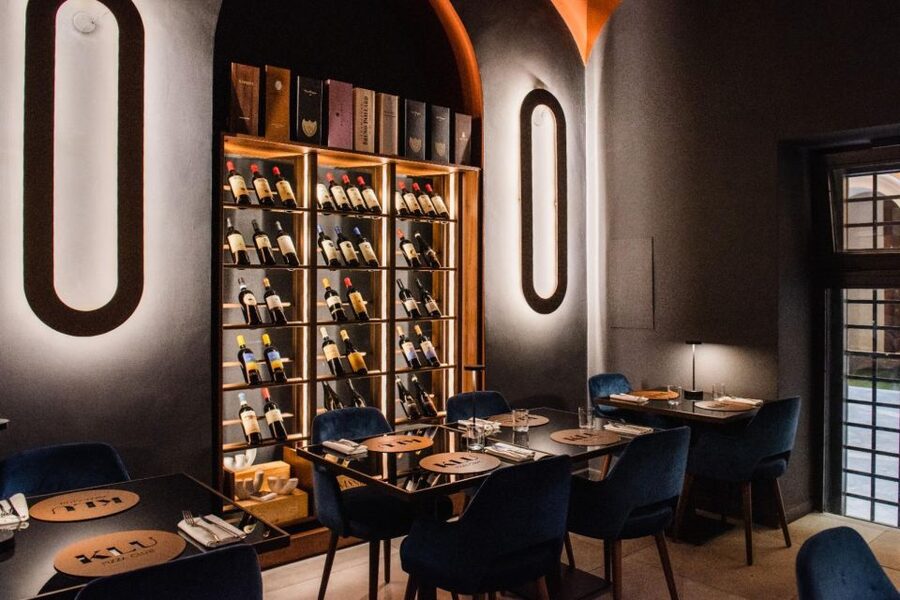
This is the kind of Rome experience that hits the sweet spot: it’s practical, local, and you get to participate the whole time. You meet in front of a pizzeria in the center of Rome, and you’re welcomed by the Neapolitan chef leading the session. From there, it’s a straightforward rhythm, learn a technique, do the technique, and then enjoy the result.
Because the class is short, it works best when you want a focused food activity rather than a full half-day plan. You still get the core skills people talk about when they talk about Neapolitan pizza: how the dough should feel, how you handle it, and how baking in a wood-fired oven changes the final bite. You’ll also learn the history and traditions behind the dish, so you understand why these ingredients and methods matter.
The setting is part of the charm. You’re in a cozy, lively pizzeria atmosphere, not a sterile demo kitchen. That matters because pizza-making is sensory, flour dust in the air, yeast smell, and the oven’s heat. You’ll feel like you’re stepping into how locals spend an evening with food, not just watching a show.
More cooking classes in Rome:
- 3 in 1 Cooking Class near Navona: Fettuccine, Ravioli & Tiramisu
★ 5.0 · 7,376 reviews - Rome: Pasta Making Class with Wine, Limoncello, and Dessert
★ 4.9 · 3,177 reviews - Rome: 3-in-1 Fettuccine, Ravioli, and Tiramisu Cooking Class
★ 4.9 · 2,704 reviews
Meet the Chef, Then Get to Work in a Real Pizzeria
The meeting point is simple: you go to the pizzeria entrance, and the team meets you there. You’ll start by getting settled into the space and getting a warm welcome from the Neapolitan chef. If you’re traveling with a mixed group, this kind of setup is helpful because you can quickly switch from hello to hands-on work.
You’ll also appreciate one detail that saves time: there’s a separate entrance that lets you skip the line. In Rome, that little shortcut is practical. It means less waiting around, more time learning and eating while the oven is hot.
The instruction is offered in English and Italian. That’s a real plus, especially if you’re not fluent in Italian. Clear instruction helps you do the steps right the first time, and pizza is one of those foods where small handling differences show up fast.
You’ll use professional equipment and fresh ingredients throughout. The class is designed so you’re not just making dough in theory, you’re working with the same kind of gear a pizzaiolo would use, and you get guidance as you knead and stretch.
Kneading and Stretching Dough: The Skill That Changes Everything
This is the centerpiece of the lesson. You’ll knead the soft, fragrant dough, then stretch it with skill and precision. Even if you’ve never done dough work before, the process is learnable in a short session because the instructor can correct your hand position and feel.
Why kneading matters: dough is not just something you mix. It develops texture through work time and gentle handling. If you handle it too roughly, it won’t behave when you stretch it later. If you handle it too lightly, it may not reach the right elasticity. The class format makes this practical, because you can feel the difference as you go.
Stretching is the next trick. Instead of rolling like pizza dough at home, you learn how to shape it more carefully so you keep the right thickness and structure. This is where many people realize pizza dough is more like dough you nurture than dough you force.
A nice bonus is that you’re not doing this alone. You’re in a small, friendly environment where you can share the table, ask questions, and compare notes. One of the best parts of the reviews is how well the instruction lands in a relaxed way, with staff that stay friendly while you learn. If you’re traveling with kids or new cooks, this kind of calm, step-by-step approach can turn pizza into a family story, not a stressful chore.
Ingredients, Traditions, and Why Neapolitan Pizza Is Its Own Thing
You’re not just making a meal. You’re learning the logic behind the meal. During the class, you get guidance on the history and traditions of Italian pizza, plus the importance of fresh, high-quality ingredients.
That ingredient focus matters because it changes how you think about what you’re eating later. Instead of seeing pizza as toppings on bread, you start seeing it as dough, heat, and ingredients working together. Neapolitan pizza is famous for a specific balance, and that balance is tied to the quality of what goes on top.
In this class, you’ll get a selection of fresh ingredients and you’ll use what’s provided. You’re also told what to prioritize, so you don’t have to improvise. That’s helpful if you’re the type who enjoys cooking but freezes when you’re given a blank bowl and no plan.
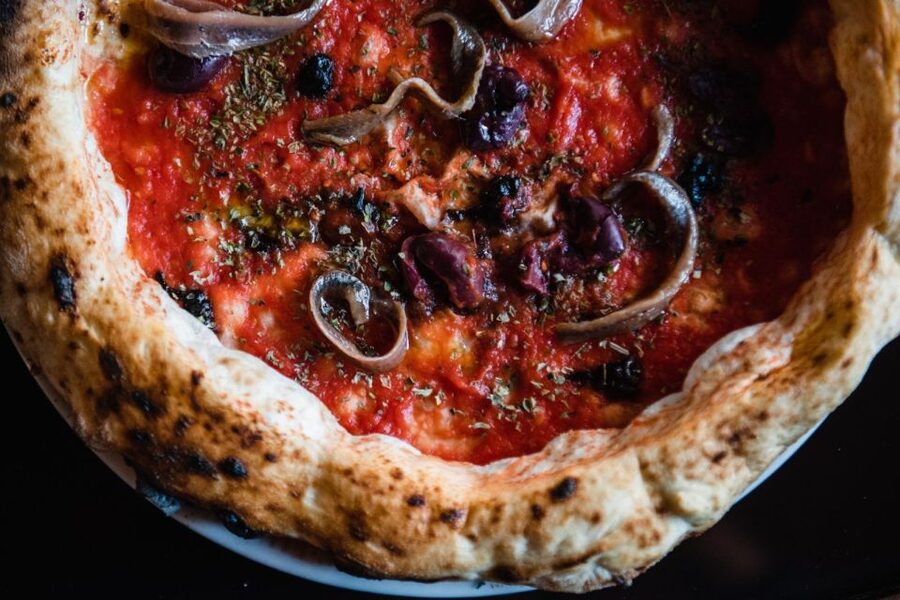
The traditions lesson also gives context for the wood-fired baking. Neapolitan pizza has a reputation for blistered crust and a tender center, and the oven is part of the reason. When you learn why the method matters, you appreciate the tasting more instead of just eating quickly and moving on.
A few more Rome tours worth comparing
- Rome: Pasta & Tiramisu Class with Fine Wine by the Vatican
★ 4.9 · 4,852 reviews - Rome: Fettuccine Pasta Cooking Class in Rome’s City Center
★ 4.8 · 2,414 reviews - Rome: Traditional Pasta with Cocktails Cooking Class
★ 5.0 · 2,374 reviews - Become a Masterchef in Rome: Pasta, Ravioli and Tiramisù Class
★ 5.0 · 2,156 reviews
Baking in the Wood-Fired Oven, Then Tasting Your Own Pizza
This is where the session gets real. Your pizza goes into a traditional wood-fired oven, and you get to taste it shortly after it comes out.
That wood-fired step is important for two reasons. First, it cooks quickly, which helps create the classic crust texture. Second, the oven environment affects flavor and aroma in a way a standard home oven usually can’t replicate. You’ll smell the difference before you see the finish.
After baking, you’ll taste the pizza you made. That might sound obvious, but it’s actually one of the best parts of the whole experience. You get the satisfaction of doing it yourself, then having someone else handle timing and oven know-how so the result is edible and enjoyable.
To keep things social and relaxed, you’ll have a drink with your meal. You can choose one glass of local wine or a craft beer included in the experience. That makes it easier to linger, chat, and share what you did well, plus what you’d do differently next time.
Skip the Line, Socialize, and Enjoy a Local-Feeling Meal
This class isn’t set up like a lecture. The pizzeria atmosphere is described as cozy and lively, and that fits how the experience is meant to work. You’ll have a chance to socialize with other participants, share the process, and compare your dough-handling style.
And you’re not stuck in a corner. The experience includes a professional kitchen and equipment, so you’re close enough to the action to understand what’s happening. The instructors guide you through the steps, and because the class uses professional tools and fresh ingredients, you don’t have to worry that you’re getting a watered-down version of pizza-making.
One of the most consistently praised aspects is the friendly, clear teaching. People also mention the restaurant itself as lovely, and the pizza as excellent. That combination matters. In a good cooking class, the instruction is clear, but the setting and final product also deliver.
The skip-the-line entrance detail also helps the flow. Instead of arriving, waiting, then racing to keep up, you start quickly and stay engaged. It’s a small thing that makes the experience feel smoother.
Price and Value: Is $52 Worth It in Rome?
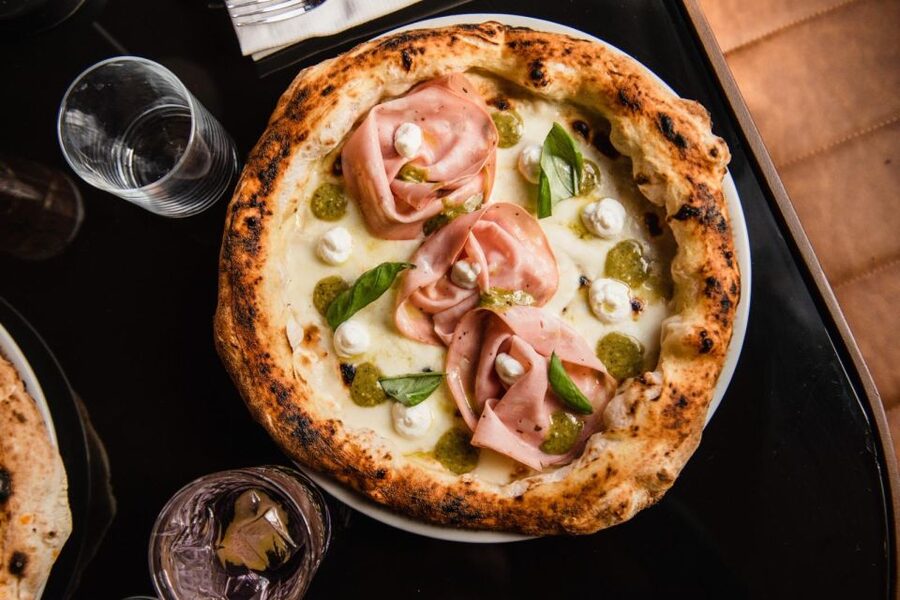
At $52 per person for about one hour, you’re paying for four things: instruction from a pizza expert, use of professional equipment, fresh ingredients and baking, and a tasting with a drink included.
If you compare it to the cost of buying pizza plus drinks in a central area, it’s not wildly out of range. But the real value is the skill and confidence you take home. You’re learning kneading and stretching dough, which you can use again later if you want to try making pizza at home.
Also, the class includes professional guidance and a structured experience. That means you’re not paying for a vague cooking session where you might not learn anything practical. In a short format, it matters that you get the right steps, not just a fun night out.
For me, $52 makes sense when you want a hands-on food activity that feels local. If you only want to eat pizza and you’re already comfortable cooking, you might prefer to spend less time and money at a restaurant. But if you like learning by doing, this is a good use of your Rome time.
Who This Pizza Class Suits Best (And Who Might Skip It)
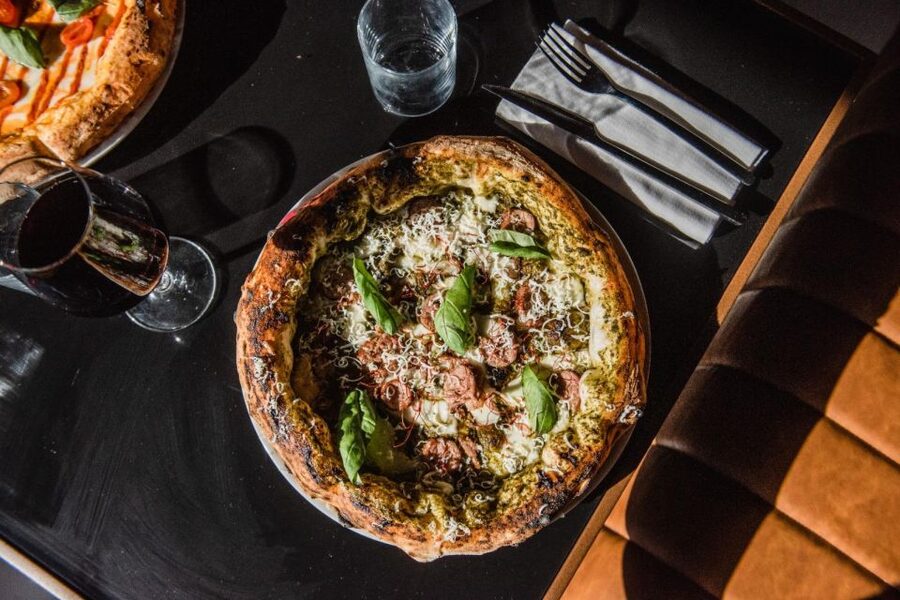
You’ll likely enjoy this class if you:
- Want a practical food experience in Rome, not just sightseeing
- Like hands-on activities, especially learning a specific cooking technique
- Enjoy meeting other travelers in a relaxed setting
- Care about quality ingredients and you want context for what you’re eating
It’s also a strong pick if you’re traveling with kids or a mixed group, because the vibe is friendly and the instruction can include support in English and Italian. Reviews mention a translator who helped make the experience smooth for families, which is exactly what you want when you’re juggling different comfort levels.
You might skip it if:
- You want a longer class with multiple pizza styles or a deeper multi-hour cooking program
- You’re not interested in dough work, because kneading and stretching are central to the experience
One more practical note: you should be ready to get a bit messy. Wear clothes that can get dirty.
Should You Book This Rome Pizza Class?
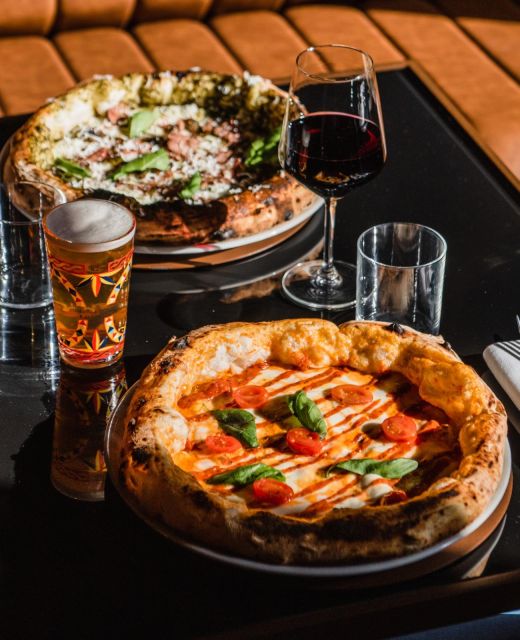
Yes, if your goal is a fun, hands-on Rome food moment with real technique and a delicious payoff. The combination of expert instruction, wood-fired baking, and a tasting paired with local wine or craft beer is hard to beat for a short time slot.
Book it especially if you like learning by doing and you want something more memorable than a normal meal. Just go in with the right mindset: it’s one hour, so focus on absorbing the kneading and stretching skills, enjoy your own pizza fresh from the oven, and plan to wear clothes you do not mind getting flour on.
FAQ
How long is the Rome cooking class?
The activity lasts 1 hour.
What does the class cost?
The price is $52.00 per person.
Where do we meet, and how does the activity end?
You meet in front of the pizzeria. The activity ends back at the meeting point.
What languages are used during the class?
The instructor speaks English and Italian.
What should I wear?
Wear comfortable clothes that you don’t mind getting a bit dirty.
Are vegetarian options available?
Yes, vegetarian options are available. You should notify the provider in advance if you need vegetarian.
What is included in the pizza tasting and drinks?
You’ll taste freshly prepared pizza. Beverages included are one glass of local wine or a craft beer.
Is the class wheelchair accessible?
The activity is wheelchair accessible.
My final pick
If you want a Rome experience that’s both practical and genuinely enjoyable, this is a smart booking. You’ll learn the core hands-on steps, bake your own Neapolitan pizza in a wood-fired oven, and eat it right away with a drink included. That’s excellent value for an hour.
Recently reviewed around Rome
- Rome: Castelli Romani Hop-on and Hop-off Tour★ 4.9 · 32 reviews
- Rome: Food Tour near Vatican City with Wine★ 4.8 · 100 reviews
- Rome: Scavenger Hunt Self-Guided Tour★ 4.6 · 15 reviews
- Hidden Rome: Small Group E-Bike Tour with Street Food Stops★ 4.9 · 144 reviews
- Rome: Highlights Tour in Golf Cart★ 4.9 · 28 reviews
- Rome: Hop-on Hop-off Bus Tour and Colosseum Experience★ 3.4 · 163 reviews
- Rome: Guided Haunted Rome Ghost Tour with Dowsing Rods★ 4.8 · 63 reviews
- Rome: Highlights Photo Shoot for Memorable Moments★ 5.0 · 32 reviews
Cooking Classes, compared.
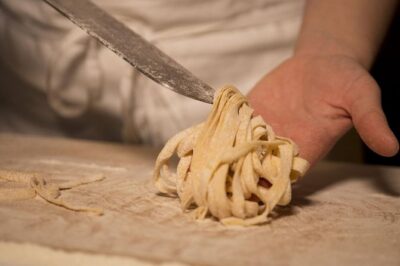
3 in 1 Cooking Class near Navona: Fettuccine, Ravioli & Tiramisu
Read our review →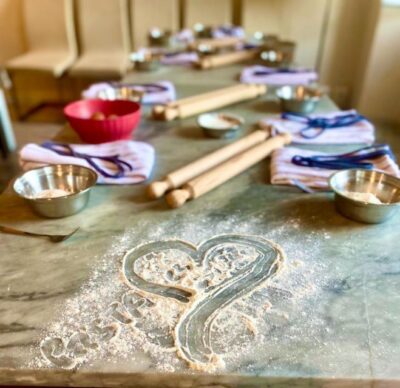
Pasta Making Class with Wine, Limoncello, and Dessert
Read our review →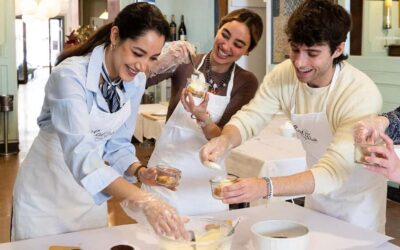
3-in-1 Fettuccine, Ravioli, and Tiramisu Cooking Class
Read our review →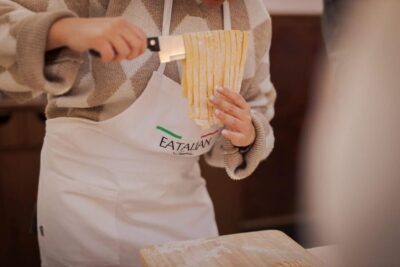
Fettuccine Pasta Cooking Class in Rome’s City Center
Read our review →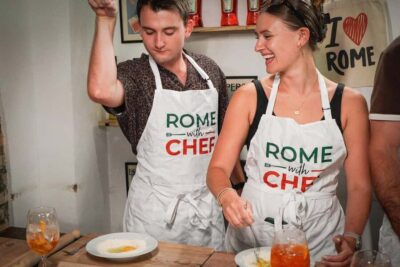
Traditional Pasta with Cocktails Cooking Class
Read our review →
Fettuccine and Tiramisu Cooking Class with Wine
Read our review →
Pasta Cooking Class Near the Colosseum with 3 Spritz Cocktails
Read our review →
Enjoy Spritz and Pasta Making in Piazza Navona
Read our review →Browse the lists this tour appears in