
Reviewed · CATACOMBS TOURS
Rome: Catacombs of Domitilla Entry Ticket & Guided Tour
Catacombs of Domitilla make a great contrast to Rome’s postcard crowds, because you’re going 16km below the street noise into an underground cemetery. I love that it runs with a small group and stays limited to 10 participants, so the guide can actually answer questions.
I also love how the tour connects the site to the big religious and cultural shift underground, from a pagan hypogeum into a Christian complex. One drawback to plan for: no photography is allowed inside, so you’ll have to rely on your eyes, not your camera.
Key highlights you should care about
- A true small-group guided walk with a live guide in Italian or English
- Flavians section first, where older pagan burial spaces became Christian over time
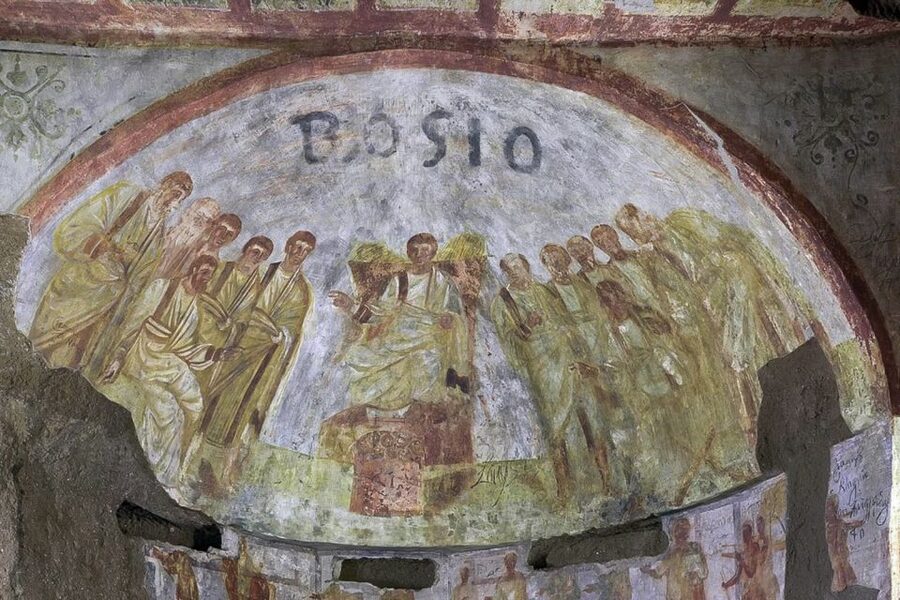
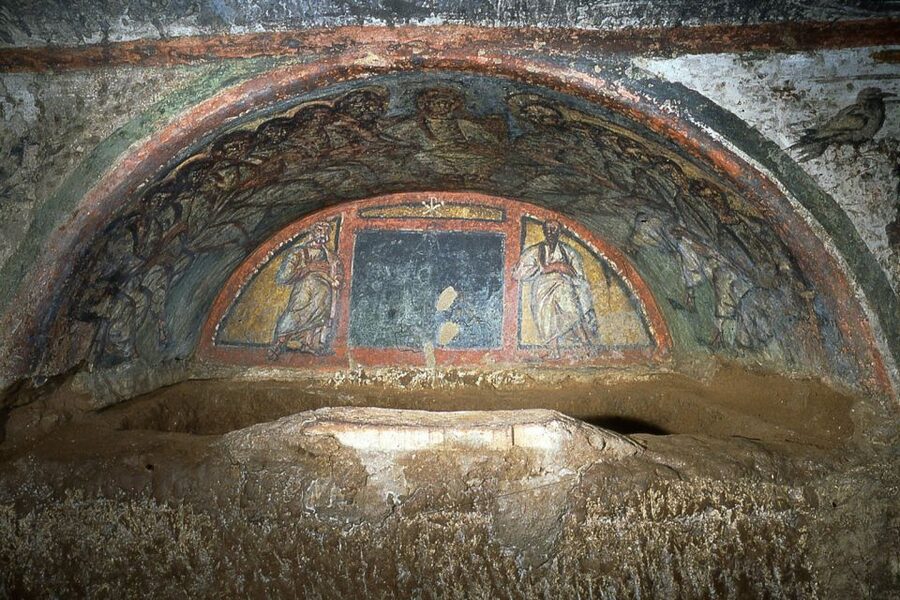
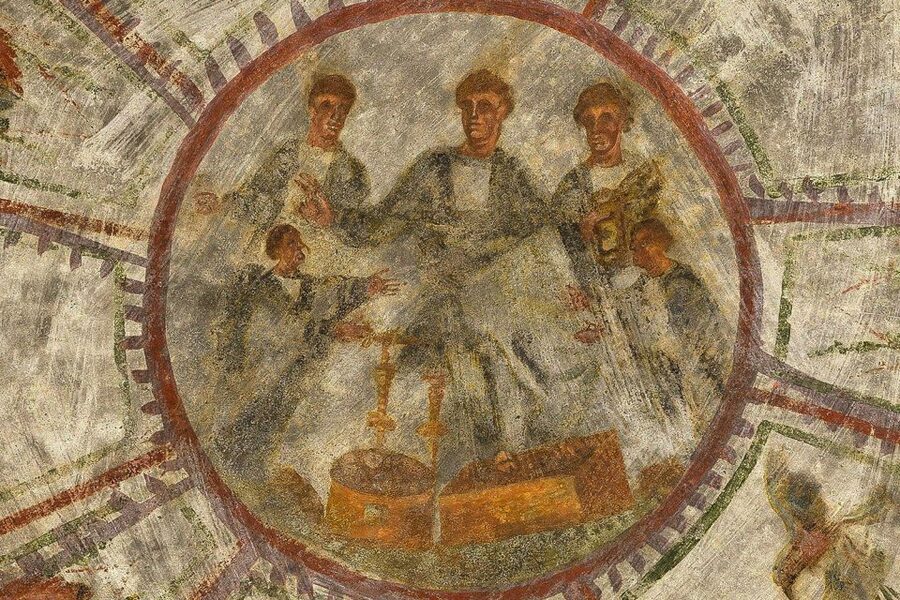
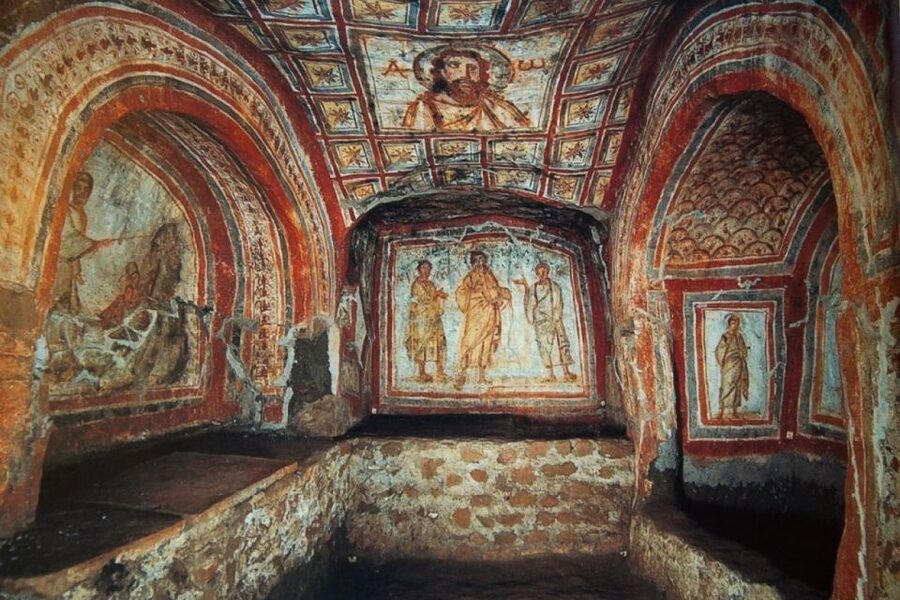
- Frescoes with both pagan and Christian elements, not one bland timeline
- Martyrs Nereus and Achilleus and the crypt/basilica story tied to Pope Damasus and Pope Siricius
- A focus on restoration, including how fragile the art and surfaces are below ground
- A compact 30-minute format, which is ideal when you want something intense, not long
Domitilla Catacombs: a major underground cemetery off via delle Sette Chiese
The Catacombs of Domitilla sit on via delle Sette Chiese, and they’re known as one of the larger underground cemeteries in Rome. If you’ve already visited big, above-ground sights, this is the kind of experience that changes the scale. Everything feels closer to the ground, colder, and more personal.
What makes Domitilla especially interesting is that it isn’t just one era frozen in time. It’s a layered burial landscape tied to influential people and shifting beliefs, starting with burial grounds linked to Flavia Domitilla and later expanding into a Christian setting. You can sense the “before” and “after” through the spaces and the art you’re shown.
More catacombs and crypts under Rome:
- Rome: Crypts and Catacombs Underground Tour with Transfers
★ 4.6 · 5,341 reviews - The Original Roman Crypts and Catacombs Tour with Transfers
★ 4.5 · 4,896 reviews - Rome: Catacombs of St. Callixtus Entry Ticket & Guided Tour
★ 4.6 · 3,037 reviews
The 30-minute guided tour flow, and how to get the most out of it
This is a guided experience designed to be short, focused, and structured, lasting about 30 minutes. The group is limited to 10 people, and the guide leads the walk in Italian or English, so you’re not listening to a rushed audio script while everyone crowds a single spot.
You’ll want to show up in time. The instruction is clear: go directly to the ticket office of the catacomb and show your reservation at least 10 minutes before the scheduled tour time. Underground places have their own rhythm, so arriving late can shrink what you get to see before the group moves on.
What you can expect, in practical terms, is a walk through a set of chambers connected by the catacomb’s network. You’ll also get context while you’re down there, not just a dry history lecture after the fact. For many people, the real payoff is the guide’s ability to explain what you’re standing next to, and why restoration matters in a place like this.
Descending to the Flavians Hypogeum: where pagan burial became Christian
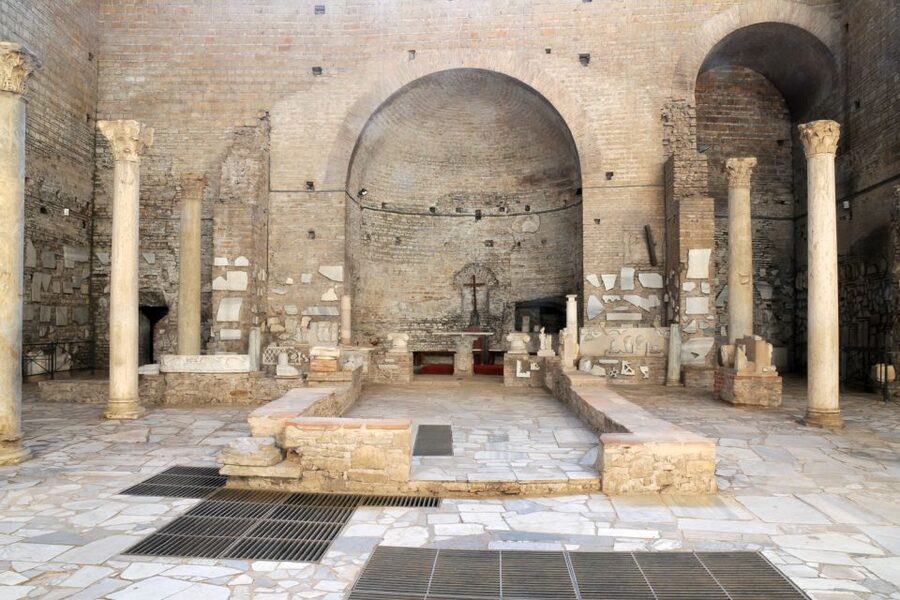
The tour centers on the catacomb’s two main levels, and the starting point you’ll hear about is often the Hypogeum of the Flavians. This section is tied to an area once believed to relate to the Christian members of the Flavia Domitilla family. It’s also where the timeline gets fascinating, because the older structure wasn’t originally Christian.
The hypogeum includes a pagan burial hypogeum dating roughly between the end of the 2nd century and the beginning of the 3rd century. Over time, the space became Christian, with expansion happening in the mid 3rd century. That means what you see isn’t a single-story museum piece, but the physical result of reuse, growth, and changing meaning.
One detail you might especially enjoy is the way scholars entered the conversation. Giovanni Battista de Rossi is mentioned for his belief that he could identify the tombs of Christian family members of Flavia Domitilla. Even if you don’t study Roman archaeology, hearing that name helps you understand that catacombs like this were not always “known” in a simple way, they were interpreted and reinterpreted.
Frescoes with pagan and Christian mixes, and why the guide’s reading matters
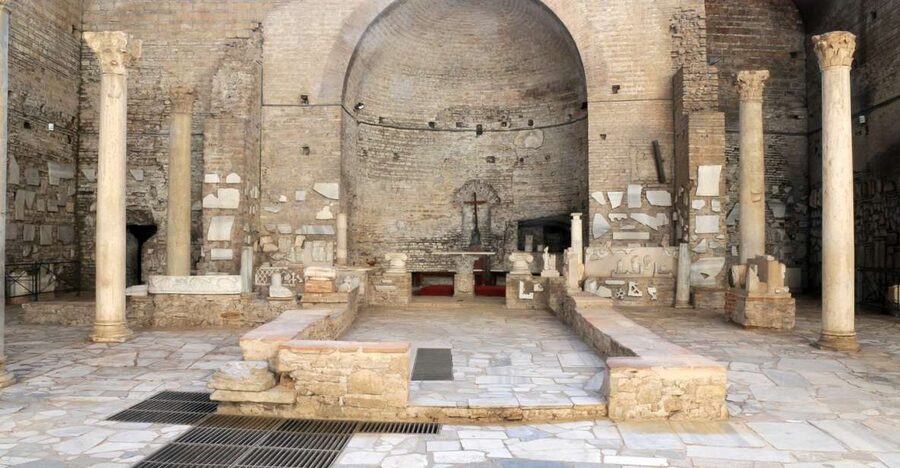
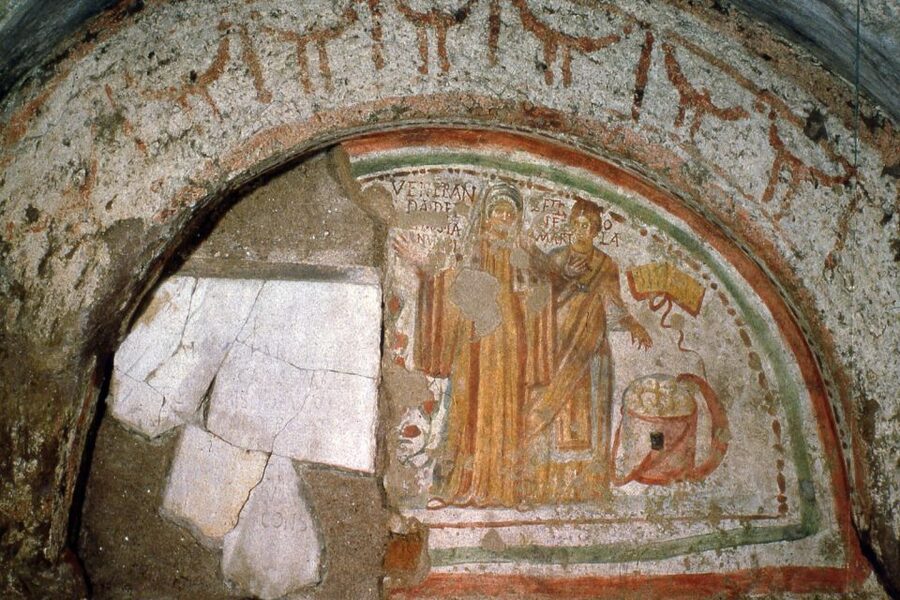
A big draw of Domitilla is the unique visual blend that comes with the site’s layered history. You’ll see a mix of pagan and Christian frescoes, which is a memorable way to understand that early Rome’s religious world didn’t switch overnight.
The guide also helps you connect the art to function, not just style. Burial space here wasn’t just a location for the dead, it was treated as something sacred for the communities honoring Christian martyrs. That sacred context is part of the “chilling aura” you get, because it’s not designed to feel like a theme park. It’s underground, close to stone, and historically serious.
And because the setting is fragile, restoration becomes part of the story. The tour includes what the guide can explain about the delicate restoration process. That matters for you as a visitor because it explains why things look the way they do today, and why the site needs careful handling to preserve frescoes and surfaces that can be damaged easily.
A few more Rome tours worth comparing
- Rome:Hop-On Hop-Off Panoramic Open Bus Ticket 3 Circuits x 1
★ 4.0 · 15,405 reviews - Vatican Museums & Sistine Chapel Skip-the-Line Entry Ticket
★ 4.4 · 13,838 reviews - Vatican Museums & Sistine Chapel Skip-the-Ticket-Line Tour
★ 4.3 · 10,486 reviews - Rome: St. Peter’s Basilica & Dome Entry Ticket & Audio Tour
★ 4.2 · 7,537 reviews
The martyrs’ crypt: Nereus and Achilleus, plus Pope Damasus and Pope Siricius
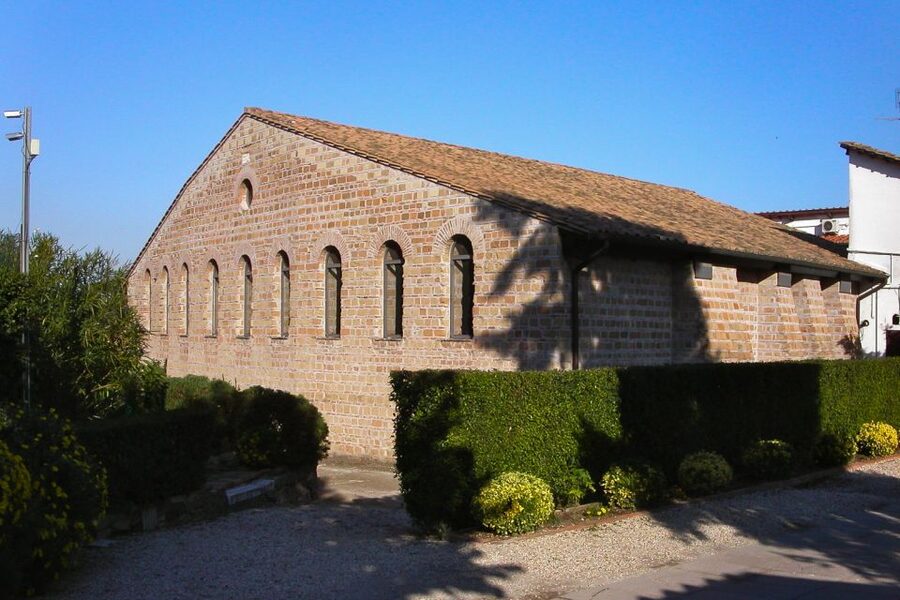
As the catacomb story moves forward, you get to the moment when martyrs’ remains enter the narrative. Late in the 3rd century, the bodies of Nereus and Achilleus were placed in a crypt on the second floor.
Then the site becomes even more defined by church leadership. Pope Damasus (366-384) transformed this crypt into a small basilica. Later, Pope Siricius, between 390 and 395, enlarged it to reach the size it has today.
This is one of the most valuable parts of the experience because it turns the catacombs from “old underground rooms” into “a place with institutional religious significance.” You’re not just seeing age, you’re seeing how the church built meaning around specific sacred people and spaces.
If you pay attention to the order of events the guide lays out, the architecture starts to feel logical. Smaller spaces and later expansions make more sense when you know what changed, when it changed, and what the community was trying to accomplish underground.
The chamber network experience: more architecture than you expect in 30 minutes
Domitilla is described as having a vast network of chambers, and even in a 30-minute tour, it can feel like you’re moving through a real system rather than a single straight hallway. The built layout is masterful, with rooms that connect and then shift as the levels and periods change.
One thing I’d watch for is how your own sense of orientation can get weird underground. That’s normal. The best way to handle it is to treat the guide as your compass, not just a narrator. When the guide points out what section you’re in, take it seriously. It’s often the difference between seeing a cool room and understanding why the room mattered.
Also, keep your expectations realistic: not every corner is meant for visitors. You’ll likely see a portion of the catacombs, but the portion you access is chosen to give you the core story, including the basilica area tied to the later period.
Practical tips: comfortable clothes, no photos, and getting there on time
This tour is straightforward, but the details affect comfort. Wear comfortable clothes. You’re underground, and even if you don’t know the temperature in advance, you’ll be glad you aren’t dressed for a summer promenade.
Photography is not allowed inside. This is a key point for your planning, because if you love documenting every stop, you’ll have to shift your goal. Use your phone to read what you can before entering, then focus on visual memory during the walk.
Mobility is another practical consideration. The tour is not suitable for people with mobility impairments and not suitable for wheelchair users. If walking distances and uneven underground surfaces are concerns for you, plan a different Rome experience.
Finally, transportation can be tricky in Rome, especially if you’re trying to arrive exactly on the minute. The best move is simple: arrive early enough to handle whatever comes up on your route. The tour instruction is to check in at least 10 minutes before the scheduled time, so build in a buffer.
Price and value: is $16 worth it for 30 minutes underground?
At $16 per person, the price is on the budget-friendly side for a guided underground experience. For me, the value comes from two things you actually get with your ticket: a live guide and entrance fees included. That removes the common headache of paying separately and then still not getting context.
The 30-minute length also helps the value equation. You get to see and learn something intense, without committing to a half-day detour. If you’re fitting catacombs into a packed Roman itinerary, this format is often the sweet spot.
The main tradeoff is the short duration plus the no-photo rule. You can’t build a personal library of images the way you might in other museums, so the tour has to land on the spot in your mind. If you’re the type who enjoys history when someone explains it in plain language, the guide time is exactly what you’re paying for.
Who should book Domitilla, and who should skip it
This is a strong fit if you want something different from Rome’s typical galleries and monuments, and you like when the story includes names and dates, like Flavia Domitilla, Nereus and Achilleus, Pope Damasus, and Pope Siricius. The small group size also makes it feel more personal, especially if you like asking questions.
You might skip it if photography matters more to you than memory. You should also skip if mobility or wheelchair access is an issue, since the tour is not suitable for those needs.
It also suits you if you enjoy restoration and art preservation as a topic. The guide’s explanation of the delicate restoration process adds depth that you do not get from a plain walk-through.
Should you book this catacombs tour?
Book it if you want a compact, guided underground history stop that actually explains what you’re seeing, and you’re comfortable with the fact that no photos are allowed inside. The $16 price, short length, and guide-led focus make it a practical add-on when your Rome days are packed.
Skip it if you need wheelchair-friendly access, or if you plan your trip around taking lots of pictures. Otherwise, Domitilla is the kind of Rome experience that rewards attention, not speed.
FAQ
How long is the Catacombs of Domitilla entry ticket and guided tour?
The guided tour lasts about 30 minutes.
What is included in the ticket price?
The ticket includes a tour guide and entrance fees.
Where do I meet for the tour?
Go directly to the ticket office of the catacomb and show your reservation.
How early should I arrive before the scheduled tour?
Show your reservation at least 10 minutes before the scheduled tour time.
Which languages are available for the guided tour?
The live tour guide is available in Italian and English.
Is photography allowed inside the catacombs?
No, photography is not allowed inside.
Is the tour suitable for wheelchair users or mobility impairments?
No, it is not suitable for people with mobility impairments or for wheelchair users.
Recently reviewed around Rome
- Rome: Castelli Romani Hop-on and Hop-off Tour★ 4.9 · 32 reviews
- Rome: Food Tour near Vatican City with Wine★ 4.8 · 100 reviews
- Rome: Scavenger Hunt Self-Guided Tour★ 4.6 · 15 reviews
- Hidden Rome: Small Group E-Bike Tour with Street Food Stops★ 4.9 · 144 reviews
- Rome: Highlights Tour in Golf Cart★ 4.9 · 28 reviews
- Rome: Hop-on Hop-off Bus Tour and Colosseum Experience★ 3.4 · 163 reviews
- Rome: Guided Haunted Rome Ghost Tour with Dowsing Rods★ 4.8 · 63 reviews
- Rome: Highlights Photo Shoot for Memorable Moments★ 5.0 · 32 reviews
Catacombs Tours, compared.
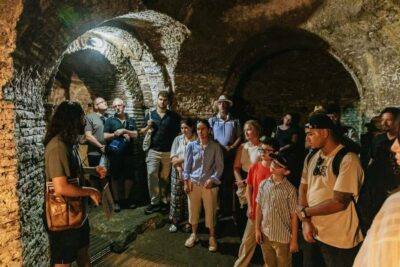
Crypts and Catacombs Underground Tour with Transfers
Read our review →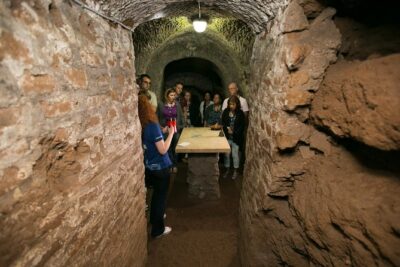
The Original Roman Crypts and Catacombs Tour with Transfers
Read our review →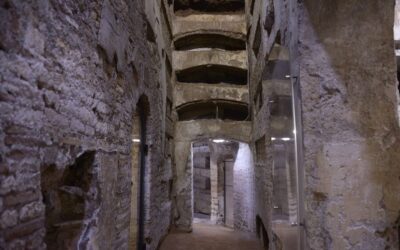
Catacombs of St. Callixtus Entry Ticket & Guided Tour
Read our review →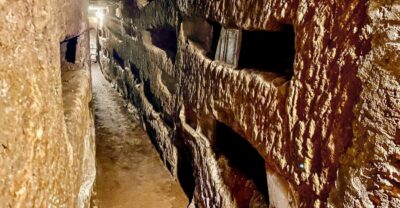

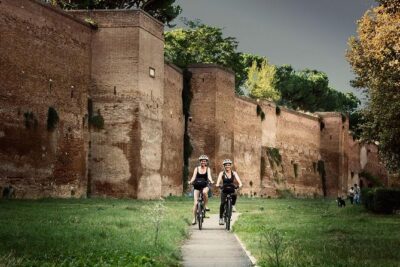
Rome EBike Tour: Appian Way, Catacombs & Roman Aqueducts
Read our review →
Catacombs and Capuchin Crypt Guided Tour with Transfer
Read our review →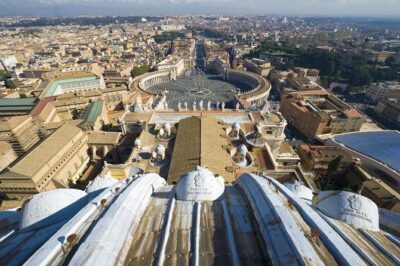
St. Peter’s Basilica Priority Access Tour with Dome & Crypt
Read our review →Browse the lists this tour appears in