
Reviewed · CATACOMBS TOURS
Rome: Catacombs of St. Callixtus Entry Ticket & Guided Tour
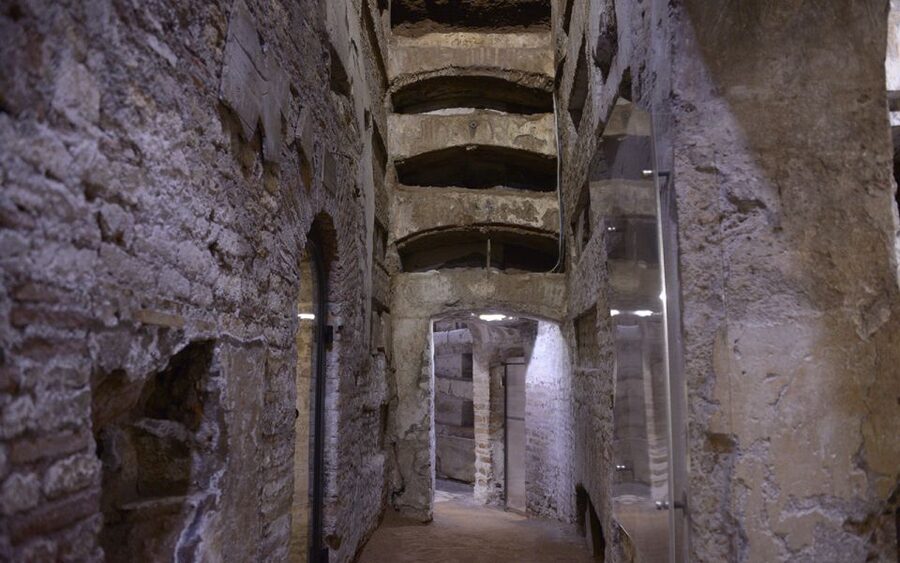
Rome’s underground world is one of those rare places where the city feels older than your expectations. Here, you walk into the Christian catacombs beneath the Appian Way and see burial spaces tied to early Rome. I love two things most: the chance to stand in the Crypt of the Popes and the way a live guide puts names and beliefs into context. One caution up front, this is underground and tight in places, so it is not suitable for claustrophobia.
The tour is short, about 30 minutes, but it’s tightly organized around the moments that matter: the oldest official cemetery of the early Christian community, the crypts, and some of the oldest frescoes. Guides you might meet include Arishba, Comfort, Sam, Francesca, and even priests such as Fr Peter and Don Sam, and the tone tends to be respectful, with time for questions when the group is done.
Logistics are the real make-or-break. You need to go straight to the ticket office and show your voucher at least 10 minutes early, and the site is out beyond the central sights. If you are even a little unsure, build in extra time before your scheduled start so you are not rushing down to the underground entrance.
Key things you should know before you go
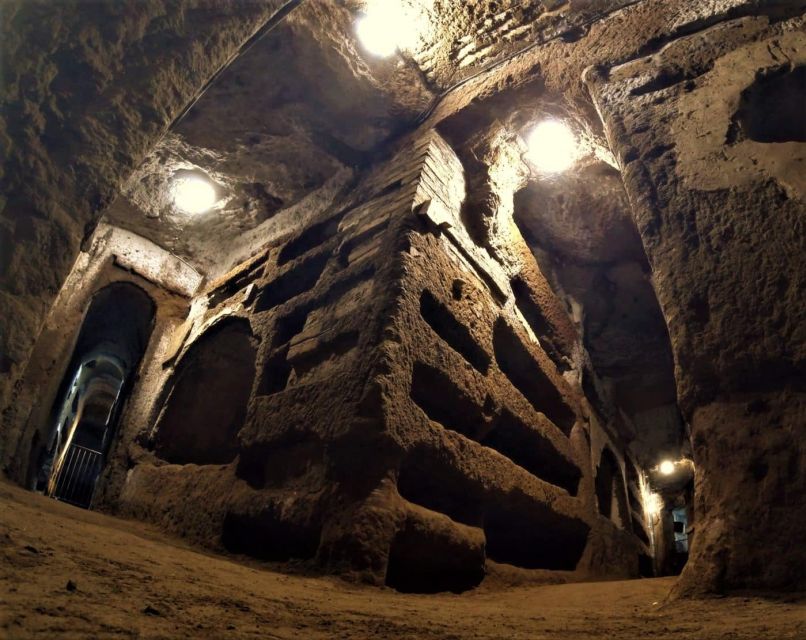
- Crypt of the Popes: See the resting place of 9 popes and 3 bishops.
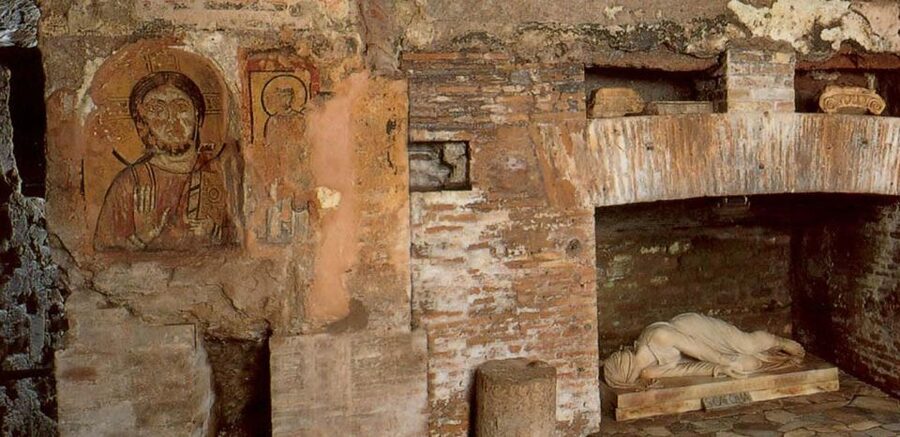
- Crypt of St. Cecilia: Learn how a Roman matron, St. Cecilia, is linked to martyrs receiving proper burial.
- Built for early Christians: This is tied to an estimated half a million Christians laid to rest here.
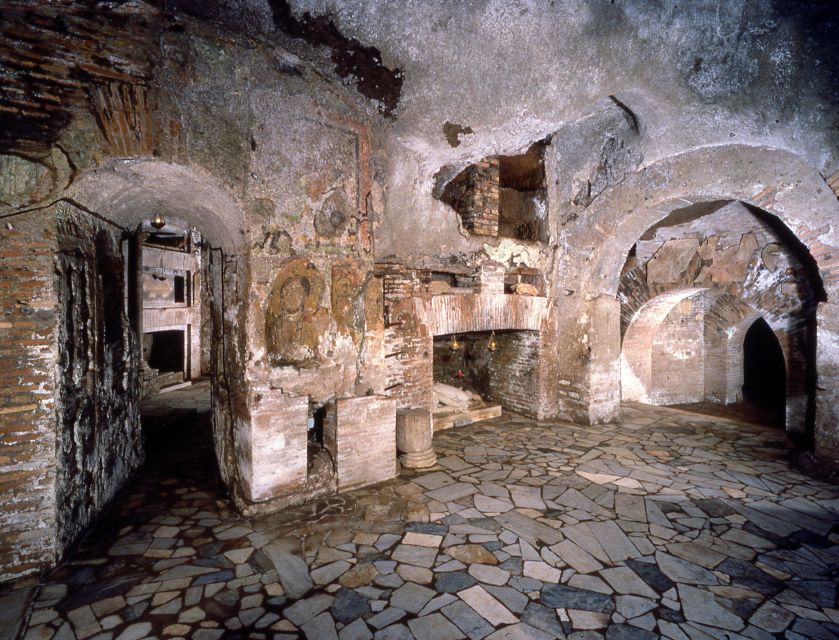
- Area I sacraments cubicles: You’ll get a look at burial-room details connected to Christian rituals.
- Old frescoes on the walls: You’ll spend time looking at very early wall paintings.
- No photos inside: Plan to enjoy this with your eyes, not your camera.
Catacombs Under the Appian Way: What You Are Really Visiting
The Catacombs of St. Callixtus are not a horror-house exhibit and they are not a museum of skeletons. You are visiting an underground burial ground that helped early Christians handle death in a community-focused way, with real spaces carved and reused over time. The highlight for me is that the place keeps turning ideas into something physical: burial practices, names, and faith traditions you normally only read about become part of the walls around you.
This site sits beneath Rome’s Appian Way and is described as one of the largest underground burial grounds in the city. The tour focuses on the oldest official cemetery connected to Rome’s Christian community, and you’ll hear how the complex gets its name and how big the overall network is.
If you’re thinking you’ll wander freely and choose your own path, expect the opposite. This experience is guided, which means you get a curated route and a clear storyline. For a 30-minute visit, that structure helps a lot, especially if you are short on time and want the meaningful stops without getting lost underground.
More catacombs and crypts under Rome:
- Rome: Crypts and Catacombs Underground Tour with Transfers
★ 4.6 · 5,341 reviews - The Original Roman Crypts and Catacombs Tour with Transfers
★ 4.5 · 4,896 reviews - Rome: Guided Roman Catacombs Tour with Transfers
★ 4.6 · 1,830 reviews
Price and Duration: Why $16 Can Be a Good Deal for a 30-Minute Stop
At $16 per person for a guided entry, the value mostly comes down to time and focus. You are not just paying to get into a gate, you’re paying for a live guide to connect what you see to why it mattered.
The tour length is listed as 30 minutes, and that brisk timing shapes the experience. You will not see everything the catacombs network can offer, but you will see the core highlights the site is known for, including the major crypts and the oldest wall paintings that are reachable on this guided route. For many first-time visitors, that makes it a smart buy because Rome is packed with decisions, and you may not want to spend half a day just getting oriented under the city.
The main downside is also tied to time: this is not a long, slow crawl. If your ideal day in Rome includes extended unstructured exploration, you might feel the tour moves quickly. Still, for most people, 30 minutes is a sweet spot: enough to understand the place, not so long that you feel tour-fatigued underground.
Getting to the Ticket Office (and Why You Should Arrive Early)
Your biggest logistics win is simple: go directly to the Catacomb ticket office and show your voucher at least 10 minutes before your scheduled tour. Do this and you’re more likely to start on time. Skip it and you risk delays that can be frustrating, because you are heading into an organized, timed experience.
Getting there from Termini is straightforward, but you do need to follow the steps:
- From Termini Station: take Metro A toward Anagnina to San Giovanni, then bus 218 toward Ardeatina to the stop Fosse Ardeatine. The catacomb entrance should be in front of you.
- Alternative: Metro B toward Laurentina to Colosseo or Circo Massimo, then bus 118 toward Appia/Villa Dei Quintili to Catacombe di San Callisto.
A practical note for your planning: this is one of those sites where the underground visit can feel worth it, but the journey back can be a little less predictable. I’d plan your return ahead of time, and if you rely on taxis, leave yourself extra buffer.
Also, a few people have pointed out that the meeting point can feel easy to misread at first. The safest move is to arrive a bit early, locate the ticket office area, and double-check you’re standing in front of the ticket counter before you wait.
What Happens on the Guided Tour: A Tight 30 Minutes with a Live Guide
This is a live guided visit, and it’s not designed for people who want silent wandering. You’ll meet your guide, then set out to explore the oldest official cemetery of Rome’s Christian community.
What I like about the guided format is that it turns the catacombs from “interesting rooms” into a story with characters: martyrs, popes, bishops, and early Christian communities. You’ll hear where the complex gets its name and learn about the size of the underground network, so when you look at the spaces, you understand what scale you’re dealing with.
Expect a clear sequence of stops:
- You start with the context of the site and early Christian burial practices.
- Then you move into the major crypt area, including the Crypt of the Popes.
- From there you go to the adjoining room linked with St. Cecilia.
- You also see sections like Area I, connected to the cubicles associated with the sacraments.
- Along the way, you’ll spend time on wall art, including some of the oldest frescoes in the catacombs.
The tour runs with multiple languages available (Italian, French, German, English), so you’ll get the same core narrative even if your guide’s delivery style varies. In the comments from recent visitors, guides such as Comfort, Sam, and Francesca have been praised for how they explain things and how they handle questions at the end.
One key rule: photography inside is not allowed. That means you’re there to look closely in person, not to document everything.
A few more Rome tours worth comparing
- Rome:Hop-On Hop-Off Panoramic Open Bus Ticket 3 Circuits x 1
★ 4.0 · 15,405 reviews - Vatican Museums & Sistine Chapel Skip-the-Line Entry Ticket
★ 4.4 · 13,838 reviews - Vatican Museums & Sistine Chapel Skip-the-Ticket-Line Tour
★ 4.3 · 10,486 reviews - Rome: St. Peter’s Basilica & Dome Entry Ticket & Audio Tour
★ 4.2 · 7,537 reviews
Crypt of the Popes: 9 Popes, 3 Bishops, and the Power of Names
The Crypt of the Popes is the stop many people come for, and it has a very specific claim to fame. You’ll visit the resting place of 9 popes and 3 bishops. Even if you’re not a church history expert, that list of names gives you a handle for understanding why these spaces carried weight.
What to do with your attention here: listen for how the guide connects the crypt to early Christianity in Rome. Names matter in places like this because they link underground spaces to a community with leaders, traditions, and ongoing memory. I like that the tour does not just point out objects. It explains why these burial locations became meaningful.
Also, this stop is often where the tone of the group shifts. People tend to quiet down because it feels less like “a place to see” and more like “a place to remember.” If you want your Rome to include at least one moment that feels grounded and human, this is it.
Crypt of St. Cecilia and the Story of Proper Burial
Next comes the Crypt of St. Cecilia, an adjoining room tied to a Roman matron remembered for ensuring martyrs received a proper burial. That detail matters. It reframes the story from politics or theology into something practical and everyday: the care that people gave the dead.
Even in 30 minutes, the tour manages to include this angle so you don’t only hear about popes and bishops. You also hear about how ordinary believers and supporters helped preserve dignity for the martyrs. If you like history that includes regular people, you’ll appreciate this stop.
Watch for how the guide balances reverence with explanation. The wording from guides mentioned in past tours, including Fr Peter and Don Sam, often leans respectful, and it tends to keep the experience accessible for people who are traveling with teenagers or family members who might otherwise find underground history dry.
Old Frescoes and Area I Sacraments Cubicles: Reading the Walls
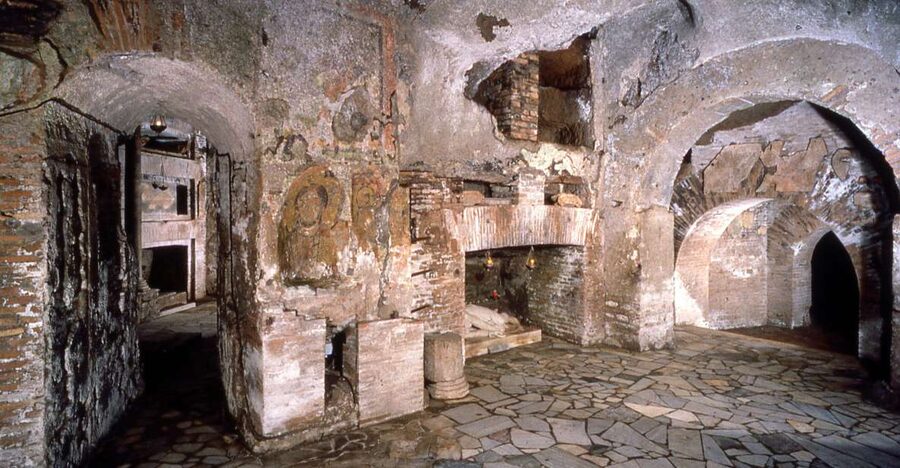
This is where you get visuals. The tour includes some of the oldest frescoes that decorate the catacombs walls. You’ll also visit Area I, where the cubicles of the sacraments are located.
Here’s how to make this section worthwhile: slow your own pace mentally even if the group is moving. Look at the paintings as communication, not decoration. In underground spaces, wall art is a way of teaching, remembering, and signaling community identity.
If you’re the type who normally skips art because you feel you do not know what you’re looking at, a good guide helps fix that fast. Past visitors have praised guides such as Arishba and Sam for making the information understandable, and for pointing out what to notice before you miss it.
One more reality check: since photography is not permitted inside, you’ll need to rely on your memory and notes instead of a camera roll. If you care about capturing details, plan to write down a few key points during the tour, so you can look them up later.
Comfort Tips for Underground Rome: Shoes, Cold Air, and No Photos
Your feet matter here. The tour recommends comfortable shoes and comfortable clothes, and I agree with both. The surfaces can be uneven, and you’re walking inside an underground environment where you might not want to feel fussy about footwear.
Temperature is another practical issue. Underground spaces are cooler than you expect, and some visitors have mentioned it feels around 15 C inside. Bring a light layer even if Rome feels hot aboveground, because your comfort will directly affect how much you enjoy the tour.
Then there are the rules. Baby carriages are not allowed, photography inside is not allowed, and the experience is not suitable for people with mobility impairments. If you might feel uncomfortable in tight spaces, it’s also not suitable for claustrophobia.
For me, the big comfort win is that the catacombs can feel like a calm break from Rome’s usual heat and bustle. If you’re trying to balance your sightseeing day, this can be a smart slot.
Is This Tour Really Worth It If You Want More Than Basics?
The answer depends on what you want from Rome. If you want a quick, guided snapshot of early Christian burial traditions, this fits nicely. You get the major crypts, wall art, and context in 30 minutes, and you also avoid the friction of ticket lines because the experience includes an entry ticket and skip-the-line access.
If you want a long, self-guided exploration where you can linger in every corridor, you may feel the time is tight. The tour is built to cover specific highlights, not to let you roam.
Also, if your mental picture is bones and skeletons, adjust expectations. This tour is about burial spaces and the history tied to them, not about exposed remains. You’ll likely come away with a clearer understanding of what the catacombs were for, even if it is not the theatrical version some people imagine.
Who This Tour Works Best For (and Who Might Skip It)
This experience works best if you:
- Like history that connects architecture to real people and beliefs.
- Want a focused stop that fits into a busy day.
- Prefer a guided route, especially underground where it’s easy to lose the thread.
- Are traveling with older kids or teens who can handle a brief, educational walk.
It may not work for you if you:
- Have mobility impairments, since it is not suitable.
- Have claustrophobia, because underground passages can feel tight.
- Need photography as part of your travel documentation, since photos are not allowed.
Should You Book the Catacombs of St. Callixtus Guided Tour?
Book it if you want one memorable, meaningful underground chapter of Rome that is worth the effort to reach and that gives you context quickly. At $16 for a guided visit focused on the Crypt of the Popes, St. Cecilia, and key wall art, it’s a strong value if you’re time-conscious and want the essentials done well.
Skip it or choose a different option if you want lots of free time, self-guided wandering, or you know you’ll struggle in tight underground spaces. Also reconsider if your main goal is photos, because the no-photography rule means you’ll enjoy the visit with your eyes only.
If you do book, my best advice is simple: arrive early at the ticket office, wear comfortable shoes, and bring a light layer. Then let the guide do the heavy lifting. That’s the difference between seeing corridors and understanding why they mattered.
FAQ
How long is the Catacombs of St. Callixtus entry ticket and guided tour?
The guided tour duration is 30 minutes.
What is included with this experience?
You get a Catacombs of Saint Callixtus entry ticket and a guided tour.
What languages are available for the live tour guide?
The tour is available in Italian, French, German, and English.
Where should I go for the meeting point?
Go directly to the ticket office of the catacombs and show your voucher there.
When should I show my voucher?
Show your voucher at least 10 minutes before the scheduled tour time.
Is photography allowed inside the catacombs?
No, photography is not allowed inside.
What should I bring for the visit?
Wear comfortable clothes and comfortable shoes.
Is this tour suitable for people with mobility impairments?
No, it is not suitable for people with mobility impairments.
Is this tour suitable for claustrophobia?
No, it is not suitable for people with claustrophobia.
How can I get there from Termini Station by public transport?
Take Metro A toward Anagnina to San Giovanni, then bus 218 toward Ardeatina to Fosse Ardeatine. Another option is Metro B to Colosseo or Circo Massimo, then bus 118 toward Appia/Villa Dei Quintili to Catacombe di San Callisto.
Is the ticket refundable?
You can cancel up to 24 hours in advance for a full refund.
Can I reserve now and pay later?
Yes, reserve now & pay later is available so you can book your spot without paying today.
Recently reviewed around Rome
- Rome: Castelli Romani Hop-on and Hop-off Tour★ 4.9 · 32 reviews
- Rome: Food Tour near Vatican City with Wine★ 4.8 · 100 reviews
- Rome: Scavenger Hunt Self-Guided Tour★ 4.6 · 15 reviews
- Hidden Rome: Small Group E-Bike Tour with Street Food Stops★ 4.9 · 144 reviews
- Rome: Highlights Tour in Golf Cart★ 4.9 · 28 reviews
- Rome: Hop-on Hop-off Bus Tour and Colosseum Experience★ 3.4 · 163 reviews
- Rome: Guided Haunted Rome Ghost Tour with Dowsing Rods★ 4.8 · 63 reviews
- Rome: Highlights Photo Shoot for Memorable Moments★ 5.0 · 32 reviews
Catacombs Tours, compared.
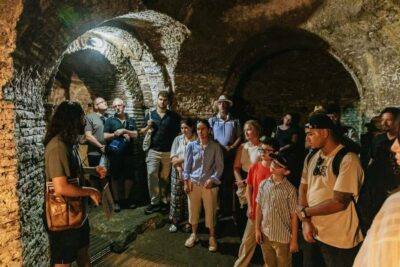
Crypts and Catacombs Underground Tour with Transfers
Read our review →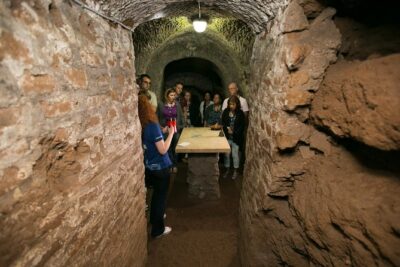
The Original Roman Crypts and Catacombs Tour with Transfers
Read our review →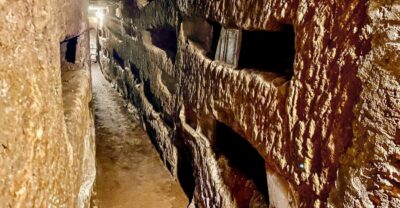

Rome EBike Tour: Appian Way, Catacombs & Roman Aqueducts
Read our review →
Catacombs and Capuchin Crypt Guided Tour with Transfer
Read our review →
St. Peter’s Basilica Priority Access Tour with Dome & Crypt
Read our review →
Appian Way, Catacombs, & Roman Aqueducts E-bike Tour
Read our review →Browse the lists this tour appears in