
Reviewed · CATACOMBS TOURS
Rome: Catacombs of St. Sebastian Entry Ticket & Guided Tour
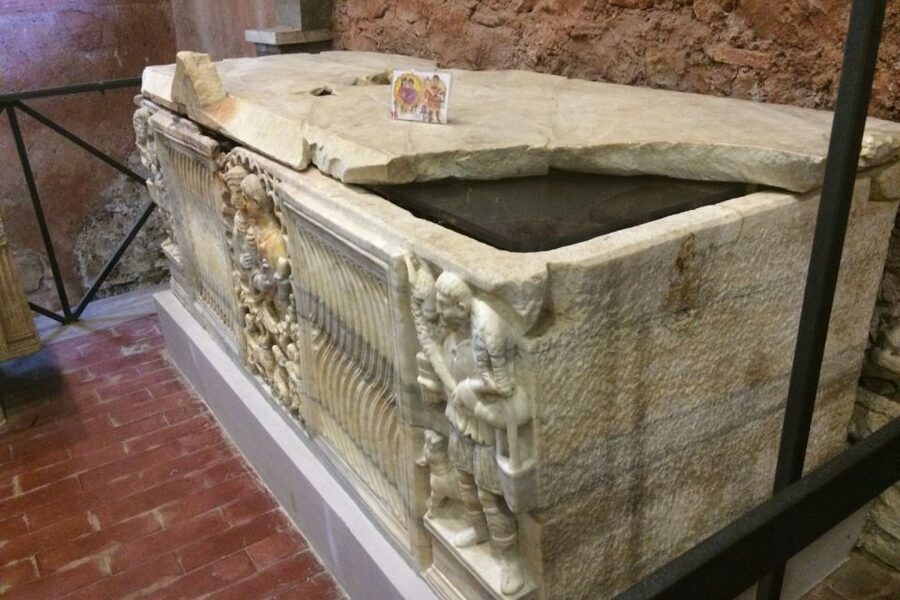
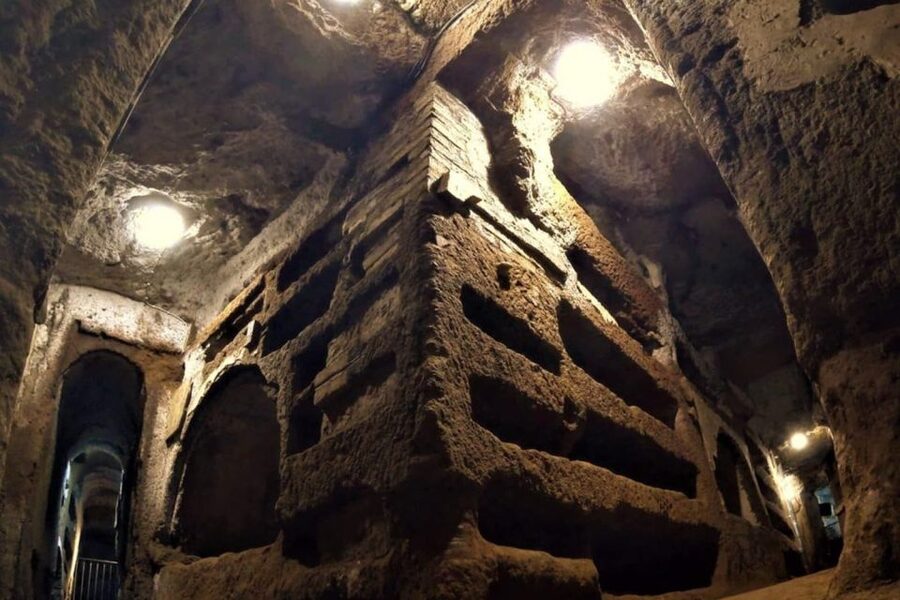
The Catacombs of Saint Sebastian are interesting because they are not a museum-style “look but don’t touch” experience. You walk through underground corridors that were first used for quarrying and later turned into an organized cemetery, where Christian martyrs and other notable figures are linked to the site.
I like the fact that this is a guided walk that stays focused. And I really appreciate the time commitment, it is only 30 minutes, so it fits into a busy day without turning into a half-day slog.
The main drawback is practical: the catacombs are tight and underground, so they are not suitable for mobility impairments and they are a poor match if you have claustrophobia.
Key things I’d note before you go
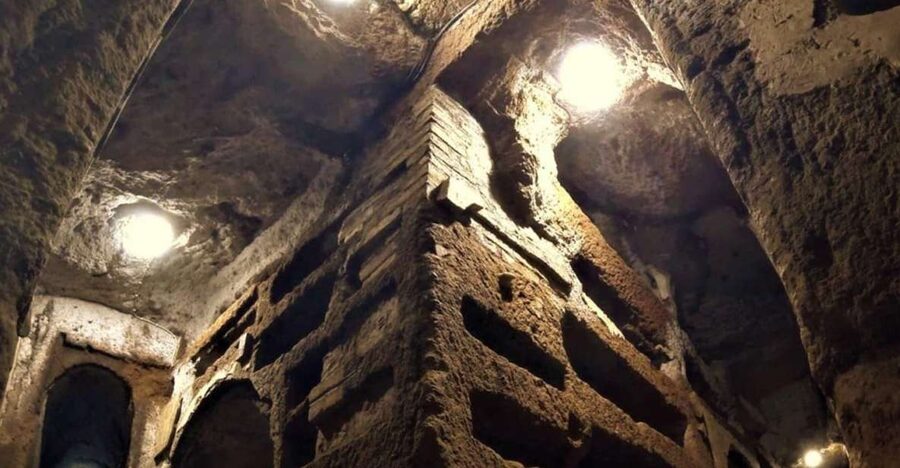
- Underground cemetery with layers of Roman reuse, from quarrying to burial niches
- A short, guided format that hits the big story without dragging
- Real temperature change underground, so a jacket matters
- Strict rules inside (no photography) and areas can feel single-file
- Small group energy reported often, which helps in narrow spaces
- Strong emotional and spiritual context tied to Saint Sebastian and Eutichio
Why the Catacombs of St. Sebastian feel like a different side of Rome
Rome is loud up top. Down here, it is different. The Catacombs of San Sebastiano are a rare chance to see how Romans used underground space long before modern preservation turned it into a walking attraction. Even the site’s name comes from the idea of being near cavities, it’s a label that stuck to an underground cemetery.
What I like about this tour is the balance between storytelling and space to breathe. You are not asked to read your way through everything. You get a guide who explains what you are seeing, then you move on.
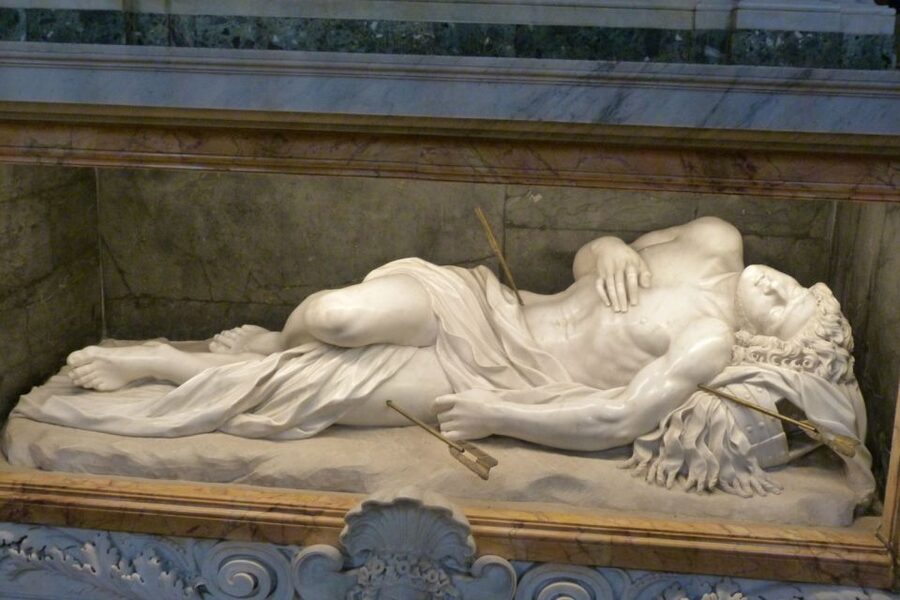
The highlight is the focus on burial locations tied to saints, and especially the martyrs associated with this catacomb. Saint Sebastian is central, and so is Eutichio, with underground galleries that developed around those tombs in the third century.
More catacombs and crypts under Rome:
- Rome: Crypts and Catacombs Underground Tour with Transfers
★ 4.6 · 5,341 reviews - The Original Roman Crypts and Catacombs Tour with Transfers
★ 4.5 · 4,896 reviews - Rome: Catacombs of St. Callixtus Entry Ticket & Guided Tour
★ 4.6 · 3,037 reviews
From quarry to catacomb: what you’re really standing on
Before the galleries became a cemetery, the location was a deep depression. Romans used it as a pozzolana quarry, and that practical mining shaped the ground plan for what later became an underground burial world.
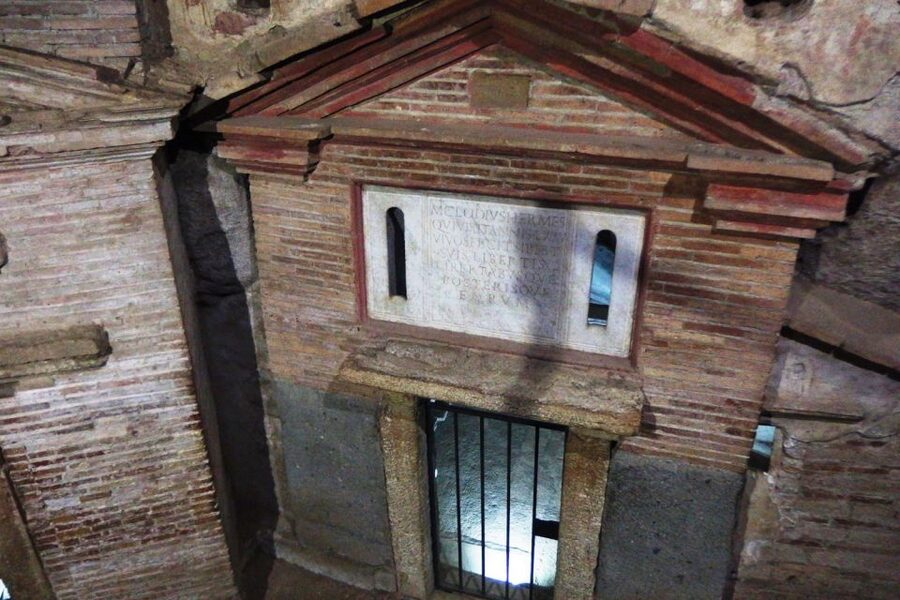
Here is why that matters for your visit. When you tour the catacombs, you are not only seeing Christian worship space. You are also seeing the physical leftovers of Roman industry, then reuse, then reuse again. Underground galleries were repurposed into burial niches. On the surface, you can also connect the dots to columbaria, which are places for urns, and to nearby residential systems with wall paintings. The site is basically a timeline in layers.
If you like details, you will probably enjoy how the complex shifts across periods:
- Mausoleums built in succession along the valley floor area created room for burials over time.
- A pitch created the setting for construction, then later burials made space for new structures like the triclia, a portico-like area.
- The triclia area included graffiti invocations connected to Peter and Paul, venerated together around 250.
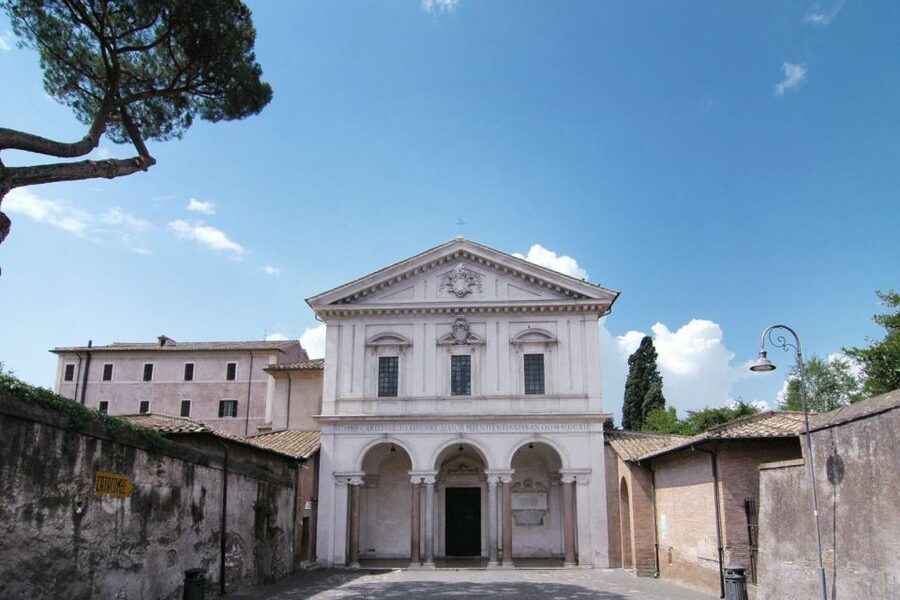
And then, later, the emperor Constantine (306 to 337) built a basilica with a circus-like shape, often described as circiforme. That surface setting gives you a clearer picture of how underground and aboveground life connected, especially as the Christian community grew and changed.
The 30-minute guided walk: how it stays focused
This tour is built around a simple promise: get you into the catacombs with a ticket, then walk you through the key parts fast enough to keep the experience lively.
At 30 minutes, you should expect a guided route rather than a slow wander. You will likely move through corridors where the flow is set by the architecture, and you will probably feel that “single-file” reality at certain points. That pacing is part of why the tour keeps working for people who do not want to spend hours underground.
Recent feedback also points to a small group feel. In practice, that matters because narrow passages make big groups frustrating. If you end up in a smaller group, your guide can pause to gather everyone before moving on, and it is easier to hear explanations in a space where sound can carry oddly.
What you’ll likely see, and what each piece means
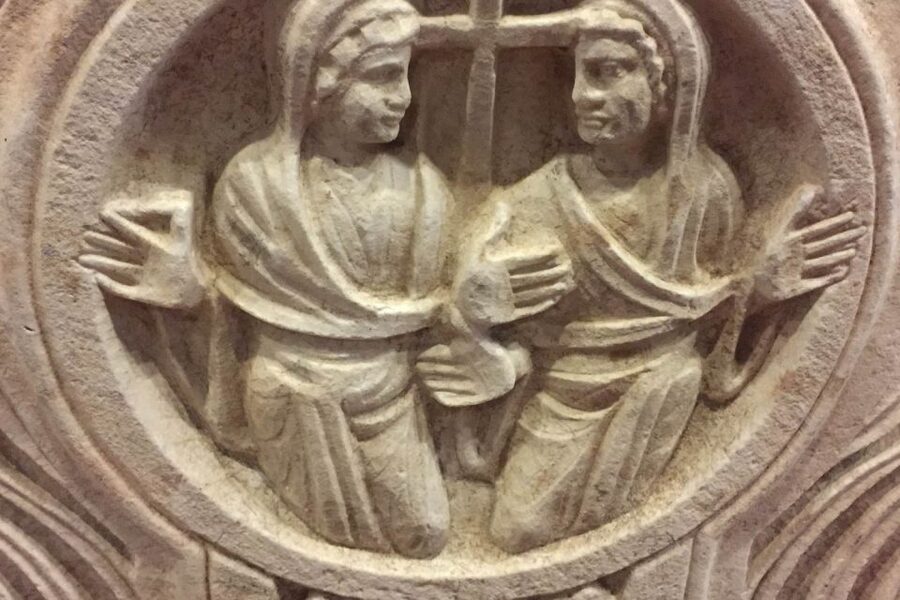
Even though the tour is short, the place itself is dense with meaning. Here’s how to frame what you’re looking at so it clicks.
A few more Rome tours worth comparing
- Rome:Hop-On Hop-Off Panoramic Open Bus Ticket 3 Circuits x 1
★ 4.0 · 15,405 reviews - Vatican Museums & Sistine Chapel Skip-the-Line Entry Ticket
★ 4.4 · 13,838 reviews - Vatican Museums & Sistine Chapel Skip-the-Ticket-Line Tour
★ 4.3 · 10,486 reviews - Rome: St. Peter’s Basilica & Dome Entry Ticket & Audio Tour
★ 4.2 · 7,537 reviews
The burial galleries and niches
The core of the experience is the underground cemetery system developed over time. You are walking a network of galleries that later provided burial niches. These niches are the practical side of death rituals, they show how families and communities stored remains with a kind of organized continuity.
If you are the type who likes context, ask yourself what reuse means here. Romans did not stop using space just because purposes changed. The cemetery era essentially piggybacked on earlier extraction work, and that is why the layout is so striking.
The third-century focus on Saint Sebastian and Eutichio
The catacomb that housed the tombs of the martyrs Sebastian and Eutichio began to develop underground in the third century. That is the anchor for your visit.
What I like about focusing on these names is that it makes the underground space feel less generic. Instead of “some old burials,” you get a clearer story of why this place mattered, and how certain sites gained importance as faith practices grew.
The triclia portico and the graffiti invocations
One of the most fascinating details associated with the site is the triclia, a portico bordered by a wall covered with graffiti invocations to SS Peter and Paul, venerated together around 250.
This is not just trivia. It shows everyday religious expression in a setting that is both public and hidden. Graffiti is the voice of people who were there, and it can turn the story from official into human.
If the guide mentions this area as part of the highlights, listen closely. In a short tour, the best moments are often the ones with this kind of “small evidence, big meaning” energy.
The Constantine-era basilica setting above
You may not spend long above ground, but the connection is important. Constantine built a basilica in the shape of a Roman circus, described as circiforme. Even when your feet are underground, knowing that a major aboveground church context existed helps you understand the ecosystem of worship around the cemetery.
It also helps answer a common question people have before they go: why build so much complexity around burial sites? The answer is faith, community identity, and the way sacred geography takes root.
Practical details that affect your comfort underground
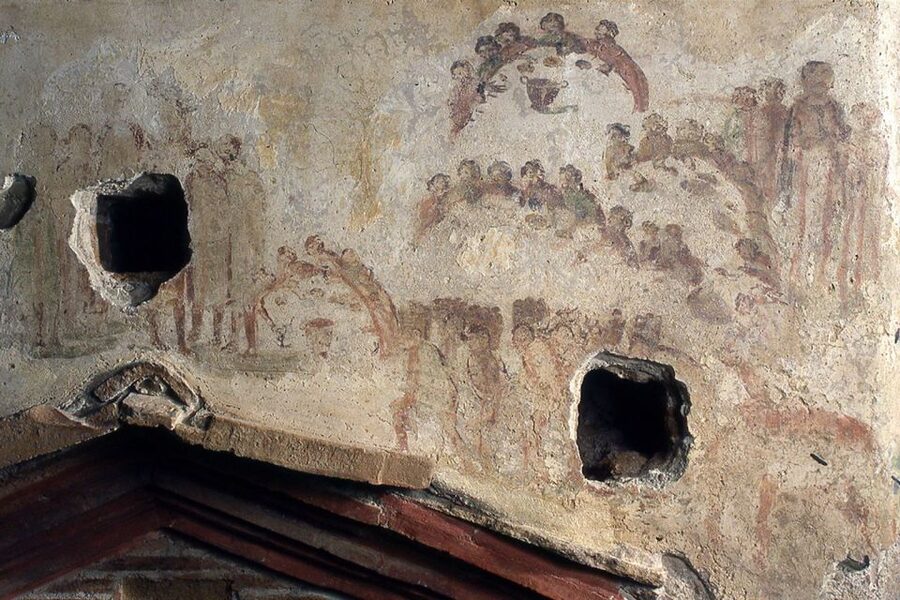
This is the kind of visit where comfort changes how much you enjoy it.
Wear good shoes, plan for cooler air
Bring comfortable shoes. Even when the walking is not long, the surfaces can be uneven and you want stable footing.
Also bring warm clothing and a jacket. One clear theme in recent feedback is that it can be colder further down. It is the kind of cold that sneaks up on you because you are already walking under city heat when you start.
Understand the photo rule
Photography is not allowed inside. That means you should treat your eyes as the camera, not your phone. If you want a souvenir, look for what you can photograph outside or in permitted spaces.
Expect restrictions and narrow movement
Baby carriages are not allowed. And the tour is not suitable for people with mobility impairments. The catacombs are also not suitable for claustrophobia.
If any of that applies to you, it’s worth pausing before you commit. There are alternative ways to learn about early Christian burial practices in Rome that might feel less enclosed, depending on your comfort level.
Meeting point and getting in smoothly
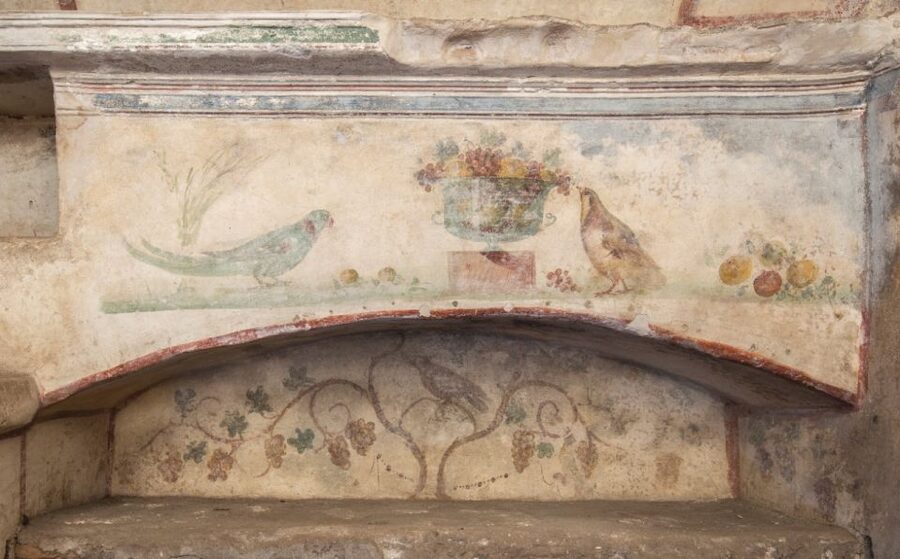
There is no hotel pickup. You go on your own to the complex and use the official ticket office. When you arrive, show your reservation at least 10 minutes before your scheduled tour time.
This timing matters because the entrance process is tied to your language and group slot. If you show up late, you risk missing the moment when the group is formed and ready to descend.
What you’re paying for, and whether $16 is fair value
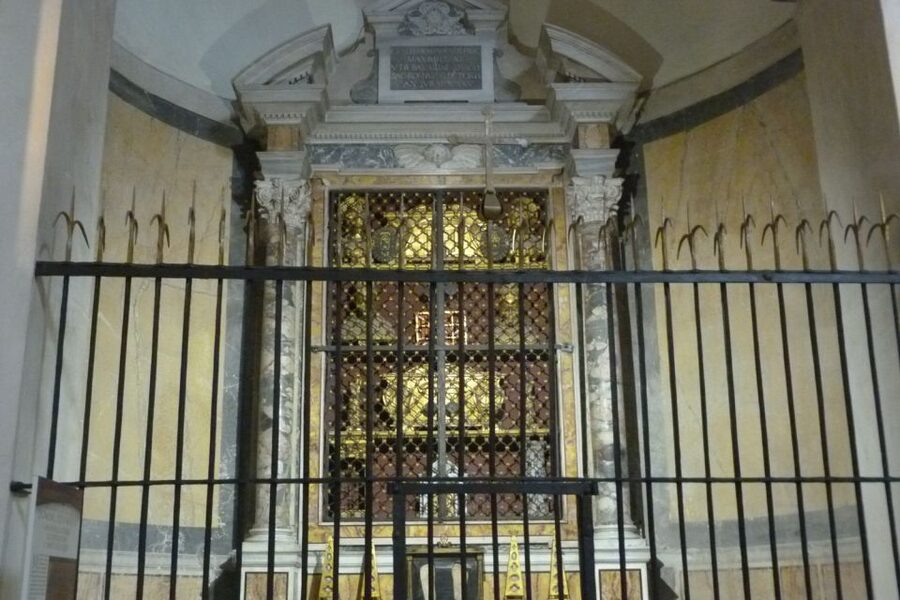
At about $16 per person for a guided tour and entrance ticket, the value is mostly in three things.
First, you are paying for a guide. Catacombs are not just “old tunnels.” Without explanation, they can feel repetitive. The guide makes the names, structures, and reuse story make sense quickly.
Second, you get a structured time box. Thirty minutes is short enough to fit into a day plan, but long enough that you are not just receiving a stamp and a rushed hallway pass.
Third, you get a focused emotional payoff. The connection to martyrs like Sebastian and Eutichio, plus the material evidence like the graffiti invocations, tends to land with people fast. That’s part of why this tour scores well overall, with a 4.6 out of 5 rating based on 669 bookings.
A small caution: a couple of people felt the guided option was a bit more expensive than buying a ticket on site. If saving money is your top priority, you can weigh that. But if you want the story tied directly to what you see, the guide time is the cost you are really paying for.
Who this tour is best for
This is a strong fit if:
- You want an underground experience without committing to a long outing.
- You like guided interpretation, especially with names and period context.
- You are visiting Rome in warmer months and want a break from surface heat. Recent feedback mentions it as a good “get away from the city” option.
- You prefer a small group feel, which you can often get here due to how these tours run in tight spaces.
It may not be the best fit if:
- You have mobility impairments, since the tour is not suitable.
- You have claustrophobia, because underground corridors can feel restrictive.
- You want long unstructured time. This is short and organized by design.
Quick verdict: should you book this catacombs tour?
Yes, I’d book it if you want a short, guided walk that makes the underground feel personal and understandable, with a clear focus on the site’s burial story. It is also a good choice when you need something meaningful that does not eat your whole day.
Skip it if claustrophobia or mobility limits are a concern for you. And if you dislike strict no-photo rules, plan to rely on memory instead.
If you go, wear a jacket, arrive at the ticket office on time, and let the guide point out the human details. In places like this, that’s what turns a walk into a story you remember.
FAQ
How long is the Catacombs of St. Sebastian entry and guided tour?
The tour lasts 30 minutes.
Where does the tour start?
You go directly to the ticket office of the catacomb and show your reservation at least 10 minutes before the scheduled tour.
What is included in the price?
Your ticket includes the entrance and a guided tour in your chosen language.
What languages are available for the guided tour?
English, Italian, Spanish, and French.
What should I bring for the catacombs?
Bring comfortable shoes and warm clothing, plus a jacket.
Are baby carriages allowed inside the catacombs?
No, baby carriages are not allowed.
Can I take photos inside the catacombs?
Photography inside is not allowed.
Is this tour suitable for people with mobility impairments?
No, it is not suitable for people with mobility impairments.
Is the tour suitable for claustrophobia?
No, it is not suitable for people with claustrophobia.
What is the cancellation policy?
You can cancel up to 24 hours in advance for a full refund.
Recently reviewed around Rome
- Rome: Castelli Romani Hop-on and Hop-off Tour★ 4.9 · 32 reviews
- Rome: Food Tour near Vatican City with Wine★ 4.8 · 100 reviews
- Rome: Scavenger Hunt Self-Guided Tour★ 4.6 · 15 reviews
- Hidden Rome: Small Group E-Bike Tour with Street Food Stops★ 4.9 · 144 reviews
- Rome: Highlights Tour in Golf Cart★ 4.9 · 28 reviews
- Rome: Hop-on Hop-off Bus Tour and Colosseum Experience★ 3.4 · 163 reviews
- Rome: Guided Haunted Rome Ghost Tour with Dowsing Rods★ 4.8 · 63 reviews
- Rome: Highlights Photo Shoot for Memorable Moments★ 5.0 · 32 reviews
Catacombs Tours, compared.
Crypts and Catacombs Underground Tour with Transfers
Read our review →
The Original Roman Crypts and Catacombs Tour with Transfers
Read our review →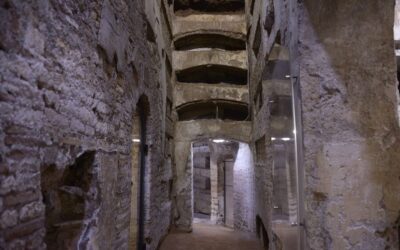
Catacombs of St. Callixtus Entry Ticket & Guided Tour
Read our review →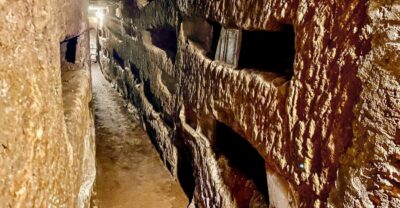

Rome EBike Tour: Appian Way, Catacombs & Roman Aqueducts
Read our review →
Catacombs and Capuchin Crypt Guided Tour with Transfer
Read our review →
St. Peter’s Basilica Priority Access Tour with Dome & Crypt
Read our review →Browse the lists this tour appears in