
Reviewed · CATACOMBS TOURS
Rome: Catacombs of Priscilla Entry Ticket & Guided Tour
The catacombs of Priscilla are interesting because you’re stepping under the noise of modern Rome into a space built for burial and memory. You get the Priscilla catacombs experience through a guided tour that turns dusty facts into something human, and I love how the tour connects the site’s origins to early Christianity. I also love the chance to see still-intact frescoes and inscriptions tied to martyrs and even popes, with guides like Sister Lydia bringing the details to life.
One consideration: this is a tight, underground walk, and no photography is allowed. It’s also not suitable for mobility impairments, so plan accordingly if stairs or uneven footing are an issue for you.
Key Highlights You Should Not Miss
- Two floors, one story: you’ll move between galleries with tomb niches and the related underground burial areas.
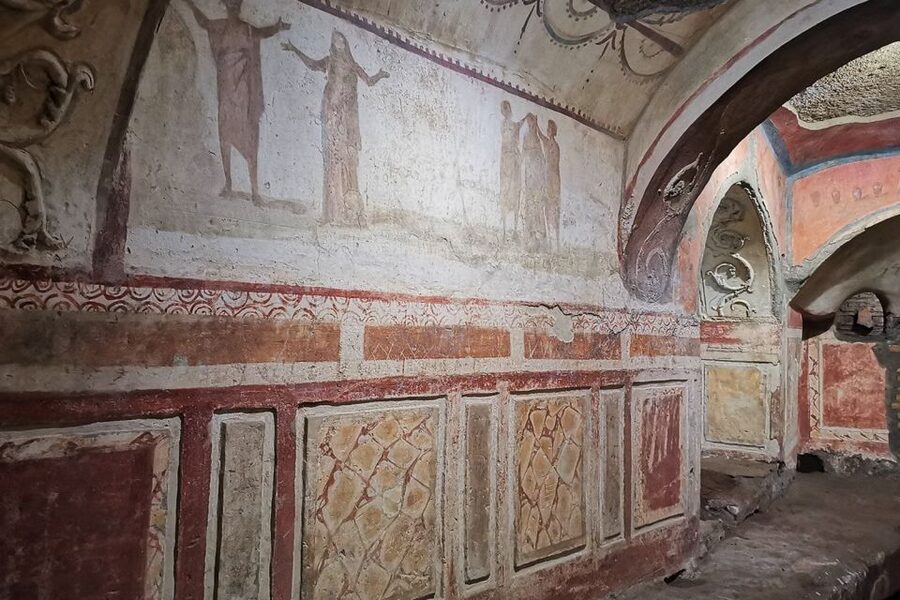
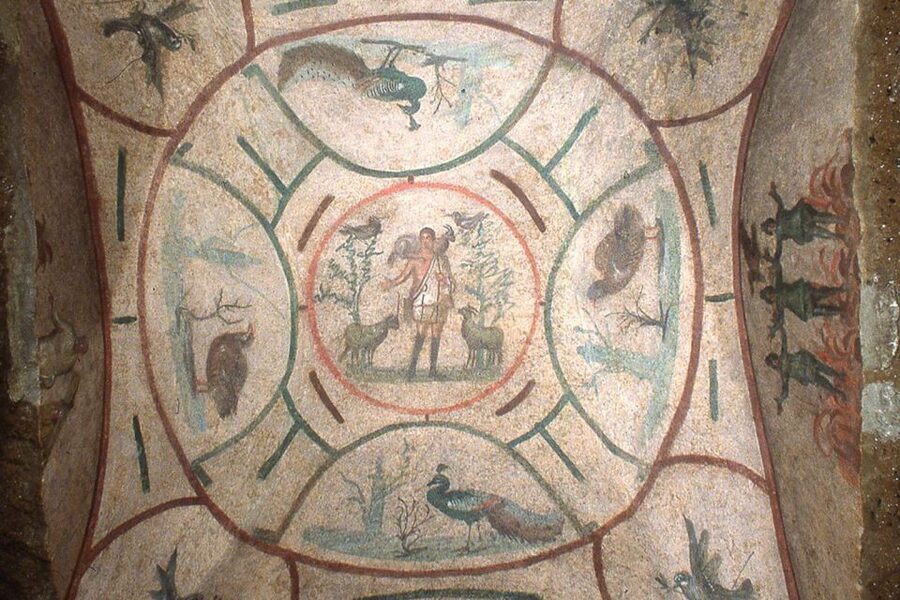
- Frescoes with serious age: early Christian wall paintings survive here in a way that feels close up.
- The Acili hypogeum details: an underground water-cistern origin and matching inscriptions are part of the explanation.
- Cryptoporticus and the Greek Chapel: a connected space with a Greek-chapel setting broadens the context.
- Martyrs and popes in the same underground world: Felice and Filippo sit alongside burial lists of several popes.
- Small group pace: with a limit of 10 participants, you get time in narrow areas to actually see and ask questions.
Entering the Catacombs of Priscilla, Underground Rome in 45 Minutes
If your Rome trip is heavy on big outdoor monuments, this tour is a cool left turn. For once, you’re not chasing lines or statues. You’re walking into underground rooms that were made for quiet rituals, burial, and commemoration, long before Christianity became public and powerful.
The best part is the structure of the tour. It’s short, around 45 minutes, and that matters because you’re moving through cramped spaces. The guide does the work of translating what you’re seeing, from the layout of the galleries to what the surviving art and inscriptions can mean.
You’ll also like the emotional balance here. The catacombs are solemn, but they aren’t gloomy on purpose. With guides such as Sister Lydia, Sister Lidia, and others who lead in English, Italian, or Spanish, the tone tends to be thoughtful, occasionally funny, and very focused on what the site was for.
More catacombs and crypts under Rome:
- Rome: Crypts and Catacombs Underground Tour with Transfers
★ 4.6 · 5,341 reviews - The Original Roman Crypts and Catacombs Tour with Transfers
★ 4.5 · 4,896 reviews - Rome: Catacombs of St. Callixtus Entry Ticket & Guided Tour
★ 4.6 · 3,037 reviews
How Priscilla’s Catacombs Were Made, From Arenarium to Christian Burial Space
This is one of those places where context changes everything. Priscilla did not start as a Christian catacomb. It began as an arenarium, essentially a sand-working area, later abandoned, and then reused.
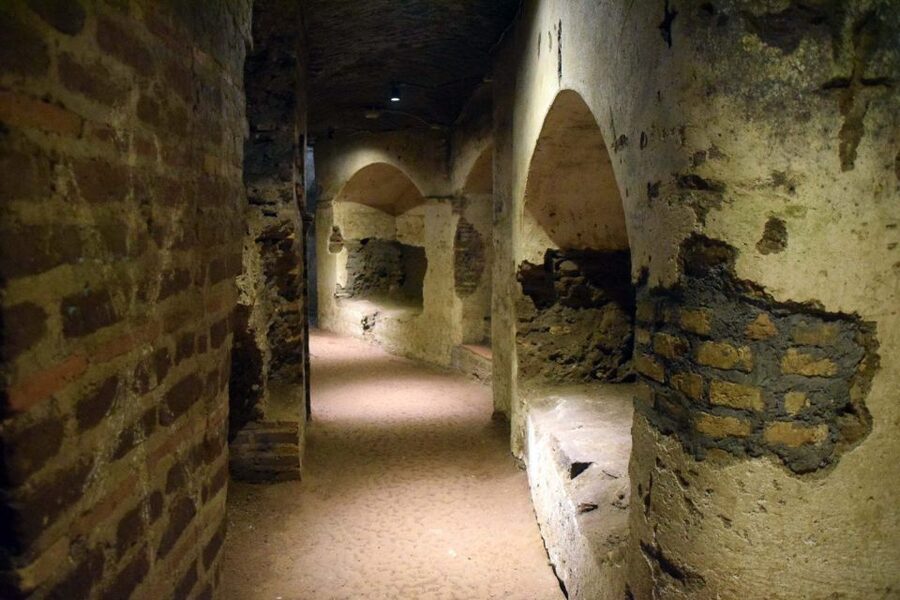
Christians began using the large, irregular galleries around the beginning of the third century. They adapted what was already there, building about twenty niche tombs and digging hundreds more niches in the walls. That reuse is a key part of the story. You’re not just seeing random underground rooms. You’re seeing how a community reshaped a forgotten space into a place of burial and remembrance.
In an adjacent area, you also get the cryptoporticus, which connects to a larger underground environment that started as a noble family burial ground. Over time it became connected with the catacomb, and the tour weaves those layers together. That makes the site feel less like a single “attraction” and more like a changing landscape of faith and family memory.
Two Floors, Niche Tombs, and the Frescoes You Can Still Read
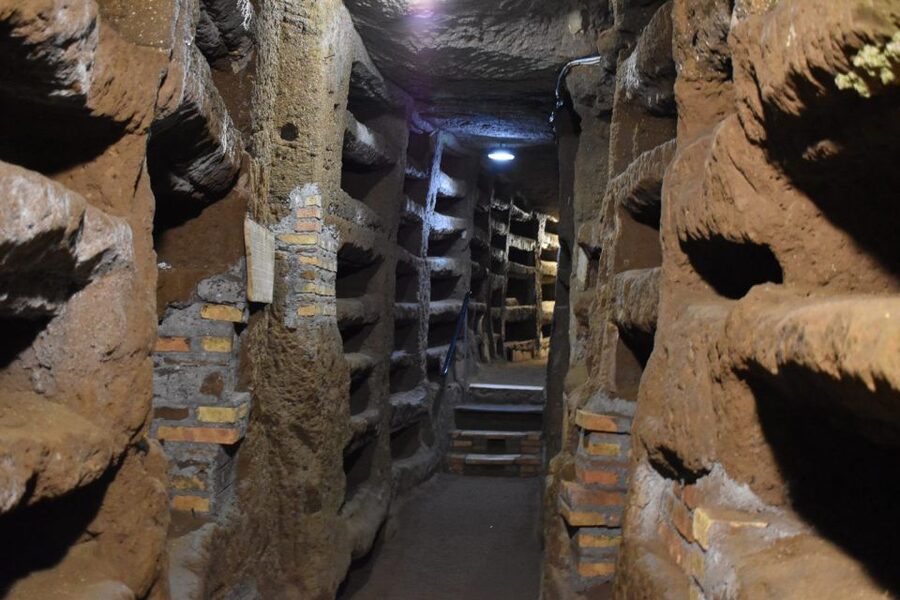
The tour is designed to fit the site’s layout, which runs over two floors. Expect the guide to point out the practical stuff first: how the galleries are shaped, where niches sit, and why certain areas matter more than others for understanding early Christian burial customs.
On the upper level areas, you’ll get a sense of the first big phase of Christian use. The tour focuses on the walls and niches, because those small architectural details were the system. Burial was not one big chamber tomb. It was often repetition, many niches, many names, a community’s record written into stone.
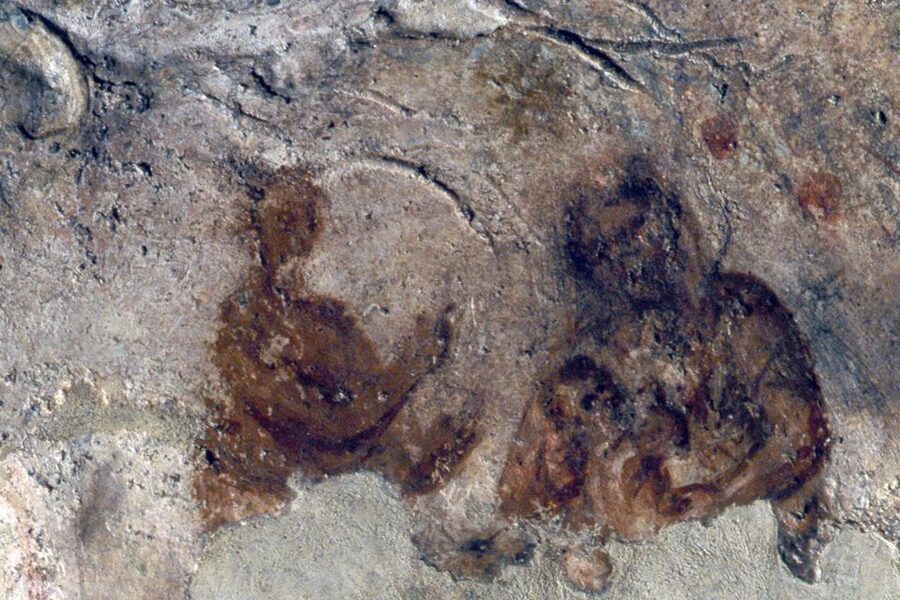
The frescoes are a major reason people love coming here. Several guides spend time helping you “read” the paintings and understand why surviving images from roughly the 240 to 280 AD window are such a big deal. You may hear references to early depictions that people connect with Mary and the Christ Child, but either way, the point is the same. You’re seeing artwork that survived when most would have vanished.
One more reality check: you can’t rely on photos to remember everything, because photography inside is not allowed. So listen closely, and let the guide’s pacing do the job of guiding your attention.
The Acili Hypogeum and the Cryptoporticus With the Greek Chapel
A standout moment for many visitors is the section tied to the Acili hypogeum. This underground chamber originally was a cistern of water, not a tomb space. Later, inscriptions associated with the Acili family were found there, and those inscriptions are part of what you’ll be shown and explained.
That water-to-burial conversion matters. It shows how reuse drove the underground story, again and again. The tour doesn’t treat the catacombs like a museum that opened in the third century. It treats them like a living system that kept being repurposed.
Then there’s the cryptoporticus area, including the Greek Chapel. The tour’s value here is that it expands your view of who used these spaces and why. A noble family burial ground connected to the catacomb area helps you understand that early Christian burial places grew inside a wider Roman world, not in isolation.
A few more Rome tours worth comparing
- Rome:Hop-On Hop-Off Panoramic Open Bus Ticket 3 Circuits x 1
★ 4.0 · 15,405 reviews - Vatican Museums & Sistine Chapel Skip-the-Line Entry Ticket
★ 4.4 · 13,838 reviews - Vatican Museums & Sistine Chapel Skip-the-Ticket-Line Tour
★ 4.3 · 10,486 reviews - Rome: St. Peter’s Basilica & Dome Entry Ticket & Audio Tour
★ 4.2 · 7,537 reviews
Martyrs Felice and Filippo, and Popes Buried in Priscilla
The catacombs feel personal because of names. You’ll hear about martyrs buried here, especially the brothers Felice and Filippo, martyred, likely during the persecutions associated with Diocletian. You’ll also hear about their mother, St. Felicita, and other brothers listed among those remembered in the site’s tradition.
Names can turn a cold underground wall into a map of real people. It’s also where the tour can be especially thought-provoking. You’re looking at physical evidence of how communities honored people at a time when faith and identity were risky.
And the surprises keep coming. Priscilla isn’t just about early martyrs. It also includes burials of several popes, including Marcellino (296-304), Marcello (308-309), Silvestro (314-335), Liberius (352-366), Siricius (384-399), Celestino (422-432), and Vigilius (537-555). That roster is a reminder that the early Christian community moved from underground remembrance to institutional leadership over time.
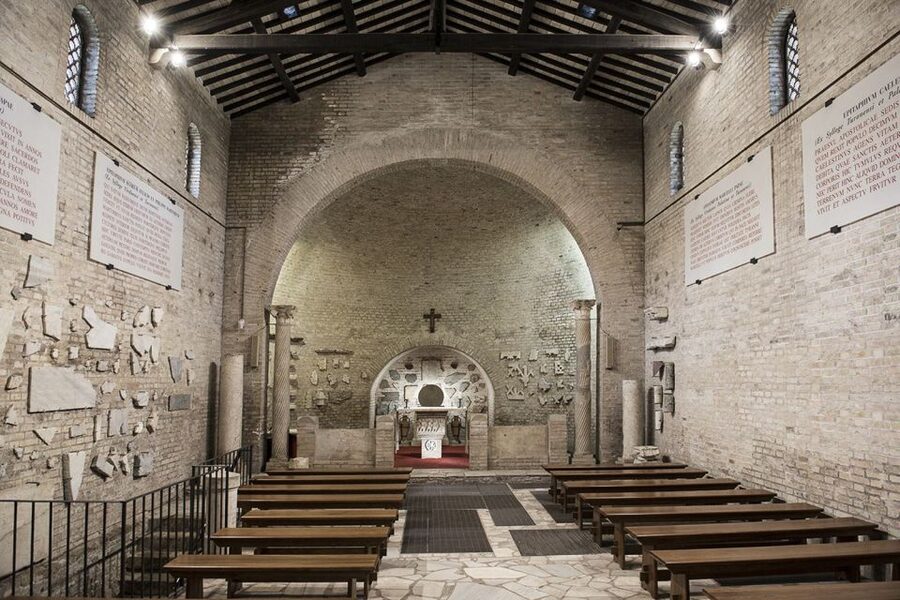
You might also be told about the basilica built by Pope St. Silvestro near the tomb of Felice and Filippo. The point is not just who built what. It’s how the burial memory kept expanding and getting formalized.
The Museum Area and Sarcophagus Fragments You Might Not Expect
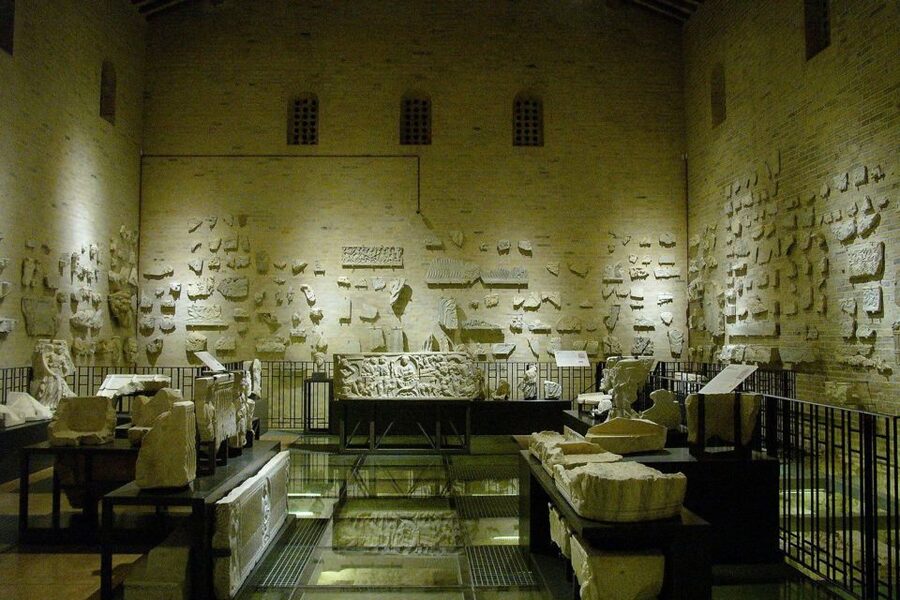
Near the basilica area, there’s a museum setup that collects hundreds of fragments of sarcophagi found during excavations around the catacomb. This is a smart add-on, because it helps you understand what “burial art” and “burial goods” could look like when complete pieces are no longer available.
You’re not just seeing what survived intact. You’re seeing evidence of what was found and how archaeologists rebuilt meaning from scattered parts. That’s useful if you’ve been to other catacomb sites where everything feels like it’s floating in time. Here, you get the sense of modern discovery connected to ancient remains.
Given the tour length, you won’t spend hours in the museum. But you’ll likely leave with at least one clear takeaway: this is still an active archaeological story, not a sealed-off stage set.
Price and Value, Why 16 Dollars Makes Sense Here
At about $16 per person, this tour sits in the “small price, big difference” category. You’re paying for two things: the entrance and a guided interpretation that you would struggle to recreate on your own in such a confusing underground layout.
It’s also good value because the tour is small group, limited to 10 participants. In tight spaces, that matters. You’re not standing behind a crowd, and the guide can adjust so everyone can actually see the parts that matter.
Also, this is a very practical Rome day choice. The catacombs are underground, so they work as a heat-break. One common tip from visitors is to bring a top layer, since the underground air can feel cooler than you expect.
One more money-saving angle: because photography is prohibited, you may want a souvenir that doesn’t require a photo. Some visitors note that printed images can be available, like postcard-style prints of the artwork.
Logistics That Make or Break Your Experience
This is the kind of tour where timing matters. Your meeting point is straightforward: go directly to the ticket office of the Catacomb and show your reservation at least 10 minutes before the scheduled tour. Don’t cut it close. In small-group tours, late arrivals can break the flow.
Transportation isn’t included. The tour does not have hotel pickup or drop-off, so you’ll need to plan your own way to the site on Via Salaria. That matters because Priscilla is not right next door to the usual “Rome center” stops.
Inside, you should plan for movement. This is not designed for wheelchairs or walkers that need level ground. Also, baby strollers are not allowed. If you’re traveling with a young child, you’ll need a different plan for this one.
Finally, mentally prepare for the style of the visit. The guide may ask questions to keep the group engaged, and some tours run slightly long without feeling dragged out, mostly because the stops matter and the guide is trying to make sure you don’t miss key points.
Should You Book the Catacombs of Priscilla?
Book it if you want a Rome experience that feels more intimate than the headline monuments. This is especially worth it if you care about early Christian art, burial customs, or how archaeology turns fragments into meaning.
Skip it if you want wide-open, “grand views” type sightseeing. This is narrow, underground, and focused. It’s also not right for mobility limitations, and you’ll be without photos for memory. But if those constraints don’t bother you, the combination of frescoes, niches, and the names of martyrs and popes gives you a lot of story for the money.
If you’re deciding between catacomb options, Priscilla is a strong pick because its story includes multiple layers: an arenarium origin, third-century Christian expansion, the Acili hypogeum inscriptions, and the connected cryptoporticus with the Greek Chapel. That layering is exactly what makes it feel worth your attention.
FAQ
How long is the guided tour?
The guided tour lasts about 45 minutes.
How much does this experience cost?
The price is $16 per person.
Where do I meet for the tour?
Go directly to the ticket office of the catacomb and show your reservation at least 10 minutes before the scheduled tour.
What is included in the ticket price?
Your price includes the entrance ticket to the Catacombs of Priscilla and a guided tour.
Are hotel pickup or transportation included?
No. Hotel pick-up and drop-off and transportation are not included.
What languages are available for the live guide?
The live tour guide is offered in Italian, English, and Spanish.
Is it a small group?
Yes. The tour is limited to 10 participants.
Can I bring a stroller or take photos inside?
Baby strollers are not allowed, and photography inside is not allowed.
Is the tour suitable for people with mobility impairments?
No. It is not suitable for people with mobility impairments.
Is free cancellation available?
Yes. You can cancel up to 24 hours in advance for a full refund.
Recently reviewed around Rome
- Rome: Castelli Romani Hop-on and Hop-off Tour★ 4.9 · 32 reviews
- Rome: Food Tour near Vatican City with Wine★ 4.8 · 100 reviews
- Rome: Scavenger Hunt Self-Guided Tour★ 4.6 · 15 reviews
- Rome: Highlights Tour in Golf Cart★ 4.9 · 28 reviews
- Rome: Hop-on Hop-off Bus Tour and Colosseum Experience★ 3.4 · 163 reviews
- Hidden Rome: Small Group E-Bike Tour with Street Food Stops★ 4.9 · 144 reviews
- Rome: Guided Haunted Rome Ghost Tour with Dowsing Rods★ 4.8 · 63 reviews
- Rome: Highlights Photo Shoot for Memorable Moments★ 5.0 · 32 reviews
Catacombs Tours, compared.
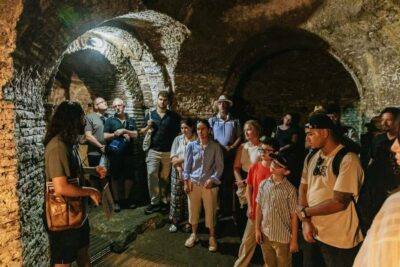
Crypts and Catacombs Underground Tour with Transfers
Read our review →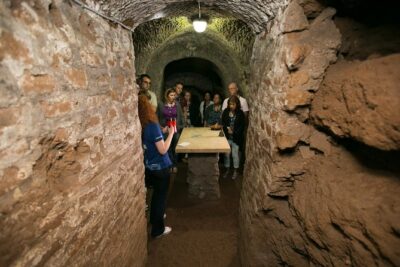
The Original Roman Crypts and Catacombs Tour with Transfers
Read our review →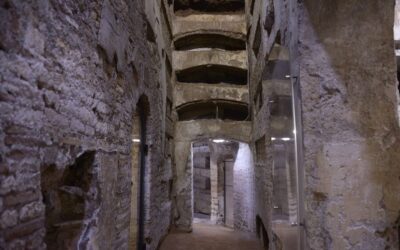
Catacombs of St. Callixtus Entry Ticket & Guided Tour
Read our review →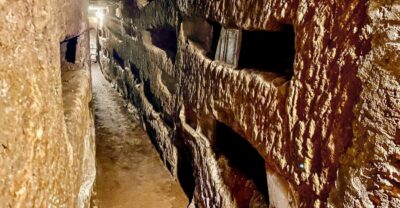

Rome EBike Tour: Appian Way, Catacombs & Roman Aqueducts
Read our review →
Catacombs and Capuchin Crypt Guided Tour with Transfer
Read our review →
St. Peter’s Basilica Priority Access Tour with Dome & Crypt
Read our review →Browse the lists this tour appears in