
Reviewed · COOKING CLASSES
Gelato Cooking Class in Rome – Create & Taste Italian Gelato
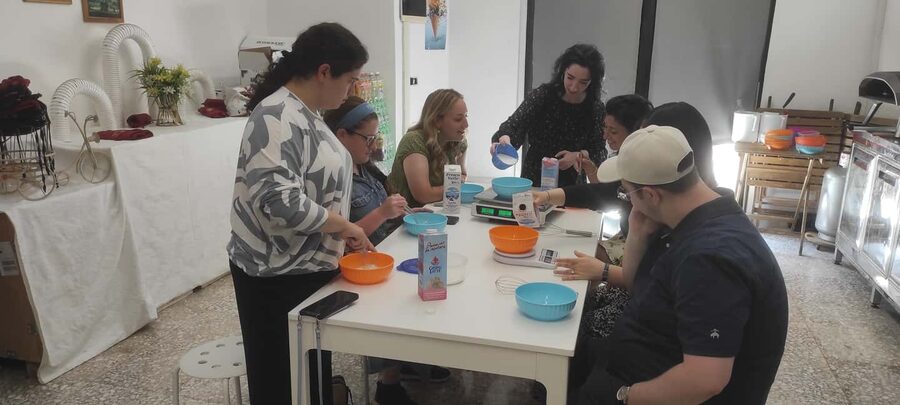
A gelato cooking class in Rome is interesting because you do more than eat dessert. You learn the steps that turn milk, sugar, and flavoring into a creamy frozen treat you can actually recreate.
I love fresh, natural ingredients and the hands-on rhythm of mixing and machine work. I also like that this is a small-group experience, up to 10 people, so you can get help as you go. One thing to consider is price, $106 for about 1.5 hours, so it is best value if gelato is a real priority for you.
Key highlights you should know before you book
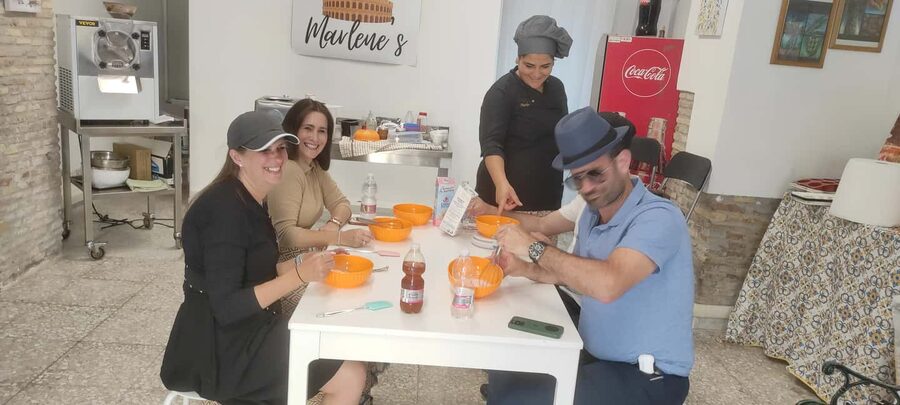
- Hands-on gelato making with professional guidance, not a sit-and-watch demo
- Natural gelato positioned as free from artificial colors, preservatives, and chemicals
- Tasting all flavors in the shop, plus a cone or cup of your choice after
- Classic and creative flavor options, including vanilla, chocolate, pistachio, and mango
- Small group size (max 10) for more personal attention while you work
- Take-home gelato, so your “one scoop” trip doesn’t end when class ends
Marlene’s Gelateria: where your gelato lesson actually starts
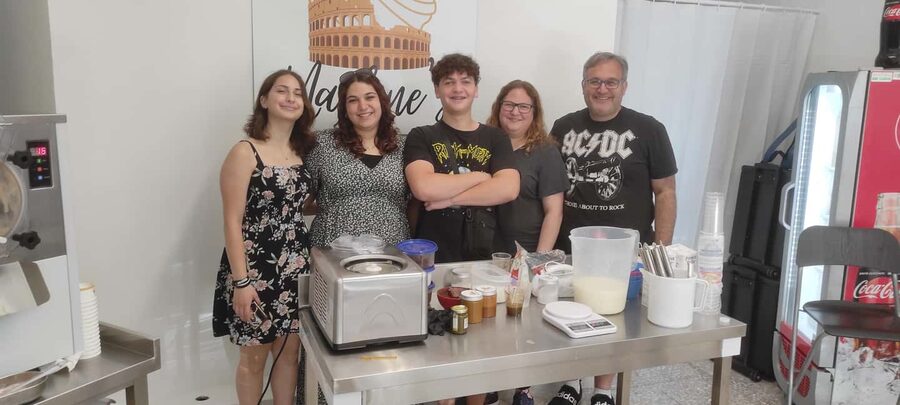
This class takes place at Marlene’s Gelateria, and that matters more than you might think. You are not learning gelato theory somewhere detached from the product. You start in a real shop environment where the flavors, the equipment, and the pace of production all make sense.
The workshop lasts 1.5 hours. That is a short window, so the format is designed to be efficient: quick setup, clear instruction, hands-on mixing and machine work, and then tastings. If you like structured experiences with a clear finish line, this fits.
You should also know the class is planned for all skill levels. You do not need baking confidence. You do need curiosity. The instructors explain what each ingredient is doing and how technique affects texture, so even if you never made frozen dessert at home, you still leave with usable skills.
More cooking classes in Rome:
- 3 in 1 Cooking Class near Navona: Fettuccine, Ravioli & Tiramisu
★ 5.0 · 7,376 reviews - Rome: Pasta Making Class with Wine, Limoncello, and Dessert
★ 4.9 · 3,177 reviews - Rome: 3-in-1 Fettuccine, Ravioli, and Tiramisu Cooking Class
★ 4.9 · 2,704 reviews
The gelato basics they teach you first
Before you touch the ingredients, you get an introduction that keeps you from treating gelato like just flavored ice cream. You learn the difference between gelato and traditional ice cream, and you also cover sorbet so you understand what changes when there is no dairy.
This part is practical. Texture is not an accident. Gelato tends to be denser and smoother, and a big reason is how it is churned and how the mix is built. In class, you get tips for getting the right consistency and for balancing flavors so your batch tastes intentional rather than just sweet.
One extra detail that can be surprisingly interesting is the discussion around kosher. An instructor named Ramon (mentioned in past accounts) was specifically praised for clearly explaining the steps and also the significance of kosher for Marlene’s Gelateria. Even if you do not keep kosher yourself, this gives you insight into how ingredient choices and production standards shape the final product.
Ingredients and equipment: what you learn and why it matters
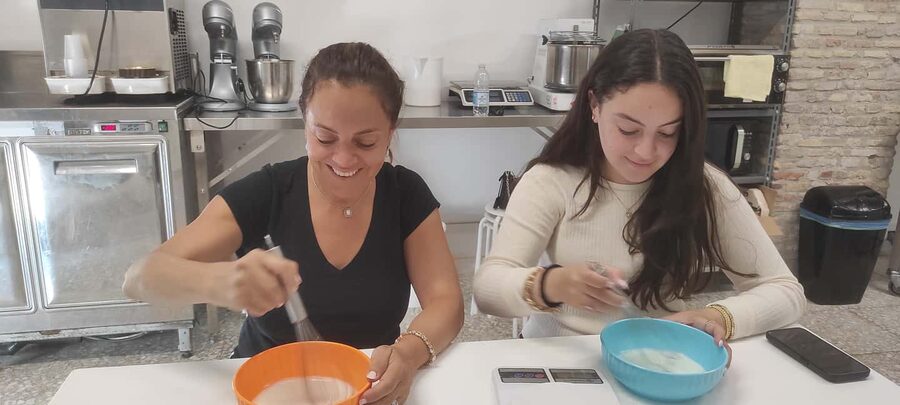
Gelato tastes simple, but it is not random. In this class, you are taught what makes gelato ingredients special and how equipment changes results.
You will learn:
- what the essential ingredients are and why they are used
- how to prep mix before it goes into the ice cream maker
- how commercial tools support consistency
The equipment part is useful even if you are not going to buy a professional machine. You learn what to watch for during mixing and handling, which is where many home attempts fall apart. The class also references machines like gelato machines and tools for combining flavor components, so the process connects back to what you buy in a shop.
And because the class emphasizes natural gelato with no artificial colors, preservatives, or chemicals, you start seeing ingredients as the main event. That also affects flavor intensity. Natural flavors often taste more “real” and less masked, which is why the next step, the tasting, is so important.
Hands-on gelato making: your batch from start to finish
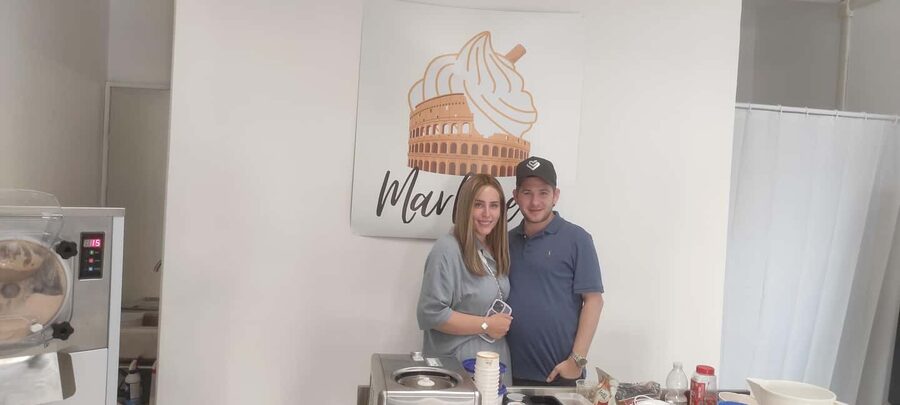
This is the core of the experience. You will make your own gelato batch from scratch, guided by a professional instructor. The best part of a short class like this is that you do not just observe the “cool part.” You actually perform the steps.
You also get to experiment with flavors. Based on the class descriptions and past feedback, you may work with classic options like vanilla and chocolate and also with more distinctive choices like pistachio or mango. There is also emphasis on how to add mix-ins like fruit, nuts, and chocolate, which is a great way to understand flavor balance.
A few more Rome tours worth comparing
- Rome: Pasta & Tiramisu Class with Fine Wine by the Vatican
★ 4.9 · 4,852 reviews - Rome: Fettuccine Pasta Cooking Class in Rome’s City Center
★ 4.8 · 2,414 reviews - Rome: Traditional Pasta with Cocktails Cooking Class
★ 5.0 · 2,374 reviews - Become a Masterchef in Rome: Pasta, Ravioli and Tiramisù Class
★ 5.0 · 2,156 reviews
What you are training your hands to do
You are learning technique, not just recipes. The class format typically focuses on:
- ingredient prep before churning
- getting the mix right so the machine can do its job
- understanding consistency so your gelato sets the way it should
In past experiences with this workshop, the instructor was praised for explaining key differences between soft serve, ice cream, and sorbet, and for walking people through ingredient prep. That is exactly what you want from a class. If someone can explain the “why,” you get better results later.
A quick reality check on texture
With gelato, timing and temperature matter. The class is only 1.5 hours, so it will not turn into a long bake-session. Instead, it gives you the highest-value lessons quickly. If you want to become a serious gelato geek, you will still need practice at home, but you will start from a more correct foundation than most DIY attempts.
The shop tasting: the part that makes it feel complete
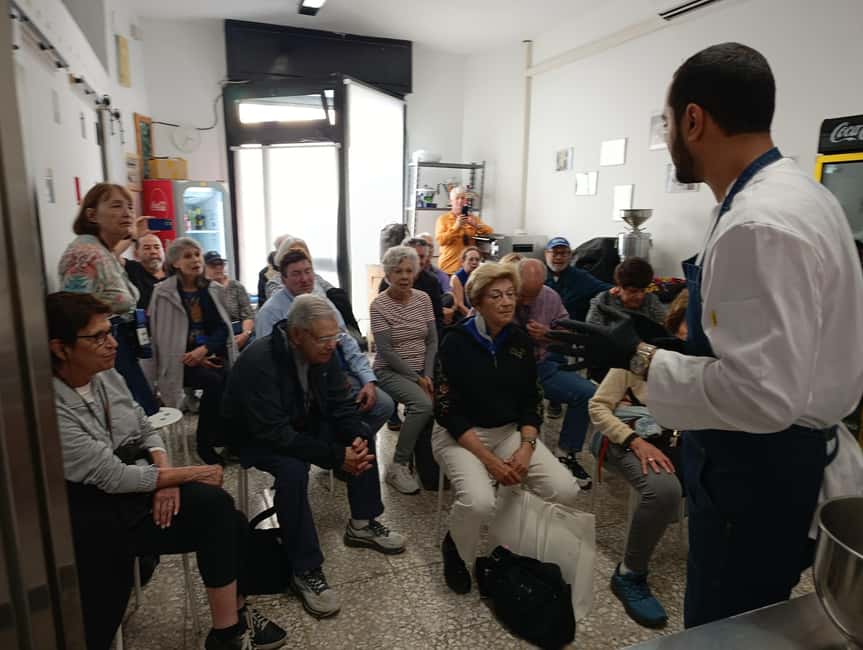
After you make your batch, you get to taste what you were learning about. The program includes a chance to visit the gelateria and sample all the flavors in the shop.
This is one of the most praised parts of the whole experience, and I agree with the logic. Making gelato teaches you technique. Tasting teaches you judgment. When you taste a lineup across vanilla, chocolate, fruit flavors, nut flavors, and more, you learn how different mixes behave in real life.
In addition to the full shop tasting, the class includes one ice cream cone or cup from Marlene’s Gelateria. That means you get your personal favorite moment, not just sampler bites. It is also a nice reward that makes the class feel like a complete food experience, not only a workshop.
Behind the scenes
Some versions of the experience include a look at the commercial kitchen behind the shop floor. If you get that peek, it helps connect what you do at your station to how the shop runs. Even if you do not get every production step explained, seeing the space makes the whole process feel more believable.
Taking gelato home, and using what you learned
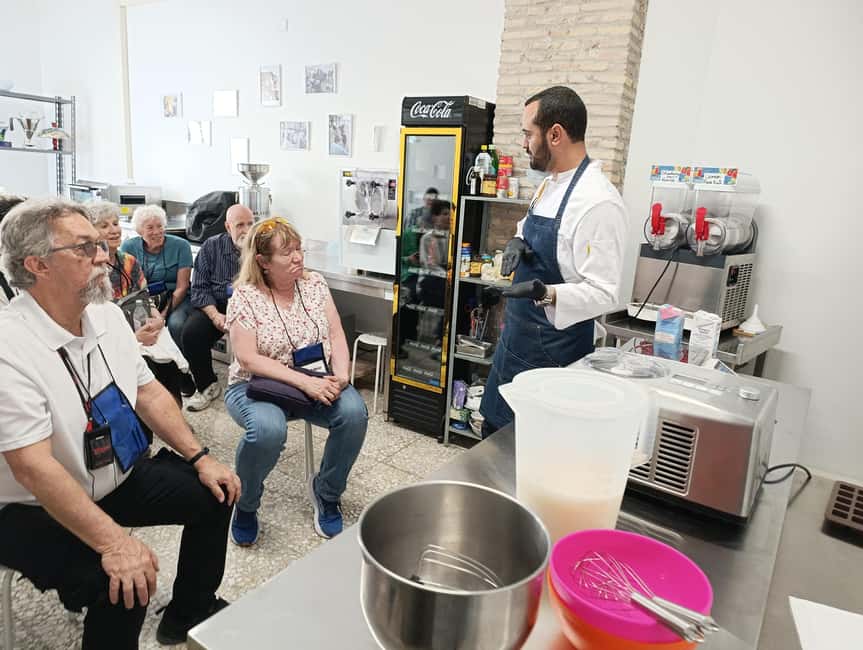
You can take your handmade gelato home at the end. That turns the class into a practical win. You get immediate results for your efforts, and you can also share with family, friends, or just future you who deserves dessert again later.
You also walk away with useful resources for sourcing ingredients and equipment, at least at a guidance level. The class description says you gain access to resources for sourcing high-quality ingredients and equipment. Even if you do not buy anything right away, having a starting point can save you from guessing.
At home, your “first attempt” will not be perfect. But if you remember what the instructor emphasized about consistency and flavor balance, your results will improve faster than if you started with random recipes.
Price and value: is $106 for 1.5 hours worth it?
Let’s talk straight about the number: $106 per person for about 1.5 hours.
This price can feel steep if you expect something like a casual tasting flight. You are not just eating. You are:
- learning technique and differences between gelato, ice cream, and sorbet
- making a batch by hand under guidance
- tasting a broad range of shop flavors
- getting cone or cup included
- taking home your own gelato
- getting bottled water or a soft drink
So the value sits in the combination. You get a workshop with a real production connection, and you leave with product, not just knowledge.
I think it is good value if:
- gelato is a top food goal for your Rome trip
- you like cooking classes where you do the work
- you want a guided way to understand texture and flavor balance
- you will use what you learn, not just taste it once
It may feel less worth it if:
- you mostly want maximum quantity of gelato for the money
- you are not that interested in how it is made
- you prefer long, slow food experiences over hands-on sessions
Who this class suits best (and how to get the most from it)
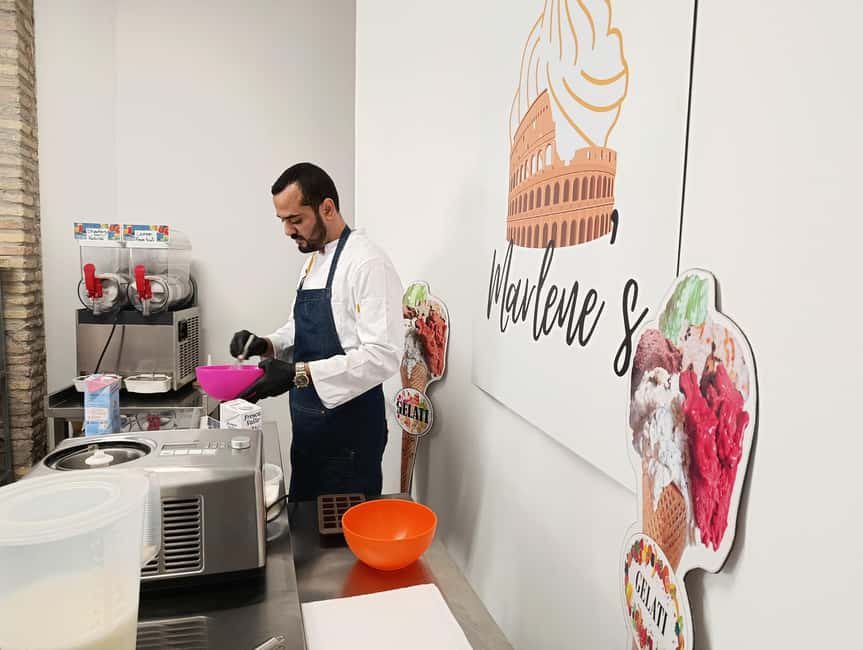
This workshop is designed for all skill levels, and it is also set up in a small group, limited to 10 participants. That makes it a decent option for families because the pace is structured and the instructor can give personalized attention.
If you are traveling with kids, the class can be a fun way to turn dessert curiosity into a real activity. You will still want to use your judgment about children and how long they can comfortably sit through instruction. The class is short, which helps.
If you are a solo traveler or a couple, you get the benefit of interaction without being lost in a huge crowd. You should still arrive with an open mind. Ask questions about ingredient choices and consistency, because those are the lessons that turn a good gelato into a repeatable one.
Small tips to make your experience smoother
- Go in ready to taste. Even if you think you know your favorites, shop tasting can surprise you.
- Pay attention to the differences explained between gelato and other frozen desserts, because that affects how you judge texture.
- If you have a flavor preference, try to remember it while the tasting is happening, so you can compare your homemade batch to the shop lineup.
Language is another practical piece. The instructor can speak English, Italian, Arabic, and Hebrew, which is helpful if you want clearer explanations and not just a few gestures.
Quick practical details you should plan around
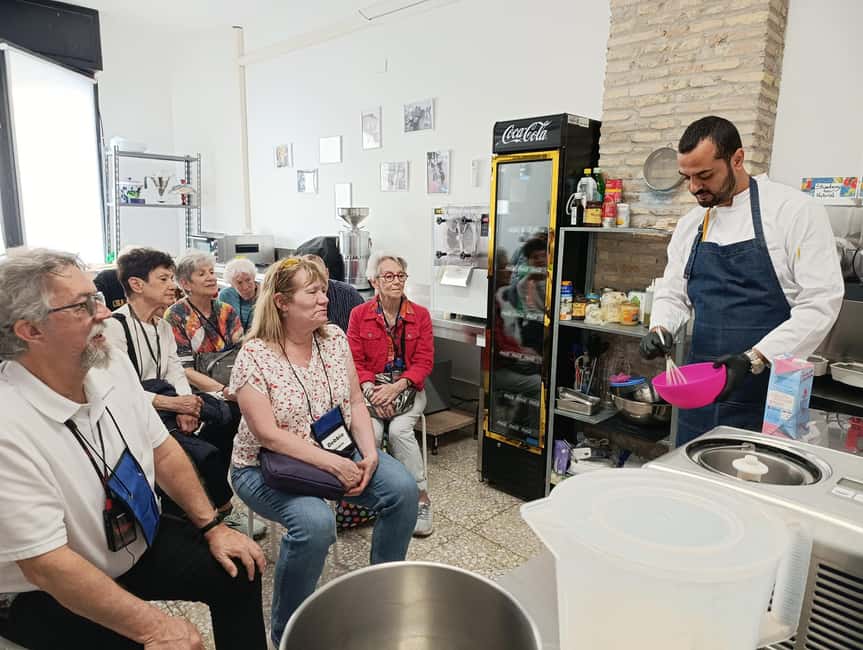
The meeting point is Marlene’s Gelateria. The experience is 1.5 hours, and it is capped at 10 participants for a small-group feel. You will get bottled water or a soft drink, plus one cone or cup included with the program.
The class also notes it is wheelchair accessible, so mobility needs should be manageable. If you have specific access questions, it is smart to check before you go, but the experience is marked accessible.
And if plans change, there is free cancellation up to 24 hours in advance, plus a reserve now, pay later option. That lowers risk when you are juggling Rome reservations.
Should you book this gelato class in Rome?
If you want the “Rome” experience to include something more than walking and shopping, this is a strong pick. You get hands-on making, a serious tasting session, and a take-home payoff, all in a short time. It is also anchored in one shop, Marlene’s Gelateria, so the gelato world you learn is not hypothetical.
Book it if:
- gelato is high on your list
- you like food learning where you actually participate
- you want a small-group class with guidance and tasting included
Skip it if:
- you just want a quick sugar hit and do not care how it is made
- you want maximum quantity for the money
If you are deciding right now, my advice is simple: if you enjoy gelato enough to seek it out twice, this class makes the second scoop smarter.
FAQ
How long is the gelato cooking class?
The class duration is 1.5 hours.
Where does the class meet in Rome?
The meeting point is MARLENE’S GELATERIA.
How many people are in the group?
The class is a small group limited to 10 participants.
What languages are the instructors available in?
The instructor languages include English, Italian, Arabic, and Hebrew.
Is the class wheelchair accessible?
Yes, the activity is listed as wheelchair accessible.
What is included in the price?
Included elements are an explanation of gelato making and ingredients, making your own handcrafted gelato with fresh natural ingredients, gelato tasting (including trying all flavors in the shop), and one ice cream cone or cup, plus bottled water or a soft drink.
Do you get to take gelato home?
Yes, at the end of the cooking class you can take home your handmade gelato.
What is the cancellation policy?
You can cancel up to 24 hours in advance for a full refund.
Recently reviewed around Rome
- Rome: Castelli Romani Hop-on and Hop-off Tour★ 4.9 · 32 reviews
- Rome: Food Tour near Vatican City with Wine★ 4.8 · 100 reviews
- Rome: Scavenger Hunt Self-Guided Tour★ 4.6 · 15 reviews
- Hidden Rome: Small Group E-Bike Tour with Street Food Stops★ 4.9 · 144 reviews
- Rome: Highlights Tour in Golf Cart★ 4.9 · 28 reviews
- Rome: Hop-on Hop-off Bus Tour and Colosseum Experience★ 3.4 · 163 reviews
- Rome: Guided Haunted Rome Ghost Tour with Dowsing Rods★ 4.8 · 63 reviews
- Rome: Highlights Photo Shoot for Memorable Moments★ 5.0 · 32 reviews
Cooking Classes, compared.
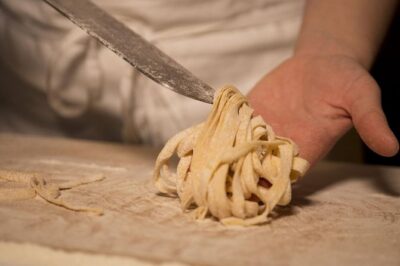
3 in 1 Cooking Class near Navona: Fettuccine, Ravioli & Tiramisu
Read our review →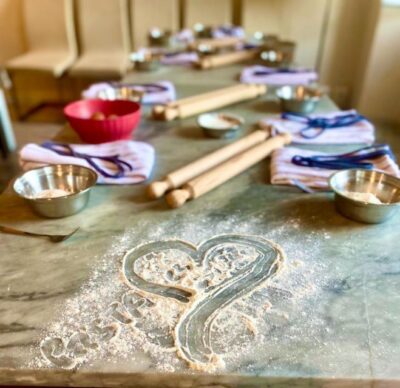
Pasta Making Class with Wine, Limoncello, and Dessert
Read our review →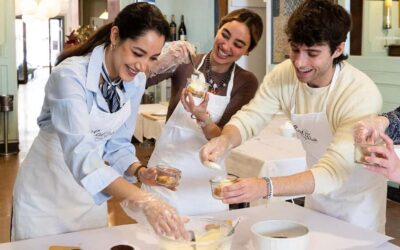
3-in-1 Fettuccine, Ravioli, and Tiramisu Cooking Class
Read our review →
Fettuccine Pasta Cooking Class in Rome’s City Center
Read our review →
Traditional Pasta with Cocktails Cooking Class
Read our review →
Fettuccine and Tiramisu Cooking Class with Wine
Read our review →
Pasta Cooking Class Near the Colosseum with 3 Spritz Cocktails
Read our review →
Enjoy Spritz and Pasta Making in Piazza Navona
Read our review →Browse the lists this tour appears in