
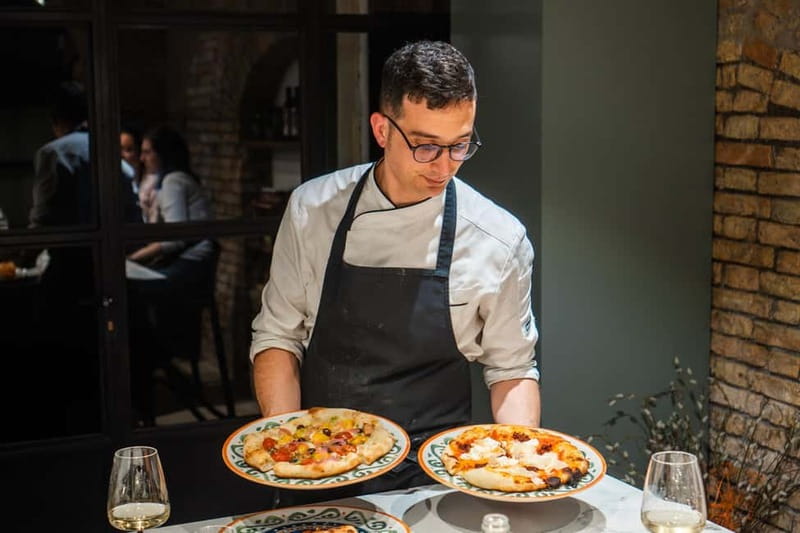
Reviewed · COOKING CLASSES
Rome: Pizza and Gelato Cooking Class with Wine
Rome food classes are everywhere, but this one feels more like a lived-in evening. You learn pizza, supplì, and gelato in the same 3 hours, and you get the extra Roman touch of free-flowing Italian wine while you cook and then sit down to eat.
What I like most is how hands-on it is, you start from dough for your pizza and you shape, sauce, top, and watch it bake. Second, the teaching is very practical, with chefs like Chef Max, Marco, and Alessandro guiding the steps in English, plus a recipe booklet so you can repeat it later.
The main drawback to consider is food safety and allergies. This experience is not recommended for people with celiac disease, and it notes possible traces of gluten and nuts, so it is not a fit for everyone.
Key highlights worth planning around
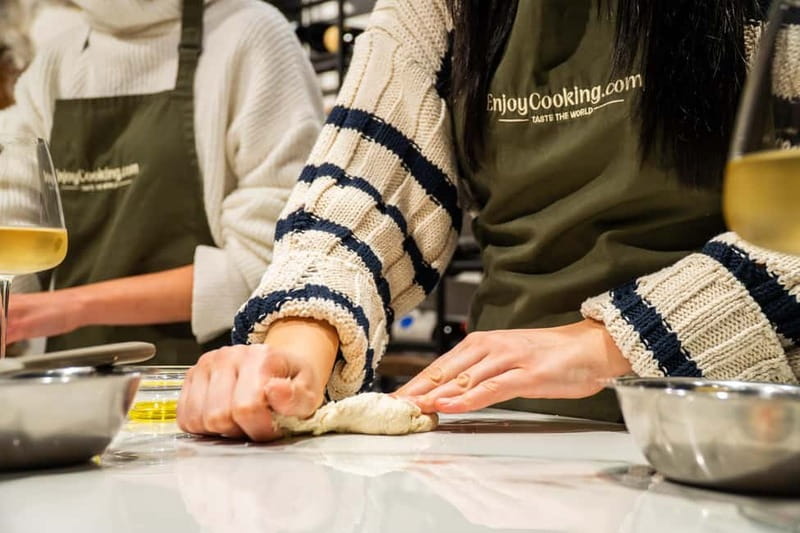
- Pizza from scratch, including kneading the dough and building your own toppings
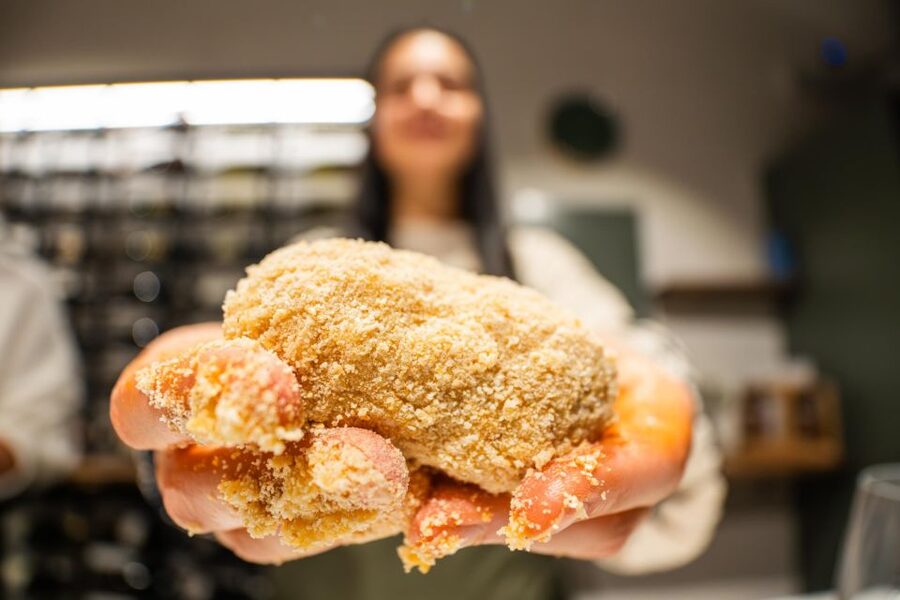
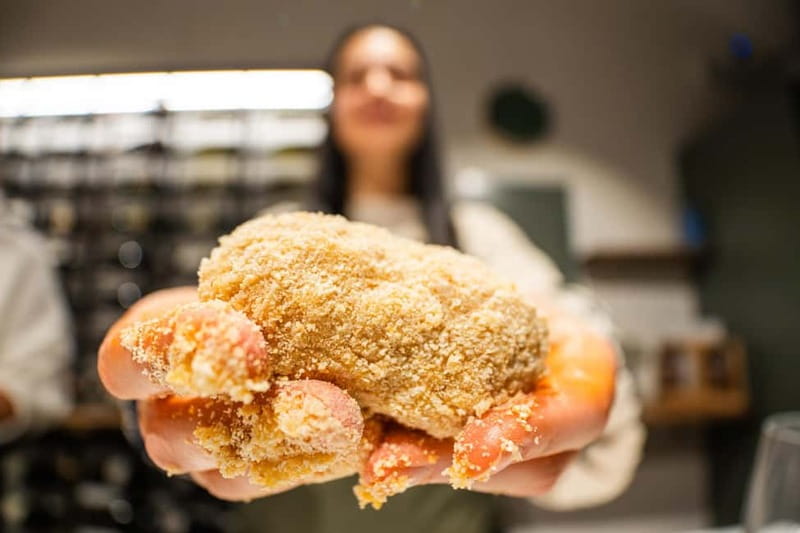
- Supplì lesson, Rome-style crispy rice croquettes with a gooey mozzarella center
- Gelato made with technique, not just throwing ingredients in a machine
- Small group setup (max 12), so you get real attention while you cook
- Chef-led, English instruction, with names like Max, Marco, and Alessandro showing up in the experience
- A proper sit-down finish, paired with snacks, coffee, and bottomless wine
Why a Rome Pizza, Supplì, and Gelato Class Beats a Food Tour
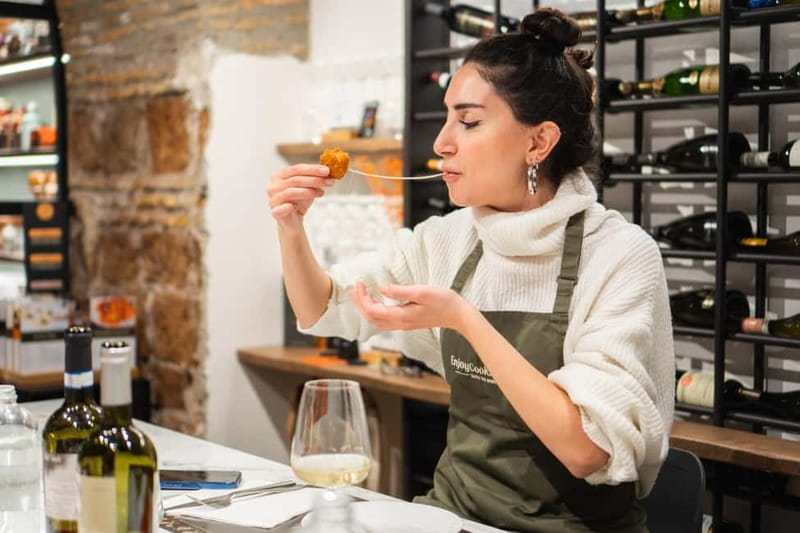
If you want Rome to feel personal, do something with your hands. This class turns the city’s most familiar comfort foods into skills you actually keep, like how to handle pizza dough and how to balance gelato ingredients for a better texture.
I also like the pacing. You are not bouncing between multiple stops, you stay in one place and go from dough to fryable crunch to creamy cold in one smooth evening. That matters, because it keeps you focused and makes the final meal feel earned.
The format is also built for good learning. The class stays small, with a cap of 12 people, and the chef offers personalized guidance. In practice, that means you do not spend the whole time watching someone else cook, you do the work.
Finally, the wine is part of the rhythm, not just an afterthought. Free-flowing Italian wine shows up while you cook and then again when you sit down together, which is very on-brand for Rome aperitivo culture.
More cooking classes in Rome:
- 3 in 1 Cooking Class near Navona: Fettuccine, Ravioli & Tiramisu
★ 5.0 · 7,376 reviews - Rome: Pasta Making Class with Wine, Limoncello, and Dessert
★ 4.9 · 3,177 reviews - Rome: 3-in-1 Fettuccine, Ravioli, and Tiramisu Cooking Class
★ 4.9 · 2,704 reviews
The 3-Hour Plan: Pizza Dough to Gelato Spoons
The class runs about 3 hours, and you will want to book a start time that fits your energy level. Since you are cooking and then eating, a too-late slot can put you into a food-and-wine fog. A pre-dinner slot is often the sweet spot.
Pizza masterclass: dough, sauce, and toppings you build
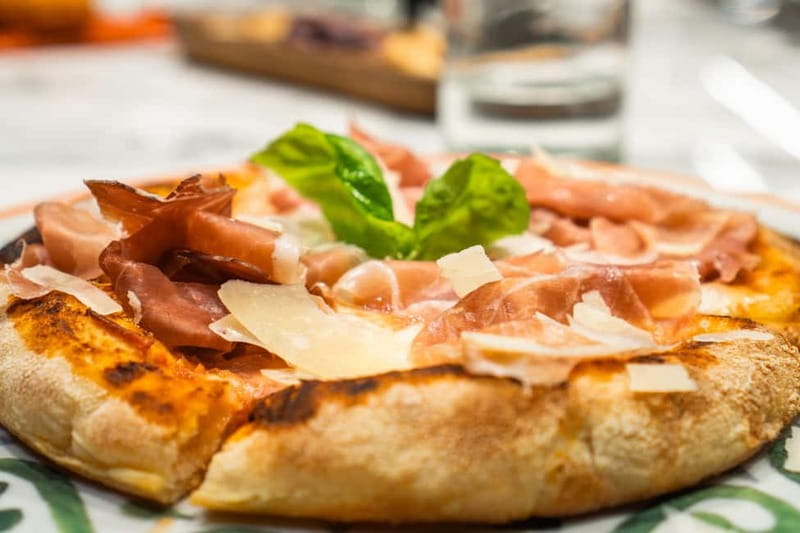
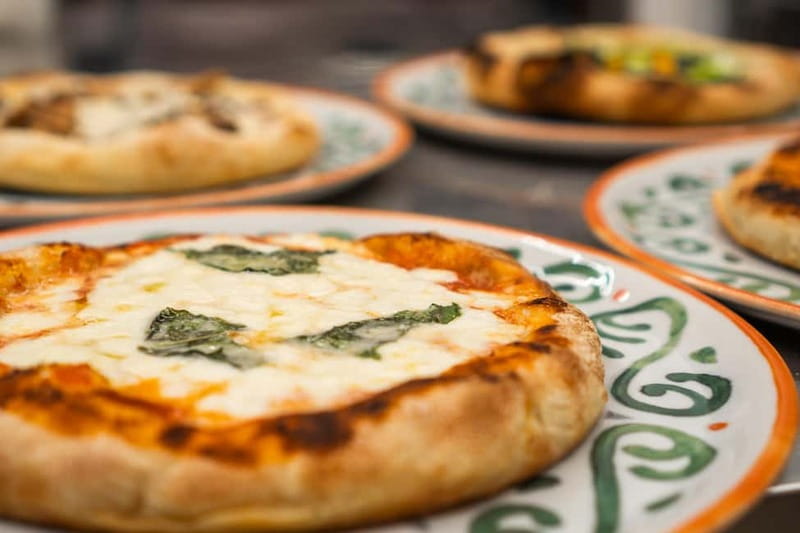
You begin with the pizza basics, from dough work to shaping and topping. Expect kneading and hands-on technique, not just rolling out a pre-made crust. You also learn how sauce and toppings should be treated so your pizza tastes like what you came to Rome for, not like a tourist imitation.
The big win here is control. When you make dough yourself, you notice how texture changes as you work it, and you start to understand why certain pizzas in Rome taste lighter or crispier. The class also gives you the structure to repeat it at home later, and the included recipe booklet helps you translate the steps.
When you get to baking, it becomes the payoff moment. You see your work turn into a real Roman-style pizza rather than a kitchen craft project that never quite becomes dinner.
Supplì masterclass: crispy outside, melty center
Next comes Rome’s beloved street-food cousin to croquettes: supplì. This is where you learn the method behind the golden crunch and the gooey mozzarella center. Supplì can be tricky if you just wing it at home, so being taught the technique is a real advantage.
The practical takeaway is handling. You are not only learning ingredients, you are learning how to form and manage the mix so it stays together and fries up right. That is the difference between something that looks like supplì and something that actually eats like it.
Also, since this is not a long meal-service restaurant kitchen, you have time to ask questions and get corrections. A good teacher will help you avoid the common mistakes, like texture issues that can lead to soft crusts or uneven frying.
More wine tastings around Rome:
- Rome: Tuscany & Montepulciano Day Trip with Lunch & Wine Tasting
★ 4.5 · 5,232 reviews - Rome: Pasta & Tiramisu Class with Fine Wine by the Vatican
★ 4.9 · 4,852 reviews - Rome Food Tour: Unlimited Tastings with Fine Wine & Barolo
★ 5.0 · 3,365 reviews - Rome: Trastevere Food tour with Free-Flowing Fine Wine
★ 5.0 · 2,853 reviews
Gelato masterclass: seasonal ingredients and the right texture
You finish with gelato, using fresh, seasonal ingredients. The key point is that you are not just learning flavors, you are learning a technique that affects how gelato sets and feels on your tongue.
Gelato is one of those things people assume is similar to ice cream. The class focuses on what makes the Italian style different, so you can taste the contrast right away and learn why it matters when you try it later.
Depending on the class flow, you may prepare gelato flavors during the session and then enjoy it as part of the final meal. Either way, it is a great close because it balances the savory parts with something cool and sweet.
Chef Energy, Small-Group Attention, and Helpful English
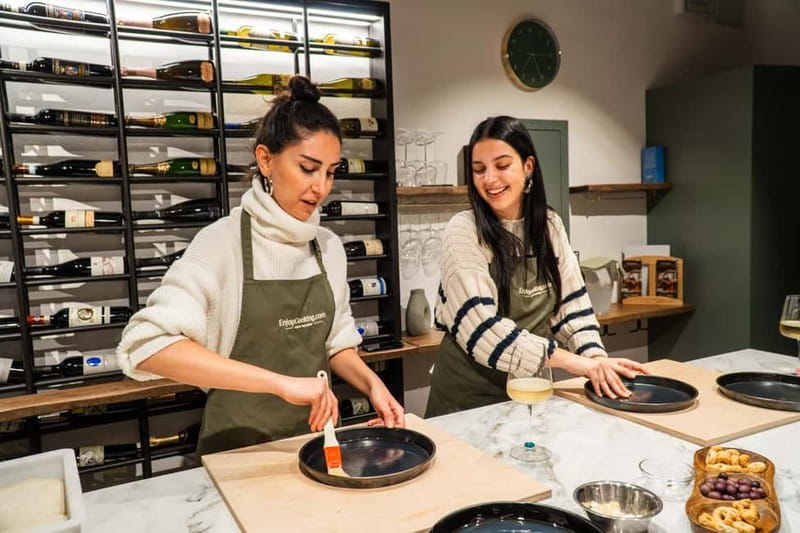
This class works because of the teaching. Chefs named Chef Max, Marco, and Alessandro show up repeatedly in the descriptions, and the pattern is consistent: clear instruction, patience, and a friendly vibe in a small kitchen.
What I look for in cooking classes is how they handle beginners. Here, the guidance is described as personalized, and multiple people say they felt comfortable even if they had never cooked before. That is exactly what you want, because pizza dough and supplì formation are not instinctive for most people.
The kitchen also matters. One write-up calls out a modern, clean kitchen, which makes a big difference when you are mixing and shaping food. Clean workspace equals less stress, and less stress means you learn more.
Also, English instruction helps you move faster. You do not have to guess what the chef means by timing, texture, or what good dough should feel like.
Wine, Snacks, and the Sit-Down Finale
This is not a class where you just make food and walk away with a box. You cook, then you gather to eat what you made, and the wine is included and free-flowing.
While that sounds obvious, the practical value is pacing. You are not stuck hunting for a glass of wine after class. The “bottomless” style also encourages you to relax, chat, and enjoy the group energy that helps the whole evening feel Roman.
You will also have coffee and nonalcoholic drinks alongside snacks during cooking. That helps if you want the social side without going all in on alcohol.
One caution. Free-flowing wine can add up. If you are planning to walk around afterward, pace yourself during cooking and switch to coffee or water when you need it.
Location and Timing: Planning Around Central Rome
The meeting point can vary by option, but the vibe is strongly central. One account notes the meeting area is near the Colosseum, and that you might catch it lit up while you are out in the evening.
Even if you do not see the Colosseum from your exact starting spot, being in central Rome helps. You can build a simple plan: a pre-class stroll to get your bearings, then a focused cooking session, then dinner or a short walk afterward.
With 3 hours, you should also account for travel time to the meeting point. Rome sidewalks are uneven and streets can be busy, so give yourself buffer time to arrive calm and ready to cook.
Cost and Value: What $112 Gets You Here
At about $112.15 per person, this class is not a budget snack. But you are also not buying one item. You are getting three cooking masterclasses: pizza from scratch, supplì, and gelato, plus wine, snacks, and coffee or nonalcoholic drinks.
Here is why that price can feel fair. Ingredients for three different dishes, plus chef instruction and use of equipment, is what usually makes classes expensive. When the experience stays small, with a maximum of 12, you are paying for attention, not just access to a kitchen.
The included recipe booklet is another value boost. If you go home and can actually reproduce what you learned, this stops being a one-night souvenir. It becomes a repeatable cooking night.
And if you like the idea of a date night or a family activity, the class setup can work well. Multiple write-ups mention kids enjoying it too, which suggests the teaching style is approachable, not only for experienced cooks.
Dietary Reality Check: Gluten, Celiac, and Traces
This is the part you should read twice.
The class is not recommended for people with celiac disease. It also says it is not suitable for those with gluten intolerance. Even if you do not have celiac, there can be traces of gluten and nuts, so severe allergies may be an issue.
If you have any special dietary needs, you should notify the team when booking so they can arrange what is possible. The info says they can accommodate special dietary requirements, but it also draws a firm line at celiac and gluten-intolerance cases, so do not count on a gluten-free guarantee.
If you are unsure, ask before you book. This is one of those “know before you go” situations where a quick question is worth more than hoping.
Who Should Book This, and Who Should Skip It
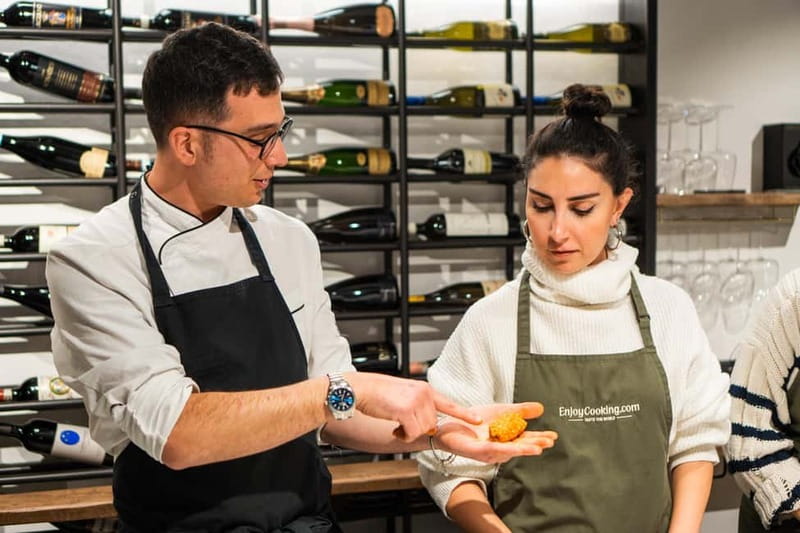
I think this class is ideal if you want Rome in a hands-on way. It is great for couples, friends, and solo travelers who like structured group activities. It also fits families because people describe a friendly, patient teaching style for children and teens.
You will get the most out of it if you enjoy learning technique. If your goal is purely to eat, you could find simpler meals. But if your goal is to come home able to make pizza dough, shape supplì, and create better gelato texture, this is a stronger choice.
Skip it, or at least be cautious, if gluten is a deal-breaker. The class is not a safe option for celiac, and it notes possible gluten and nut traces.
Also, if you do not drink, remember the class includes free-flowing wine. You can choose not to drink, but the wine will still be part of the social atmosphere.
Should You Book This Rome Cooking Class?
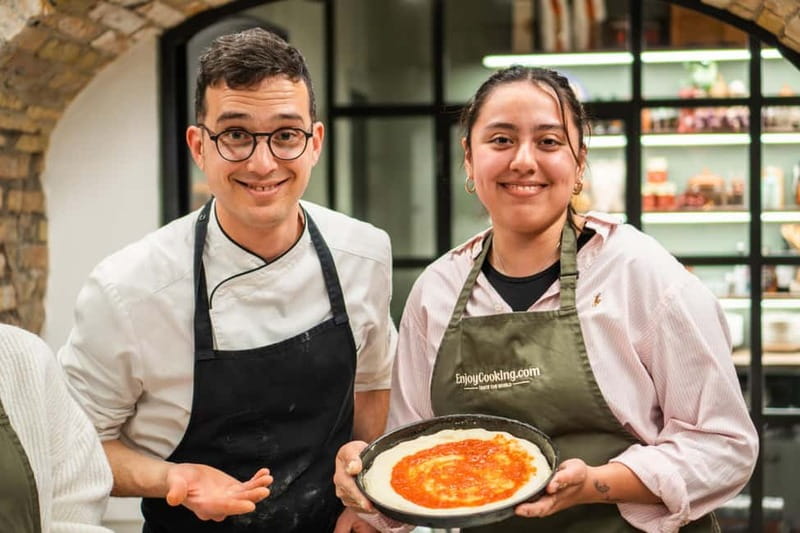
Yes, if you want a practical souvenir. Cooking pizza dough, making supplì, and learning gelato technique means you leave with skills, not just photos.
I would book it if you like small groups and a guided experience. With a max of 12 people, you are less likely to feel lost or ignored. And the consistent praise for chefs like Chef Max, Marco, and Alessandro points to a teaching style that actually works for different skill levels.
I would think twice if gluten and allergies are involved. The class clearly flags celiac and gluten intolerance, plus possible traces of gluten and nuts.
If you are still deciding, here is the best way to choose. Ask yourself if you want Rome to be something you do for a few hours, not just something you eat. If the answer is yes, this class is a solid pick for an evening in Lazio and a genuinely Roman way to spend 3 hours.
FAQ
How long is the Rome Pizza and Gelato Cooking Class with Wine?
The experience lasts about 3 hours.
Is the class taught in English?
Yes, instruction is in English.
What is the group size?
It is a small-group experience, with a maximum of 12 people.
Is wine included in the class?
Yes. There is free-flowing Italian wine, along with coffee and nonalcoholic drinks.
Is this class gluten-free or safe for celiac disease?
No. It is not recommended for people with celiac disease, and it is not suitable for people with gluten intolerance. The class also notes possible traces of gluten and nuts.
Can I pay later and keep my plans flexible?
Yes. The experience offers reserve now and pay later, so you can book your spot without paying today.
More Workshops in Rome
- Rome: Fettuccine Pasta Cooking Class in Rome’s City Center
★ 4.8 · 2,414 reviews - Rome: Traditional Pasta with Cocktails Cooking Class
★ 5.0 · 2,374 reviews - Become a Masterchef in Rome: Pasta, Ravioli and Tiramisù Class
★ 5.0 · 2,156 reviews - Rome: Fettuccine and Tiramisu Cooking Class with Wine
★ 4.8 · 2,013 reviews
Recently reviewed around Rome
- Ancient Etruscan Civilization Tour from Rome★ 5.0 · 16 reviews
- Colosseum with Arena Floor Express Guided Tour★ 3.5 · 22 reviews
- Private Tour – Ancient Ostia★ 5.0 · 42 reviews
- PRIVATE Appian Way and Lake Albano Ebike Tour with Italian Lunch★ 5.0 · 12 reviews
- Ancient Appian Way and Roman Countryside E-Bike Tour★ 4.5 · 13 reviews
- Ancient Appian Way PRIVATE Bike Tour★ 5.0 · 89 reviews
- Catacombs and Hidden Underground Rome: Small Group Max 6 People★ 5.0 · 293 reviews
- Amalfi Coast Day Trip from Rome by High-Speed Train★ 4.5 · 162 reviews
Cooking Classes, compared.
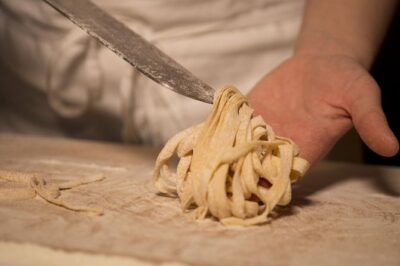
3 in 1 Cooking Class near Navona: Fettuccine, Ravioli & Tiramisu
Read our review →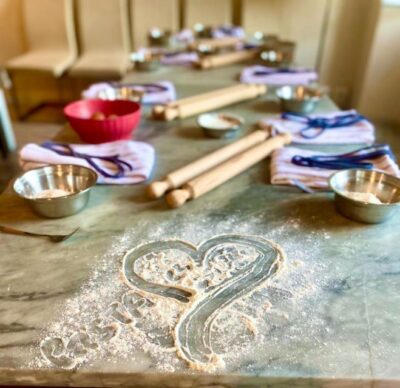
Pasta Making Class with Wine, Limoncello, and Dessert
Read our review →
3-in-1 Fettuccine, Ravioli, and Tiramisu Cooking Class
Read our review →
Fettuccine Pasta Cooking Class in Rome’s City Center
Read our review →
Traditional Pasta with Cocktails Cooking Class
Read our review →
Fettuccine and Tiramisu Cooking Class with Wine
Read our review →
Pasta Cooking Class Near the Colosseum with 3 Spritz Cocktails
Read our review →
Enjoy Spritz and Pasta Making in Piazza Navona
Read our review →Browse the lists this tour appears in