
Reviewed · COOKING CLASSES
Exclusive cooking class in Roman countryside with local chef
A cooking class in the Roman countryside beats another day of just watching. Here, you head out to Zagarolo, roll up your sleeves in Claudia’s home kitchen, then sit down to eat what you made like locals do. I especially love that the class focuses on handmade Roman pasta and farm-forward ingredients, not shortcuts. I also like the small-group feel, limited to 8, which makes it easier to ask questions and learn technique.
One thing to consider: the meeting is at Zagarolo Station, and the pickup is tied to finding Bruno in the square, usually by car. If you arrive late, or you are not sure where to look, the start can feel a little confusing before it all clicks.
Key things you’ll notice
- Pickup at Zagarolo Station with Bruno: you meet him in the station square and go by car to Claudia’s house.
- Seasonal Roman menu: the cooking changes with the time of year, with options like sorbets and ice cream in summer, and sfogliatelle and stuffed pasta in winter.
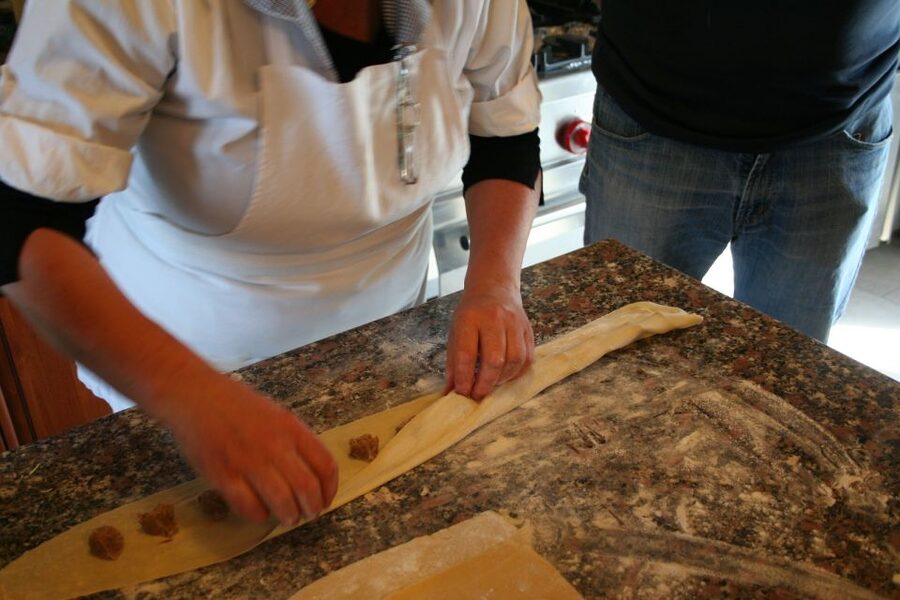
- Hands-on pasta making: you’ll work the dough from scratch, using flour from a local mill and eggs from a farmer.
- Real Italian Sunday lunch culture: you’ll build a multi-course meal and eat it together in a relaxed, family-style setting.
- Homemade wine with the meal: you get to taste what pairs with your cooking, not just bland juice or tea.
- Take-home recipes: you leave with written recipes so you can recreate the dishes back home.
Why Zagarolo brings you into real Roman food life
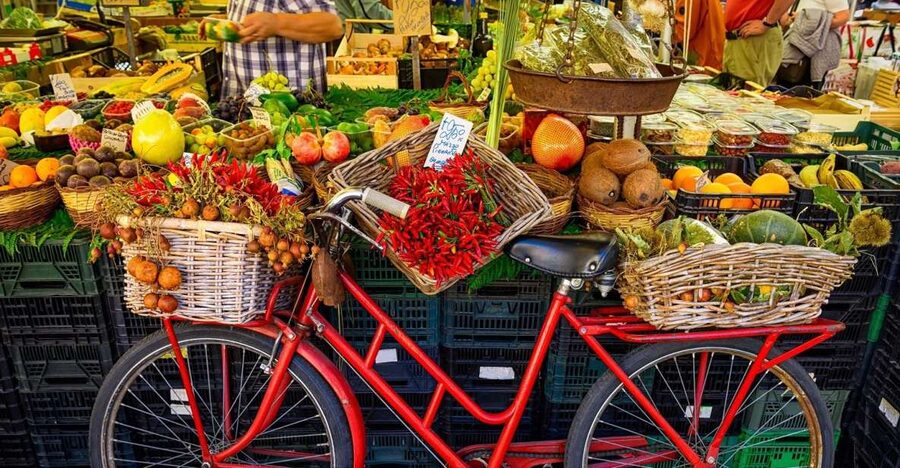
Rome gets all the attention, but Lazio has a calmer side, and that’s part of the point here. You’re not cooking in a studio kitchen. You’re going to a real home in Zagarolo, which sits between two valleys. The air feels different once you leave the city bustle, and your meal feels more connected to the place.
The class is built around a true Italian ritual: the Italian Sunday lunch. In Italy, Sunday lunch is not just food, it is a moment. It has pacing, comfort, and a sense of occasion. You’ll feel that as the day moves from prep to tasting, and from kitchen work to sitting down together.
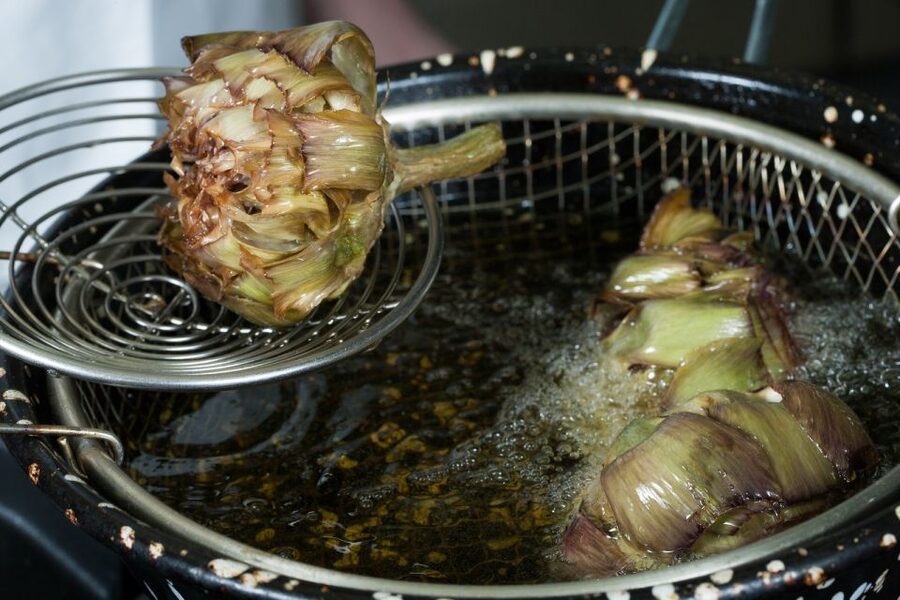
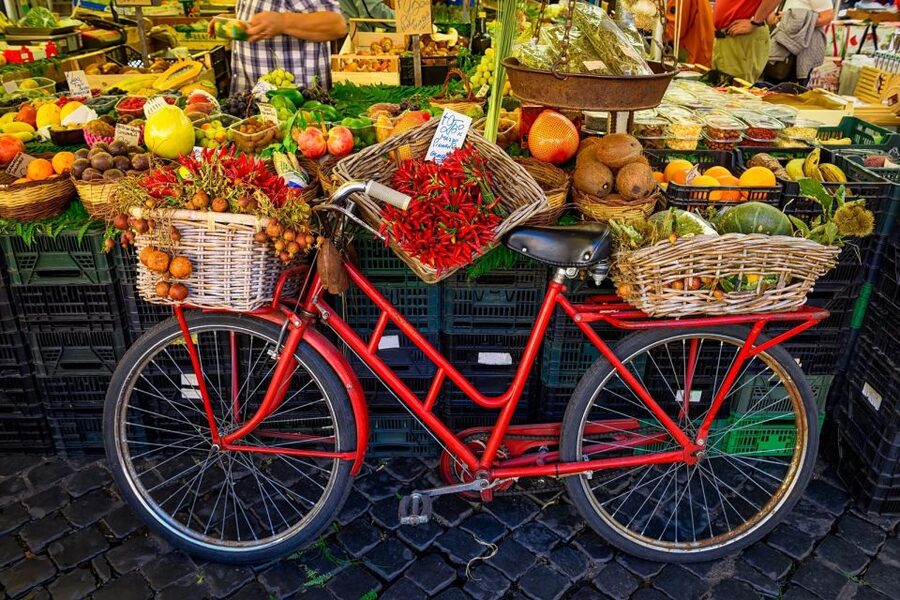
Two ingredients make the experience feel authentic. First, the food is tied to local sourcing details like flour from a local mill and eggs from a farmer. Second, the menu adjusts to the season. That means you are not guaranteed the exact same dishes every time, but you are guaranteed the right idea: Roman cooking that changes with what is available and what the household feels like making.
You also get the practical upside of a home setting. You’re guided through steps, not thrown into chaos. And because the group is small, your questions are more likely to land with the person who can actually answer them, Claudia and her host team.
More cooking classes in Rome:
- 3 in 1 Cooking Class near Navona: Fettuccine, Ravioli & Tiramisu
★ 5.0 · 7,376 reviews - Rome: Pasta Making Class with Wine, Limoncello, and Dessert
★ 4.9 · 3,177 reviews - Rome: 3-in-1 Fettuccine, Ravioli, and Tiramisu Cooking Class
★ 4.9 · 2,704 reviews
Meet Bruno and Claudia: the station pickup that starts the day
The whole experience begins at Zagarolo Station. Your guide is waiting there, and Bruno is the name you should look for. The pickup happens in the station square, then you ride by car to Claudia’s home.
If you’re coming from Rome, the most useful detail is timing. There’s a morning train option listed from Termini Station, with a departure at 9:14 on train number 12703, about 25 minutes to Zagarolo. You’ll get off at Zagarolo Station, where you find Bruno by the car in the square. There’s also a usual return train listed around 14:05 on train number 12610.
Two practical tips keep this from feeling stressful:
- Arrive a few minutes early to give yourself time to locate Bruno without rushing.
- If you’re buying tickets through Trenitalia, the guidance here is that you do not have to validate them at the station.
On the language front, the host team speaks English and Italian, so you can follow the cooking instructions without needing perfect Italian. Still, it helps to have a basic sense of food terms. Even if you do not, the cooking process is visual, hands-on, and step-by-step.
The hands-on class: what you actually do in the kitchen
You will spend your 3.5 hours working, not just watching. The class starts with you putting on the apron and joining Claudia’s workflow. The focus is classic Roman comfort food, built through several courses.
Here’s what the day’s cooking can look like, depending on the season and the household’s plan:
- Start with savory bites such as vegetable fritters or savory strudel, and bruschette with vegetables and cheese.
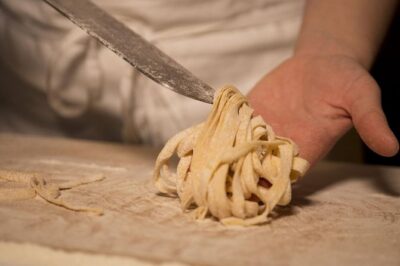
- Make pasta by hand. You work flour and eggs into the dough for shapes like lasagne or ravioli, or you may go with fettuccine and its sauce.
- Cook a second course that often involves rolls or saltimbocca. The exact dish can vary, but the goal is a hearty, satisfying centerpiece.
- Finish with dessert, typically a cake like a parfait or a tart made together.
Vegetarians are considered too, with a special dish prepared for them. That matters because many cooking classes offer a token swap. Here, the format is designed so you can still sit at the table with the same flow.
You learn by repetition and by smell and touch. Claudia’s instruction includes understanding ingredients, like what different herbs smell like, and then using those herbs in your dishes. And because it is a home kitchen, you often feel the rhythm of real cooking. You’re not just measuring. You’re timing.
One more thing that makes this class feel lived-in: the host home includes a garden area, and you may get to step outside. In one example session, diners walked through Claudia’s garden and even picked fresh herbs, then brought that same flavor back into the meal.
Seasonal Roman cooking: summer sorbet and winter sfogliatelle
Roman cooking in this class follows the calendar. That’s not just a menu note, it changes the way you learn.
In summer, the class can include sorbets and ice cream. That means you spend time thinking about temperature, texture, and how to balance sweetness against acidity and flavor. It’s a different skill set than heavy pasta work, and it gives you something lighter when you head into the meal.
In winter, you might cook dishes like sfogliatelle and stuffed pasta. Those are hands-on, detailed foods. Stuffed pasta takes patience, and sfogliatelle requires focus, because it’s all about structure and layers. You’re learning technique that you cannot easily fake later with store-bought shortcuts.
Even if you visit in a season where you do not care about one specific dish, the seasonal approach still helps you learn. You see how the same household brain applies across different types of food, from dough-based comfort to spoonable desserts.
And since Claudia’s kitchen has received attention beyond this neighborhood, the style of cooking is not random. The guidance is consistent: season matters, and the goal is that you eat something that feels like Sunday, not like a theme park lunch.
A few more Rome tours worth comparing
- Rome: Pasta & Tiramisu Class with Fine Wine by the Vatican
★ 4.9 · 4,852 reviews - Rome: Fettuccine Pasta Cooking Class in Rome’s City Center
★ 4.8 · 2,414 reviews - Rome: Traditional Pasta with Cocktails Cooking Class
★ 5.0 · 2,374 reviews - Become a Masterchef in Rome: Pasta, Ravioli and Tiramisù Class
★ 5.0 · 2,156 reviews
The meal at the end: 3 courses, homemade wine, garden or living room
After the practical cooking, the best part arrives. You sit down and eat the results with your host. The experience is set up as a 3-course meal, plus bottled water, and alcoholic beverages.
You’ll typically enjoy the food either in the living room or outside in a garden setting, depending on the day and weather. A covered area is mentioned, with dining under a pergola feeling especially romantic. That matters for comfort, because you can linger over your plate without it turning into a rushed event.
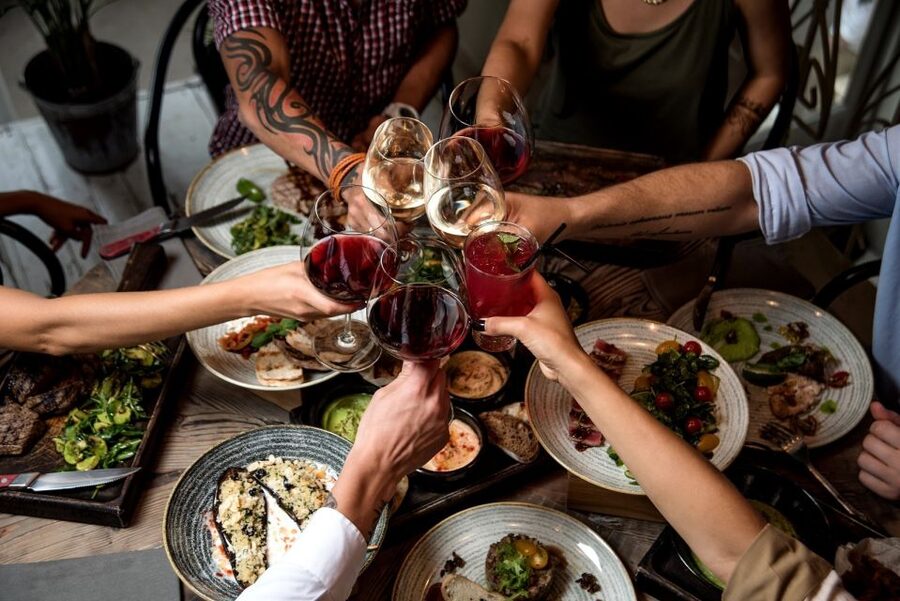
Homemade wine is part of the experience. This is not just a beverage included for the sake of it. You’re eating the food you made, then you taste the wine alongside it, so you learn what the pairing feels like in context. That is one reason these classes often become repeat favorites. You remember the flavor combination, not only the recipe.
Pacing matters too. You are not forced to eat everything fast to get back to the train. The meal follows the cooking. That rhythm is part of the “Roman Sunday” feeling.
If you’re worried about getting bored while others cook, the small group format helps. You will likely be actively involved through multiple dishes and prep steps. And when Bruno adds music, you get another kind of home atmosphere. In one described session, he serenaded the group while the meal was being prepared, singing and playing his keyboard. Even if you do not catch that exact moment, the vibe tends to be warm and playful.
Price and value: what $112.15 buys you in real terms
At $112.15 per person, this is not a budget activity. But it is also not a generic cooking show.
What you are paying for, in practical terms:
- A private home setting rather than a classroom.
- Hands-on instruction led by Claudia, with cooking steps included.
- Multiple courses: 3 courses, then dessert.
- Food and drink: bottled water plus alcoholic beverages.
- Transfers: the ride from Zagarolo Station to the chef’s house is included, and you return back to the meeting point after.
The small group size, limited to 8, also affects value. With fewer people, your learning is less likely to feel like a group presentation. You get more attention while you cook, and that usually leads to better results when you try again later.
The big value lever is that you’re not only leaving with a full stomach. You receive recipes designed so you can surprise people back home. Even if you adjust ingredients to match what you can find, having a clear Roman base helps you make the flavors credible.
If you compare this to paying for a chef meal plus a market tour plus a workshop separately, the structure becomes easier to justify. Here, it is all in one. The day is compact, about 3.5 hours, and the meal is included rather than an optional extra.
Who this class suits best, and who might prefer something else
This experience fits best if you want a cooking day that feels personal and Roman. You’ll likely enjoy it if you care about:
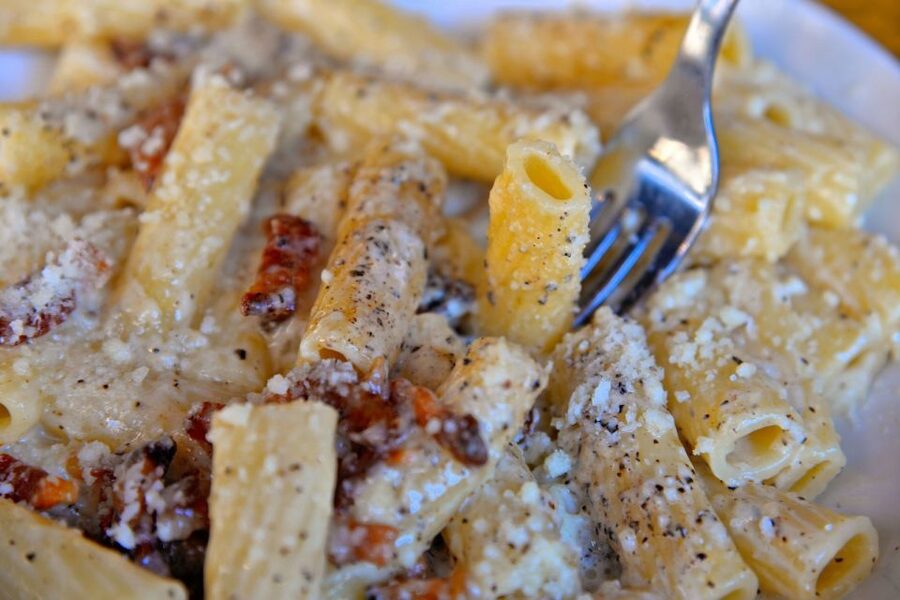
- learning technique like handmade pasta
- eating what you cook in a home setting
- understanding Roman Sunday lunch as a real ritual
- meeting a host couple who treat the day like a shared moment rather than a factory line
It can be a good fit for couples, small families, and friends traveling together, since you are in a limited group and can share the meal. It also works well for solo travelers who want a warm, guided experience rather than another busy walking tour.
It may not be the best choice if you hate planning around transport. The day depends on meeting at Zagarolo Station and taking the included car ride to the chef’s home. You’ll also want to show up on time, because the pickup is tied to a specific place and car in the station square.
Dietary restrictions can be accommodated when notified in advance. So if you eat vegetarian or have allergies, say so before you go. If you wait too long to mention it, you may limit what they can adjust.
Small practical tips for a smoother day
A few simple things will make your 3.5 hours feel easier:
- Wear closed-toe shoes. Cooking can involve standing and moving around.
- Expect a hands-on rhythm. You will do real work, not just watch.
- Bring curiosity. Claudia’s teaching includes learning what herbs smell like before you use them.
- Plan your train connection with a little buffer so you are not sprinting at the station.
Dress up the chef’s apron when you’re offered one. It’s a small detail, but it helps you switch into cooking mode quickly.
If you’re picky about language, remember English and Italian are both used. The instruction is still practical and you should be able to follow along without stress.
Should you book this Roman countryside cooking class?
Yes, if you want a genuine taste of Roman life that goes beyond restaurant food. This class gives you the ingredients, the technique, and the meal, all in one small-group format. You also get the practical bonus of recipes to take home, so it does not end when the wine does.
Skip it only if you want a low-structure activity in Rome itself, or if you prefer to minimize time on trains. Because it is based in Zagarolo with a station pickup, you’ll feel the day’s travel component.
FAQ
Where do I meet for the cooking class?
You meet at Zagarolo Station. Your guide, Bruno, is waiting for you at the station.
How long is the cooking class?
The experience lasts about 3.5 hours.
Is the group small?
Yes. The class is limited to a small group of up to 8 participants.
What’s included in the price?
Transfers from Zagarolo Station to the chef’s house are included, along with the hands-on cooking class, a 3-course meal, bottled water, alcoholic beverages, and recipes to take home.
What do we eat during the day?
You’ll make multiple dishes during the class and then sit down to enjoy a 3-course meal, plus dessert, with your host.
Can dietary restrictions be accommodated?
Yes, dietary restrictions can be accommodated when notified in advance.
What languages are used during the class?
The hosts speak English and Italian.
Recently reviewed around Rome
- Rome: Castelli Romani Hop-on and Hop-off Tour★ 4.9 · 32 reviews
- Rome: Food Tour near Vatican City with Wine★ 4.8 · 100 reviews
- Rome: Scavenger Hunt Self-Guided Tour★ 4.6 · 15 reviews
- Hidden Rome: Small Group E-Bike Tour with Street Food Stops★ 4.9 · 144 reviews
- Rome: Highlights Tour in Golf Cart★ 4.9 · 28 reviews
- Rome: Hop-on Hop-off Bus Tour and Colosseum Experience★ 3.4 · 163 reviews
- Rome: Guided Haunted Rome Ghost Tour with Dowsing Rods★ 4.8 · 63 reviews
- Rome: Highlights Photo Shoot for Memorable Moments★ 5.0 · 32 reviews
Cooking Classes, compared.
3 in 1 Cooking Class near Navona: Fettuccine, Ravioli & Tiramisu
Read our review →
Pasta Making Class with Wine, Limoncello, and Dessert
Read our review →
3-in-1 Fettuccine, Ravioli, and Tiramisu Cooking Class
Read our review →
Fettuccine Pasta Cooking Class in Rome’s City Center
Read our review →
Traditional Pasta with Cocktails Cooking Class
Read our review →
Fettuccine and Tiramisu Cooking Class with Wine
Read our review →
Pasta Cooking Class Near the Colosseum with 3 Spritz Cocktails
Read our review →
Enjoy Spritz and Pasta Making in Piazza Navona
Read our review →Browse the lists this tour appears in