
Reviewed · COOKING CLASSES
Testaccio: Home Cooking Cacio e Pepe, Amatriciana, Carbonara
Testaccio is one of those Rome neighborhoods where eating well feels like a daily habit, not a performance. This 3.5-hour home-cooking class focuses on the Holy Trinity of Roman pasta, so you leave with more than a full stomach.
You’ll get a very hands-on way to learn fresh pasta technique and then turn that work into Cacio e Pepe, Amatriciana, and Carbonara. Two things I really like: the pacing that builds skill step by step, and the fact that the meal comes with unlimited wine and coffee so you can actually enjoy what you made.
One consideration before you book: it’s a home setting, and it is not recommended for travelers with serious allergies to dogs and cats, so check your comfort level first.
Key things to love before you go
- Fresh pasta from scratch, not just sauce tasting
- Three classic Roman sauces taught as practical methods, not vague tips
- A full sit-down meal with the dishes you made, plus wine and Italian coffee
- Dessert in a cozy home setting, followed by coffee
- Recipe notes to take home, so you can repeat the dishes later
- Small group size (limited to 10) for real attention while you cook
Why Testaccio’s Home Kitchen Beats the Usual Rome Food Tour
I like Rome experiences that do one job well, and this one does the food part really well. You’re in Testaccio, a neighborhood known for everyday Roman life, and you’re cooking in a local home rather than a busy, staged classroom. That change in setting matters because it makes the learning feel personal, calm, and focused.
The course centers on Roman comfort food you’ve probably heard about, but here you learn the process behind the flavors. That means you’re not only eating Cacio e Pepe, Amatriciana, and Carbonara, you’re learning how each sauce behaves and how to adjust your approach as you go. In other words, you’re building repeatable skills.
The other big reason this works is the small group size. With a limit of 10 participants, you get more of the instructor’s attention when your dough feels too dry or too sticky, when you’re unsure about timing, or when you want to understand what matters most in the sauce. It turns into a meal with teaching, not a demo where you watch most of the time.
More cooking classes in Rome:
- 3 in 1 Cooking Class near Navona: Fettuccine, Ravioli & Tiramisu
★ 5.0 · 7,376 reviews - Rome: Pasta Making Class with Wine, Limoncello, and Dessert
★ 4.9 · 3,177 reviews - Rome: 3-in-1 Fettuccine, Ravioli, and Tiramisu Cooking Class
★ 4.9 · 2,704 reviews
The 3.5-Hour Plan: How the Evening Moves From Dough to Dinner
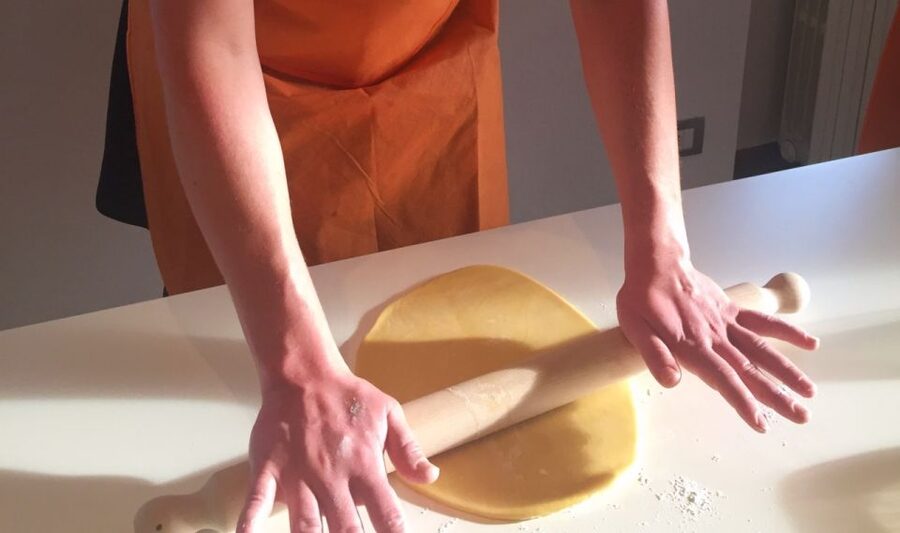
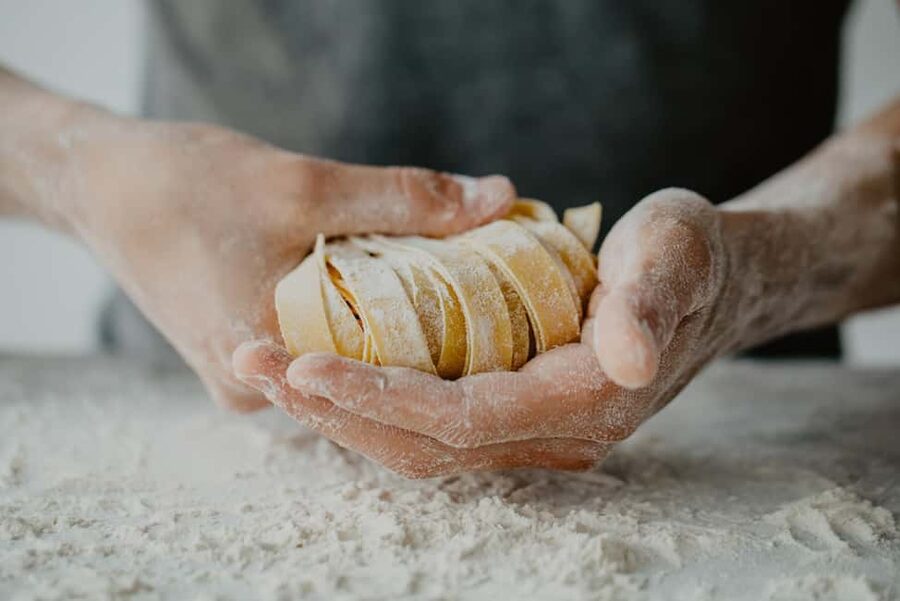
The experience is designed like a workshop meal, not a rushed tasting. You start with the building blocks: making fresh pasta from scratch using simple components like flour, eggs, and water. That’s important because many cooking classes jump straight to sauce, then wonder why your pasta doesn’t behave the way it should.
After you form your pasta base, the focus shifts to mastering three iconic Roman sauces: Cacio e Pepe, Amatriciana, and Carbonara. The learning is structured around technique, so you understand how the ingredients come together and why the step-by-step approach matters.
Once the cooking is done, you sit down and eat what you made, in three courses. Wine is part of the meal, and coffee comes at the end. The whole flow gives you two wins: you practice the skills, and then you get to enjoy the results as a proper Roman dinner.
What “from scratch” really means here
You will be hands-on with pasta making, not just assembling pre-made sheets. Even if you’ve cooked at home before, you may find it helpful to learn the specific logic behind Roman pasta texture and sauce pairing. The course is built around understanding what to do, not memorizing a script.
Fresh Pasta Basics: Your Skill Gets Real Fast
The class begins with making the fresh pasta base. That first stage is more than a warm-up, because it sets everything that follows. If your dough has the wrong texture, it affects how it cooks and how it holds sauce.
You’ll practice combining ingredients into dough, and you’ll get guidance on handling. The most useful part is that the instruction focuses on what each choice does to your final pasta. In past sessions, participants highlighted that the teachers were patient and gave clear reasons behind the steps, so it felt like learning from family rather than following commands.
This is where having an English and Italian instructor helps, especially if you want to ask simple questions mid-cook. You’re not stuck guessing. You can ask why the dough should feel a certain way, or how to think about timing.
Same city, a completely different kind of day:
- Vatican Museums & Sistine Chapel Tour with Optional Basilica
★ 4.3 · 67,413 reviews - Vatican Museums, Sistine Chapel & St Peter’s Basilica Guided Tour
★ 4.5 · 39,149 reviews - Rome: Colosseum, Palatine Hill and Roman Forum Guided Tour
★ 4.8 · 32,814 reviews - Rome: Guided Tour of Colosseum, Roman Forum & Palatine Hill
★ 4.7 · 27,897 reviews
The Roman Holy Trinity: Cacio e Pepe, Amatriciana, Carbonara
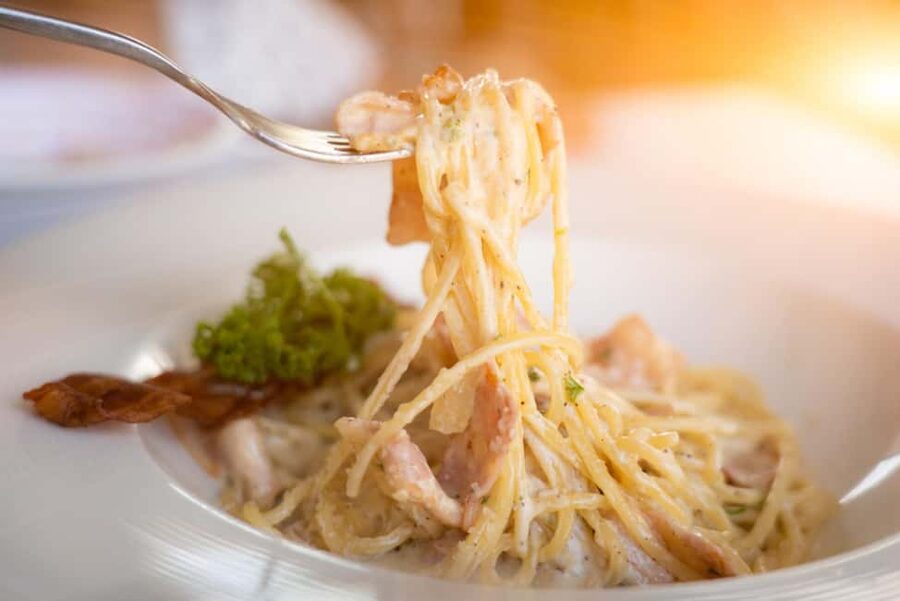
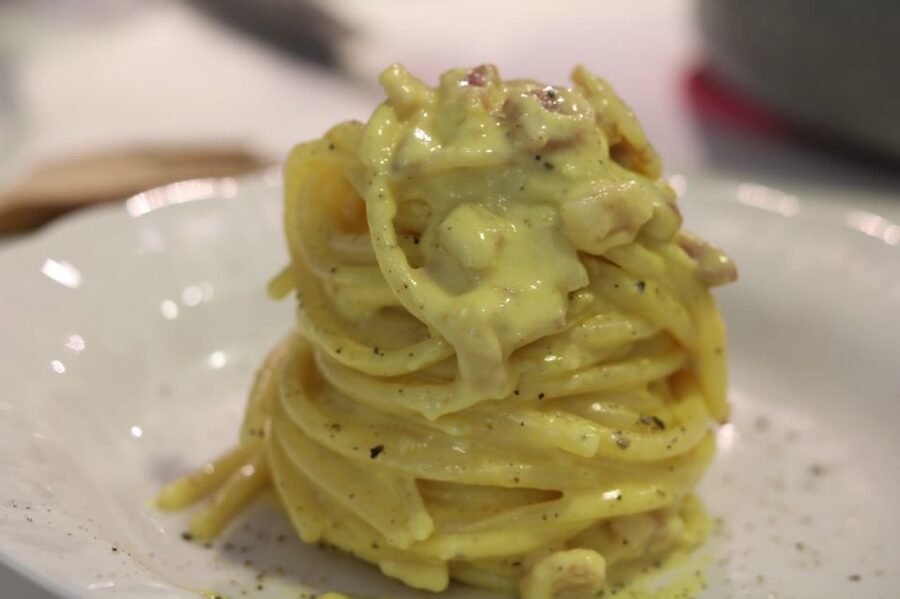
This is the heart of the experience. Each sauce is taught as its own tradition, with its own method. The name of the game is learning how to balance simple ingredients into something deeply satisfying.
Cacio e Pepe: learning the sauce logic
You’ll focus on how to build flavor using the classic Cacio e Pepe approach. Instead of treating it like a one-bowl formula, the class teaches the method so you understand the texture and consistency you’re aiming for. That helps you avoid the common issue where the sauce tastes good at first, then breaks or gets heavy later.
Amatriciana: a technique-driven sauce
Amatriciana is next, and you’ll learn the sauce style that makes it unmistakably Roman. What I like about teaching it in sequence is that you can compare how your sauce changes depending on the ingredients and how you treat them. You’re not just collecting recipes, you’re training your attention.
Carbonara: how to get it right the first time
Carbonara is the third pillar. The class format makes it practical. You learn what matters during mixing and when to combine components so the final dish tastes smooth and cohesive. If you’ve ever made carbonara before and gotten inconsistent results, you might find this format especially helpful because it emphasizes the whys, not just the final look.
Why this order helps you learn
The sequence matters. By the time you get to the third sauce, you’ve practiced pasta-making technique and you’ve already worked through two different sauce styles. That makes you quicker and more confident. It also means you’re paying attention to what changes, which is how you improve instead of repeating mistakes.
A Meal That Feels Like a Family Table (Dessert and Coffee Included)
After cooking, you eat. That part matters because it turns the class from a chore into a proper meal. You’ll enjoy a tasting of the three pasta dishes you crafted, paired with local wine, and then you’ll finish with homemade dessert and Italian coffee.
In past evenings, the dessert has included things like chocolate rum balls, which is the kind of homey, not-too-serious detail that makes this experience memorable. You’re not being served a tiny portion that tastes like a sample. You’re eating what you made, with drinks that keep the mood relaxed.
The coffee ending is also a Rome detail worth noticing. You’re not just done when the plates clear. You get the final ritual, coffee at the end, which helps you leave feeling like you truly participated in a Roman meal.
Wine, Coffee, and the Pace: Why the Evening Feels Unhurried
The class includes drinks and wine, and unlimited wine and coffee are part of the experience. That combination does two things for you as a participant.
First, it keeps energy up while you cook. Fresh pasta work takes focus, and a drink in the middle can make the evening feel smoother without turning into a party scene.
Second, it supports the shared meal format. You sit together, you eat together, and you talk while you digest. In some sessions, participants mentioned conversations about the hosts’ travel and work experiences, which makes the time feel less like a lesson and more like an evening at someone’s home.
The group is limited to 10, and that small size shows up in the pace. It’s not chaotic. You’re less likely to feel stuck waiting for your turn to ask questions or to check your dough.
Meet Milvia and Andrea: The Hosts Make the Room
The hosts are central to the feeling of the class. Many participants mention Milvia and Andrea by name, describing them as warm, welcoming, and patient. Several people also compared the vibe to visiting grandparents, which is exactly the tone you want in a pasta lesson.
You might also hear family energy in the background, since some past participants referenced meeting other members of the home family circle, like Ada or Oliver. The point is this, you’re not treated like a faceless customer. You’re treated like someone who’s learning their way around a kitchen they care about.
That matters because pasta-making can be intimidating at first. Having a patient host helps you keep going when dough seems stubborn, and it makes the learning more enjoyable even if you’re not a natural cook.
Dietary Options: Vegetarian, Vegan, and Gluten-Free Possibilities
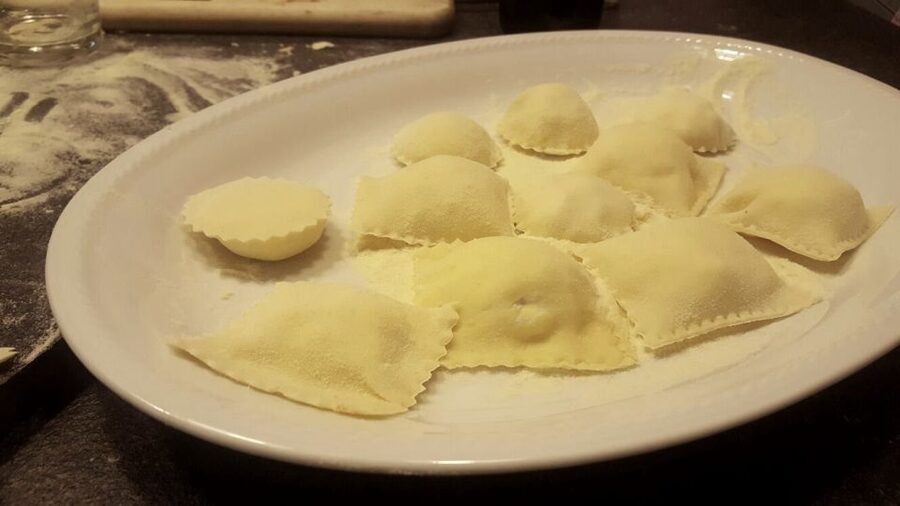
One of the most practical things about this class is that it can adapt the menu. The experience can be adapted for vegetarians and vegans using traditional Roman recipes. It can also accommodate gluten-free options for travelers with celiac.
If you’re traveling with dietary needs, this is the kind of class where adaptations actually matter, because you’re doing hands-on cooking. It’s better to check ahead and confirm your requirements, but the program is set up to handle those needs rather than forcing you to sit out.
If you’re vegan or gluten-free, you may find it especially helpful to join because you learn the method and not just a single dish. With the recipe notes you take home, you’ll have a clearer idea of how to reproduce the flavors in your own kitchen.
Dogs, Cats, and the One Big Warning
This is a home kitchen, and it includes animals. The experience is not recommended for travelers with serious allergies to dogs and cats, and it is not suitable for people with animal allergies.
If you have mild allergies, don’t assume you’ll be fine. Ask yourself a direct question: can you safely handle a home environment with pets present? If not, choose a different cooking style where animals are not part of the setting.
This is the only downside I’d treat as a dealbreaker, because the class is so focused on the home experience. If pets would make you miserable, you won’t enjoy learning pasta.
Price and Value: Is $105 Fair for This Much Food and Training?
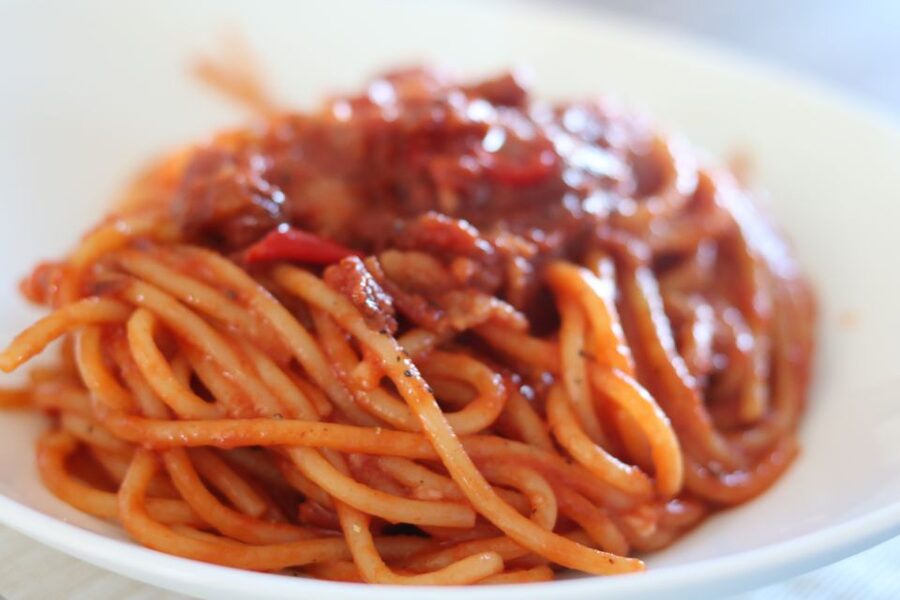
At $105 per person, you’re paying for more than a cooking demo. The included items are substantial: you get three pasta courses, dessert, notes for recipes, and drinks and wine.
Here’s how I think about value for this kind of class. You’re paying for three things that are hard to find together in Rome food experiences.
- Skill-building: pasta from scratch, plus sauce technique for three sauces
- Full meal outcome: you eat what you make, in three courses
- Extras included: dessert, Italian coffee, and wine as part of the meal
If you want a hands-on evening and you like the idea of taking home recipes, the price starts to make sense fast. You’re essentially buying a guided dinner plus a cooking workshop plus take-home reference materials.
Where to Meet and How to Show Up Ready
The meeting point is Via Galvani, 4, 00153 Roma RM, Italy, Building C, Buzz 11. It’s the start of a home-based experience, so plan to arrive a little early and be ready to step into a real apartment kitchen atmosphere.
Because the class is 3.5 hours, you’ll want to build the rest of your day around it. Don’t stack another activity right before the start time if you can avoid it, and give yourself time to get there without stress.
Also, the class is taught in English and Italian. If you speak only one language, you should still be fine. Past participants found the instruction clear and easy to follow, with the hosts guiding calmly through each step.
Who This Pasta Class Is Best For
I’d point you here if you want a Rome food experience that’s practical and skill-based. This is for you if:
- You want to learn Roman sauces you can actually cook later
- You like small-group settings where you can ask questions
- You enjoy eating at the table as part of the lesson
- You’re a food lover who prefers authentic home cooking over big tourist stops
It may not be the right fit if you have animal allergies due to the presence of dogs and cats. And if you dislike wine or coffee, you can still join, but the experience is built around that meal rhythm.
Should You Book Testaccio: Home Cooking Cacio e Pepe, Amatriciana, Carbonara?
If you’re choosing between a quick tasting and a real cooking lesson, I think this one is an easy yes. You get hands-on pasta from scratch, you learn three of Rome’s most famous dishes, and you finish with dessert and coffee in a cozy home setting. With unlimited wine and coffee included, it also feels like a true dinner, not just a class.
Book it if you want to leave Rome with repeatable skills and take-home recipe notes. Skip it if pets are an issue for you. If that one condition works out, you’re likely to come away with a memorable evening and the confidence to cook Roman classics at home.
FAQ
Where is the meeting point for this experience?
The meeting point is Via Galvani, 4, 00153 Roma RM, Italy, Building C, Buzz 11.
How long does the class last?
The duration is 3.5 hours.
What is the group size limit?
It is a small group with a limit of 10 participants.
Which dishes are included in the class?
You will cook and then eat three pasta courses: Cacio e Pepe, Amatriciana, and Carbonara, plus homemade dessert.
Are wine and coffee included?
Yes. Drinks and wine are included, and the experience includes unlimited wine and coffee.
Can the menu be adapted for vegetarian, vegan, or gluten-free diets?
Yes. The menu can be adapted for vegetarians and vegans using traditional Roman recipes. Gluten-free options are available for those with celiac.
Is this suitable for people with animal allergies?
It is not recommended for travelers with serious allergies to dogs and cats, and it is not suitable for people with animal allergies.
Recently reviewed around Rome
- Ancient Etruscan Civilization Tour from Rome★ 5.0 · 16 reviews
- Colosseum with Arena Floor Express Guided Tour★ 3.5 · 22 reviews
- Private Tour – Ancient Ostia★ 5.0 · 42 reviews
- PRIVATE Appian Way and Lake Albano Ebike Tour with Italian Lunch★ 5.0 · 12 reviews
- Ancient Appian Way and Roman Countryside E-Bike Tour★ 4.5 · 13 reviews
- Ancient Appian Way PRIVATE Bike Tour★ 5.0 · 89 reviews
- Catacombs and Hidden Underground Rome: Small Group Max 6 People★ 5.0 · 293 reviews
- Amalfi Coast Day Trip from Rome by High-Speed Train★ 4.5 · 162 reviews
Cooking Classes, compared.
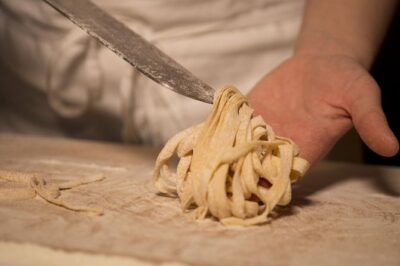
3 in 1 Cooking Class near Navona: Fettuccine, Ravioli & Tiramisu
Read our review →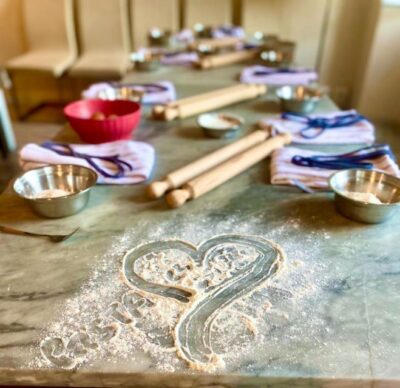
Pasta Making Class with Wine, Limoncello, and Dessert
Read our review →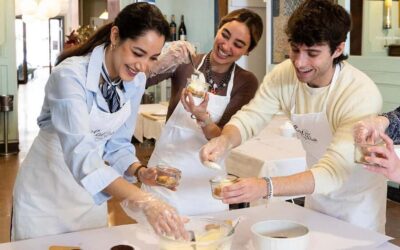
3-in-1 Fettuccine, Ravioli, and Tiramisu Cooking Class
Read our review →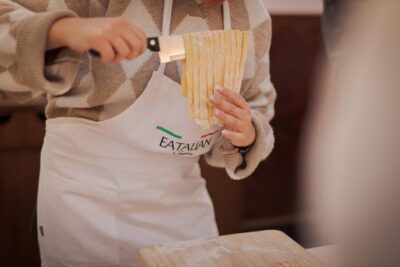
Fettuccine Pasta Cooking Class in Rome’s City Center
Read our review →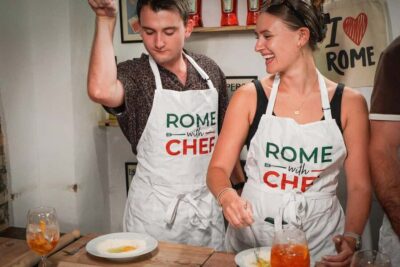
Traditional Pasta with Cocktails Cooking Class
Read our review →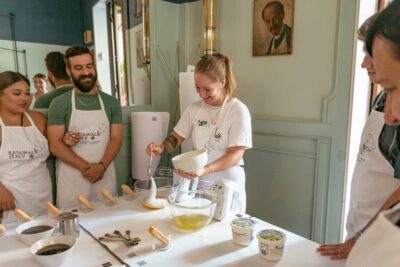
Fettuccine and Tiramisu Cooking Class with Wine
Read our review →
Pasta Cooking Class Near the Colosseum with 3 Spritz Cocktails
Read our review →
Enjoy Spritz and Pasta Making in Piazza Navona
Read our review →Browse the lists this tour appears in