
Reviewed · WALKING TOURS
Rome’s Baroque Art Walking Tour: Who Killed Caravaggio?
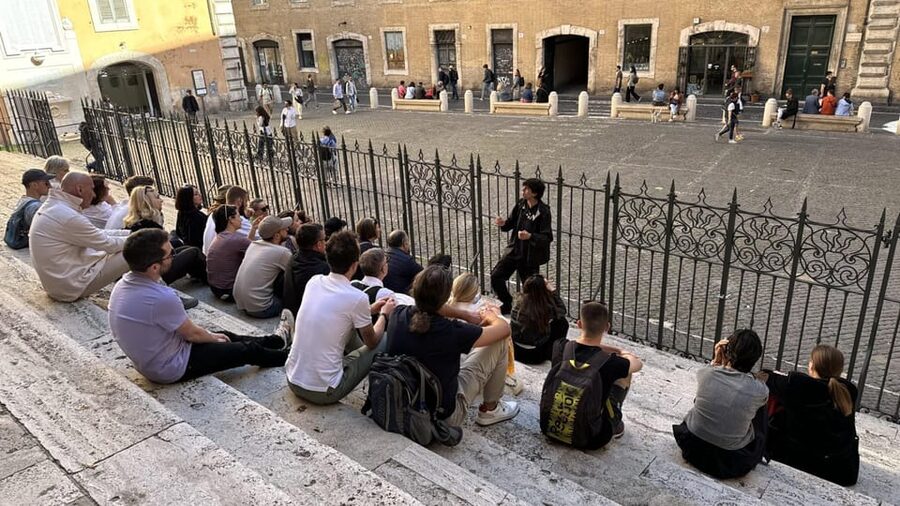
Rome’s Baroque Art Walking Tour, Who Killed Caravaggio, is interesting because it treats Roman churches and piazzas like a crime scene. One minute you’re staring at baroque art that looks familiar, the next you’re hearing a story about power, violence, and unanswered questions.
I really like the storytelling style and the way it ties Caravaggio’s life to what you see on the walls. I also like that you get a pay-what-you-want mindset, so the tour feels more personal and you control the final value with a real tip for the guide.
One thing to consider: the route moves between open squares and working churches, so you’ll need to plan around crowds, church entry rules, and the guide’s dark, sometimes politically incorrect humor.
Key points you’ll care about
- True-crime framing for baroque art, centered on the question of Caravaggio’s death
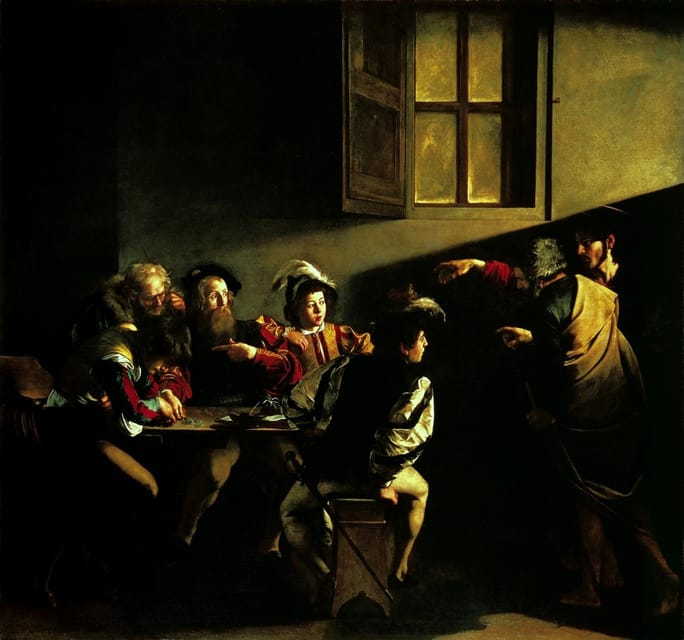
- Caravaggio, Raphael, and Plautilla Bricci paintings shown in context inside churches
- Hidden corners and lesser-known locations mixed into iconic stops
- Weather-smart pacing using shady piazzas, cool churches, and places to sit
- Tip-based, guide-led model (often 10€ to 50$) that rewards good performance
- English live guide with engaging, catchy narration (Iván and Jacobo stand out in reviews)
Why this Caravaggio mystery tour feels different in Rome
Rome is packed with art you can see for free, but most tours just point and move on. This one slows the process down by giving you a story engine: who could have benefited, who had power, and how rivalry and violence can shape an artist’s life as much as patrons can.
The big win is that you’re not just learning names and dates. You’re learning how to read images like clues. Caravaggio is the center of gravity, because his paintings are dramatic and his life is described as troubled, intense, and tied to street fights, powerful patrons, rival artists, and criminal enemies. That context changes the mood when you’re standing in front of the painting, because it turns the art into a statement, not a museum label.
More walking tours in Rome:
- Rome: Trastevere & Campo de Fiori Street Food Walking Tour
★ 4.9 · 2,768 reviews - Rome: Paranormal Night Walking Tour & Secret Backstreets
★ 4.9 · 1,921 reviews - Rome by Night Walking Tour – Legends & Criminal Stories
★ 4.5 · 1,003 reviews
From Piazza della Minerva to the Pantheon: the tour’s “case file” starts
The tour begins at Piazza della Minerva, right by the elephant statue with the obelisk. It’s a good start point because it’s a recognizable open square, easy to orient yourself in, and it sets the rhythm: short walks, quick photo stops, then into churches where the lighting and atmosphere do half the storytelling for you.
Expect the first stretch to feel like setup. You’ll get a guided introduction and a photo stop at Minerva, then you’ll head toward the Pantheon area. Even the short walk matters here, because it puts you in motion between the bright, busy Rome you know and the quieter, indoor Rome where baroque art tends to live.
The Pantheon stop is brief, but it works as a contrast moment. You can glance at a monument everyone has seen, then the guide shifts your attention back to the baroque era and the specific artists you’ll be tracking. If you like your history threaded together with a narrative, this structure helps.
Church stops where baroque paintings become evidence
This tour is designed around churches, not just piazzas. That’s a practical win because churches provide shade and shelter, and you’ll also find moments to sit along the way. In Rome, weather can swing quickly, so the ability to pause indoors while still staying on the story is worth something.
St. Louis of the French: the photo stop that teaches you how to look
Next up is the Church of St. Louis of the French. You’ll get a photo stop and a guided visit here, with a focus on how to interpret what you see. Caravaggio and other baroque artists didn’t paint in a vacuum. They were responding to audiences, rivalries, and the politics of taste.
If you’ve ever felt like baroque art is “too much,” this stop can change that. The guide’s approach is about meaning and message, not volume. You’ll start connecting style to motive, and that makes the later paintings land harder.
Same city, a completely different kind of day:
- Vatican Museums & Sistine Chapel Tour with Optional Basilica
★ 4.3 · 67,413 reviews - Vatican Museums, Sistine Chapel & St Peter’s Basilica Guided Tour
★ 4.5 · 39,149 reviews - Rome: Colosseum, Palatine Hill and Roman Forum Guided Tour
★ 4.8 · 32,814 reviews - Rome: Guided Tour of Colosseum, Roman Forum & Palatine Hill
★ 4.7 · 27,897 reviews
Basilica of St. Augustine: where the art feels like it’s talking back
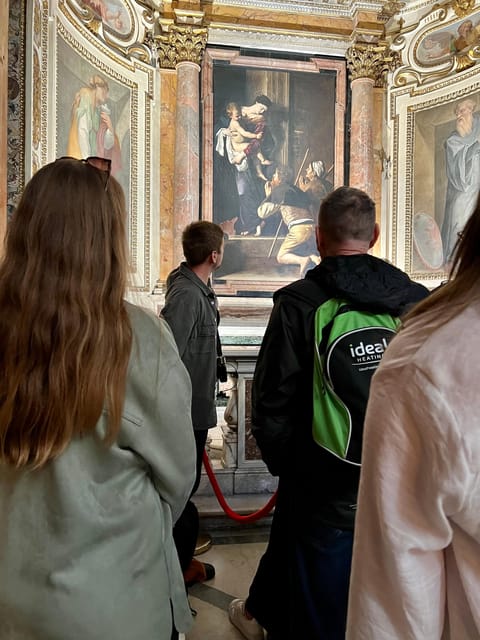
The tour then moves to the Basilica of St. Augustine. You’ll have a guided visit and sightseeing time here, and this is the kind of stop where the church setting matters. Baroque art is meant to be encountered in a specific lighting world, and inside these walls it can feel theatrical in a way a street-facing museum display never will.
What I like about this structure is that it’s not just “here is a painting, now walk on.” You’re meant to notice how compositions guide your attention, how expression and lighting create emotional pressure, and how that fits the story being told about Caravaggio’s turbulent life and the forces around him.
The mid-walk church visit: a clue moment (even without a name)
The itinerary includes another guided church visit mid-route, about a ten-minute walk away from the last major stop. The exact name isn’t specified here, but the role in the tour is clear: it’s there to keep the investigation moving forward, so the story does not stall.
This is often where the guide tightens the thread. If you’re the type who likes to figure things out as you go, this middle stop is where you should pay extra attention. The tour’s promise is that you’ll examine modern theories and unanswered questions about Caravaggio’s death, so the guide needs uninterrupted story momentum.
Palazzo Borghese finale: you close the case with a different lens
The end point is Palazzo Borghese. Finishing at a palazzo makes sense, because after two hours in churches you’re ready to step into a more refined, grand setting where baroque patronage and artistic ambition feel related.
This is where the tour’s biggest theme clicks: you leave with a new interpretation of art. The guide doesn’t treat the paintings like trivia. It treats them like communication. When you understand that street fights, patrons, rivals, and enemies are part of the narrative environment, you start seeing art as a response to pressure.
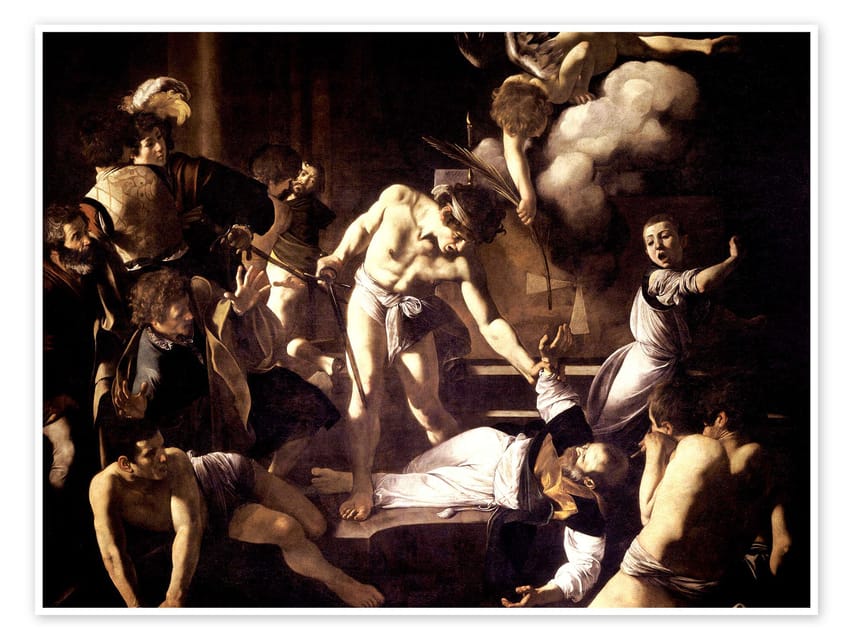
It also helps that the tour highlights priceless paintings connected to Caravaggio, Raphael, and Plautilla Bricci. Even if you only catch fragments in the moment, having these artists in your mind while you walk gives you a mental checklist. That makes the final impressions stronger.
What the guide actually does well (and why it shows in reviews)
The most praised part across reviews is the way the guide tells the story. People describe guides who are passionate and capable of turning art history into something you can follow like a plot.
Two guide names show up in reviews often: Iván and Jacobo. One review praises Iván for finding “smaczków” in archives and books about Caravaggio, and another highlights Jacobo as an art historian who introduced the fascinating world of art history in Rome through captivating stories about Caravaggio’s life and works. That combination, art expertise plus storytelling, is exactly what makes this tour work.
The guide also uses catchy, engaging narration with dark humor and politically incorrect jokes. That can be a feature, not a flaw, as long as you understand the vibe. If you’re sensitive to edgy humor, it’s smart to mentally prepare and decide in advance whether that style will feel fun or uncomfortable for you.
Price and tips: how to think about value on a pay-what-you-want tour
The listed price shown is 3.77 per person, but the real financial logic here is the pay-what-you-want model. The tour description is direct: guides work for your tips alone. Common tips are usually between 10€ and 50$.
So how do you judge value? Don’t focus only on the number you booked at. Instead, think about what you’re buying:
- Two hours of guided interpretation in churches, not just outdoor sightseeing
- A story-driven approach that re-reads baroque art through Caravaggio’s life and the mystery around his death
- A guide who earns your tip by performance, clarity, and pacing
If the guide keeps you engaged and helps you connect paintings to meaning, then tipping toward the higher end makes sense. If the humor doesn’t land for you, tip based on what you did enjoy anyway, since that’s the model.
Practical advice so you enjoy it in real life
Dress code matters. You should dress appropriately for church entry. That means covering more than you would for a casual street walk, especially shoulders and legs. If you show up in beachwear, you might waste time at the door and lose story momentum.
Also, be ready to walk. The experience is short in total, about two hours, but it has multiple movement segments between stops, plus photo stops. Your best move is to wear comfortable shoes and treat the walk as part of the performance, not a commute.
Weather is handled well, but not magically. The tour is designed for any weather because it mixes open piazzas with cool churches and uses shade, shelter, and places to sit. You still need a light layer for indoor church air conditioning or cooler evening temperatures in Rome.
Who should book this, and who might not love it
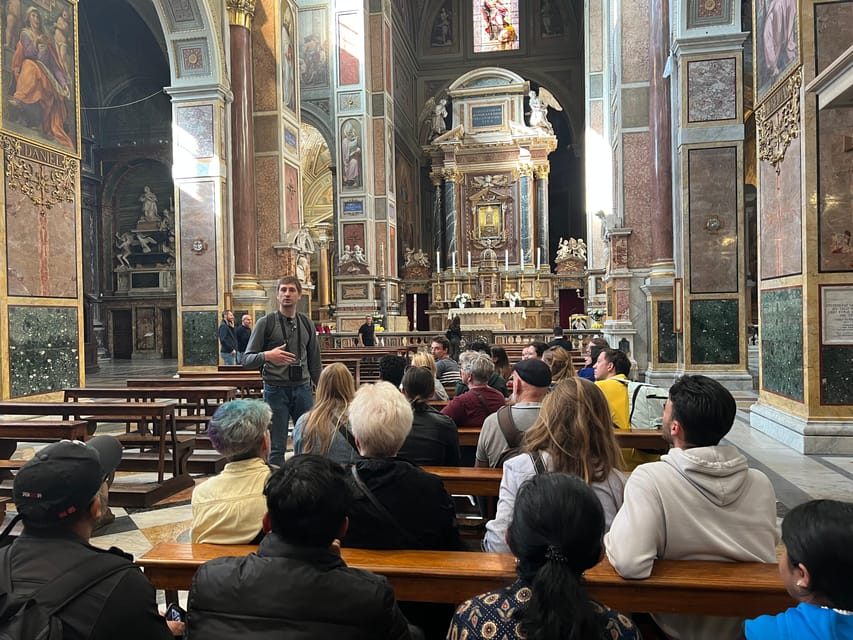
Book it if you want Rome that feels alive and a little dangerous. This is for people who enjoy art history but get bored by lectures that sound the same every day. The true-crime angle gives you a reason to care about details in paintings, not just admire them.
You’ll also like it if you prefer an interpretive approach. The tour promises a totally new way to interpret art, and the way it ties Caravaggio to rivals, patrons, and street violence suggests the guide will push you to see relationships and power in the images.
Skip it if you want purely academic, neutral art history with no humor and no edge. The dark, politically incorrect jokes are part of the concept. Also, if you dislike religious spaces as part of sightseeing, you may find the church-heavy route limiting.
Should you book Who Killed Caravaggio?
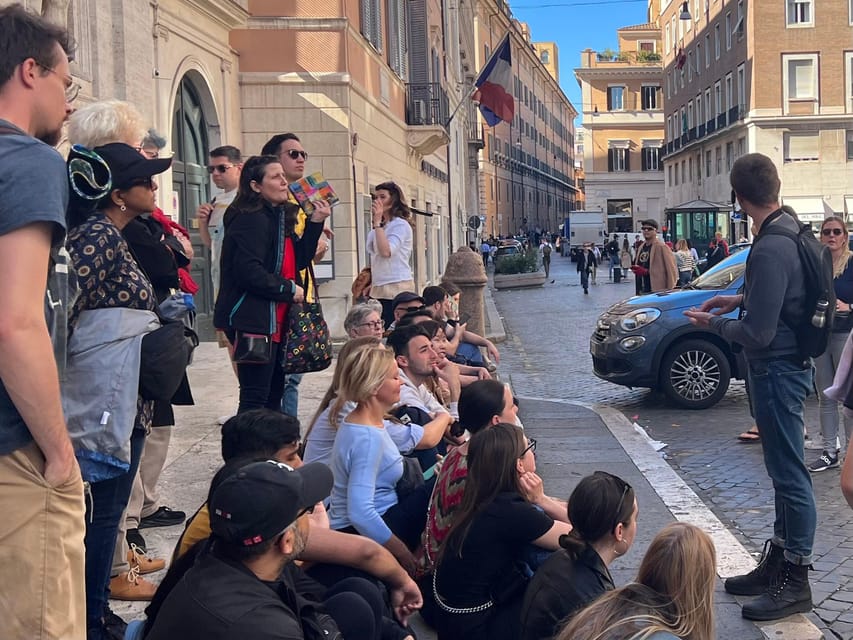
Yes, if your ideal Rome day includes stories you can follow, paintings you can read differently afterward, and a guide who treats baroque art as something human, tense, and dramatic.
I’d especially recommend it if you’re already thinking about Caravaggio and want to see how your view can change when the guide frames his life and the unanswered questions about his death in the same breath as what you’re standing in front of. For the right traveler, it’s not just a walk through beautiful churches. It’s a chance to leave with your brain wired differently.
FAQ
How long is the Rome Baroque Art Walking Tour: Who Killed Caravaggio?
The tour lasts 2 hours.
Where do I meet the guide?
You meet in Piazza della Minerva by the elephant statue with the obelisk. The guide has a sign with the name of the tour.
Is the tour in English?
Yes, it is a live guided tour in English.
What kind of tour is it, pay-what-you-want or fixed price?
It is tip-based, using a pay-what-you-want model. Your guides work for tips alone, and a typical tip is between 10€ and 50$.
Does the tour run in bad weather?
The tour is designed to be enjoyed in any weather, moving between open piazzas and cooler, atmospheric churches for shelter and shade.
Is there free cancellation?
Yes, you can cancel up to 24 hours in advance for a full refund.
Recently reviewed around Rome
- Ancient Etruscan Civilization Tour from Rome★ 5.0 · 16 reviews
- Colosseum with Arena Floor Express Guided Tour★ 3.5 · 22 reviews
- Private Tour – Ancient Ostia★ 5.0 · 42 reviews
- PRIVATE Appian Way and Lake Albano Ebike Tour with Italian Lunch★ 5.0 · 12 reviews
- Ancient Appian Way and Roman Countryside E-Bike Tour★ 4.5 · 13 reviews
- Ancient Appian Way PRIVATE Bike Tour★ 5.0 · 89 reviews
- Catacombs and Hidden Underground Rome: Small Group Max 6 People★ 5.0 · 293 reviews
- Amalfi Coast Day Trip from Rome by High-Speed Train★ 4.5 · 162 reviews
Walking Tours, compared.
Trastevere & Campo de Fiori Street Food Walking Tour
Read our review →
Paranormal Night Walking Tour & Secret Backstreets
Read our review →
Rome by Night Walking Tour – Legends & Criminal Stories
Read our review →
Guided City Center Evening Sightseeing Walking Tour
Read our review →
Best of Rome Walking Tour including Trevi Fountain
Read our review →

Forbidden History Walking Tour & Pub Crawl with Drinks
Read our review →
Guided Small Group Walking Tour of City Highlights
Read our review →Browse the lists this tour appears in