
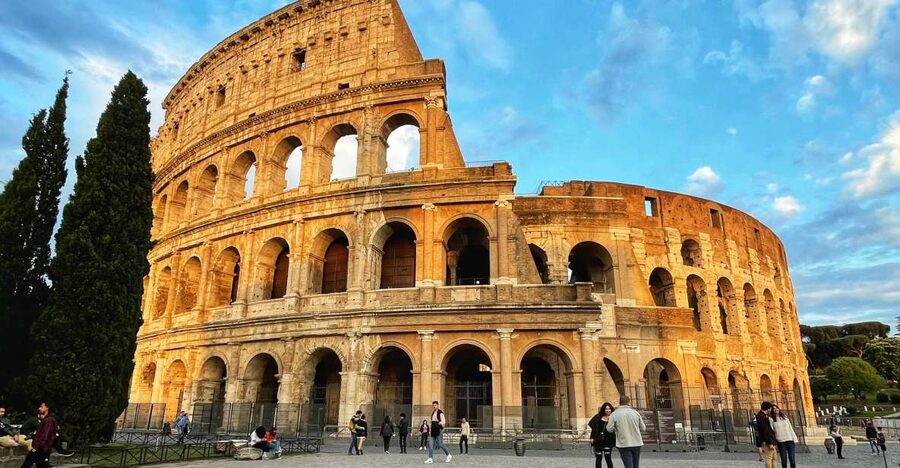
Reviewed · COLOSSEUM TOURS
Rome: Ultimate Colosseum, Roman Forum & Palatine Hill Tour
This tour is interesting because it ties together three power centers of ancient Rome in one smooth walking circuit. You start with the spectacle people still talk about, then move to the political engine of the empire, and finish on the hill where emperors staged their grand claims to authority.
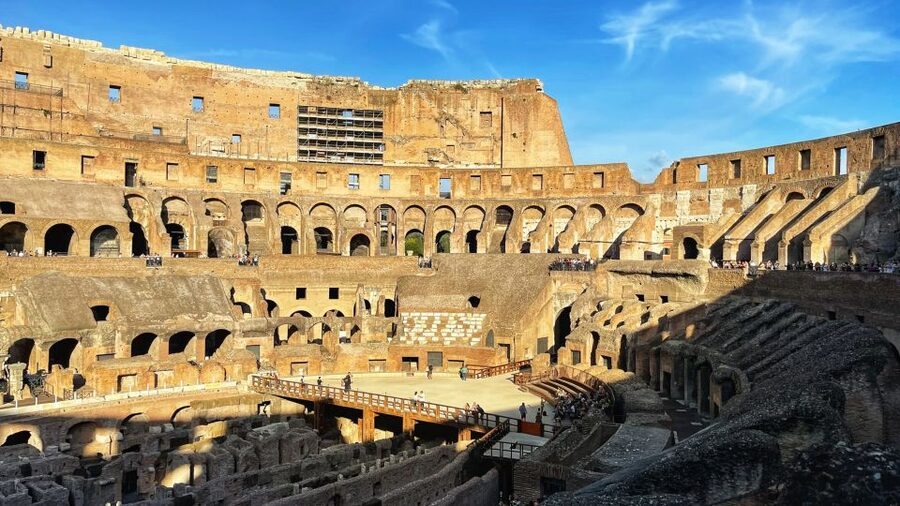
I especially like the way this experience brings you into the Colosseum at the attic levels (floors 3 to 5), where you can make sense of what the building was really designed to do. And I like that the guide focuses on gladiator facts vs legends, so you leave with a clearer picture of what was real and what was later storytelling.
One possible drawback is that this is a walking tour through major archaeological sites with steps and uneven ground. It is not suitable for wheelchair users, so you’ll want comfortable shoes and a plan to pace yourself with the group.
Key things I’d circle on your Rome plan
- Small group size keeps you from feeling lost in a crowd
- Colosseum attic access (floors 3 to 5) helps you see more than the postcard view
- Roman Forum stop covers the most important named spots, not just general wandering
- Via Sacra wheel-ruts connect you to centuries of footsteps and wheels
- Palatine Hill focuses on imperial palaces and legend around Romulus and Remus
- Headsets for groups of 6 or more help you hear the guide while moving
How gladiators, the Forum, and imperial palaces fit into 3 hours
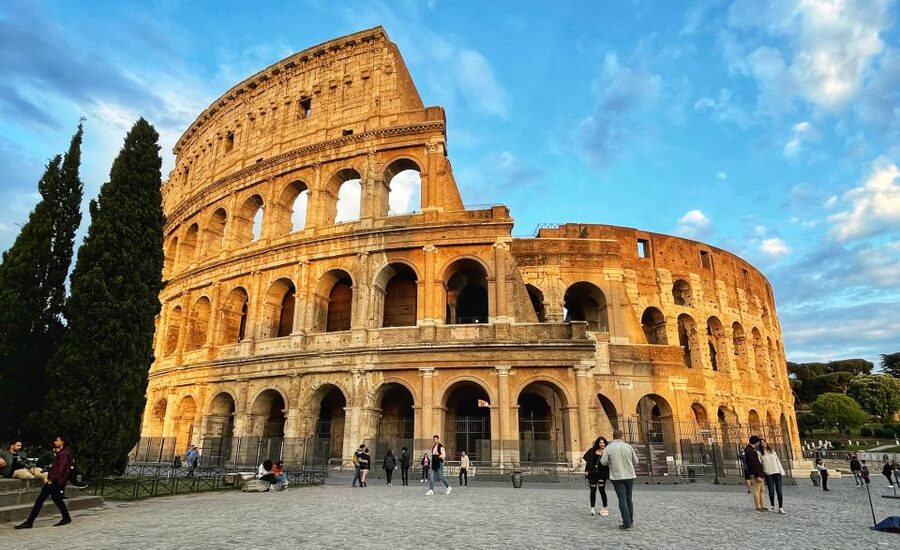
Rome can feel endless when you’re trying to connect the dots. What I like about this tour format is that it gives you a clear storyline: entertainment (the Colosseum), politics and law (the Roman Forum), then the place where emperors built their myth machine (Palatine Hill).
In a short time window, you don’t just see monuments, you learn how the Romans used space for power. The guide’s job is to make those spaces readable, from the building materials and layout to the “who mattered here, and why” behind each stop.
The big win for you is efficiency. If you only have a few hours for ancient Rome, this tour is built to cover the highlights without turning into a chaotic sprint. You’ll still be walking, but the route is organized around the places that matter most.
More ways to see the Colosseum:
- Rome: Colosseum, Palatine Hill and Roman Forum Guided Tour
★ 4.8 · 32,814 reviews - Rome: Guided Tour of Colosseum, Roman Forum & Palatine Hill
★ 4.7 · 27,897 reviews - Rome: Colosseum & Forum with Audio Guide App -Optional Arena
★ 4.2 · 24,770 reviews
Meeting at Angelino ai Fori, then walking straight into the action
You meet your guide in front of Cafe/Restaurant Angelino ai Fori, at Largo Corrado Ricci 43a. Look for a Through Eternity sign or flag. The start area is in the same neighborhood as the Roman Forum, which helps you get moving quickly instead of doing a long transit shuffle.
The tour ends at the Colosseum, which is useful because it reduces that awkward logistics problem where you’re trying to figure out how to get to your next stop. You also avoid the usual “two separate tickets and two separate meet points” headache.
Because this is a walking tour on archaeological terrain, I’d plan for uneven steps and surfaces. You’ll want to travel light. Luggage or large bags are not allowed, so pack smart and keep hands free for water and photos.
Roman Forum: where power happened, and why the details matter
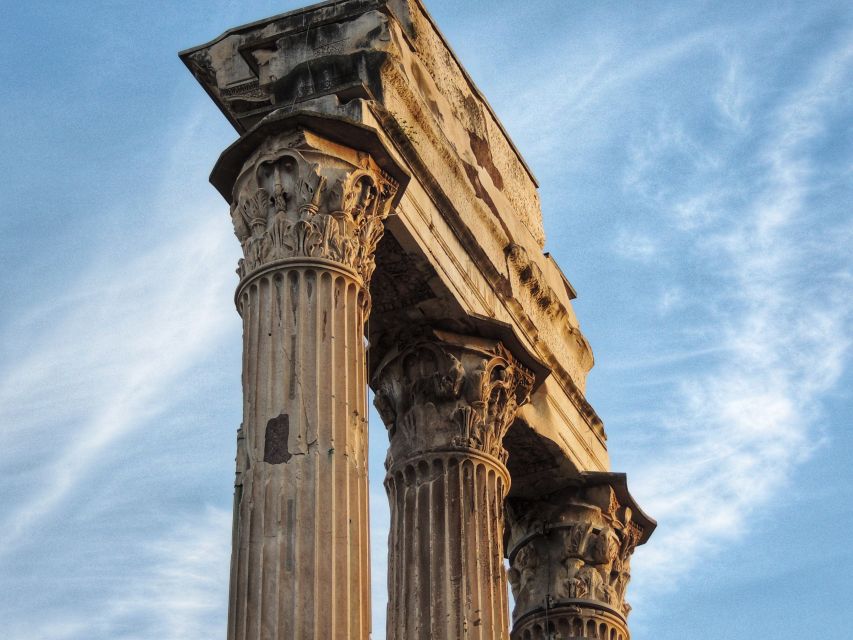
The Roman Forum stop is about more than ruins. It’s where you get a feel for the Roman day-to-day government machine, the ceremonial side of authority, and the religious rules that shaped politics.
You’ll see major named areas like the Senate, the gardens, and the House of the Vestal Virgins. Those aren’t random “photo stops.” They help you understand that Roman power was physical, political, and symbolic all at once.
The tour also includes the Basilica of Julia and the Basilica of Maxentius. Basilicas were central to civic life, often tied to business, courts, and public meetings. Seeing them in context helps you understand why Forum traffic was constant, long before modern roads existed.
Then there are the temples: Saturn, Castor and Pollux, and the Temple of Antoninus and Faustina. When you know what those spaces represented, the ruins stop looking like scattered stones and start reading like a city plan.
A standout practical feature here is walking along part of the Via Sacra, the most important ceremonial road. You can still see wheel-ruts from carriages that rolled over the route for centuries. It’s one of those details that makes history feel tangible because it’s not just a story, it’s evidence.
You’ll also pass notable arches, including the Arch of Titus and the Arch of Septimius Severus. Arches were Roman storytelling structures, built to broadcast victories and legitimacy. When you connect the arches to what was happening politically, the symbolism clicks.
Palatine Hill: the emperors’ neighborhood plus the Romulus legend
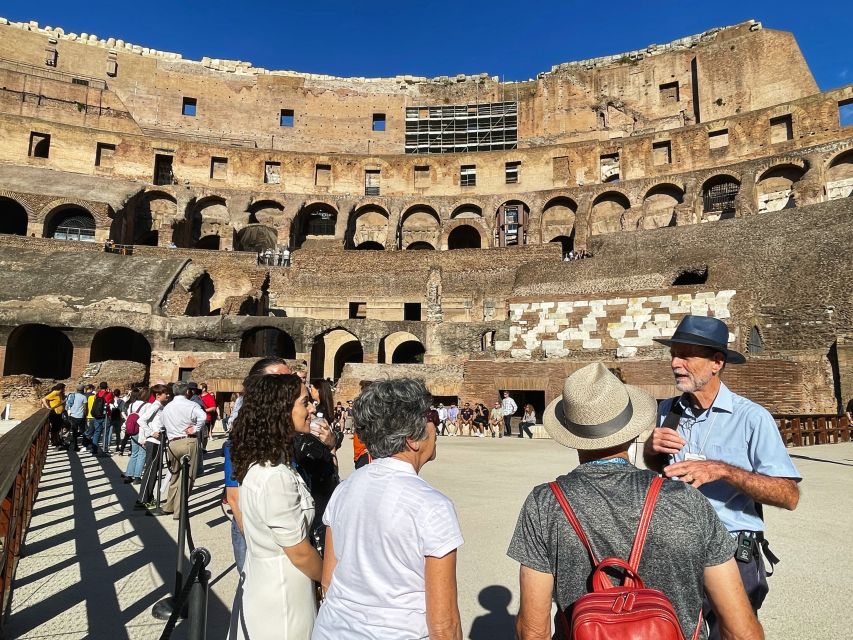
Palatine Hill is one of those places that works on two levels. You get the physical reality of an elite residence zone, and you also get the founding-myth atmosphere that Romans leaned on for legitimacy.
On this part of the tour, you’ll see the palaces of the emperors, which helps you understand how rulers presented themselves as more than just administrators. This was an address where power tried to look eternal.
Palatine is also tied to a legend of origin. The tour frames it as the place where Romulus and Remus were discovered by the she-wolf, and where Romulus eventually founded Rome. Even if you treat legends as legends, they explain something real: the Romans weren’t just building buildings, they were building stories people could rally behind.
What I like for you is that this stop balances spectacle with meaning. It slows the pace slightly after the Roman Forum’s political density, so you can absorb views, layout, and the sense of “this is where the big claims were made.”
If you’re prone to information overload in Rome, this is a good moment to pause, look out over the surrounding area, and let your brain place the ruins in a bigger urban picture.
Same city, a completely different kind of day:
- Vatican Museums & Sistine Chapel Tour with Optional Basilica
★ 4.3 · 67,413 reviews - Vatican Museums, Sistine Chapel & St Peter’s Basilica Guided Tour
★ 4.5 · 39,149 reviews - Rome: Colosseum, Roman Forum and Palatine Hill Guided Tour
★ 4.5 · 23,903 reviews - Rome: City Sightseeing Hop-on Hop-off Bus with Audioguide
★ 4.0 · 16,045 reviews
Inside the Colosseum: what floors 3 to 5 can show you
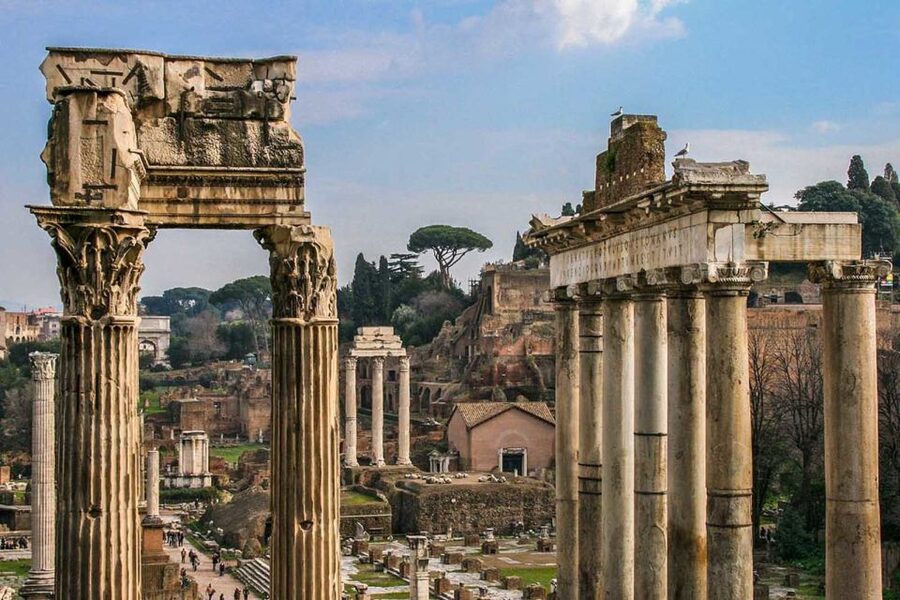
The Colosseum is the headline, but the real value is how this tour uses it. The guide focuses on gladiator history, and the emphasis is on separating fact from fiction. That matters because the Colosseum is surrounded by myths, movie memory, and simplified modern ideas about what gladiator life meant.
You’ll go into the Colosseum for a guided visit that includes the attic areas on floors 3 to 5. Getting into these upper levels changes how you understand the building. You see it less as a single bowl and more as a designed machine with different zones for different people and moments.
The Colosseum was built on a vast scale in less than ten years, and the tour helps you picture the speed and scale behind that construction. That’s important because it tells you something about Rome’s priorities. They weren’t building slowly for comfort. They were building for spectacle.
The guide also frames the games as entertainment created to thrill more than just the public. The emperor had a role in all of this too, and the tour connects the monument’s design to the political theater of the day.
Practical note: you’ll want to move carefully. Uneven surfaces and stairs can add up after the Forum and Palatine. Take your time with photos, and keep one eye on the group so you don’t get stuck trying to catch up.
Small group size and headsets: where the experience actually feels better
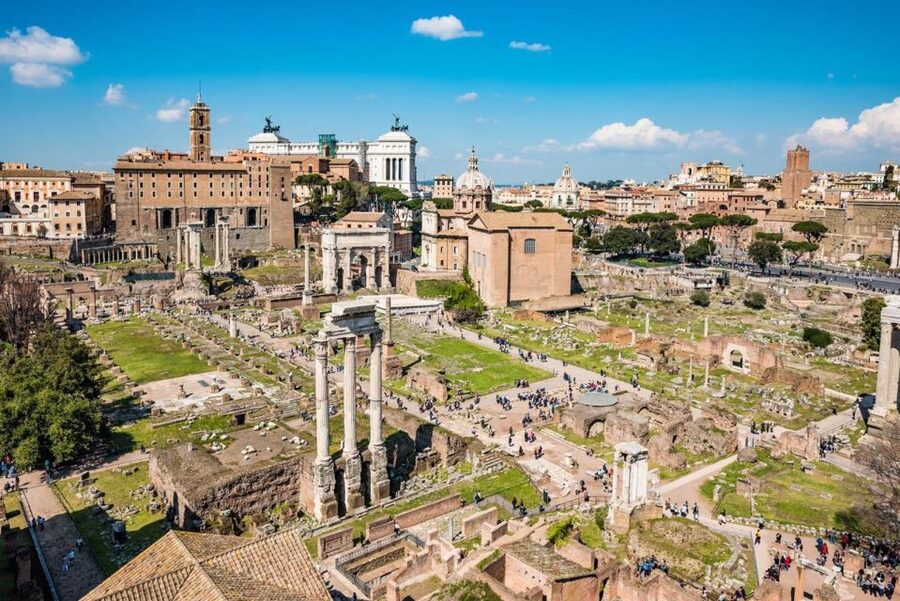
This is a small group tour, with a cap that keeps it manageable, and it’s also the kind of group size where the guide can answer real questions. You’re not reduced to one face among hundreds.
Headsets are included for groups of 6 or more, which is a big deal in places where you’re walking and the guide needs to talk while moving. If you’ve ever struggled to hear in loud ruins, you’ll appreciate this. It also helps when you’re standing near others who want the same photo spot.
The pacing tends to stay structured. You spend guided time at the right spots, then you get the “why” that makes each area click. That’s how you get more out of ancient Rome than just a checklist of monuments.
And because the whole circuit is planned for a short duration, you’re less likely to waste time getting oriented. You’ll still do real steps and climbs, but you avoid the extra time sink of constant route decisions.
Price and value: what $92 includes, and what it doesn’t
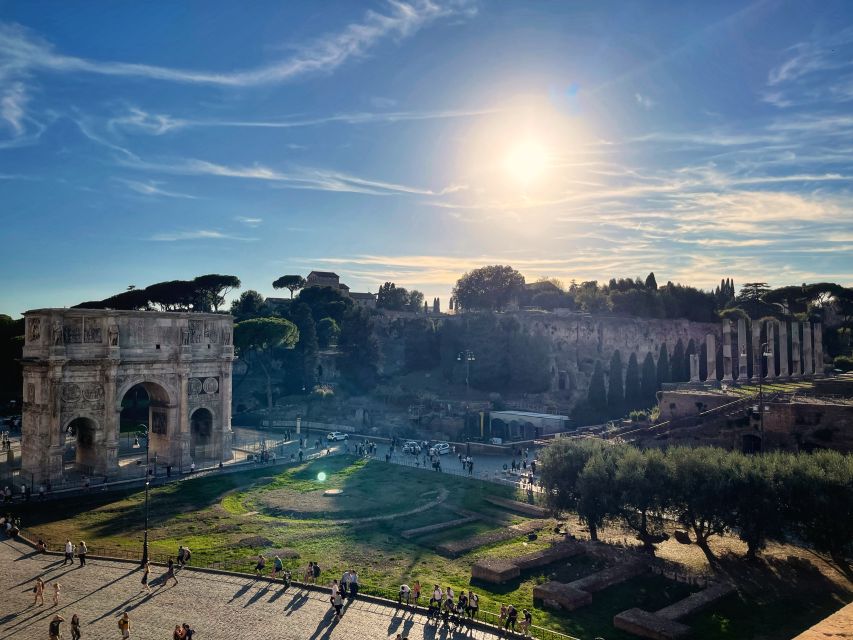
At $92 per person for a 3-hour tour, the key value is that it includes entrance tickets, all fees and taxes, and a guide, plus headsets when the group size triggers it.
That matters because Rome pricing can get sneaky. If you priced entrance tickets and then added a private guide, the total would likely balloon. Here, you’re paying for a guided route through the core sites in one pass, with included entry rather than cobbling it together day-of.
What’s not included is food and beverages, and you’ll need to handle water on your own anyway. Plan for that and you’ll avoid the classic trap of hiking through Rome hungry and cranky.
If you’re thinking about value, ask yourself this: do you want to spend your limited time figuring out where the Via Sacra is, which basilicas matter, and what you’re actually looking at inside the Colosseum? If yes, this price starts to look pretty fair for what you get.
Timing, surfaces, and Jubilee-related changes
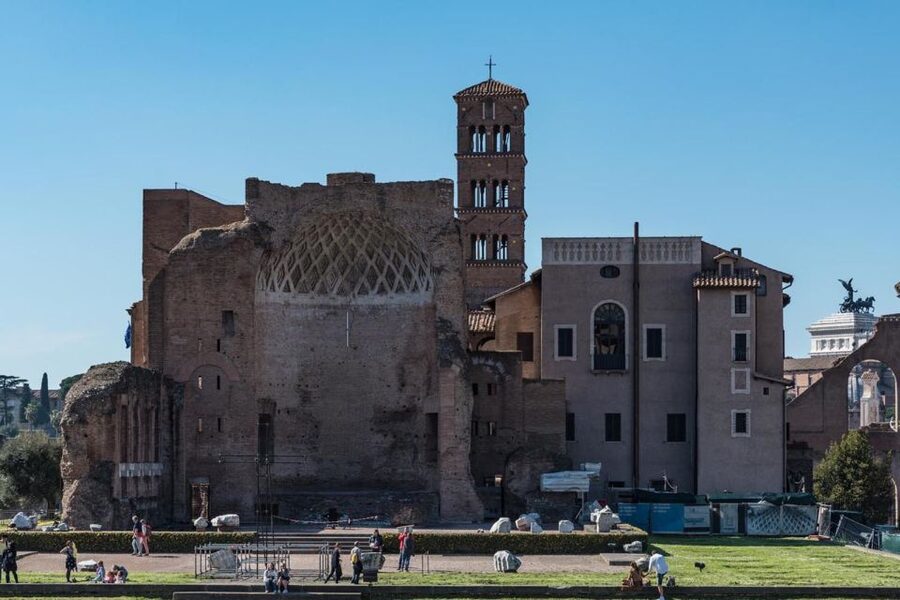
This is a walking tour through large archaeological sites. Expect steps and uneven ground, so the “comfortable shoes” advice is not a suggestion, it’s survival. Bring a bottle of water, and plan to take quick breaks when the group pauses.
Also note: due to the Jubilee, some monuments may be under restoration. The operator may message you if there are changes. That’s worth keeping in mind when you’re planning your day, because even in a well-run tour, access can shift.
If you’re the type who needs full control of every minute, you’ll want to build in a little flexibility. The goal here is a guided experience that works with what’s open, not a rigid script that ignores reality.
Who should book this Colosseum, Forum, and Palatine tour?
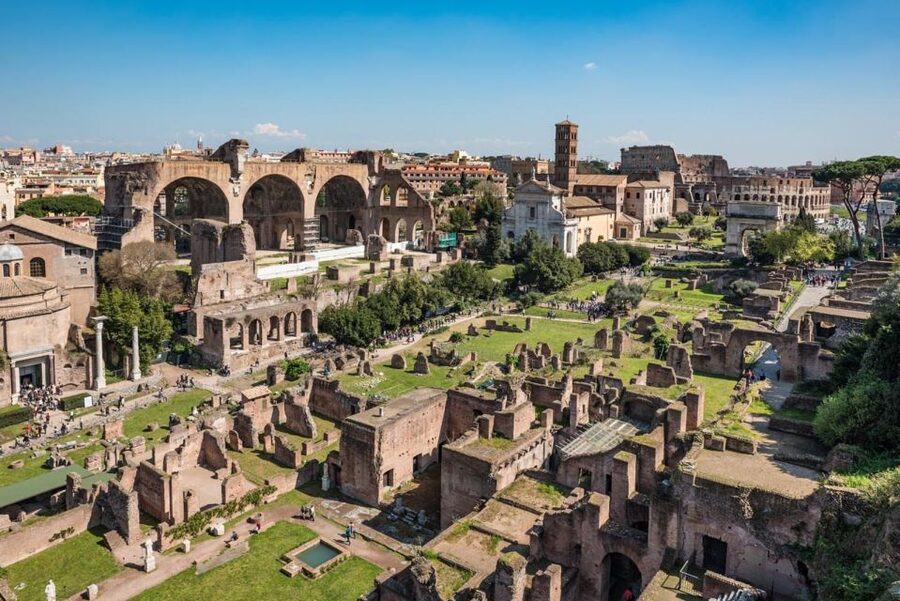
Book it if you want one focused morning or afternoon that teaches you how ancient Rome worked, not just what it looked like. This is a strong match for first-timers who want the big names with context, and for repeat visitors who want a tighter, guided framework.
You may want to skip it if you need wheelchair access or if you struggle with long walks on uneven stone and stairs. This is also not a good fit if you want long, independent wandering time. The value is in the structure.
If you like learning the “why” behind famous places, you’ll enjoy how the guide ties the Colosseum to gladiator storytelling and then ties the Forum and Palatine to power, law, and imperial image-making.
Should you book? My straight answer
I’d book this tour if you want the Colosseum plus the Roman Forum and Palatine Hill in one 3-hour, small-group plan with tickets included and a guide who keeps the story grounded. The best part is that the stops are chosen to connect. You don’t just see monuments, you understand the role each one played in Rome’s public life.
I would not book it if your priority is slow strolling with lots of free time, or if walking on uneven surfaces is a challenge for you. In those cases, you’ll get more comfort and less stress on a slower, more flexible option.
FAQ
FAQ
How long is the Rome Colosseum, Roman Forum, and Palatine Hill tour?
The tour lasts about 3 hours.
What is the price per person?
The price is $92 per person.
Is this a small group tour?
Yes. It is limited to a small group size, with a maximum of 16 people mentioned, and it also notes a small group size capped at 10 participants.
Where do I meet the guide?
Meet the guide in front of Cafe/Restaurant Angelino ai Fori, at Largo Corrado Ricci 43a. The guide will have a Through Eternity sign or flag.
Where does the tour end?
The tour ends at the Colosseum.
Are entrance tickets included?
Yes. Entrance tickets are included.
Does the tour include a guide and headsets?
Yes. You’ll have a live English guide, and headsets are provided for groups of 6 or more.
Are food and drinks included?
No. Food and beverages are not included.
What should I bring?
Bring comfortable shoes and water.
Is the tour wheelchair accessible?
No. The tour is not suitable for wheelchair users.
Are luggage or large bags allowed?
No. Luggage or large bags are not allowed.
What is the cancellation policy?
This activity is non-refundable.
Recently reviewed around Rome
- Rome: Castelli Romani Hop-on and Hop-off Tour★ 4.9 · 32 reviews
- Rome: Food Tour near Vatican City with Wine★ 4.8 · 100 reviews
- Rome: Scavenger Hunt Self-Guided Tour★ 4.6 · 15 reviews
- Hidden Rome: Small Group E-Bike Tour with Street Food Stops★ 4.9 · 144 reviews
- Rome: Highlights Tour in Golf Cart★ 4.9 · 28 reviews
- Rome: Hop-on Hop-off Bus Tour and Colosseum Experience★ 3.4 · 163 reviews
- Rome: Guided Haunted Rome Ghost Tour with Dowsing Rods★ 4.8 · 63 reviews
- Rome: Highlights Photo Shoot for Memorable Moments★ 5.0 · 32 reviews
Colosseum Tours, compared.
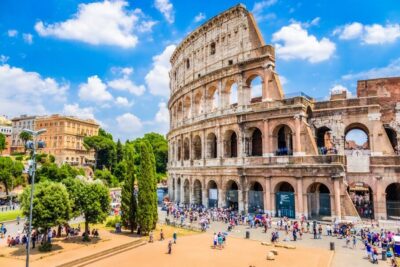
Colosseum, Roman Forum & Palatine Guided Tour
Read our review →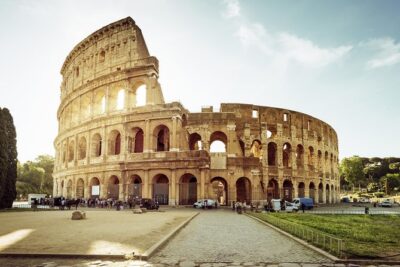
Colosseum, Palatine Hill and Roman Forum Guided Tour
Read our review →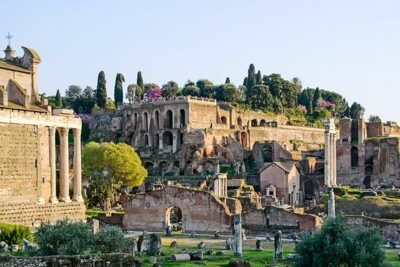
Guided Tour of Colosseum, Roman Forum & Palatine Hill
Read our review →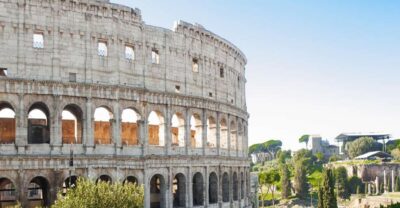
Colosseum & Forum with Audio Guide App -Optional Arena
Read our review →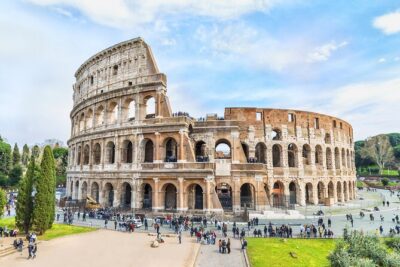
Colosseum, Roman Forum and Palatine Hill Guided Tour
Read our review →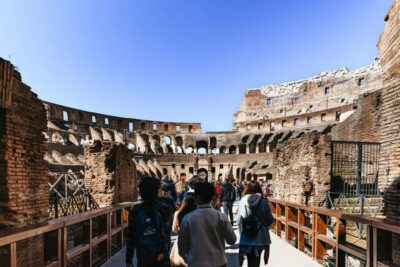
Colosseum, Forum & Palatine Hill Tour & Optional Arena
Read our review →
Colosseum, Roman Forum, Palatine with Multimedia Video
Read our review →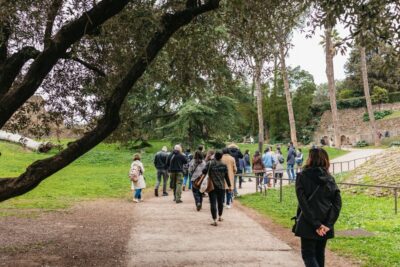
Colosseum, Palatine Hill & Roman Forum Guided Tour
Read our review →Browse the lists this tour appears in