Reviewed · TOURS
Rome: Tour of St. Clement’s Basilica Underground Temples
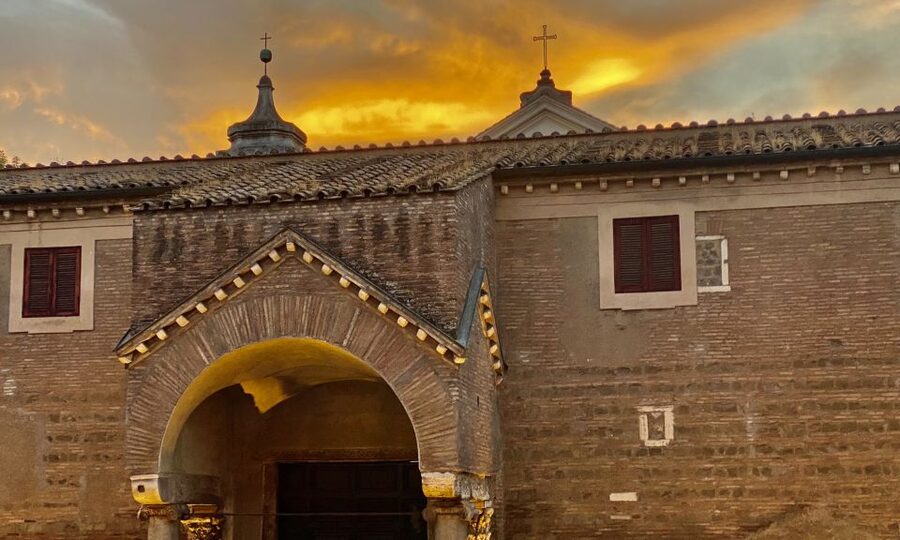
St. Clement’s Basilica is the kind of Rome stop that changes how you see the city. You start in a 12th-century church, then go down 14 meters into layers of belief, old rituals, and some of the earliest Christian art you can still visit.
I love the contrast, the bright golden mosaic aboveground right before the cramped, eerie underground world. I also love the story your guide builds around the Mithraic temple and the underground river, then shifts to the 4th-century frescoes of martyrs and persecution. A key drawback to think about is that the underground spaces can feel tight and this tour is not for wheelchair users.
If you’re lucky enough to tour with guides like Francesca, Lorenzo, or Paul, you’ll get clear, energetic explanations of what you’re looking at. Just know the schedule can change slightly if areas are closed or because Santo Stefano Rotondo can be affected by liturgical events.
Key highlights you’ll actually care about
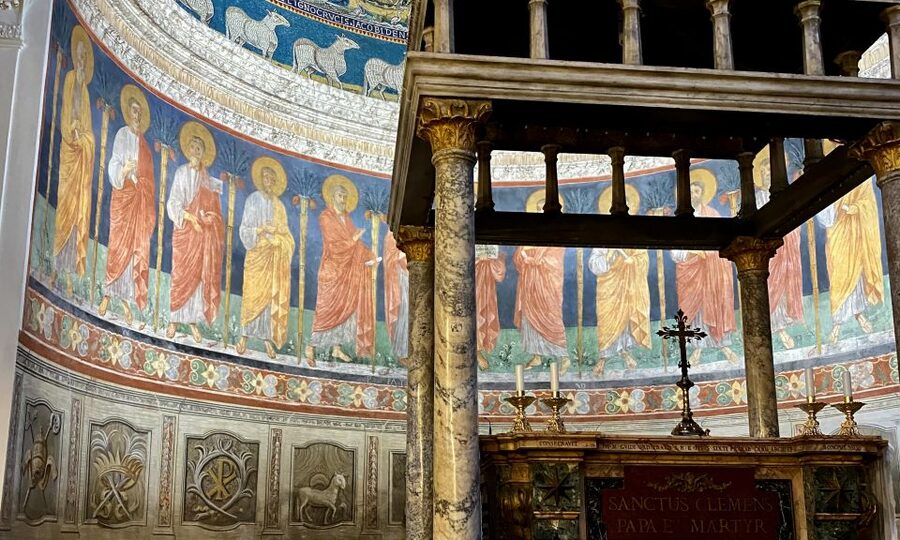
- A 12th-century apse mosaic you’ll learn to read for symbolism, not just admire
- A Mithraic temple that’s among the best preserved in Rome
- 14 meters underground, with an atmosphere made for slow, quiet looking
- Early Christian frescoes showing martyrs in a 4th-century basilica
- An underground river that adds a creepy, real-world sense of place
- An optional add-on at Santo Stefano Rotondo with circular architecture and vivid martyr scenes
St. Clement’s stacked layers, from mosaic light to underground darkness
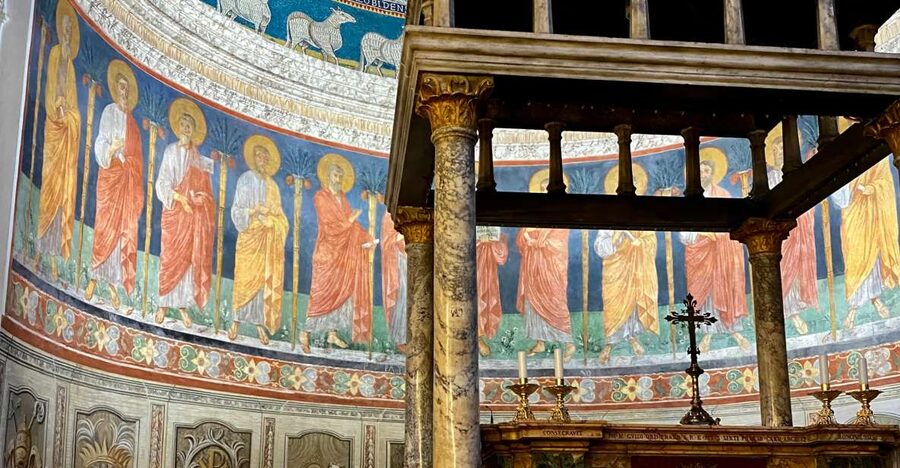
Rome has a lot of ruins. St. Clement’s has something rarer: ruins inside a living church. You begin at the level most people see, the Basilica of San Clemente, then you go down to the levels people rarely get to experience. The whole point is that Christianity did not replace Rome overnight. It sat on top of earlier lives, earlier beliefs, and earlier sacred spaces.
Before you even descend, your guide frames what you’re about to see. They point out details in the apse, including the golden mosaic that sits up above like a warm spotlight. Then the tour turns physical. You go from bright church air to stone steps and underground rooms. That shift matters because it changes how the art and artifacts land with you. You’re not just reading about Rome. You’re standing where different eras overlap.
If you want a “one ticket, two worlds” kind of stop, this is it. You get both pagan Roman religion and early Christian storytelling, all in one site. If you want clean, wide-open sightlines like a classic Rome panorama, this isn’t that kind of outing.
Other things people book around Rome:
- Vatican Museums & Sistine Chapel Tour with Optional Basilica
★ 4.3 · 67,413 reviews - Vatican Museums, Sistine Chapel & St Peter’s Basilica Guided Tour
★ 4.5 · 39,149 reviews - Rome: Colosseum, Palatine Hill and Roman Forum Guided Tour
★ 4.8 · 32,814 reviews
The 12th-century basilica apse, where guides teach you to look
Your tour starts at a 12th-century basilica, and the apse mosaic is your warm-up. Expect your guide to explain what the mosaic is doing there and what symbols might mean. Even if you’ve seen plenty of mosaics in Rome, this one hits differently because it’s the start of a longer, vertical story.
This first section is also when the pace clicks into place. You’ll use headsets so you can hear your guide clearly. That’s not a minor detail. St. Clement’s can get echoey, and the underground areas are not exactly designed for yelling.
What I like about beginning above ground is how it sets up contrast. The goal is not just to admire beauty. It’s to understand that the same location kept getting reused. The mosaic is like the final chapter’s cover page, right before you step into the earlier drafts underneath.
Going down 14 meters: the underground church and the story of St. Clement
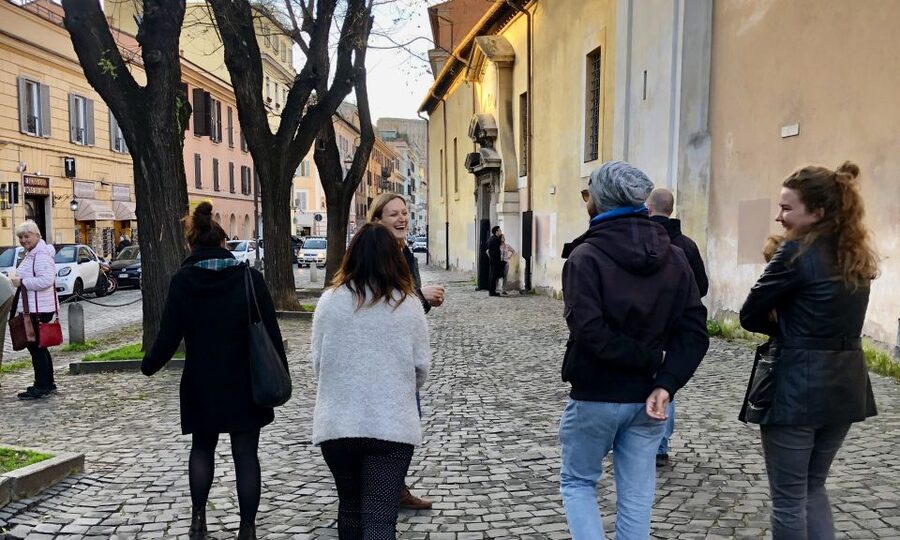
After the apse, you descend about 14 meters. This is where St. Clement’s becomes an underground journey through time. You’re exploring a 4th-century church built directly over the earlier site associated with St. Clement, described as the third pope of Rome. Your guide connects the building to the legends and early Christian narrative, especially what Christians faced during persecution.
The frescoes here are among the first reasons people remember this tour. You’ll see early Christian paintings that depict martyrs, and your guide will explain the scenes in a way that makes the imagery feel like story, not decoration. You’re looking at how communities told themselves who they were, what they suffered, and what they believed would come next.
One practical note: the underground spaces can feel tight. If you’re sensitive to enclosed areas, plan carefully. The tour is specifically flagged as not suitable for people with claustrophobia.
Mithraic temple and underground river, pagan ritual in stone
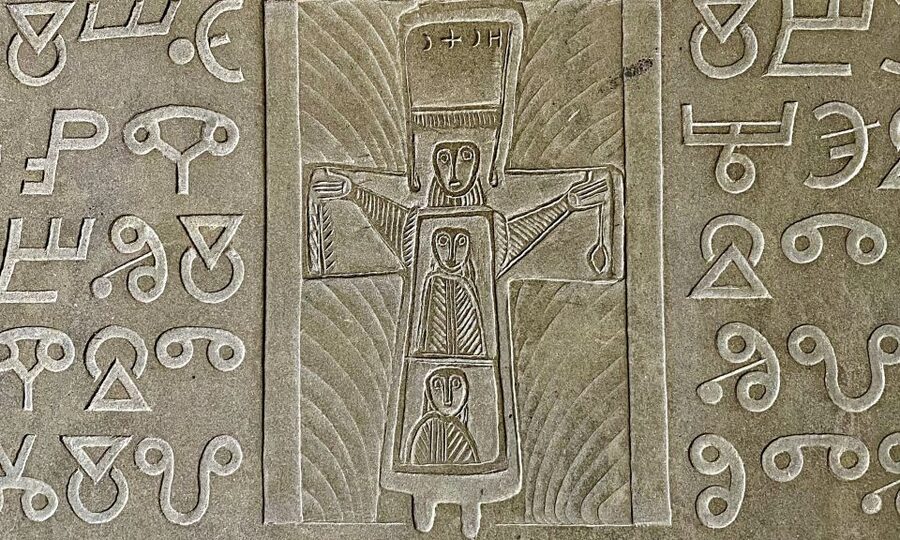
Then comes the part that many people treat as the headline. You explore one of the best-preserved Mithraic temples in Rome, plus the eerie presence of an underground river. Mithraism was a pagan cult that existed before Christianity became dominant, and seeing its space helps you understand how religious life worked in Roman streets and buildings.
Your guide explains the rituals and beliefs tied to this temple. What makes it satisfying is that the tour doesn’t treat the Mithraic site like a random artifact. It places it in the bigger theme of the area: sacred spaces changing hands, and old rites living beneath newer ones.
The underground river adds realism. You’re not just looking at a static room. You’re standing in a system shaped by water, stone, and time. That “something is still happening here” feeling is part of why the atmosphere lands so strongly.
Same city, a completely different kind of day:
- Rome: Guided Tour of Colosseum, Roman Forum & Palatine Hill
★ 4.7 · 27,897 reviews - Rome: Colosseum & Forum with Audio Guide App -Optional Arena
★ 4.2 · 24,770 reviews - Rome: Colosseum, Roman Forum and Palatine Hill Guided Tour
★ 4.5 · 23,903 reviews - Rome: City Sightseeing Hop-on Hop-off Bus with Audioguide
★ 4.0 · 16,045 reviews
Frescoes of martyrs: learning the early-Christian message without getting lost
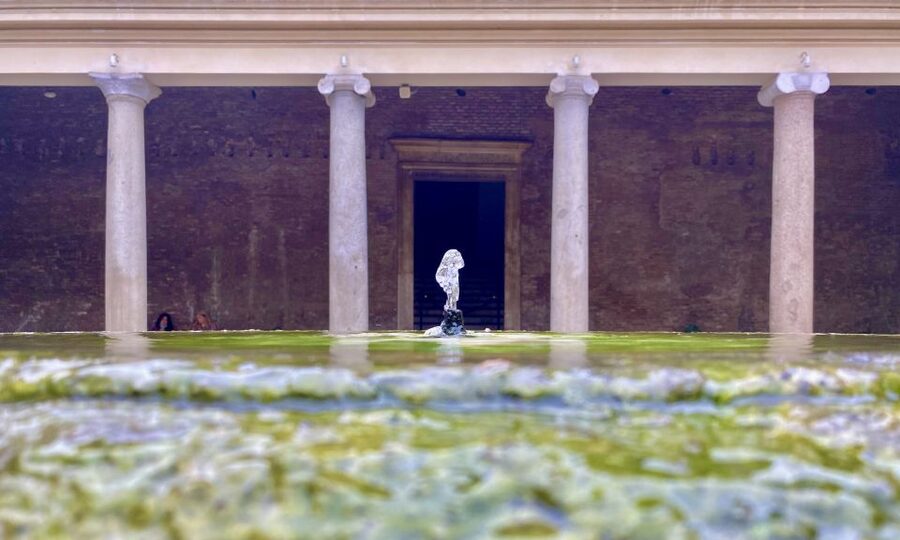
As you continue, the tour leans harder into early Christian images. You’ll encounter frescoes that depict persecution and martyrdom. Your guide connects those scenes to the idea that early Christians were not living in safety. They were building meaning while facing threats.
This section can be emotionally heavy because some of the imagery is graphic. If you’re bringing kids, you’ll want to judge maturity. The tour notes that the Santo Stefano Rotondo frescoes are graphic, and St. Clement’s includes martyr depictions too, so I’d treat the subject matter as serious, not bedtime-story material.
What’s valuable here is how your guide helps you slow down. Underground, it’s easy to get tunnel vision. Your guide’s job is to keep you oriented: what you’re seeing, what it might represent, and why it matters that it was painted in a 4th-century basilica.
Santo Stefano Rotondo option: circular architecture and vivid martyrdom scenes
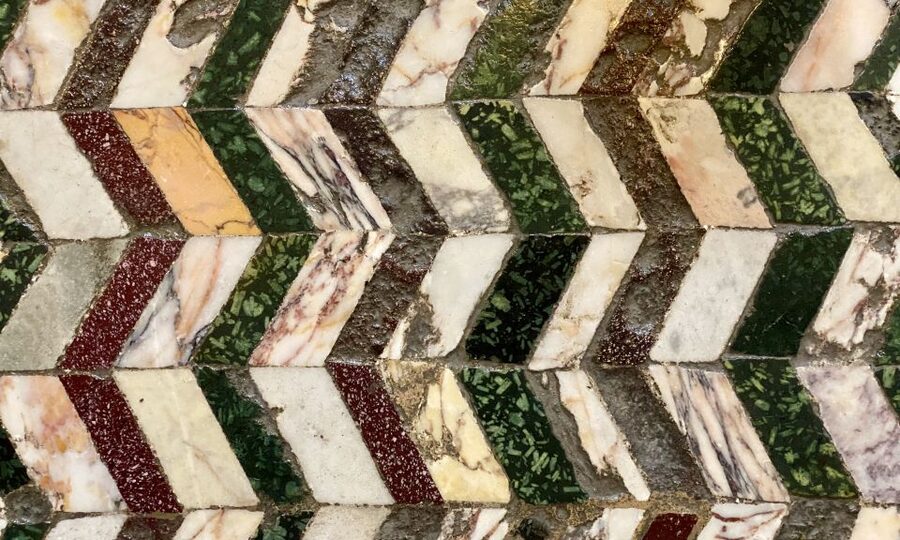
You can extend the experience with a visit to Santo Stefano Rotondo for about 45 minutes. If you choose the add-on, you’ll walk roughly 15 minutes between the two basilicas. Santo Stefano Rotondo is known for its circular architecture and its frescoes about martyrdom, which your guide discusses as a continuation of the stories you just saw.
This is the section for people who want more. If St. Clement’s already feels like a lot of early Christian art and pagan underlayers, Santo Stefano Rotondo is the “more of the same theme” follow-through, with a different setting and a strong visual hit.
Be aware of two real-world factors. First, Santo Stefano Rotondo can occasionally be unavailable due to special events or liturgical celebrations, and your order of visits can flip depending on the schedule. Second, the frescoes depict graphic martyrdom scenes, which may not suit children.
Who should book this tour, and who should skip it
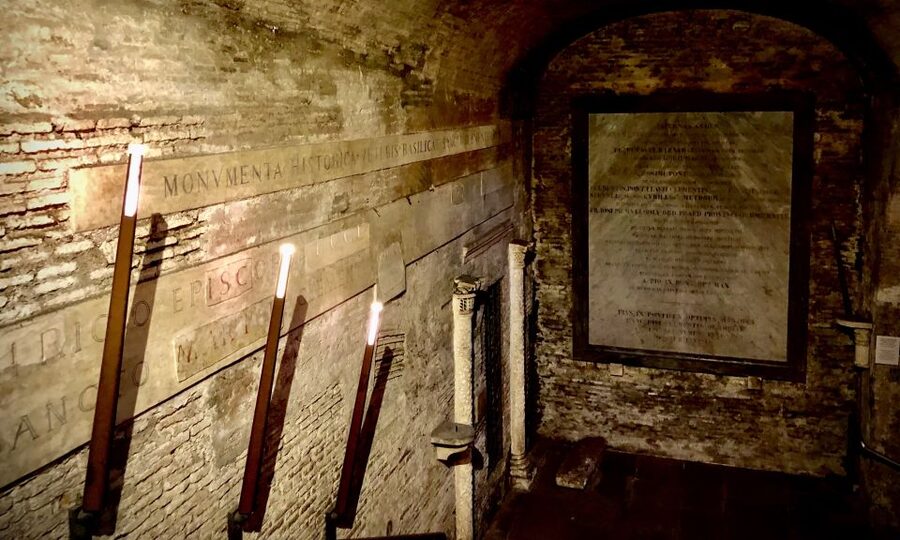
This is a great pick if you enjoy old Rome that isn’t about one big postcard monument. It’s also a strong choice if you like religion and symbolism, because your guide points out how meaning gets encoded in art and architecture.
It’s not a good match for everyone:
- Wheelchair users should skip, since the tour unfortunately is not accessible due to architectural structures inside and under the basilica.
- People with claustrophobia should think twice, since you’ll be in underground spaces.
- If you’re traveling with kids, consider the graphic martyr themes.
If you hate crowded, noisy tours, this can still work well because the time spent underground forces a slower rhythm. You’ll also have headsets, which makes the experience easier to manage.
Price and time value: why $70 can make sense here
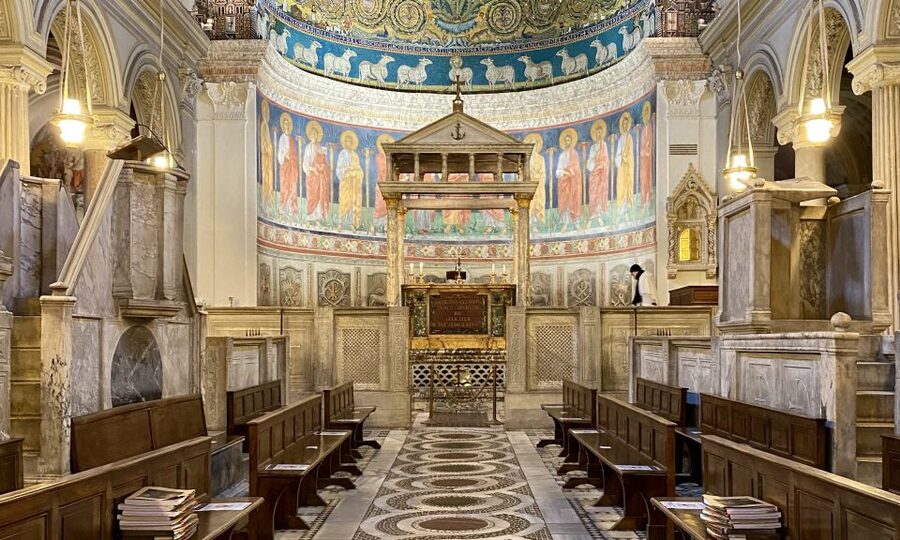
At about $70 per person, you’re paying for three things that are hard to replicate on your own: expert live guidance, access to the layers beneath, and the time-squeezed choreography of seeing everything without missing the point.
The tour lasts 1 hour for the main experience. If you add Santo Stefano Rotondo, you’re adding roughly 45 minutes, bringing you into the 1-2 hour range. That timing matters. You get a compact, guided route through places that are confusing without explanation.
Entrance fees to St. Clement’s are included, and Santo Stefano Rotondo is included only if you pick that option. Headsets are included, which helps you absorb the story instead of straining to hear in a church environment.
If you love “Rome in layers,” then paying for guidance is usually the smart move. This site is not just pretty. It’s packed with meaning that a self-guided visit may not connect as fast.
Practical tips: shoes, dress code, and how to avoid frustration
Wear comfortable shoes. You’ll be moving through churches and down into underground spaces, so you’ll want stable footing. Dress code rules are strict: shorts, short skirts, and sleeveless shirts are not allowed. Pets are also not allowed, and there are restrictions on weapons or sharp objects.
No food or drinks in the sites, and alcohol and drugs are not allowed. Most importantly, no video recording, and photography inside is not allowed. If photography is part of your coping mechanism, plan to rely on your memory and your guide’s descriptions instead.
Also keep an eye on closures. If parts of one of the churches close, your guide will adapt and highlight alternative sites, aiming to keep the overall duration unchanged. Weather and liturgical-calendar events can also affect timing, so it’s smart to be flexible.
Should you book St. Clement’s Underground Temples with the Santo Stefano add-on?
Yes, if you want a guided walk through Rome’s religious overlap, not just another museum stop. St. Clement’s gives you pagan Roman life belowground, then early Christian martyr narratives above and below that, all tied together by architecture and art. The Mithraic temple and underground river are the kind of moments that make Rome feel layered in a real, physical way.
Book the Santo Stefano Rotondo extension if you’re the type who likes a theme carried further. The martyrdom frescoes are graphic, so I’d only add it if everyone in your group can handle that subject matter.
Skip or reconsider if you have mobility limits that involve stairs and narrow underground routes, or if enclosed spaces are an issue for you.
FAQ
How long is the St. Clement’s underground temples tour?
The guided tour is listed at 1 hour. If you select the option to include Santo Stefano Rotondo, the total experience is in the 1-2 hour range.
Where does the tour start?
The meeting point can vary depending on the option booked. It may be at Piazza di San Clemente or at Basilica di San Clemente al Laterano.
Is Santo Stefano Rotondo included automatically?
No. The Santo Stefano Rotondo guided visit is included only if you specifically choose the extended option during purchase.
How much time do you spend at Santo Stefano Rotondo?
The optional guided visit to Santo Stefano Rotondo is about 45 minutes.
What’s included in the price?
Included items are an expert live guide, entrance fees to the Basilica of San Clemente, guided tour of Santo Stefano Rotondo only if that option is selected, and headsets to hear the guide clearly.
Is this tour wheelchair accessible?
No. It is not accessible to wheelchair users due to the architectural structures inside and under the Basilica of San Clemente.
Is it suitable for claustrophobia?
It may not be suitable. The tour includes underground spaces within the Basilica of San Clemente and can feel tight for people with claustrophobia.
Can I take photos or video inside?
No photography is allowed inside, and video recording is not allowed.
Are the frescoes at Santo Stefano Rotondo appropriate for children?
The frescoes at Santo Stefano Rotondo depict graphic scenes of martyrdom, and the tour notes they may not be appropriate for children.
What’s the cancellation and payment flexibility?
You can cancel up to 24 hours in advance for a full refund. You can also reserve now and pay later, which means you pay nothing today.
Recently reviewed around Rome
- Ancient Etruscan Civilization Tour from Rome★ 5.0 · 16 reviews
- Colosseum with Arena Floor Express Guided Tour★ 3.5 · 22 reviews
- Private Tour – Ancient Ostia★ 5.0 · 42 reviews
- PRIVATE Appian Way and Lake Albano Ebike Tour with Italian Lunch★ 5.0 · 12 reviews
- Ancient Appian Way and Roman Countryside E-Bike Tour★ 4.5 · 13 reviews
- Ancient Appian Way PRIVATE Bike Tour★ 5.0 · 89 reviews
- Catacombs and Hidden Underground Rome: Small Group Max 6 People★ 5.0 · 293 reviews
- Amalfi Coast Day Trip from Rome by High-Speed Train★ 4.5 · 162 reviews
Tours, compared.
Vatican Museums & Sistine Chapel Tour with Optional Basilica
Read our review →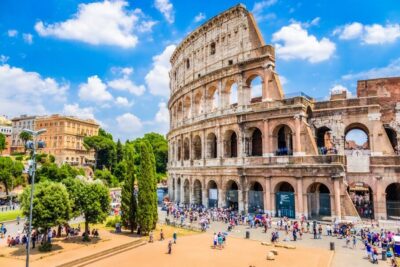
Colosseum, Roman Forum & Palatine Guided Tour
Read our review →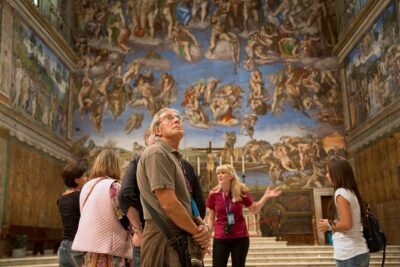
Vatican Museums, Sistine Chapel & St Peter’s Basilica Guided Tour
Read our review →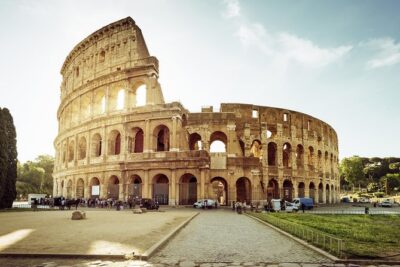
Colosseum, Palatine Hill and Roman Forum Guided Tour
Read our review →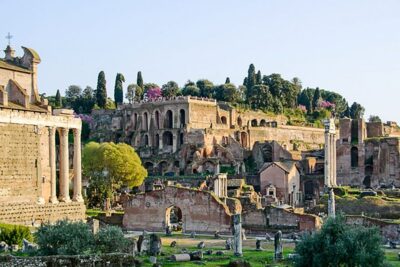
Guided Tour of Colosseum, Roman Forum & Palatine Hill
Read our review →
Colosseum, Roman Forum and Palatine Hill Guided Tour
Read our review →
Vatican Museums, Sistine Chapel & Basilica Tour
Read our review →