
Reviewed · JEWISH GHETTO TOURS
Rome: Jewish Ghetto, Great Synagogue & Trastevere Tour
Rome’s Jewish Ghetto tour works because it blends two sides of the city that are often kept apart on a typical sightseeing day: the old Jewish quarter by the river, and the everyday street life of Trastevere. You’ll walk real neighborhoods, then shift into a more solemn space at the Great Synagogue, where you can actually see how two thousand years of Jewish life left marks on Rome.
I especially like how this is built as a small-group walk with headsets, so you can follow the story without shouting through crowds. I also like that you get skip-the-line entry to both the Jewish Museum and the synagogue, which matters when your time window is only 3 hours. The main drawback to keep in mind is that the early part of the route includes time around churches, so if you came for ghetto-only content, you may need patience before the main Jewish sites.
Key Points Before You Go
- Small group limit of 10 keeps the pace readable on narrow streets
- Headsets included help you catch the guide’s explanations as you move
- Skip-the-line tickets for the Jewish Museum and Great Synagogue save precious time
- Trastevere + church stop sets the local context, even if you want more ghetto focus
- Jewish Museum inside the synagogue complex ties artifacts to the neighborhood story
- River crossings and panoramic views give you Rome in a wider frame, not just street corners
Why This Rome Jewish Ghetto Walk Feels Different Than Usual Sightseeing
Most people think Rome is all about emperors and churches. This tour adds a third layer that’s just as old and just as real: the Jewish community in Rome, one of the oldest outside the Middle East. Walking there, you notice details you would miss if you only popped into big monuments for photos.
I like the structure here because it moves from street-level life to sacred architecture and museum objects. You start in a lively area, then work your way toward places that demand slower attention. That pacing makes the Jewish Quarter feel less like a side note and more like a core part of Rome’s identity.
You do need to be ready for walking and a tight schedule. The format is only about 3 hours total, and everything is on foot. That’s great for immersion in the neighborhood vibe, but it means you should arrive on time and keep your expectations focused.
More Jewish Ghetto tours in Rome:
- Rome: Trastevere or Jewish Quarter Street Food Tour
★ 4.8 · 3,839 reviews - Jewish Ghetto and Trastevere Tour Rome
★ 4.5 · 1,729 reviews - Jewish Ghetto and Synagogues with Jewish Roman Guide 3 Hours
★ 5.0 · 907 reviews
Meeting at Ponte Sisto, Then Getting Your Bearings in Trastevere
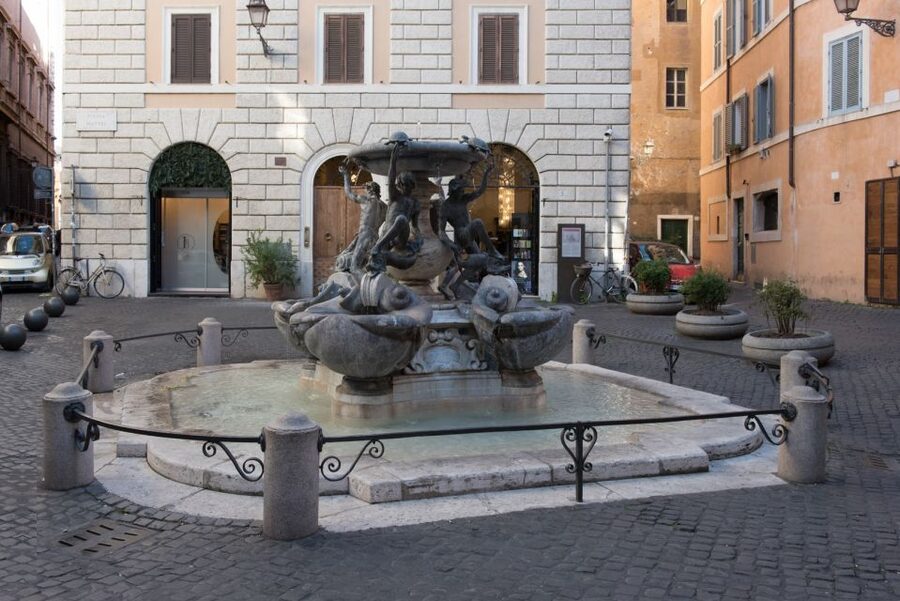
Your meeting point is Fontana di Ponte Sisto, and the route begins with a walk through Trastevere. This is one of those parts of Rome where the streets feel made for wandering. Narrow lanes, lively piazzas, and everyday storefronts keep you grounded in the city as it is now, not just how guidebooks describe it.
What you’ll get from this opening stretch is context. Rome’s Jewish history didn’t happen in a vacuum. It played out beside working neighborhoods, bridges, churches, and daily movement across the city. Starting in Trastevere helps you understand why the Jewish Ghetto later became so tightly linked to the Tiber and surrounding areas.
One thing to know, based on how the tour is paced: the first chunk of time can include a church-focused stop. If you want the ghetto theme right away, plan for a brief warm-up before the tour fully settles into the Jewish sites.
Santa Maria in Trastevere and the Church Stop That Some People Question

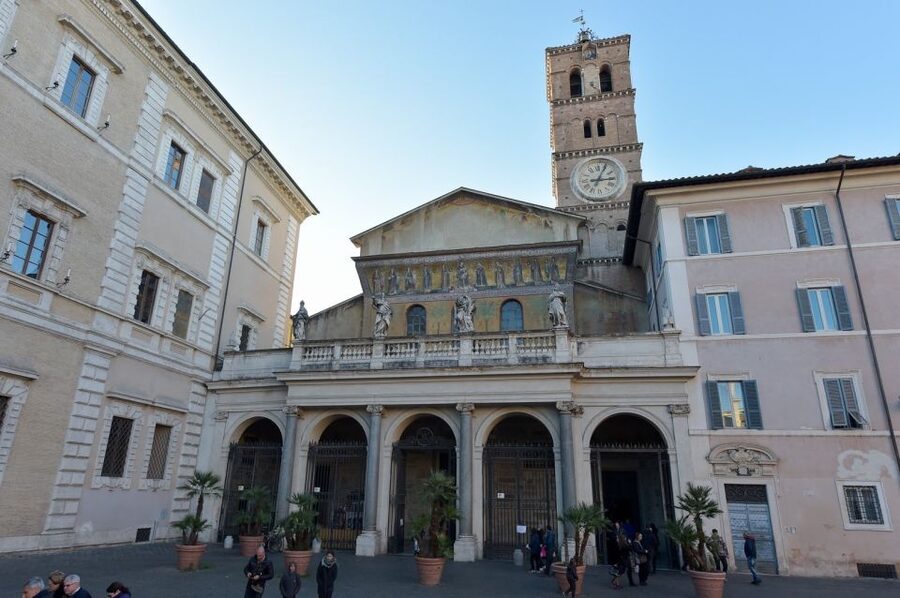
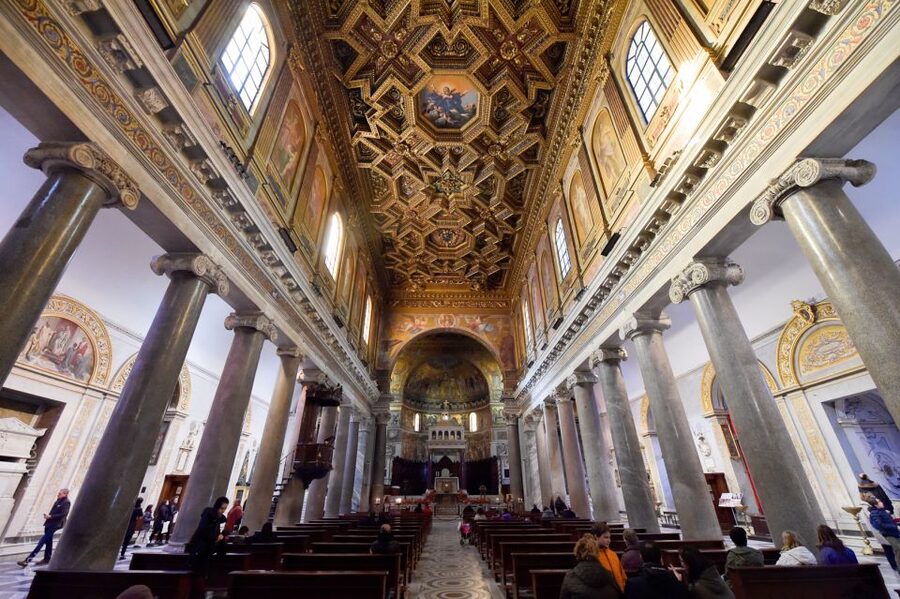
The itinerary includes a visit to Santa Maria in Trastevere with a guided explanation. The church matters because it anchors you in the way Rome layers faith traditions in one physical space and one city grid. You’ll also have a chance to see notable religious art, including works associated with Bernini and Caravaggio mentioned in the tour highlights.
Still, this is the point where the tour can feel like a mismatch for certain expectations. One person felt the early church time took too much space, because they were mainly looking for ghetto and synagogue content. That criticism makes sense. If you book specifically for Jewish Ghetto history only, you may have to mentally budget for some detours.
My practical take: treat Santa Maria in Trastevere as a tool, not a detour. Use it to understand the setting of Rome’s religious and artistic culture, then carry that awareness into the Jewish Museum and synagogue. If you go in with that mindset, the church stop helps the story click rather than simply delays it.
Walking Toward the Tiber Island, and Why the River Shapes the Story
Next up is the Tiber Island, reached by walking across the river area. This is one of those Rome moments where the city opens up visually. You’ll also be moving through a geography that makes the later neighborhood feel logical, not random.
The tour highlights include panoramic views of Rome. While you won’t control the exact sight angle, you can expect a moment or two where the river and surrounding buildings give you scale. That matters because Rome’s quarters can feel disconnected when you only look at them one street at a time.
Also, river locations often explain more than you think. Bridges, islands, and crossing points influence how people traveled, how neighborhoods related to each other, and how borders were perceived. Walking it with a guide makes the “why” feel less like trivia and more like lived geography.
More Trastevere walks and food tours:
- Winner 2025 Rome Twilight Trastevere Food Tour by Eating Europe
★ 5.0 · 5,157 reviews - Rome: Trastevere Food tour with Free-Flowing Fine Wine
★ 5.0 · 2,853 reviews - Rome: Trastevere & Campo de Fiori Street Food Walking Tour
★ 4.9 · 2,768 reviews - Rome: Award Winning Trastevere Group Food Tour with Wine
★ 5.0 · 2,273 reviews
Entering the Former Jewish Ghetto Streets With a Small Group Pace

Now you reach the heart of the experience: the Jewish Ghetto in Rome. This is where the tone changes. Streets get tighter. The pace becomes more deliberate. And the guide’s job shifts from describing scenery to connecting events, community life, and physical space.
I like that this part is designed for a small group, limited to 10 participants. On these lanes, small groups are not just a comfort perk. They prevent the tour from turning into a moving wall of people that blocks sightlines and makes it harder to hear explanations.
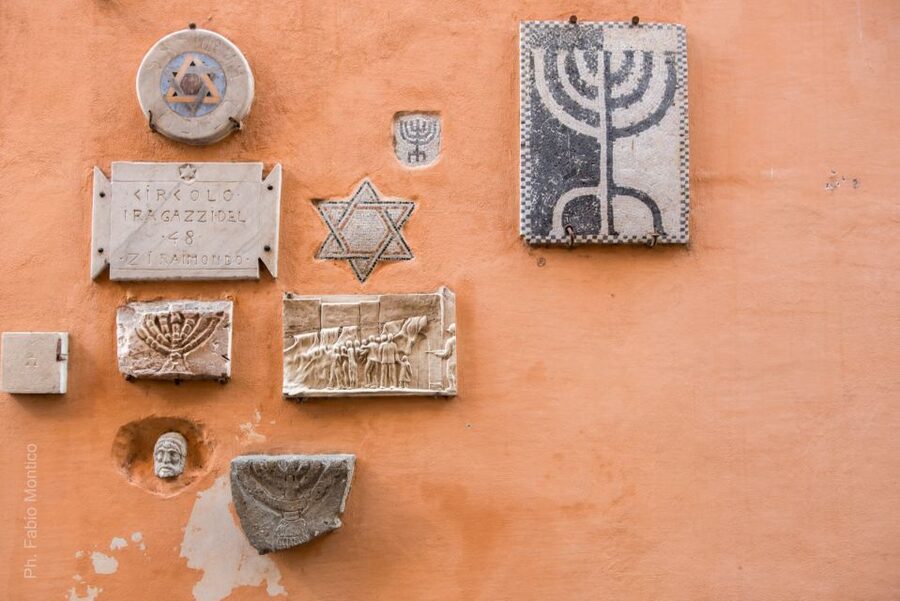
As you walk, you’re meant to feel the link between the past and the present of Jewish life in Rome. That’s the real value here. You’re not just reading dates. You’re observing how the neighborhood’s layout influences where people could gather, how they could move, and where their institutions sat in relation to the rest of the city.
Practical tip: keep your eyes up as well as forward. In historic Rome, the story often appears in small architectural cues, side entrances, and street patterns that don’t fit in a single photo. Your guide will point things out as you go.
Jewish Museum in the Great Synagogue Complex: Artifacts That Make Time Tangible
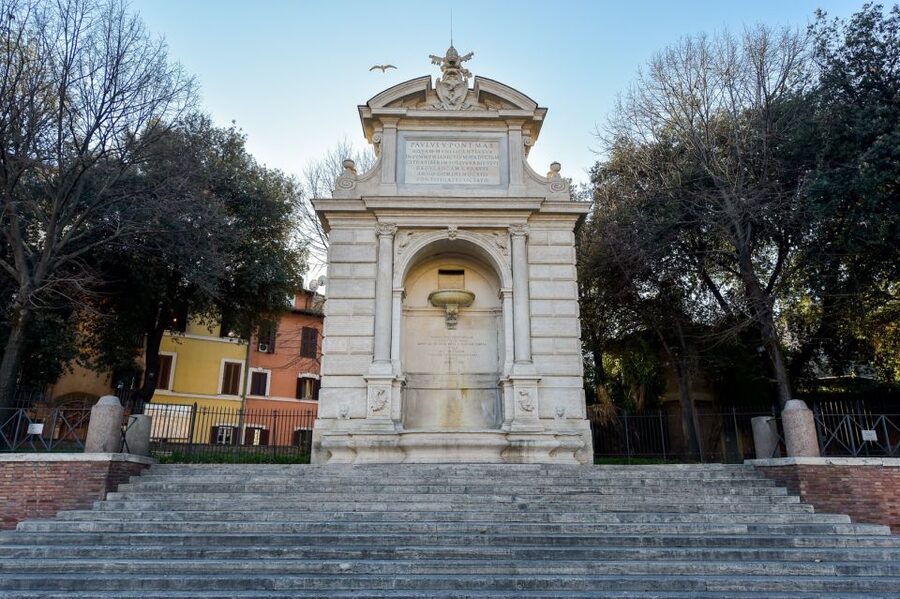
The tour includes a visit to the Jewish Museum, located within the Great Synagogue complex. This stop is one of the biggest payoffs because it turns the neighborhood story into documents and objects you can actually see.
The description emphasizes magnificent artifacts and precious documents showing around two thousand years of Jewish history in Rome. That kind of timeline is hard to absorb in a street walk alone. In the museum, the facts become visual. You can slow down and connect what you heard outside to what’s preserved inside.
If you care about how communities are remembered, this is where the tour earns its ticket price. A guided explanation plus skip-the-line access means you spend less time waiting and more time doing the meaningful work: seeing evidence and asking questions.
One thing to watch: with only a 3-hour window, the museum experience depends on how the earlier stops go. If you’re hoping for the museum to be your main time, arrive with energy and stay focused during the walk. The museum is the moment you’ll want your attention most.
Great Synagogue of Rome: Respectful Viewing in a Place of Living Memory
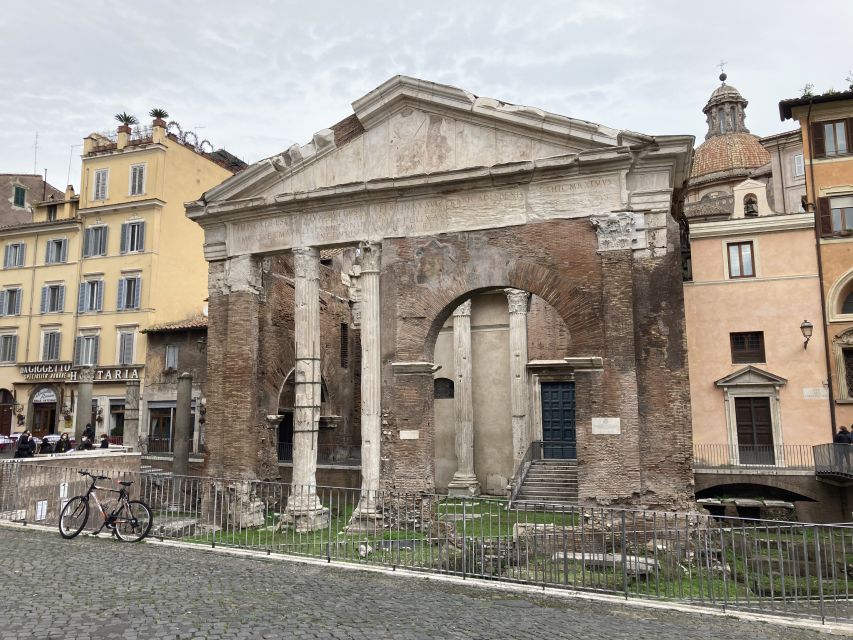
After the museum, you visit the Great Synagogue of Rome itself. This is not just architecture trivia. The synagogue is a working cultural and religious site, so the visit comes with rules that shape how you should show up.
The tour also clearly lists what you should wear and what you should avoid. You cannot wear shorts, short skirts, or sleeveless shirts, and uncovered shoulders are not permitted. If you’re traveling in summer heat, plan ahead. Bring a light layer that still fits dress expectations.
There are also practical limitations on items. The tour states that metal objects, big bags, and luggage or large bags are not allowed. Weapons or sharp objects are also prohibited. Pets are not allowed either, with assistance dogs allowed.
I like that these rules are spelled out. They protect the space, and they reduce last-minute problems at the door. Do yourself a favor and show up prepared, rather than treating it like a quick stop you can improvise your way through.
The Bernini and Caravaggio Mention, and How to Use It During Your Visit

The highlights note works associated with Bernini and Caravaggio. You may see them during the church-focused segment, since that’s the other major indoor art stop on the route.
Here’s how to make that mention useful instead of vague. When you enter Santa Maria in Trastevere, focus on the art and ask yourself what each piece is trying to communicate in that religious setting. Then, when you shift to the synagogue and museum, compare the “language” of religious expression in each space.
It’s a good exercise. Not because you need to be an art historian, but because it helps you understand how Rome expresses devotion through different traditions and different institutions. A guided route makes those connections easier.
Price, Timing, Headsets, and the Real Value of Skip-the-Line Entry
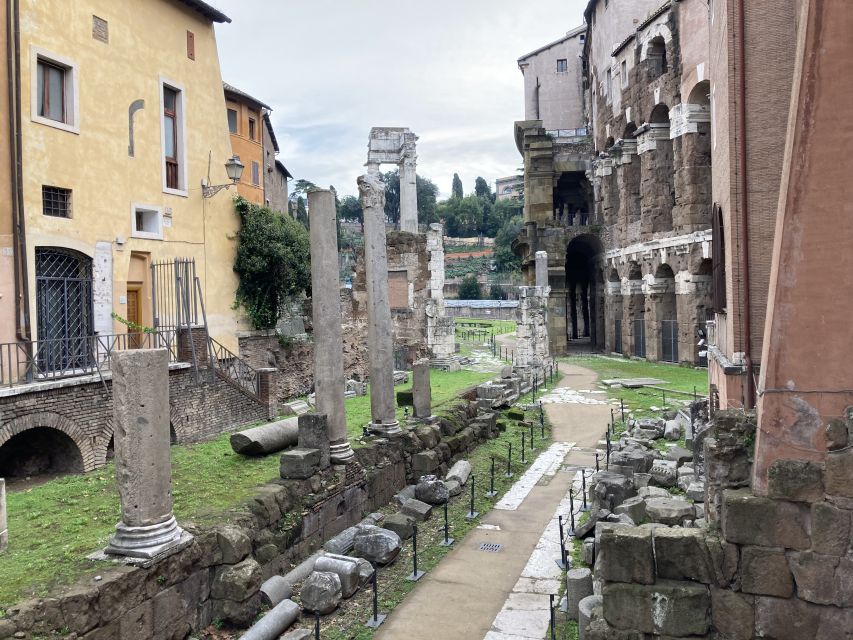
The price is $82 per person for about 3 hours. That sounds like a lot until you look at what’s included. You get a live English guide, headsets, and skip-the-line entry tickets for both the Jewish Museum and the Great Synagogue.
That combination is where the value lives. In Rome, waiting lines can eat your day. Here, you’re paying for time saved and context delivered. Plus, headsets matter on a moving walk, especially when you have to hear instructions while weaving through streets.
One point to consider: at least one person reported that the tour ended up closer to 2 hours rather than the advertised 3 hours. That doesn’t necessarily mean the tour is consistently shorter, but it does suggest you should treat time as flexible on the ground. If you have a tight schedule after the tour, don’t book your next activity with zero margin.
Headsets are another practical factor. One person complained about the guide being hard to understand and said the headphones made it worse. To protect yourself, test the headset right away. If the sound is off, ask the guide or staff to fix it early, not after you’ve already walked for 20 minutes.
Finally, the pace is designed for a mixed fitness level, and one review noted a bathroom and drinks stop was included when needed. Still, this is a walking tour through historic streets. Wear shoes you can rely on, and bring a small water plan for the day.
Who This Tour Suits Best, and Who Might Want to Skip It
This tour is ideal if you want a guided, respectful introduction to the Jewish Ghetto of Rome plus the Great Synagogue and its museum. It’s also a good fit if you like neighborhood walking, because Trastevere is more than a backdrop here. It helps you understand how the ghetto sits within living Rome.
You’ll likely enjoy it most if you like guided interpretation. The tour is built around a story arc, and the guide’s explanations shape how the sites connect. One of the strongest points from the experience is that guides can make the material click, with good pacing and room for questions.
If you hate church stops or you booked with a strict ghetto-only mindset, consider that the route includes time around churches early on. You might spend more time than expected in those areas before reaching the synagogue sites.
Also, if you rely on perfect audio, check your headset on day-of. Small failures can make history harder to follow when you’re walking and listening at the same time.
Should You Book the Rome Jewish Ghetto, Great Synagogue and Trastevere Tour?
I think you should book if you want a short, well-organized introduction that covers the big three: Trastevere streets, the Jewish Ghetto, and the Jewish Museum and Great Synagogue. The skip-the-line access and headsets are real advantages, and the small group limit makes the walking manageable.
Book it with eyes open if you are extremely strict about the word ghetto in your plans. Part of the route involves Santa Maria in Trastevere, and the story starts with the broader religious and artistic setting of Rome. If you can treat that as context instead of the main event, you’ll get a fuller picture.
If your schedule allows only one guided Jewish-history stop, this is a strong choice because it compresses a lot into a single walk, without making you wait in lines for the most time-sensitive entries.
FAQ
How long is the Rome: Jewish Ghetto, Great Synagogue & Trastevere tour?
The duration is 3 hours.
Where do I meet the guide?
Meet in front of the Fontana di Ponte Sisto. Your guide will meet you there.
What’s included in the tour price?
The tour includes Jewish Museum skip-the-line entry, Great Synagogue skip-the-line entry, a tour guide, and headsets.
Is the tour wheelchair accessible?
Yes, the tour is wheelchair accessible.
Are shorts or sleeveless shirts allowed?
No. Shorts, short skirts, and sleeveless shirts with uncovered shoulders are not allowed.
Are big bags or luggage allowed?
No. Large bags, luggage, and big bags are not allowed.
Can I cancel for a refund, and is reserve pay later available?
Yes. You can cancel up to 24 hours in advance for a full refund. Reserve now & pay later is available, so you can book without paying immediately.
Recently reviewed around Rome
- Ancient Etruscan Civilization Tour from Rome★ 5.0 · 16 reviews
- Colosseum with Arena Floor Express Guided Tour★ 3.5 · 22 reviews
- Private Tour – Ancient Ostia★ 5.0 · 42 reviews
- PRIVATE Appian Way and Lake Albano Ebike Tour with Italian Lunch★ 5.0 · 12 reviews
- Ancient Appian Way and Roman Countryside E-Bike Tour★ 4.5 · 13 reviews
- Ancient Appian Way PRIVATE Bike Tour★ 5.0 · 89 reviews
- Catacombs and Hidden Underground Rome: Small Group Max 6 People★ 5.0 · 293 reviews
- Amalfi Coast Day Trip from Rome by High-Speed Train★ 4.5 · 162 reviews
Jewish Ghetto Tours, compared.

Trastevere or Jewish Quarter Street Food Tour
Read our review →
Jewish Ghetto and Synagogues with Jewish Roman Guide 3 Hours
Read our review →
Eat Like a Roman Ghetto & Campo de’ Fiori Food Tour
Read our review →
Jewish Ghetto & Piazza Navona: Food, Wine & Sightseeing Rome Tour
Read our review →
Food & Wine Tour of Campo de Fiori, Ghetto, Trastevere
Read our review →

Jewish Ghetto & Campo de Fiori by Night Food Wine Tour
Read our review →Browse the lists this tour appears in