
Reviewed · COLOSSEUM TOURS
Rome: Introduction to the Colosseum and Ancient City Tour
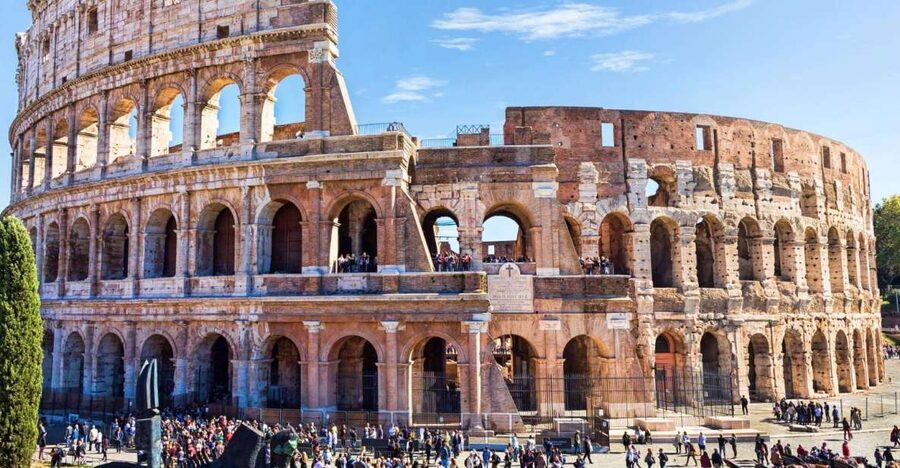
This 2.5-hour Rome intro is interesting because it turns one of the world’s most crowded ruins into a logical story, starting with skip-the-line access to the Colosseum and then walking you through the power centers of Ancient Rome with an expert guide. I like the way the guide explains the big picture first, then helps you read the stone around you. I also like the practical add-ons, like radios, so you can actually hear details without craning your neck the whole time. A simple catch: ID is mandatory at the gate, and there is no suitcase compartment, so pack light.
After the guided section, you get breathing room to explore Palatine Hill and the Roman Forum at your own pace, including panoramic views back toward the Colosseum. The tour wraps at Trajan’s Column, a clear, photo-friendly ending point for the Roman victory story.
Key highlights worth planning for
- Skip-the-line entry to the Colosseum, so you spend more time seeing than standing
- Radios and headsets to hear your guide clearly through the crowds
- Myths, legends, and gladiator storytelling tied to what you’re looking at
- Your own time on Palatine Hill and the Roman Forum, plus views toward the Colosseum
- A finish at Trajan’s Column, so your tour has a strong final beat
Skip-the-Line Start at the Colosseum: What It Feels Like on Arrival
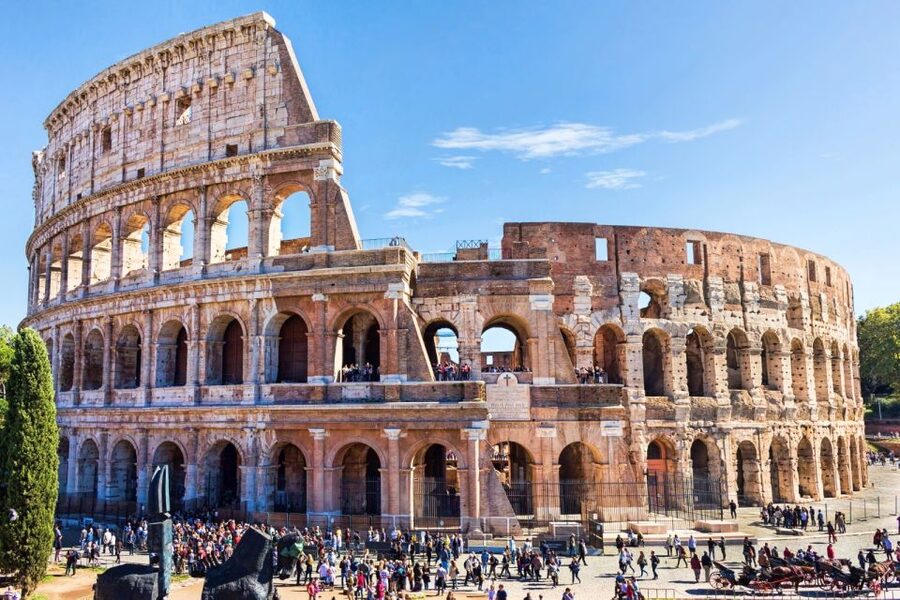
The first win here is simple. You get entrance access to the Colosseum as part of the tour, and you skip the ticket line. That matters in Rome because the lines can eat up your morning or afternoon fast, especially when the Colosseum is on everyone’s list.
Just know what can slow you down anyway: ID checks. The tour requires passport or ID card at the entrance, and if you show up without it, entrance is not guaranteed. Also double-check the booking details. The full names of all participants are needed, and incomplete information can jeopardize access.
One more practical point that surprises people: there’s no suitcase compartment. If you’re the type who shows up with a big rolling bag, plan to travel light for this stop. Smaller daypack is the safer bet.
Finally, the meeting point can vary depending on the option you book. I’d treat this like a “leave time buffer” activity. Arrive a bit early so you can find the right check-in without rushing.
More ways to see the Colosseum:
- Rome: Colosseum, Palatine Hill and Roman Forum Guided Tour
★ 4.8 · 32,814 reviews - Rome: Guided Tour of Colosseum, Roman Forum & Palatine Hill
★ 4.7 · 27,897 reviews - Rome: Colosseum & Forum with Audio Guide App -Optional Arena
★ 4.2 · 24,770 reviews
Colosseum Inside: Engineering, Gladiators, and Why It Was Built
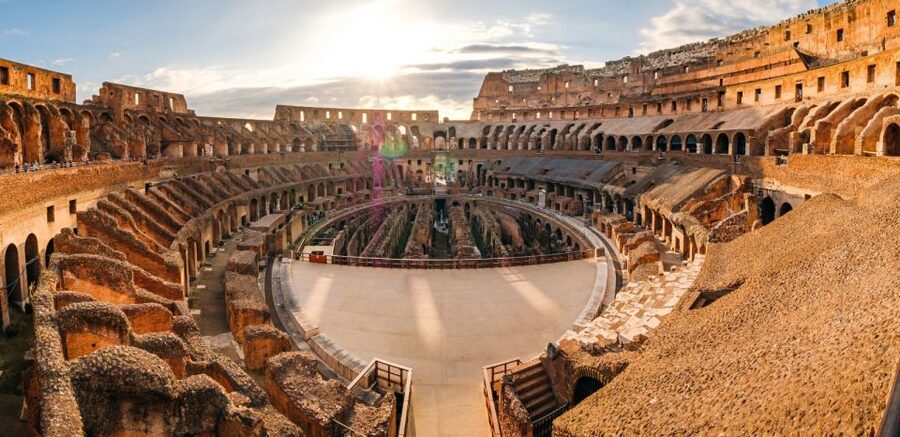
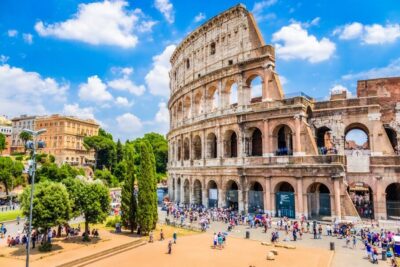
Your guided walk focuses on the Colosseum as a machine for spectacle, not just a pile of impressive stone. You learn how it could handle around 50,000 spectators and how it had over 80 entrances. Those details help you understand the building as something designed for crowds moving at speed.
The guide also explains the three big reasons the structure came to life:
- It was a gift from the Flavian Dynasty to Roman citizens, to win support and popularity
- It hosted entertainment and large-scale events
- It displayed Roman engineering, basically showing what Roman building could do
You’ll also hear how long some festivals and games could last, up to 100 days. That turns your visit from a quick photo moment into a sense of how daily life and politics could get tied to public spectacle.
And yes, there are gladiator stories. The tour guide shares tales of the gladiators who entertained huge crowds. You do not have to be a Roman-history nerd to enjoy this part. The best guides connect the drama to the physical space, explaining where people stood and what the building was meant to do.
A small quality note from past tours: French guide Catherine led a small-group format in a French-speaking tour run (about 8 people), and the feedback highlighted very clear explanations with visuals. Another standout guide name you might hear is Alessandro Palma, whose explanations were described as full of curious details and delivered with attention to the group. That’s the tone you should hope for, expert guidance with room for questions.
Palatine Hill and the Roman Forum: Views Plus Real Power Geography
After the Colosseum segment, you move into Palatine Hill and the Roman Forum. This is where the tour becomes more than sightseeing, because the guide connects what you see to what Rome used for daily life and power.
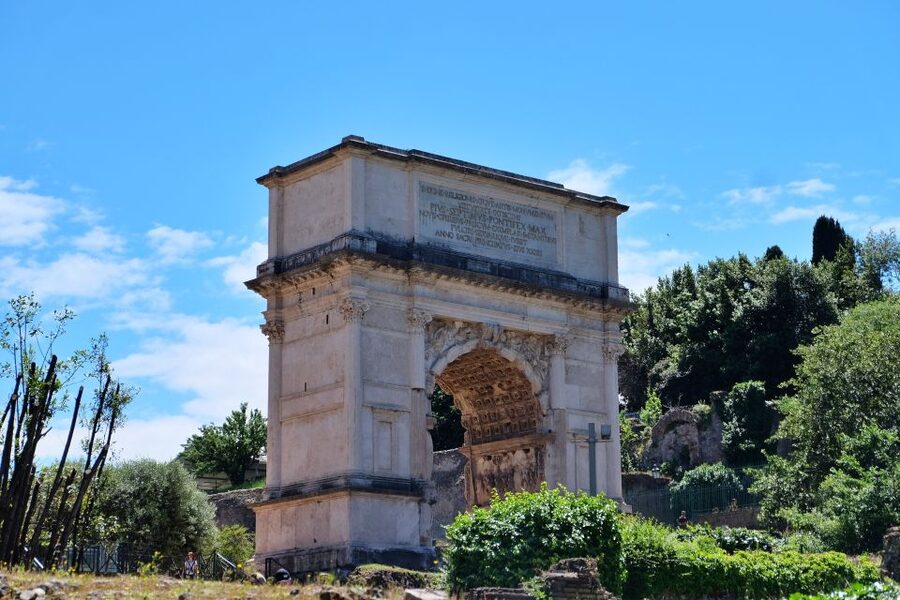
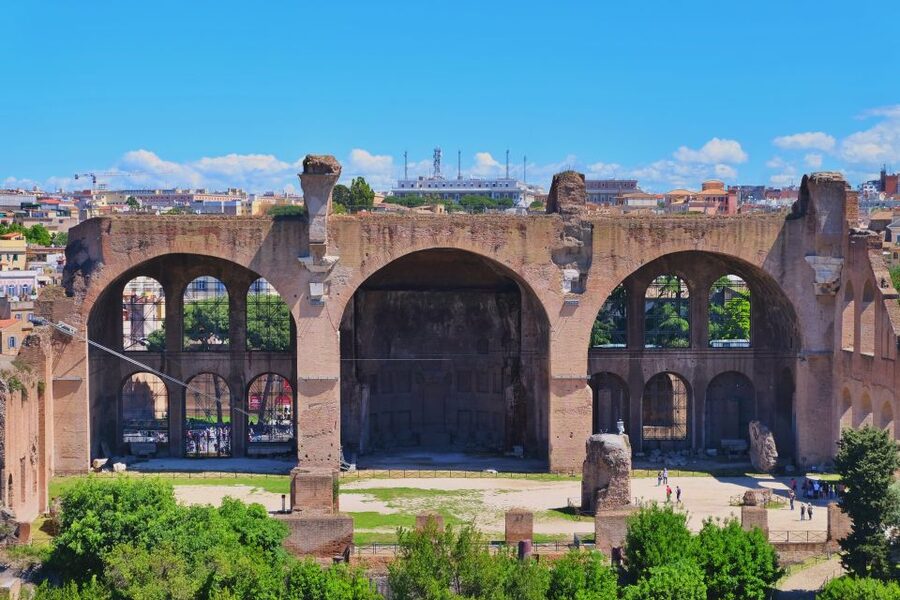
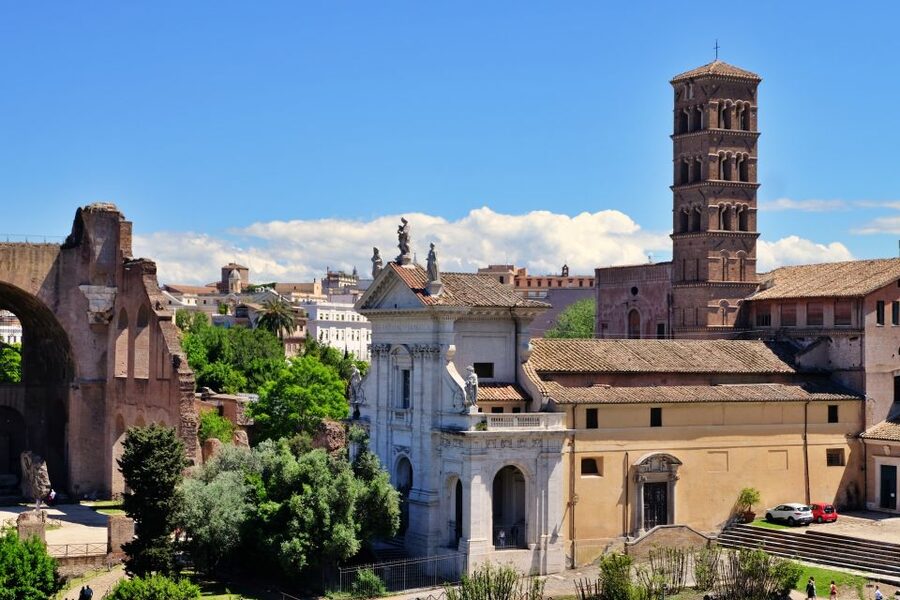
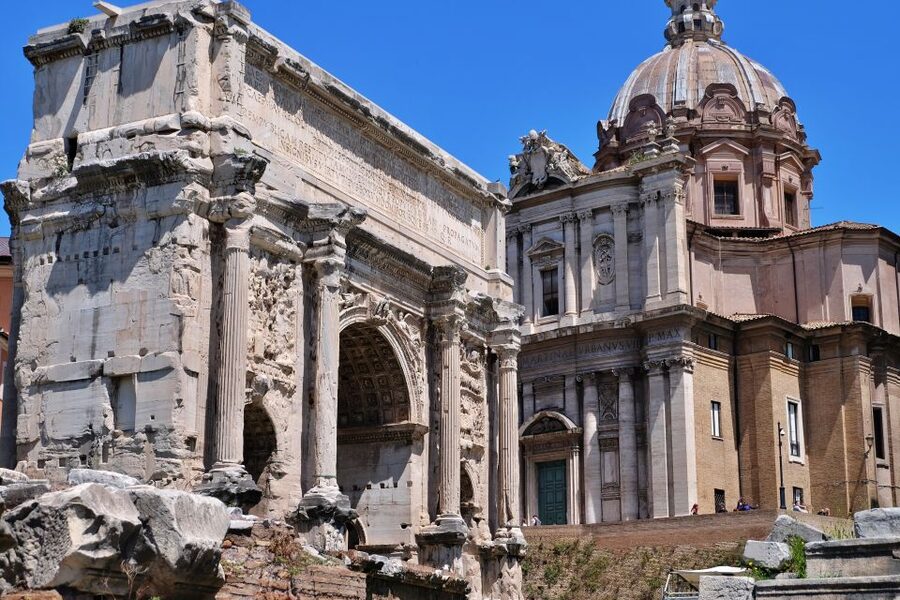
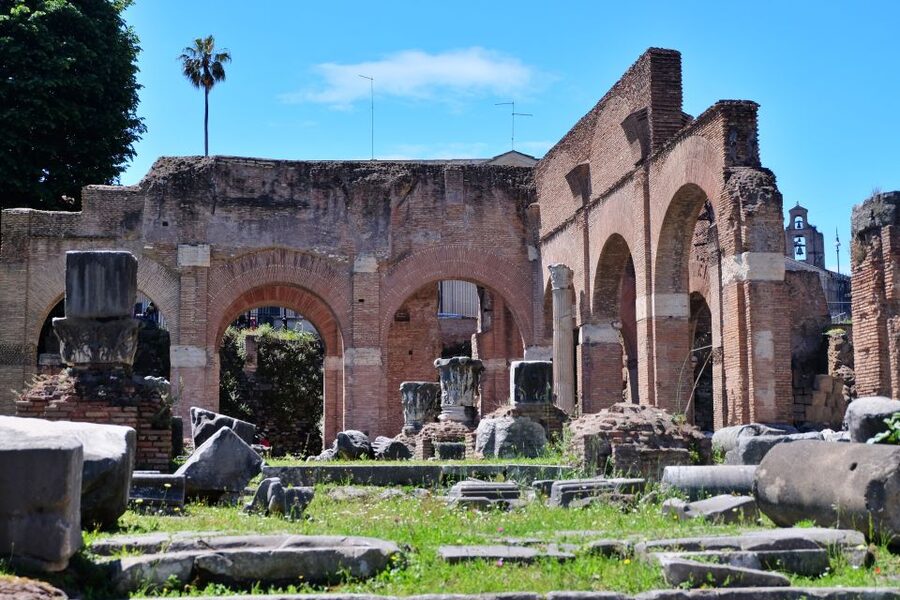
The Roman Forum is framed as the social, political, religious, and financial center of the Roman Empire. It’s not one building, it’s an area where many kinds of people rubbed shoulders every day, from very poor residents to senators and officials. That range helps you picture the Forum as a lived-in place, not a dead set.
You’ll see multiple structures still standing, and you’ll get a better sense of the layers of Roman civilization. The tour also includes time for panoramic views, including views back toward the Colosseum. Those are the moments that make your photos look like you actually understand the scene.
Palatine Hill adds another layer. It’s described as the foundation point of Rome, and the ruins you see span many eras. You can spot traces associated with early kingdom Rome from the 7th century BCE, then the Roman Republic, and later the imperial era with the palace of Emperor Domitian. On top of that, you get signs of later presences, including the Farnese family during the Renaissance and Mussolini in the 20th century.
This layered timeline is why Palatine Hill feels different from the Colosseum. The Colosseum was about spectacle. Palatine Hill is about ownership and identity, the “who was here and why it mattered” story.
One more perk: the tour design keeps you moving with a guide through key sections, then gives you space to roam after. That pacing helps if you like to stop, read a bit, and take photos without feeling like you’re being hurried every 30 seconds.
Trajan’s Column: A Strong Ending Point for the Roman Victory Story
Most people treat Trajan’s Column like a quick stop on a walking route. Here it’s the finish, and that changes how you’ll notice it.
The tour ends at Trajan’s Column so you can see it as a famous icon of Roman victory and power. The timing is smart. After the Colosseum and the Forum, your brain is already tuned to Rome as a system: public events, public authority, public messaging.
Ending at Trajan’s Column gives you a visual anchor that wraps the story. You see a monument designed to project strength, not just a ruin you happen to pass.
If you like taking photos, this finish point is also useful because you can linger at the end, when you’re not stuck listening to the guide’s next stop. That’s a small thing, but it makes the experience feel less rushed overall.
A few more Rome tours worth comparing
- Rome: City Sightseeing Hop-on Hop-off Bus with Audioguide
★ 4.0 · 16,045 reviews - City Sightseeing Rome Hop-On Hop-Off Bus Tour
★ 3.5 · 5,446 reviews - Rome: Fettuccine Pasta Cooking Class in Rome’s City Center
★ 4.8 · 2,414 reviews - Vatican City: Vatican Museums & Sistine Chapel Entry Ticket
★ 4.3 · 2,185 reviews
Pacing That Works: Guided First, Then Your Own Tempo
This tour runs for 2.5 hours, with starting times based on availability. One important seasonal note: in July and August, the visit is 2 hours. If you’re going in peak summer, plan your day with that shorter window in mind and expect the general area to feel very busy.
The structure is guided first, then personal pace. The guide leads you through the Colosseum with history, engineering, and gladiator storytelling. Then you shift into Palatine Hill and the Roman Forum, where you still get the expertise during the important stops, and then you’re allowed to explore at your own pace.
That “your own pace” part matters because it lets you spend extra time on what catches your eye. If you love the Forum’s maze of stone, you can linger. If you want to reframe your photos of the Colosseum from Palatine Hill, you can. You’re not trapped in a strict script the whole time.
Just keep one practical expectation in mind. No matter how good the pacing is, this is still Rome, still a major attraction zone, still lots of people. Radios and headsets help a lot, but you should still plan for some crowd noise and slow walking.
What You’re Paying for: Is $58 Good Value?
At $58 per person, this tour sits in the “serious sightseeing, not a budget gamble” zone. The value comes from what’s included.
You get:
- A live tour guide
- Radios and headsets to hear the guide better
- Entrance to the Colosseum
- A Palatine Hill and Roman Forum visit
- Skip the ticket line access
There’s also an important pricing note that helps you understand the structure. When you book, you’re acknowledging that the archaeological site entrance fee is €16 for adults, plus a €2 reservation fee. Children under 18 have free entry. The additional amount you pay is for licensed guide services, audio devices, reservation fees, and other tour amenities.
So you’re not just buying a ticket. You’re paying for the guide to connect the Colosseum to Palatine Hill and the Forum, while also solving a big problem for most visitors, hearing the details in a crowded site without sprinting.
That’s where the guide quality shows up. In the feedback you’ll see praise for guides who are funny, caring, and good at answering questions. One English-speaking guide in feedback was described as certified with excellent ancient-history focus. Another guide in French was praised for careful language and precise explanations. That’s what you want included in the price, an interpretation, not just a ticket scan.
What to Bring (and What Not to): The ID Rules Are Real
Bring:
- Passport or ID card
- Passport or ID card for children
Don’t bring:
- Pets
- Weapons or sharp objects
- Oversize luggage
- Smoking
- Food and drinks
- Alcohol and drugs
- Sprays or aerosols
- Glass objects
- Unaccompanied minors
- Electric wheelchairs
If you’re used to casual city tours, the “no food and drinks” rule can feel strict. But it’s also common for archaeological site tours with crowd control. The key is to handle basics before you arrive, then enjoy the walking and the explanations without stopping for snacks.
Also remember the luggage situation. With no suitcase compartment, try not to travel with bulky bags for this specific stop. If your plan includes multiple museums or viewpoints the same day, keep this one light.
And again, the “full names” requirement matters. If you booked months ago and changed something, double-check the names on your booking before you go.
Languages and Guide Style: French, German, English, Italian, Spanish
The tour offers live guiding in French, German, English, Italian, and Spanish. That’s a practical benefit because you’re hearing the story, not reading it on a sign.
From past runs, the French-language option got strong feedback for very precise explanations and the use of images during the visit. Another named guide, Alessandro Palma, was highlighted for being thorough and full of curious, interesting details while staying friendly and responsive.
When you can choose a language you’re comfortable with, you get more out of the myth and legend parts too. The Colosseum has stories people retell, but the guide’s job is to connect those stories to the real architecture and what the Romans were trying to achieve.
Who This Tour Suits Best
This is a great fit if you:
- Want Colosseum access and a guide without spending hours figuring out the route on your own
- Prefer a mix of instruction and freedom, guided stops plus time to explore Palatine Hill and the Roman Forum
- Like explanations that connect legends and gladiators to what you’re actually seeing
- Want a logical way to end at Trajan’s Column, instead of scrambling for a photo spot at the last second
It may be less ideal if you:
- Show up without ID
- Need to store larger luggage
- Want a completely self-guided, no-structure visit (this one has a guide-driven flow)
If you’re visiting Rome for the first time, this tour is an efficient way to hit the big three in one arc: Colosseum, Palatine Hill, and the Forum, with a strong closing monument.
Should You Book This Colosseum and Ancient City Intro?
Book it if you want a time-efficient, well-structured introduction that helps you read the Colosseum as engineering and public theater, then carry that understanding into Palatine Hill and the Roman Forum. The $58 price is more convincing when you factor in radios, skip-the-line entry, and the fact that you’re guided through multiple linked sites rather than just dropping into one monument.
Skip it if you’re not willing to follow the basics, especially the ID requirement and the lighter packing rules. Also consider the season. In July and August the visit runs 2 hours, so you’ll have less time to wander after the guided portion.
If you want your Rome day to feel like a story you can follow, not just a list of stops, this one is a solid choice.
FAQ
How long is the Colosseum and Ancient City tour?
The tour lasts about 2.5 hours. In July and August, the visit is 2 hours. Starting times depend on availability.
How much does the tour cost?
It costs $58 per person.
Is entrance to the Colosseum included, and do you skip the ticket line?
Yes. Entrance to the Colosseum is included, and the tour offers skip the ticket line access.
What languages are available for the guide?
The live tour guide is offered in French, German, English, Italian, and Spanish.
What ID do I need to enter?
You need a passport or ID card, including for children. If you arrive without ID, entrance cannot be guaranteed. You also need the full names of all participants in the booking.
Can I get a refund if I cancel?
No. This activity is non-refundable.
Recently reviewed around Rome
- Ancient Etruscan Civilization Tour from Rome★ 5.0 · 16 reviews
- Colosseum with Arena Floor Express Guided Tour★ 3.5 · 22 reviews
- Private Tour – Ancient Ostia★ 5.0 · 42 reviews
- PRIVATE Appian Way and Lake Albano Ebike Tour with Italian Lunch★ 5.0 · 12 reviews
- Ancient Appian Way and Roman Countryside E-Bike Tour★ 4.5 · 13 reviews
- Ancient Appian Way PRIVATE Bike Tour★ 5.0 · 89 reviews
- Catacombs and Hidden Underground Rome: Small Group Max 6 People★ 5.0 · 293 reviews
- Amalfi Coast Day Trip from Rome by High-Speed Train★ 4.5 · 162 reviews
Colosseum Tours, compared.
Colosseum, Roman Forum & Palatine Guided Tour
Read our review →
Colosseum, Palatine Hill and Roman Forum Guided Tour
Read our review →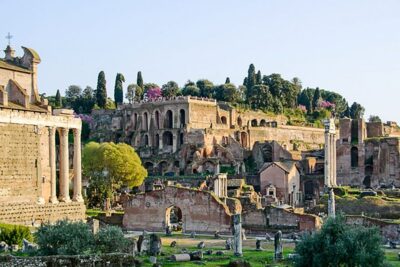
Guided Tour of Colosseum, Roman Forum & Palatine Hill
Read our review →
Colosseum & Forum with Audio Guide App -Optional Arena
Read our review →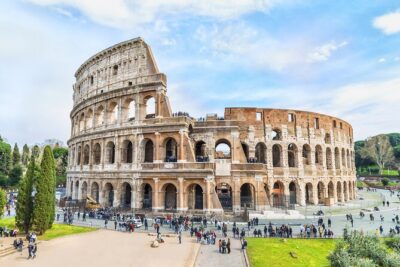
Colosseum, Roman Forum and Palatine Hill Guided Tour
Read our review →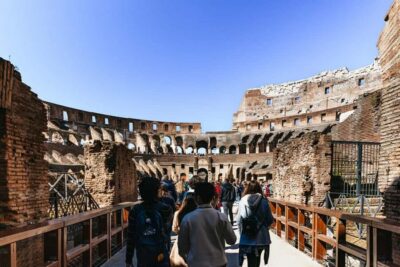
Colosseum, Forum & Palatine Hill Tour & Optional Arena
Read our review →
Colosseum, Roman Forum, Palatine with Multimedia Video
Read our review →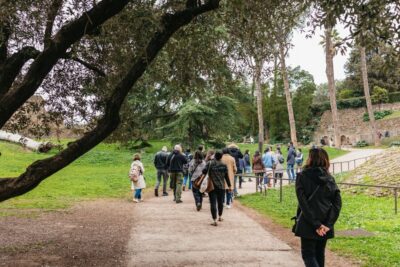
Colosseum, Palatine Hill & Roman Forum Guided Tour
Read our review →Browse the lists this tour appears in