Reviewed · TOURS
Rome: Immersive Underground and Piazzas Tour
Rome’s most famous sights are great, but what makes this tour special is that it connects the big above-ground landmarks to the buried parts of the city you normally never get to see. I like that the backbone of the experience is archaeology-led, and I really appreciate how the route links each stop to what was happening in Roman daily life, not just dates on a plaque. One thing to keep in mind: it’s a lot of walking and transfers between sites, plus you’ll be dressed to enter the Pantheon.
I also like that the guide is there to answer real questions, and in practice you’ll feel it. In recent departures, guides such as Amanda, Francesca, Alex (Alessandra), Sabrina, and Maria have been highlighted for bringing stories to life, often with a fun, personable pace that keeps the group engaged. The big consideration is simple: the Pantheon is an active church, and access can be limited on some days or for religious functions.
Key Things I’d Prioritize On This Tour
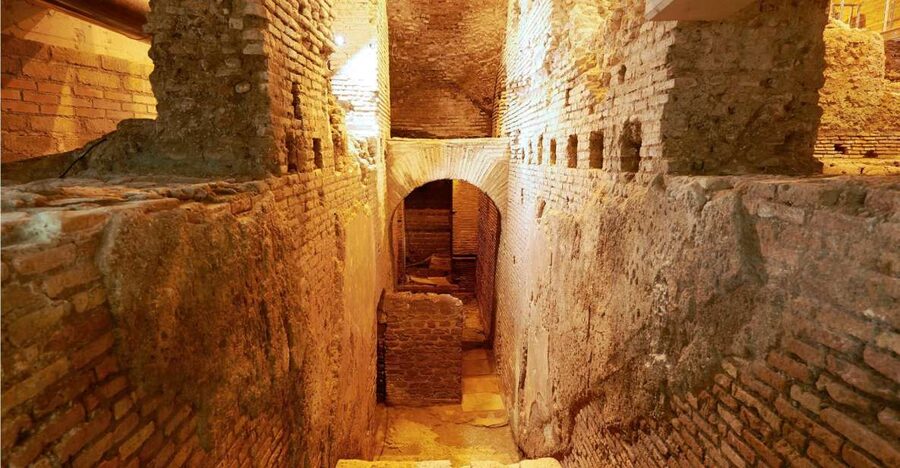
- Underground Rome under Piazza Navona: you walk over the footprint of the Stadium of Domitian, then step down into what remains.
- A Pantheon stop with context: you get the legend of Romulus and practical guidance for visiting an active church site.
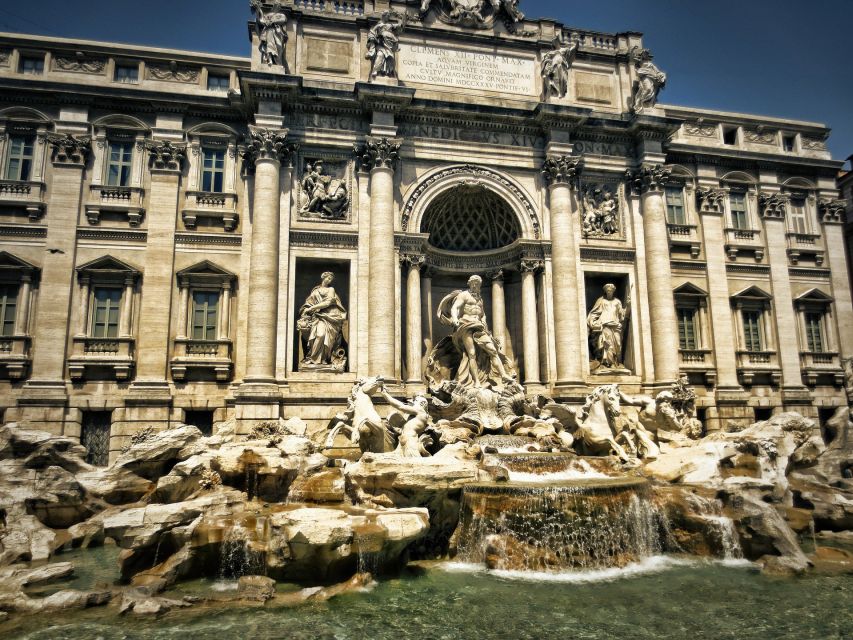
- Trevi Fountain ritual built into the route: coin toss and photos, without losing momentum for the underground portion.
- Vicus Caprarius, Rome’s City of Water: you see the Aqua Virgo system at the level of remains and infrastructure.
- Archaeology-trained guides: many departures are led by guides with an archaeological background, so questions get answered clearly.
- Cooler temperatures underground: several people point out that the underground segments feel like a break from Rome heat.
How The Tour Works: Piazza Navona to Trevi in 3 Hours
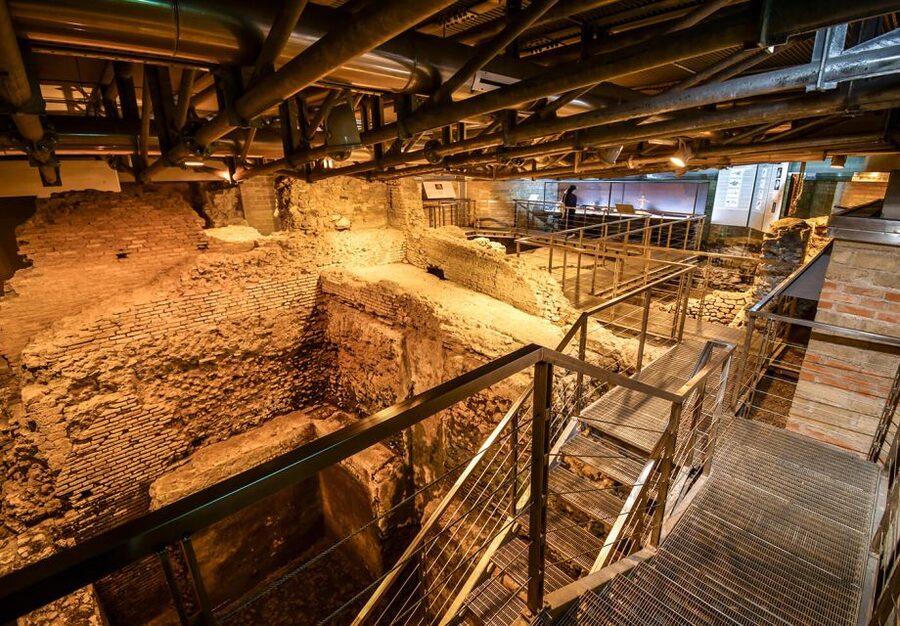
This is a 3-hour guided route that starts in the Piazza Navona area and ends at the Trevi Fountain. Expect a mix of street walking, short guided time at each main stop, and two key stretches underground: the remains beneath Piazza Navona and the archaeological area known as Vicus Caprarius.
The itinerary has a clear rhythm. You begin with a surface introduction at Piazza Navona, then you move down to the Stadium of Domitian area, then continue to the Pantheon and Trevi above ground, and finally finish with another underground stop tied to Rome’s water systems. Even if you know Rome fairly well, this order is smart because it helps you see the city as a connected machine, not a set of disconnected attractions.
Your guide will lead in Italian, English, or Spanish, and you can ask questions along the way. In real-world terms, that makes a difference: you’re not just looking at stones, you’re learning how the stones relate to daily life.
Other things people book around Rome:
- Vatican Museums & Sistine Chapel Tour with Optional Basilica
★ 4.3 · 67,413 reviews - Vatican Museums, Sistine Chapel & St Peter’s Basilica Guided Tour
★ 4.5 · 39,149 reviews - Rome: Colosseum, Palatine Hill and Roman Forum Guided Tour
★ 4.8 · 32,814 reviews
Starting Point Options Near Piazza Navona
Meeting points can change depending on which start option you book. Two starting possibilities are given: Fiumi Fountain (Fontana dei Quattro Fiumi area) at the National Academy of San Luca, or directly near Piazza Navona.
What to do with that: if you want the stress-free start, plan to arrive a few minutes early and double-check the meeting spot instructions you receive. Some days, crowds and street layout around Piazza Navona can make rendezvous points feel similar, so giving yourself a buffer helps.
This tour is in the city center, so you’ll also want to think about how you’re getting there in the first place. If you’re already walking around Rome’s historic core, it’s a natural fit as a morning or daytime activity. It’s also a good option when you want a guided plan that still lets you explore on your own afterward.
Piazza Navona: Fountains First, Then the Stadium Under Your Feet
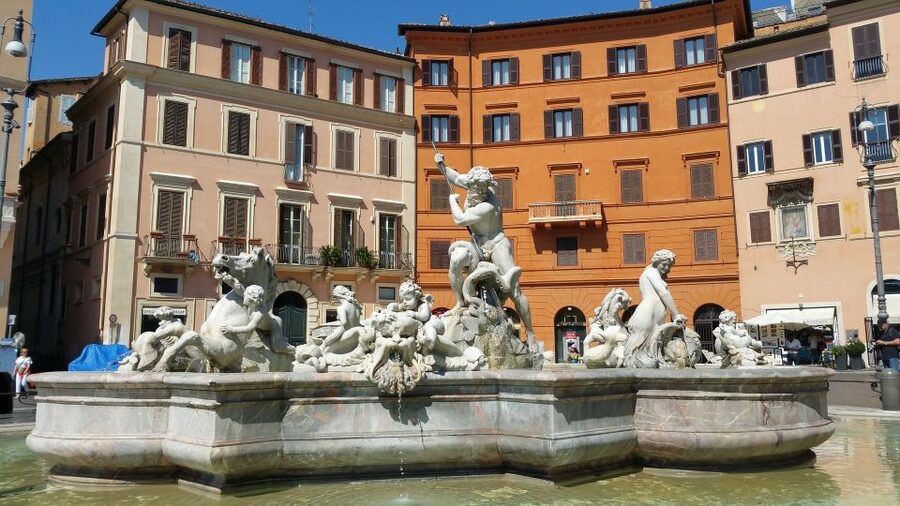
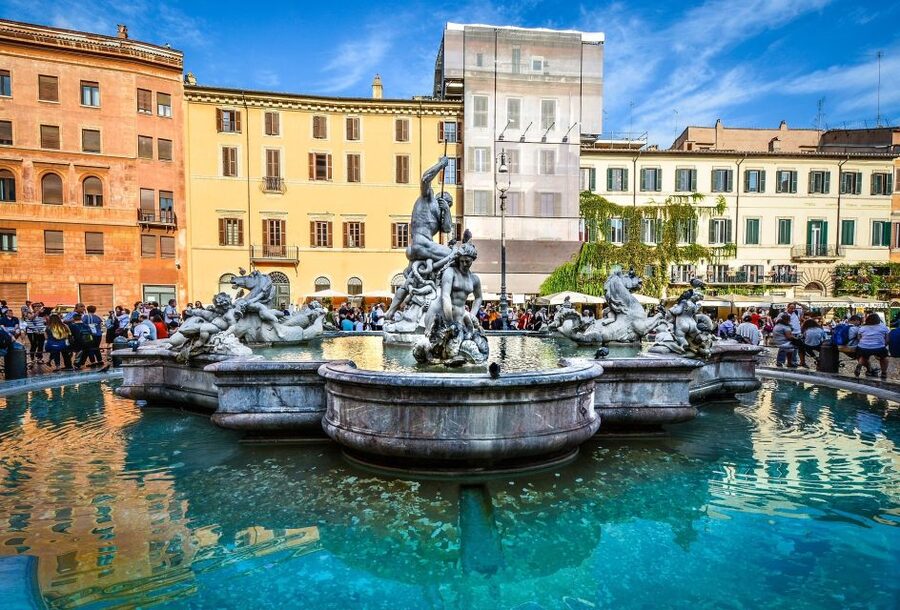
Piazza Navona is one of Rome’s showpieces. It’s also a great opening because it lets your guide set the stage quickly: who built what, why it mattered, and how the area changed over time. You’ll spend time at the fountains, including the three famous ones linked to the papacy of Gregory XIII.
A standout detail here is the Fontana dei Quattro Fiumi, designed by Bernini in 1651. Your guide will use the fountain as a jumping-off point to explain how the square evolved from earlier Roman structures. Then comes the twist: after the above-ground look, you step into the subterranean world beneath Piazza Navona.
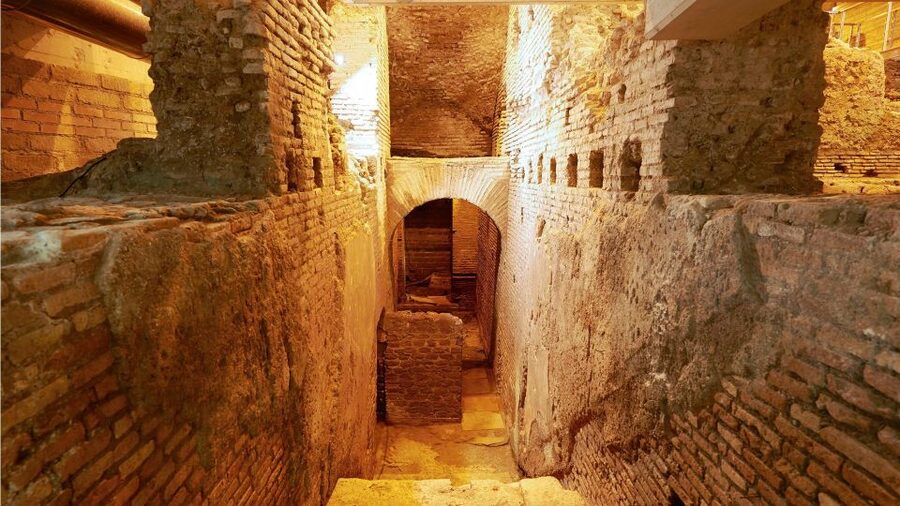
Beneath the square is the site of the Stadium of Domitian. It’s not a dramatic “ruins in a field” moment. Instead, it’s the kind of archaeology that reminds you Rome was layered for centuries. The modern street is literally built over older realities, and this tour gives you a chance to see the older layer.
Drawback to consider: if you’re expecting a purely underground tour, you’ll get street time too. The pace alternates between explanation and movement, with some short guided walking sections.
The Stadium of Domitian: Athletics, Gladiator Shows, and a City That Reused Everything

The Stadium of Domitian is the core underground stop under Piazza Navona, and it’s where the tour really starts to feel different from a typical “see the sights” walk. You’ll get guided time here, roughly 30 minutes, and your guide will connect the space to Roman entertainment and public life.
Here’s what makes this location interesting in plain terms. The stadium was used mainly for athletic contests. Then, in a brief period after damage to the Colosseum in 217 A.D., it was used for gladiator shows. That detail is a perfect Rome lesson: when a major venue got hit, the city didn’t wait around. It repurposed, adapted, and carried on.
You’ll also get the benefit of an archaeologist-style explanation. That matters because the underground remains can look like fragments unless someone helps you place them in context. With the right guidance, you start noticing what you’re seeing and why it’s there.
Practical note: underground spaces can be cooler. Multiple guides and participants have pointed out that the underground parts feel like a welcome break from Rome’s heat, which is a real comfort if you’re going during summer or a warm shoulder season.
Same city, a completely different kind of day:
- Rome: Guided Tour of Colosseum, Roman Forum & Palatine Hill
★ 4.7 · 27,897 reviews - Rome: Colosseum & Forum with Audio Guide App -Optional Arena
★ 4.2 · 24,770 reviews - Rome: Colosseum, Roman Forum and Palatine Hill Guided Tour
★ 4.5 · 23,903 reviews - Rome: City Sightseeing Hop-on Hop-off Bus with Audioguide
★ 4.0 · 16,045 reviews
Pantheon: The Romulus Legend, Dress Rules, and Timing Your Visit
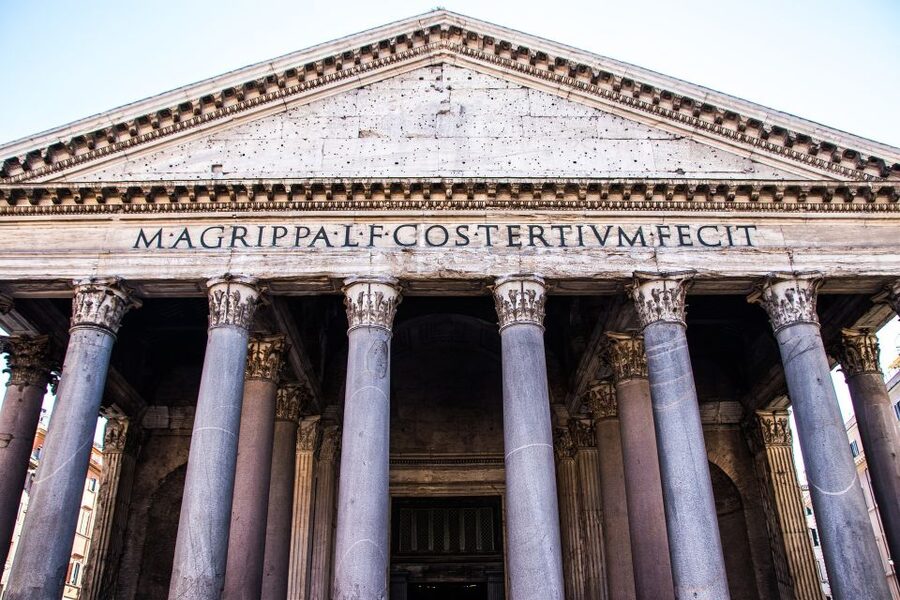
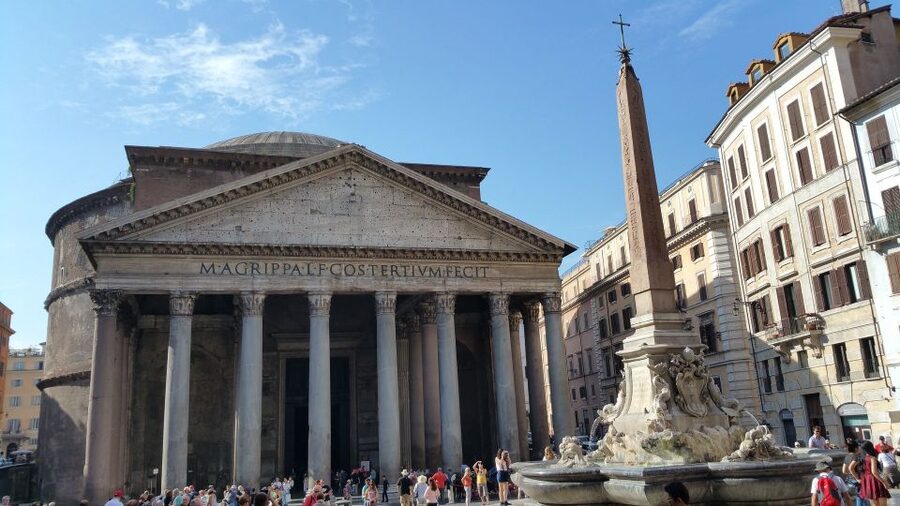
After the Stadium of Domitian area, you move back to street level and continue to the Pantheon for a guided visit, about 45 minutes. The Pantheon isn’t just a big dome. It’s also a place with layered meaning, and your guide will share the legend that at his death, Romulus was seized by an eagle and taken into the skies with the gods.
This stop is one of the reasons I like this tour. It bridges the underground world of Roman engineering and public life with a monument that still draws people today. You’re learning one layer of Rome, then walking straight into another layer that still has power over modern visitors.
Now the part that affects your comfort and your ability to enter: the Pantheon is an active church, and you need appropriate clothing. The rules provided are straightforward:
- no shorts
- no short skirts
- no sleeveless shirts
Also, make sure your shoulders and knees are covered.
If you’re traveling in warm weather, this can be an easy fix with a light layer or a longer top. If you ignore it, you risk turning a great stop into a frustrating one.
Possible consideration: Pantheon access can be limited on some days due to religious functions. And since there’s mention of Jubilee-related restoration work potentially affecting access routes, your guide may adjust the way you approach certain areas depending on what’s open.
Trevi Fountain Coin Toss and Photo Stop Without Losing the Flow
From the Pantheon, you continue to the Trevi Fountain. This is where tradition meets logistics: you’ll have a photo stop and guided time, about 20 minutes. The ritual is the famous coin toss, so yes, you’ll have the chance to do it as the tradition goes.
More importantly, the Trevi stop acts like a transition point. It brings you back into the classic Rome scene while keeping the tour moving. That helps if you don’t want to get stuck in a long, slow crowd moment. You get time for photos, then you continue on to the underground area tied to Rome’s water supply.
Small tip that helps: plan your photos quickly. Trevi looks best when you capture it from a few angles, but you don’t want your whole tour focused on one perfect shot while the group moves on. Think “get the key images, then move.”
Vicus Caprarius, City of Water: The Underground Water System Story
The final underground stop is Vicus Caprarius, sometimes described as the City of Water. This is where the tour’s archaeology angle really pays off, because you’re not just seeing old walls. You’re seeing remains that connect directly to how Rome operated.
You’ll have guided time here, about 30 minutes. The big elements your guide should explain are:
- remains of an imperial-era domus
- the castellum aquae of the Aqua Virgo aqueduct
The phrase City of Water isn’t just poetic. It points to infrastructure. Aqua Virgo is tied to the way water arrived and was managed in Rome, and the castellum aquae concept is part of that system. In other words, you’re learning where the water went after it was brought into the city, and how ancient engineering shaped what life could be.
This stop is also a satisfying payoff to the Trevi Fountain moment. Once you’ve seen the water system remains underground, the fountain feels less like a single statue moment and more like the visible end of a much bigger story.
Practical consideration: the underground is still underground, so wear shoes you trust. The tour specifies comfortable footwear for a reason.
Guide Quality and the Way Questions Turn This Into More Than Sightseeing
The tour is built around the idea that many guides are archaeologists or archaeology-focused professionals. That means you’re likely to get:
- clearer explanations of what you’re seeing
- answers to nerdy questions about function, dates, and how the city changed
- guidance on how the above-ground and underground spaces relate
You can also see a pattern in feedback from recent departures: guides like Amanda, Francesca, Alex (Alessandra), Sabrina, and Maria have been praised for enthusiasm, warmth, and the ability to keep the group engaged. That’s not just “nice.” It changes the experience. A good guide helps you notice details you’d otherwise miss.
Another practical bonus is pace and patience. People have mentioned that guides took time for questions and ensured there was a fair amount of time for photos at key points. You don’t want a tour where every stop is rushed just to check boxes. This one aims to slow down the important moments.
Who This Tour Suits Best (And Who Should Rethink It)

This tour is a strong match if you like Rome with context. If you enjoy history that explains how cities worked, not just how they looked, you’ll likely have a great time. It also works well when you want a break from the hottest mid-day hours, because the underground parts can feel cooler.
It’s also well suited for visitors who want a guided framework for the center of Rome. You cover Piazza Navona, the Pantheon, and Trevi, but with the underground chapters tied directly into your walk.
Less ideal if:
- you need wheelchair access, since it’s not suitable for wheelchair users
- you’re visiting with clothing that won’t work for the Pantheon (shoulders and knees covered)
- you’re allergic to walking and transfers, because you will be moving between stops above ground
Practical Tips That Make It Easier Day-Of
A few things to get right before you go:
- Wear comfortable shoes. The tour is partly underground and partly street walking.
- Plan for the Pantheon dress rules. If you forget, you could lose access to a major part of the day.
- Expect possible route changes. Jubilee-related restoration work may alter access routes, so check your messages before you start.
- Give yourself extra time around meeting points. Piazza Navona is busy, and similar-looking streets can slow down rendezvous.
If you’re someone who likes structure, this tour provides it: a guided path, set stops, and explanations in the languages offered (Italian, English, Spanish). If you’re flexible, you’ll enjoy it even more, because your guide can adjust to what’s open and accessible.
Should You Book This Underground and Piazzas Tour?
I’d book it if you want more than the usual “stand in front of a monument” day. This tour connects the famous piazzas to the hidden machinery beneath them, especially through the Stadium of Domitian and the City of Water at Vicus Caprarius. It’s also a great value when you consider you get guided visits to major sites across both above- and below-ground Rome in just three hours.
I would skip it if your top priority is a low-walking, mostly indoor experience, or if you don’t want to deal with Pantheon clothing requirements. Also, if you’re traveling on a date where the Pantheon may be inaccessible due to religious functions, you might want a backup plan.
If you can meet the dress code, wear good shoes, and you like a guide who can answer questions with real depth, this is an excellent way to see Rome as a city built in layers.
FAQ
How long is the Rome Underground and Piazzas Tour?
It lasts about 3 hours.
Where does the tour start?
The meeting point can vary depending on the option booked. Two starting locations are listed: Fiumi Fountain near the National Academy of San Luca, or Piazza Navona. The exact meeting point may be different based on the booked option.
What should I bring?
Wear comfortable shoes, since the tour includes walking and visits to underground areas.
What clothing is required for the Pantheon?
The Pantheon is an active church, so you need shoulders and knees covered. The tour rules also say no shorts, no short skirts, and no sleeveless shirts.
Is the tour wheelchair accessible?
No, it is not suitable for wheelchair users.
Will the Pantheon always be accessible?
Not necessarily. The Pantheon may be inaccessible on some days due to religious functions, and Jubilee-related restoration could also change access routes, so it’s smart to check your messages before you go.
Recently reviewed around Rome
- Ancient Etruscan Civilization Tour from Rome★ 5.0 · 16 reviews
- Colosseum with Arena Floor Express Guided Tour★ 3.5 · 22 reviews
- Private Tour – Ancient Ostia★ 5.0 · 42 reviews
- PRIVATE Appian Way and Lake Albano Ebike Tour with Italian Lunch★ 5.0 · 12 reviews
- Ancient Appian Way and Roman Countryside E-Bike Tour★ 4.5 · 13 reviews
- Ancient Appian Way PRIVATE Bike Tour★ 5.0 · 89 reviews
- Catacombs and Hidden Underground Rome: Small Group Max 6 People★ 5.0 · 293 reviews
- Amalfi Coast Day Trip from Rome by High-Speed Train★ 4.5 · 162 reviews
Tours, compared.

Vatican Museums & Sistine Chapel Tour with Optional Basilica
Read our review →
Colosseum, Roman Forum & Palatine Guided Tour
Read our review →
Vatican Museums, Sistine Chapel & St Peter’s Basilica Guided Tour
Read our review →
Colosseum, Palatine Hill and Roman Forum Guided Tour
Read our review →
Guided Tour of Colosseum, Roman Forum & Palatine Hill
Read our review →
Colosseum, Roman Forum and Palatine Hill Guided Tour
Read our review →
Vatican Museums, Sistine Chapel & Basilica Tour
Read our review →