
Reviewed · ROME FOOD TOURS
Rome Food Tour in the Historic Centre with 8+ Food Tastings
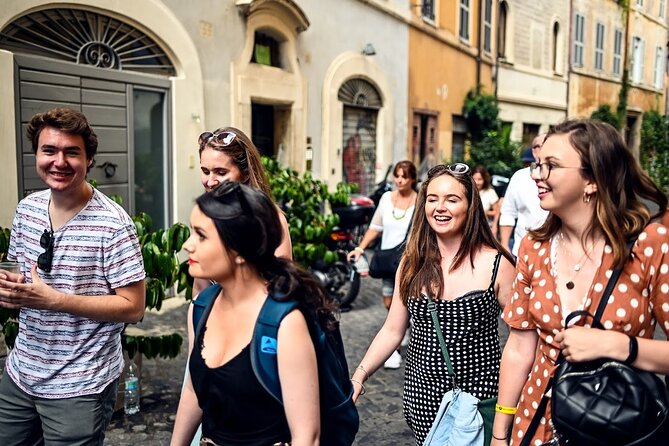
Rome is a city where you can eat well just by following your nose. This Rome food tour turns that instinct into a planned walk, mixing classic Roman bites with landmark stops in the Historic Centre. I like how it is built like a full mini-meal, not scattered snacks, and I also like that the guide brings the setting to life as you move from square to square. The one drawback to plan for is the walking, this is a 3-hour route and you will be on your feet.
My other favorite part is the pairing of food and neighborhood context. Expect stops around Piazza Navona, the Jewish Ghetto area of Sant’Angelo, and the ancient Campus Martius zone, so each bite feels tied to place. With a max group size of 12, you are not stuck watching from the back, and guides like Massimiliano, Rocio, and Luda tend to keep things lively and easy to follow.
Key Points Worth Your Attention
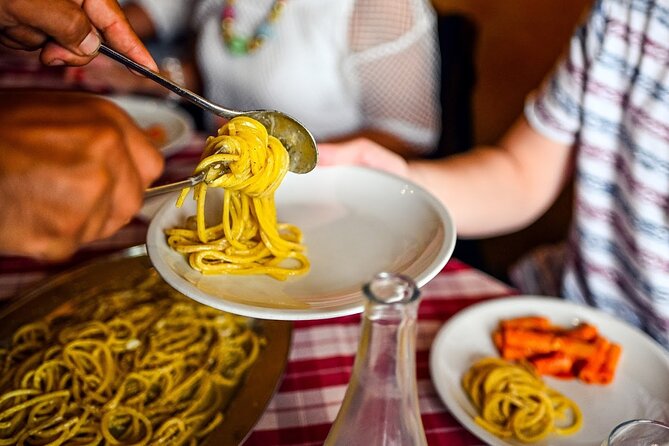
- 8+ tastings that stack up fast, including pizza, supplì, pasta, cold cuts and cheeses, cannoli, gelato, plus an extra secret dish.
- Historic Centre route with meaningful stops, from Piazza Navona to Largo di Torre Argentina and the ancient streets around Campus Martius.
- Small group experience (max 12) helps you actually hear the stories and ask questions.
- English mobile tickets and an easy meeting point at Piazza Navona make pre-planning simple.
- Guide style matters, and many named guides from past tours, like Massimiliano, Rocio, and Federico, show up again and again in positive comments.
- You will leave full, so come hungry and think about a light dinner later.
The 3-Hour Walk That Puts Food Where the Sights Are
This is not a sit-down restaurant tour. It is a guided walking route through Rome’s center, designed so you eat along the way while you see major landmarks and neighborhood layers. You should think of it as a food-focused orientation to the city, the kind that helps your later self navigate trattorias and gelaterias without guessing.
The timing is about 3 hours, which is long enough to feel like a real meal, but short enough to keep energy for the rest of your day. The group size cap at 12 helps a lot. You can hear the guide, you move as one unit, and you get that small-group vibe instead of being herded like luggage.
One practical thought: wear shoes you trust. Even if the pace is manageable, you will cover ground between the stops listed for the route, including fountain areas and the Campus Martius zone near the end.
More Rome food tours to compare:
- Winner 2025 Rome Twilight Trastevere Food Tour by Eating Europe
★ 5.0 · 5,157 reviews - Rome: Trastevere or Jewish Quarter Street Food Tour
★ 4.8 · 3,839 reviews - Rome Food Tour: Unlimited Tastings with Fine Wine & Barolo
★ 5.0 · 3,365 reviews
Piazza Navona Start: Where the Food Story Begins
You begin at Sant’Agnese in Agone, Piazza Navona, 14, in one of Rome’s most famous squares. Piazza Navona is built on the footprint of an ancient stadium, and it still acts like a stage for daily life. That matters for this tour because the setting is already food-friendly, you will see cafés and trattorias right away, and the square helps you understand why Romans hang out in public space.
What I like about starting here is the mix of atmosphere and structure. You get a ready-made backdrop for the first tastes, and you can ease into the route. You also get a quick education on what makes Roman street food work, the way simple items like supplì and pizza bianca show up everywhere and why they feel local instead of touristy.
Potential drawback: Piazza Navona can feel busy in the best way, lots of people, lots of energy. That is part of the fun, but it also means you may want to stay alert for your group’s meeting spot and keep a tight eye on your surroundings as you wait for each tastings stop.
From a High Renaissance Palace to the French Embassy Area
One of the next stops is a High Renaissance palace that currently serves as the French embassy in Italy. This is a smart change of pace from eating square life, because it reminds you Rome is not only ruins and fountains. It is also diplomacy, power, and art from later centuries, all sitting within walking distance of the food scene.
For your tour experience, this stop works because it gives context. The guide can connect what you are eating to how Rome’s taste traditions lived inside different eras and social circles. You are not just sampling flavors, you are learning how the city organizes itself around institutions and neighborhoods.
What to watch for here is time and flow. Embassy-area architecture is beautiful, but the visit is not meant to turn into a long museum moment. You should expect quick orientation and then back to tasting as you move forward.
The Jewish Ghetto in Sant’Angelo: Food With History Attached
Next up is the Jewish ghetto established in 1555, in the area of Rione Sant’Angelo. This is one of those Rome stops that makes the tour feel more serious, in a good way. You are not just looking at a pretty street, you are stepping into a neighborhood shaped by laws, community life, and centuries of culture.
This part of the route matters for food lovers. Roman food culture is often described in terms of recipes, but neighborhoods like this show you the human side of food. Different communities changed menus, adapted ingredients, and built eating habits that lasted. So when you taste something classic on this section of the walk, it feels like it has weight.
A practical note: this area can be narrow in places. That can slow the group just a bit, so be patient if you feel like you are moving more slowly than earlier squares. This is also why the tour’s small group size is a real advantage.
More history-led tours in Rome:
- Rome in a Day Tour with Vatican, Colosseum and Historic Center
★ 4.5 · 1,042 reviews - Rome: Forbidden History Walking Tour & Pub Crawl with Drinks
★ 4.9 · 688 reviews - Rome: Colosseum, Vatican Museums & Historic Center in a Day
★ 4.7 · 228 reviews - Rome: Food Tour of the Historic Center with Rooftop Spritz
★ 4.7 · 43 reviews
A 17th-Century Fountain for the Senses: 4 Rivers and a Dove
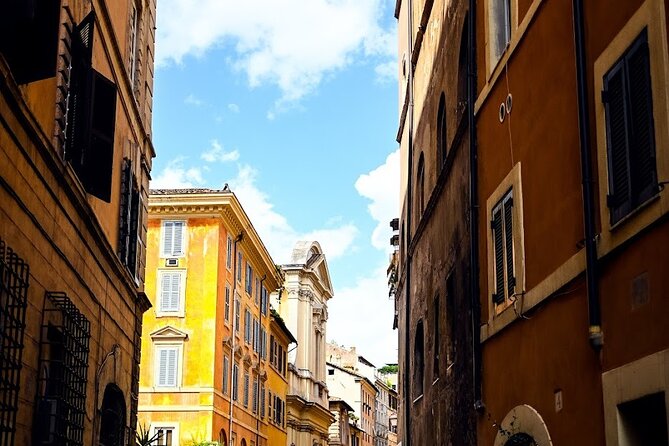
A key landmark stop is a classical 17th-century fountain, designed as a homage to 4 rivers. It features a Roman obelisk topped by a dove. This kind of fountain stop is not random on a food tour. It is a reset point, a chance to stand still, look up, and let the guide explain what you are seeing.
It also helps you understand why Romans treat public art and public gathering like they belong together. You get your historical context in a place that still feels made for people watching, which is handy when you want to keep your eyes open for later on.
The only drawback here is weather and heat. On very warm days, you might feel the walking and standing more than you expect. Think about bringing water and taking short pauses when your guide stops the group.
Ancient Walkway Remains: The 2nd Century B.C. Connection
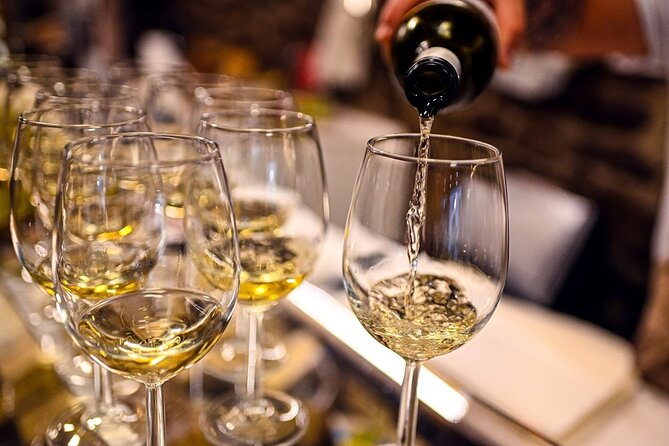
Another stop takes you to the remains of an ancient walkway originally built in the 2nd century B.C. to link two Roman temples. This is the tour’s quiet, nerdy moment, and it is genuinely useful because it adds layers to how Rome was physically organized.
Why it matters on a food tour: the relationship between food and city planning is real. Markets, streets, temples, and travel routes shaped where people ate and how ingredients moved. When you hear that context while you are on foot, Rome stops feeling like separate attractions and starts feeling like one connected city.
If you hate long explanations, do not worry. This is still paced as part of a tasting route. Expect orientation and a few key points, not a lecture that eats up the tour schedule.
Campo de’ Fiori: Watching the Square While You Taste
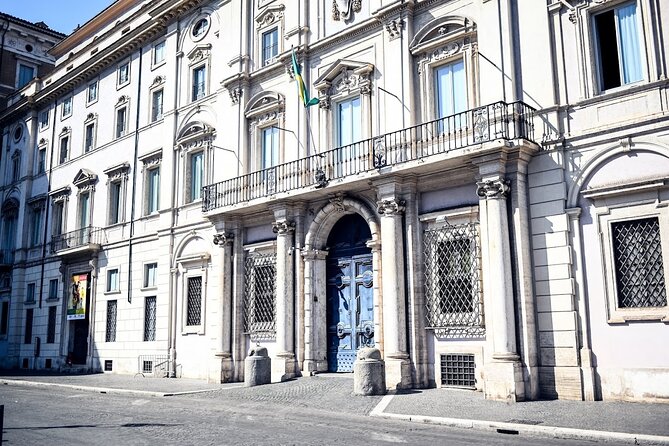
You also visit Campo de’ Fiori, a square south of Piazza Navona. The name literally means field of flowers, and the area’s long-standing role as a public square makes it perfect for a food-focused walk. Even when you are not stopping to eat at every second, you get a feel for how Rome uses open spaces for daily life.
What I like here is the contrast. You have baroque grandeur at Piazza Navona, then you shift to a square that feels more like everyday Rome. That helps you build a practical mental map, where different areas feel different depending on time of day and the kind of crowd you see.
If you are traveling with kids, this kind of stop can be a win because squares give people room to breathe. Just keep the group timing in mind so no one gets separated while you are busy noticing the details.
Largo di Torre Argentina Ending: Roman Republican Temples and Pompey’s Theatre
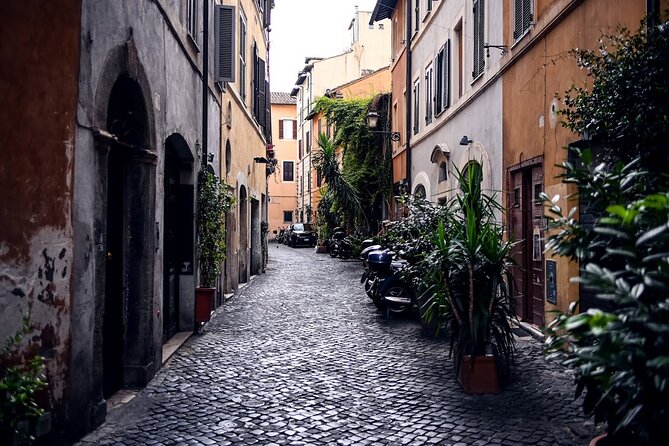
The tour ends at Largo di Torre Argentina, a square in the ancient Campus Martius area. Here you can see four Roman Republican temples and the remains of Pompey’s Theatre. Ending at a site like this is smart. It gives you a satisfying final “wow” moment that feels connected to the rest of the walk.
Food-wise, this ending section is where the tour’s sweet and savory closer shows up. You can count on getting cannoli and artisanal gelato included, and the menu also calls out our secret dish as part of the overall experience. You finish with the feeling of having tasted a real Roman range, not only one category of food.
One practical consideration: the end point is a major landmark area, so it can be easy to find later. Still, plan your next move, you will likely want a calm walk afterward rather than immediately jumping into something long and strenuous.
What You Actually Eat: The 8+ Tastings That Feel Like Courses
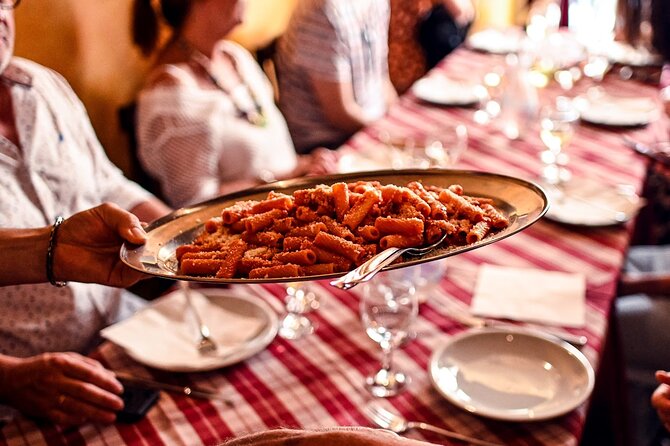
The included food list is the heart of the tour. You get two different types of homemade pizza, supplì, Italian cold cuts and cheeses, two Roman pastas, cannoli, artisanal gelato, and our secret dish. That is already a lot, and the structure makes it feel like a menu with chapters.
Here is how that translates into a real eating experience for you:
- Pizza in two styles helps you understand that Roman pizza culture is not one-size-fits-all. When you taste more than one version, you start spotting differences instead of treating it as one flavor category.
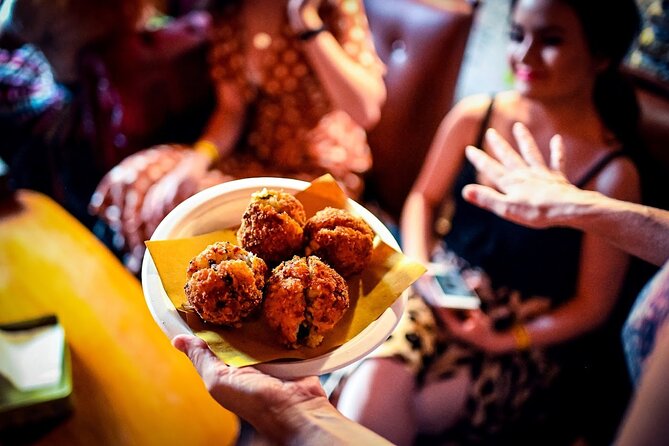
- Supplì gives you the classic street-food hit. It is simple, recognizable, and very Rome.
- Pasta stops matter because pasta is not a side dish in Rome, it is a main identity. Two pasta tastings make sure you get more than one sauce story.
- Cold cuts and cheeses balance the warm items. It also gives you a feel for how Romans handle cured foods and grazing-style bites.
- Gelato and cannoli let you end on the sweeter side with two iconic items.
The best part, in my opinion, is how your choices stack naturally. Each stop feeds a different part of the Roman food story, so you do not just eat, you compare.
One small caution: the tour is designed so you leave very full. Multiple past participants point out that fact directly, which is what you should plan for. If you have a big dinner reservation that night, consider scaling it down or going for something light.
Secret Dish and the Guide Factor: Why People Keep Mentioning the Same Names
The tour includes our secret dish, and that uncertainty is part of the fun. You will not walk in knowing exactly what it will be, but you know it will fit the overall Roman food range. That also keeps the experience from feeling like a checklist.
The other big variable is the guide. Named guides like Massimiliano, Rocio, Luda, Federico, and Eduardo show up repeatedly in the best feedback. The common thread in those comments is that the guide connects what you eat to how Rome thinks, where recipes come from, and why certain foods show up in specific neighborhoods.
If you like food tours where someone actually explains the origin, technique, and local reason behind a dish, this is the format that tends to land well.
Pace, Walking, and Group Size: How to Do This Comfortably
This tour tops out at 12 travelers, and that size matters more than you might think. It makes it easier to move as a group, easier for the guide to manage timing, and easier for you to hear explanations without asking for volume.
The duration is about 3 hours, and you will be walking between major sites. A common pattern is: one landmark or neighborhood context stop, then a tasting, then another short movement. That pacing prevents the tour from feeling like nonstop walking with no payoff.
If you are someone who gets hungry quickly, good news. Between the pizza, supplì, pasta, and sweets, you are rarely stuck waiting with empty hands.
Practical tips:
- Eat breakfast lightly, if you can.
- Bring water, especially in summer.
- Wear shoes with grip, the center has uneven spots and cobbles.
Price and Value at $118.51: When It Costs Less Than Buying Everything Alone
At $118.51 per person, you are paying for more than ingredients. You are paying for a guided route through major landmarks in the center of Rome, plus a structured sequence of included tastings.
Here is the value math as I see it:
- The included items include multiple full portions, not just one bite at a time.
- You get two pizzas, two pastas, supplì, cold cuts and cheeses, plus cannoli and gelato.
- You also get the route itself, which means you see Piazza Navona, the Jewish ghetto area, and the ancient Campus Martius area while you eat.
If you tried to replicate this on your own, you would likely spend a similar amount just on food, and you would still lack the “why this here” context that makes the tour feel coherent. So for first-time Rome visitors and food lovers, it tends to check the value box.
Who This Rome Food Tour Is Best For
This is a strong fit if you:
- Want a first-timer Rome experience that mixes sights with eating.
- Enjoy guided stories tied directly to food choices.
- Prefer smaller groups rather than big buses and audio systems.
- Like classic Roman flavors, pizza, pasta, street food, and desserts.
Families can work, but plan based on your kids. One set of feedback described bringing children ages 4 and 6 and handling the walking with care. If your child is an experienced walker, this could be fun, especially with the guide keeping things engaging.
If you dislike walking tours in general, or if you want a fully seated meal with minimal movement, you might feel the walking more than you want.
Should You Book This Rome Food Tour?
I think you should book it if you want a plan that turns Rome into a tasting-and-sight map. The included menu is built like a meal, and the landmark stops help you remember where flavors belong. With a max group size of 12 and guide-led history from people like Massimiliano, Rocio, Luda, Federico, and Eduardo, the experience tends to feel personal rather than rushed.
Skip it only if you hate walking, or if you are looking for a museum-style tour with deep stops and long viewing time. This one is designed to feed you and move you, and it works best when you go in hungry and ready to enjoy the day on foot.
FAQ
How long is the Rome Food Tour?
It runs for about 3 hours.
What does the tour cost?
The price is $118.51 per person.
Is the tour offered in English?
Yes, it is offered in English.
Where do I meet the tour, and where does it end?
You meet at Sant’Agnese in Agone, Piazza Navona, 14, 00186 Roma RM, Italy. The tour ends at Largo di Torre Argentina, 00186 Roma RM, Italy.
What food is included?
You get two homemade pizzas, supplì, Italian cold cuts and cheeses, two Roman pastas, cannoli, artisanal gelato, and our secret dish.
How big is the group?
The tour has a maximum of 12 travelers.
Is there an age requirement for drinking?
Yes. The minimum drinking age is 18.
Are pets allowed?
No. Pets can’t be accommodated on these food tours.
What is the cancellation refund policy?
You can cancel for a full refund if you cancel up to 24 hours in advance of the experience start time.
More Food in Rome
- Rome: Award Winning Trastevere Group Food Tour with Wine
★ 5.0 · 2,273 reviews - Rome: Guided Food Tour in Trastevere
★ 4.8 · 2,266 reviews - Rome: Food Tour with Unlimited Food and Barolo Wine
★ 4.8 · 1,883 reviews - Rome by Night – Ebike Small Group Tour – Food and Wine (Option)
★ 5.0 · 1,275 reviews
More Food and Drink in Rome
- Rome: Tuscany & Montepulciano Day Trip with Lunch & Wine Tasting
★ 4.5 · 5,232 reviews - Rome: Trastevere Food tour with Free-Flowing Fine Wine
★ 5.0 · 2,853 reviews - Rome: Trastevere & Campo de Fiori Street Food Walking Tour
★ 4.9 · 2,768 reviews - Rome Street Food Tour with Local Guide
★ 5.0 · 2,361 reviews
Recently reviewed around Rome
- Rome: Castelli Romani Hop-on and Hop-off Tour★ 4.9 · 32 reviews
- Rome: Food Tour near Vatican City with Wine★ 4.8 · 100 reviews
- Rome: Scavenger Hunt Self-Guided Tour★ 4.6 · 15 reviews
- Hidden Rome: Small Group E-Bike Tour with Street Food Stops★ 4.9 · 144 reviews
- Rome: Highlights Tour in Golf Cart★ 4.9 · 28 reviews
- Rome: Hop-on Hop-off Bus Tour and Colosseum Experience★ 3.4 · 163 reviews
- Rome: Guided Haunted Rome Ghost Tour with Dowsing Rods★ 4.8 · 63 reviews
- Rome: Highlights Photo Shoot for Memorable Moments★ 5.0 · 32 reviews
Rome Food Tours, compared.
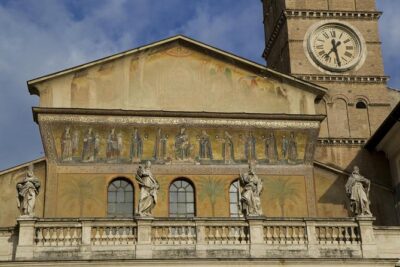
Winner 2025 Rome Twilight Trastevere Food Tour by Eating Europe
Read our review →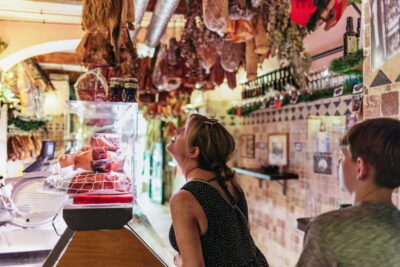
Trastevere or Jewish Quarter Street Food Tour
Read our review →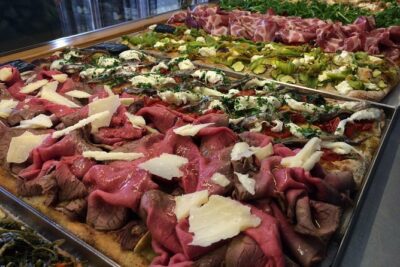
Rome Food Tour: Unlimited Tastings with Fine Wine & Barolo
Read our review →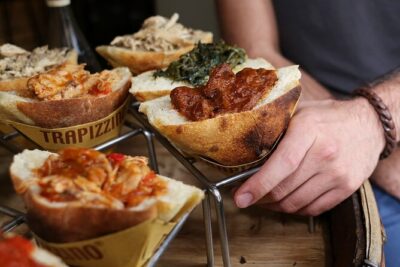
Trastevere Food tour with Free-Flowing Fine Wine
Read our review →
Trastevere & Campo de Fiori Street Food Walking Tour
Read our review →
Award Winning Trastevere Group Food Tour with Wine
Read our review →
Browse the lists this tour appears in