
Reviewed · DINNER EXPERIENCES
Rome: Dining Experience at a Local’s Home
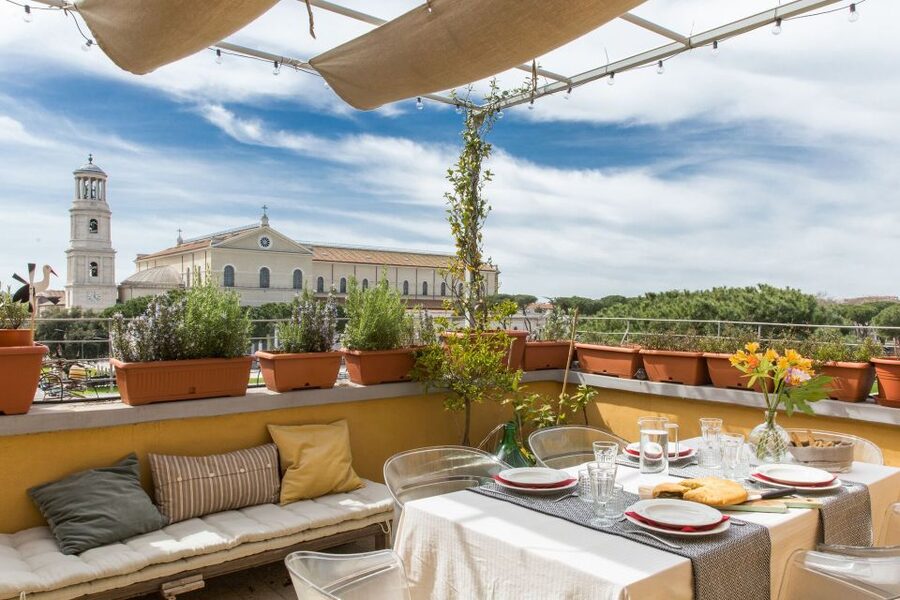
What makes this Rome dining experience tick is simple: you eat at a real Cesarina home, not in a restaurant. You get a 3-course meal built around family recipes, plus a live cooking demonstration that turns dinner into a show you can actually talk with.
I especially like the recipe angle, because the food is coming from family cookbooks passed down by local Mammas. I also like that the night includes drinks, with water, red and white wines from regional cellars, and coffee, so you can focus on the meal instead of counting extra costs.
One consideration: you are inside someone’s home. That means the evening can feel more personal and active than a standard sit-down dinner, and the experience costs more than a typical restaurant meal because you’re paying for time, teaching, and hospitality.
Key things to know before you book
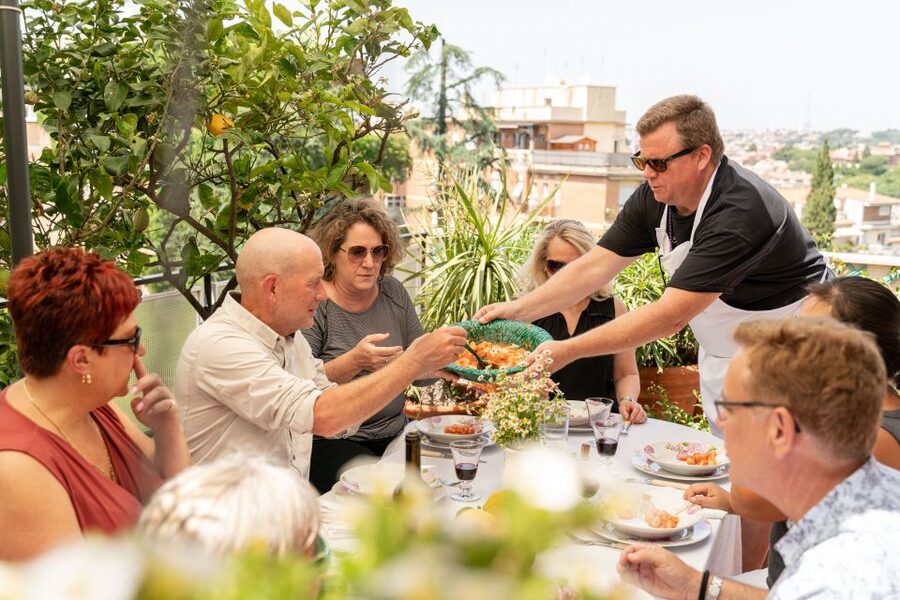
- Cesarine home cooks in 500 cities across Italy, with hosts opening their own homes
- 3-course lunch or dinner (starter, pasta, dessert) with wine and coffee included
- Cooking demo plus hands-on moments you can often join, like making pasta or dessert
- Small group size (max 8 people), so it’s easy to ask questions and chat
- Meeting point is the host home, with the full address shared after booking
How Cesarine Dining Works Inside a Real Roman Home
A Cesarina dinner is built around the idea that cooking is part storytelling, part family ritual. Cesarine is the home-cook network in Italy, available in hundreds of cities, and the name itself points to the core concept: home cook. In Rome, that translates into a meal that feels like it belongs to the neighborhood, not to a tourist script.
You should expect a warm welcome and a lot of talk about food. The host’s job is not just to feed you, but to explain what they’re making and why it matters to their family. Some hosts in this network, like Gianluca and Giorgia, have been described as bringing their whole family energy to the table, including their daughters. Others, like Marco, have leaned into explanation, letting you help with the main meal and then offering local tips you can use later in the city.
This is also why the dinner structure is so consistent even if the dishes vary. You’re always anchored by a 3-course menu: a starter, a pasta course, and a dessert. Then the cooking demo connects the dots, so you understand what you’re eating instead of only tasting it.
More dinners worth booking in Rome:
- Pasta Making & Wine Tasting with Dinner in Frascati from Rome
★ 5.0 · 1,326 reviews - Rome Food Tour: Hidden Gems of Trastevere with Dinner & Wine
★ 5.0 · 1,166 reviews - Rome: Pasta Making with Wine Tasting and Dinner in Frascati
★ 4.9 · 979 reviews
Getting There: The Doorbell, the Address, and the Real-World Timing
Logistics are part of the experience here, because you’re not meeting at a landmark. You meet at the host home, and the exact address is shared after your reservation. When you arrive, you ring the doorbell, and your Cesarina host meets you right at the entrance.
Timing is also straightforward. The dining typically begins at 12:00PM or 7:00PM, and the full experience runs about 2.5 hours. The service allows flexible tour times if you request it in advance, which is helpful when your day in Rome is already packed with sights.
Small group size matters more than it sounds. With a maximum of 8 participants, you’re not squeezed into a large room. Instead, you’re more likely to be integrated into the kitchen action, listening closely while the host explains each step. In the homes where people have sat at a shared table and chatted through courses, that small size is what makes the conversation feel natural.
Practical tip: plan for the neighborhood pace. Rome apartments and quiet streets are not built for rush-hour choreography. Leave a few extra minutes so you can settle in without stress.
The Evening Flow: Cooking Demo to Starter, Pasta, and Dessert
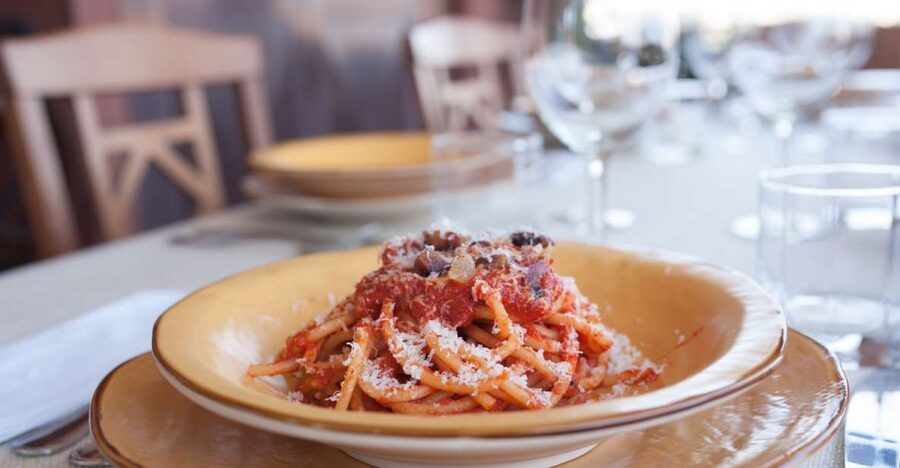
The core format is a 3-course meal, but the magic is in the transitions between courses. Dinner doesn’t start as a passive show. It starts with food in motion: the host cooking, you watching, and in many cases joining in.
1) Starter course
Your first course is a starter, often something that sets the flavor baseline for the rest of the meal. Based on how hosts have guided people in past evenings, you might see a platter-style approach, like antipasto items, bruschetta, or other regional appetizers. The host usually explains ingredients and technique in simple terms, the kind of explanation that makes the food feel familiar even when it’s new to you.
If you’re the type who likes to know what to look for, pay attention here. Starters are where Roman cooking often shows its priorities: good olive oil, clean flavors, and balance.
A few more Rome tours worth comparing
- Night Tour of Rome with Local Pizza Dinner and Gelato Experience
★ 4.5 · 780 reviews - Rome: Small Group Trastevere Food Tour with Dinner
★ 4.8 · 719 reviews - Rome: Italian Opera Concert and Traditional Dinner
★ 4.1 · 453 reviews - Rome: Cannondale E-Bike Evening Tour with Optional Dinner
★ 4.9 · 251 reviews
2) Pasta course and the cooking demonstration
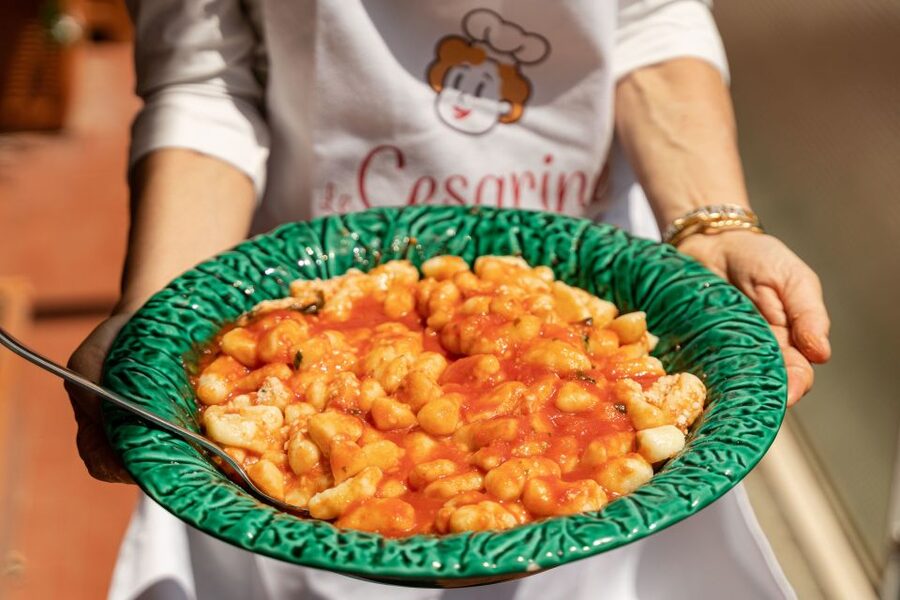
The pasta course is the center of gravity. You’ll get both the demonstration and, in many homes, a chance to participate. Some hosts have guided people through making gnocchi from scratch, including tasks like slicing ingredients and then assembling the dish. Others have focused on pasta technique and the rhythm of the process, then served the final pasta with a sauce that matches the day’s theme.
Even if you don’t do every step, the demo helps you connect the dots between sauce, dough, and timing. That’s one reason this experience often feels more valuable than a restaurant dinner. In a restaurant, you see the finished plate. Here, you see how it gets made, and that changes how you taste everything afterward.
One more detail to watch for: dessert is often tied to the same family approach. If the host is making a classic like tiramisu, you might get a chance to help with the preparation, not just watch it happen.
3) Dessert course
Dessert rounds out the evening with something sweet and familiar, but still rooted in tradition. People have described tiramisu sessions where they learned the traditional way and then tasted the result right away. The host’s role is to show you how textures and timing work, like how the filling and layers come together.
Dessert in this format is not only a finish. It’s a chance to see how the family cookbook style carries through to the last bite.
Drinks That Are Actually Part of the Meal
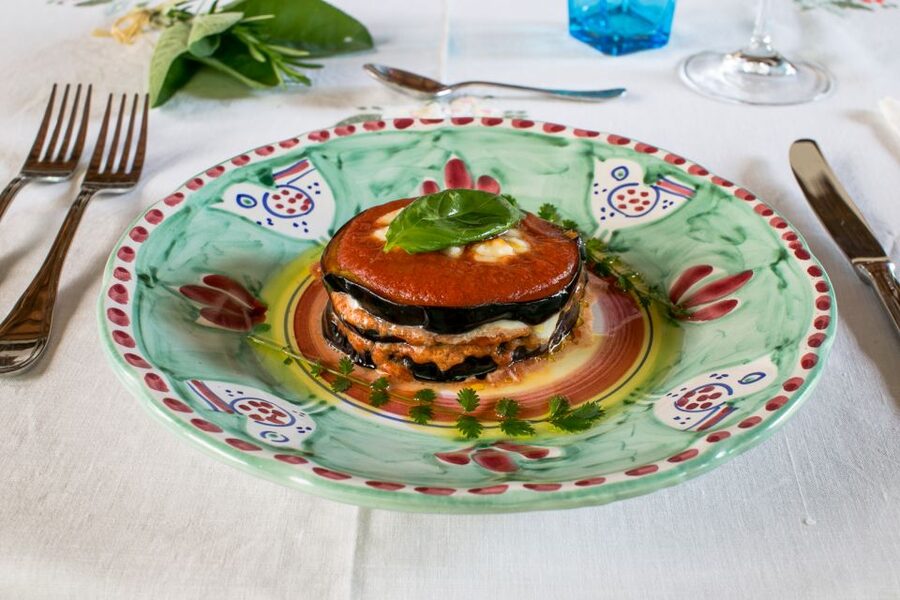
You get drinks with the meal: water, a selection of red and white wines from regional cellars, and coffee. That inclusion matters. It means the meal stays anchored in local pairing instead of turning into a decision-heavy upsell.
In real terms, it also makes the dinner pacing feel more relaxed. You can settle in, ask questions, and keep enjoying the meal without constantly checking menus. A few hosts have even shared additional after-dinner touches like aperitifs or a local liqueur, but the solid, guaranteed base is the water, wine, and coffee.
If you like wine, pay attention to how the host talks about the selection. Wine here is not just a drink. It’s part of how the host frames the region and the household style.
What $100 Really Buys You in Rome
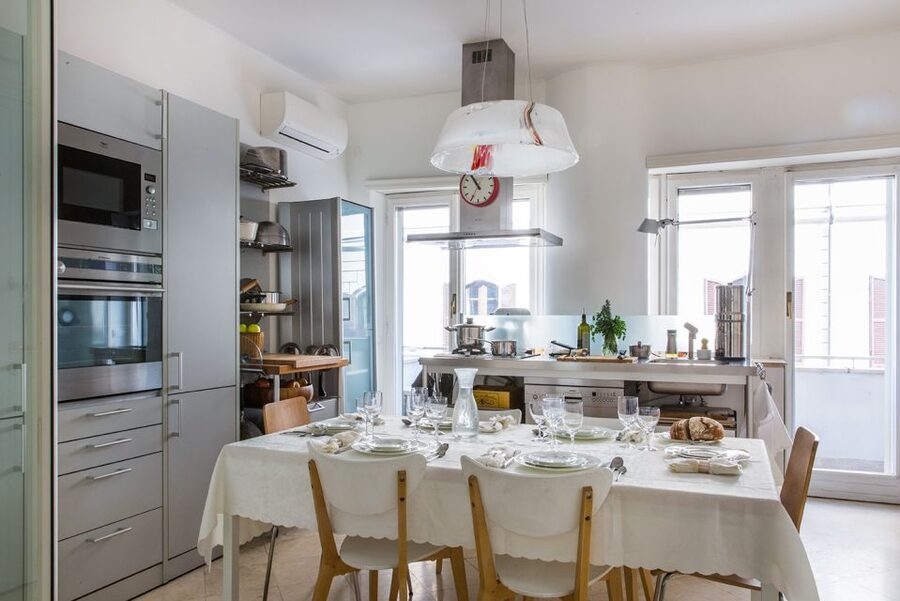
Price is the one question everyone asks. At around $100 per person for a 2.5-hour experience, it costs more than many standard restaurant dinners. But what you’re buying is not only food. You’re buying access to a family kitchen, a cooking demonstration, and time with a host who is actively explaining what you’re eating.
Here’s the value breakdown that usually makes sense:
- You get three courses instead of single-plate dining.
- You get wine plus coffee included, which adds real cost in Rome if you have to order it separately.
- You get a small-group setting (max 8), which means more conversation and less waiting.
- You get teaching time, and often hands-on time, like making pasta or preparing dessert.
Also, this is one of the better ways to spend your Rome food budget if you care about process. If your priority is just a fast meal and you want the lowest ticket price, a restaurant might win. If your priority is understanding the culture through cooking and eating together, this format tends to feel worth it.
The Most Praised Part: Hospitality That Feels Personal
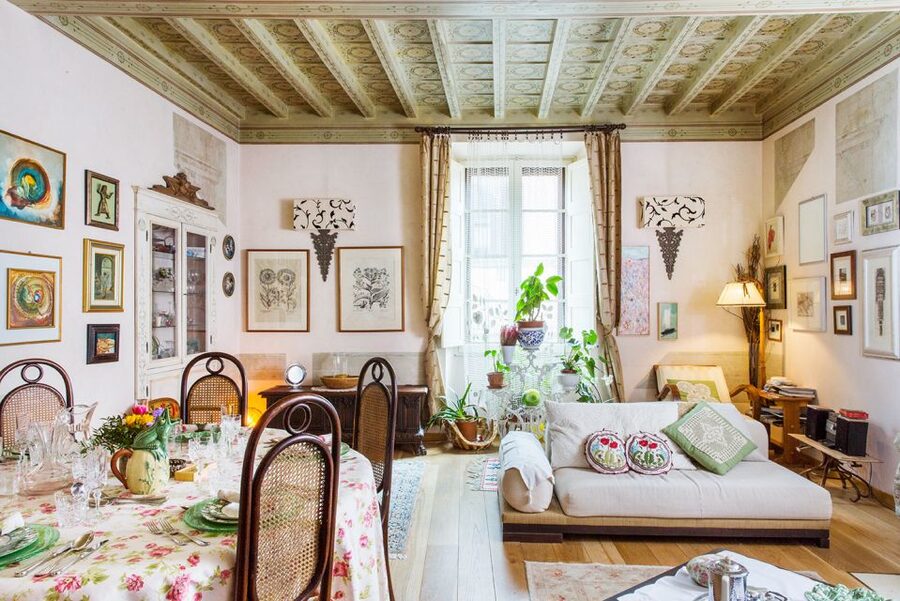
The strongest theme in the experience is hospitality that feels human, not staged. Hosts like Emanuela and her group have been described as making people feel welcome like family, and Marco has been praised for combining clear explanations with room for participation.
You’ll notice a pattern: the best dinners tend to happen when you lean into conversation. The host’s goal is not to deliver a script. It’s to share their version of Italian life, right down to family habits around the table.
In some homes, there’s even extra support for communication, such as a relative joining to translate so everyone can follow along. That kind of care is why the experience can feel surprisingly smooth even if you’re far from home.
Who This Is Best For (and Who Should Think Twice)
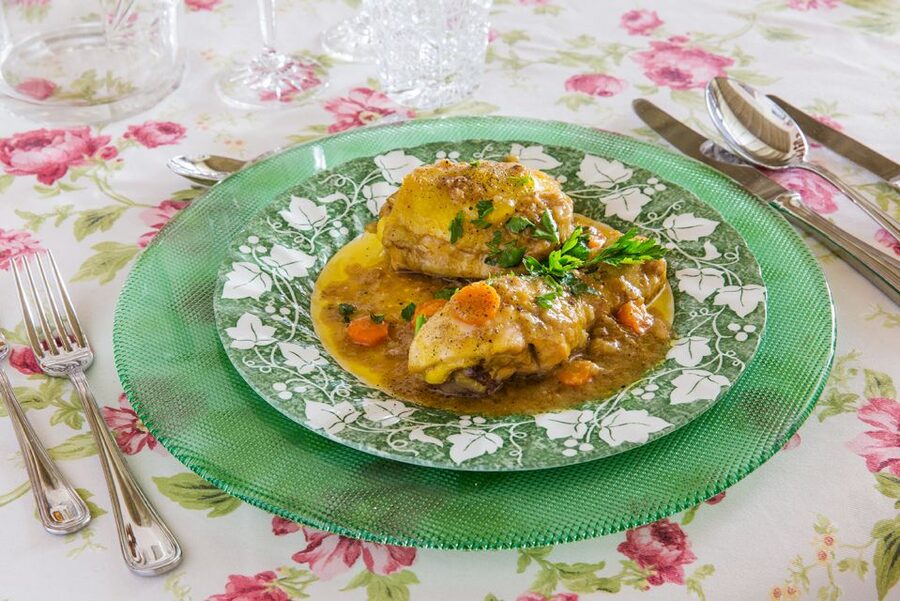
This experience is a good match if you:
- want home-style Italian cooking instead of restaurant-only Rome
- enjoy learning, even if you only participate a little in the cooking
- like wine included with dinner and a relaxed pace
- travel in a small group and want conversation to be part of the evening
It may not be your ideal choice if you:
- dislike being in a lived-in home setting with active kitchen steps
- want everything to feel strictly hands-off and purely observational
- have very narrow tastes and don’t want to try dishes beyond your comfort zone
There’s also a practical cooking reality to consider. Even when the format is show-and-taste, someone might hand you a task, like slicing ingredients or helping with pasta shaping. If you prefer to watch only, tell the host you’re happy to observe.
Practical Tips for a Smooth, Fun Evening
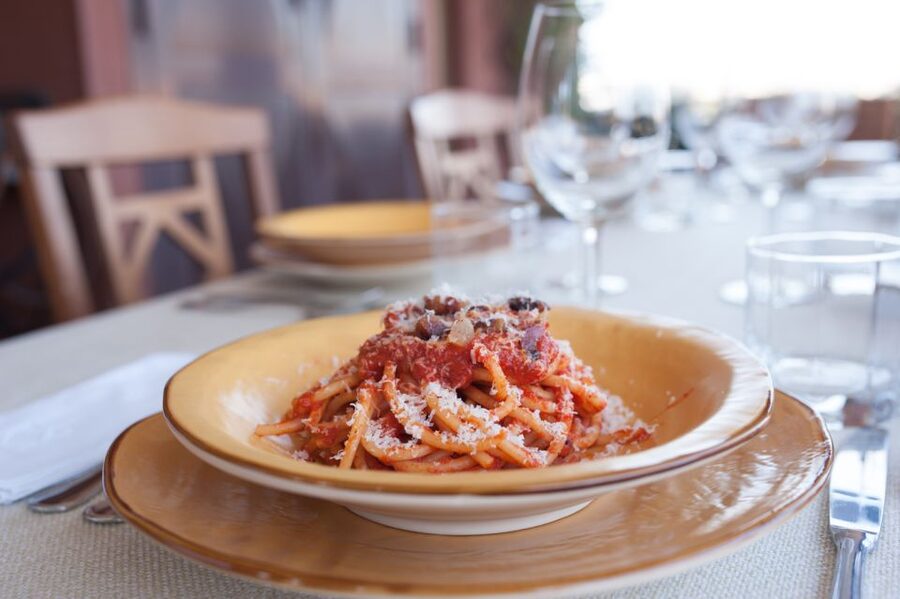
A few small moves can make this dinner feel effortless:
- Ask about the dish while it’s being made. Questions get answered better when ingredients are right in front of you.
- If there’s a cooking step you can help with, say yes. Even small tasks like shaping or slicing make the food taste more meaningful.
- Plan to wear comfortable clothes. You’re spending time in a home kitchen, and it can be warm depending on cooking activity.
- If you prefer a quieter atmosphere, choose your tone early. The dinner tends to be sociable, not silent museum-mode.
- Bring your best curiosity. When hosts explain family recipes, they usually share little context like what changed over the years and what stays the same.
Should You Book This Cesarina Dinner in Rome?
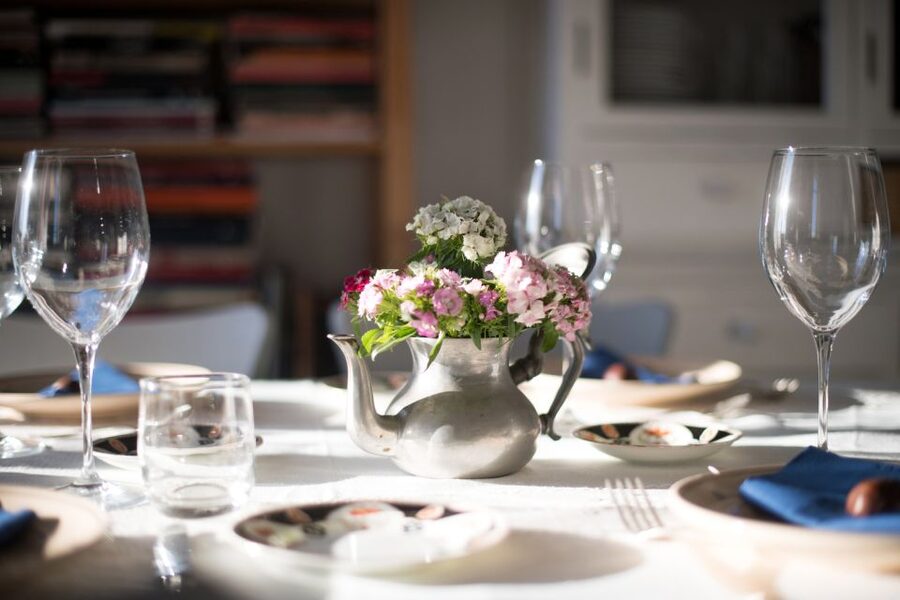
I think you should book this if your idea of a great Rome day is food that comes with a story and a person behind it. For the money, you’re paying for more than dinner. You’re paying for a small-group experience with a host, a cooking demonstration, and a real local table setup with wine and coffee included.
Skip it if your top priority is the cheapest meal, or if you want a completely restaurant-style experience with zero interaction. In that case, you’ll probably be happier with a normal trattoria.
If you’re on the fence, consider this simple rule: if you like learning through doing and eating with locals, this is one of the best ways to spend a chunk of your time in Rome.
FAQ
Where is the meeting point?
The meeting point is your host home. After you book, you’ll be contacted by customer care via email to share the private details of your experience, including the host full address and mobile number.
How long does the dining experience last?
The experience lasts about 2.5 hours.
What food is included in the meal?
You’ll enjoy a 3-course menu, with a starter, a pasta course, and a dessert.
Are drinks included?
Yes. Drinks included are water, a selection of red and white wines from regional cellars, and coffee.
How big is the group?
It’s a small group limited to 8 participants.
What languages will the instructor or host use?
The instructor is listed as English and Italian.
Can the experience accommodate dietary requirements?
Dietary requirements can be catered to, but you need to confirm your needs directly with the organizer after booking.
Recently reviewed around Rome
- Rome: Castelli Romani Hop-on and Hop-off Tour★ 4.9 · 32 reviews
- Rome: Food Tour near Vatican City with Wine★ 4.8 · 100 reviews
- Rome: Scavenger Hunt Self-Guided Tour★ 4.6 · 15 reviews
- Hidden Rome: Small Group E-Bike Tour with Street Food Stops★ 4.9 · 144 reviews
- Rome: Highlights Tour in Golf Cart★ 4.9 · 28 reviews
- Rome: Hop-on Hop-off Bus Tour and Colosseum Experience★ 3.4 · 163 reviews
- Rome: Guided Haunted Rome Ghost Tour with Dowsing Rods★ 4.8 · 63 reviews
- Rome: Highlights Photo Shoot for Memorable Moments★ 5.0 · 32 reviews
Dinner Experiences, compared.
Pasta Making & Wine Tasting with Dinner in Frascati from Rome
Read our review →
Rome Food Tour: Hidden Gems of Trastevere with Dinner & Wine
Read our review →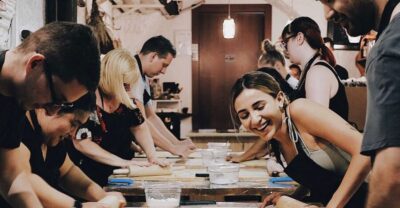
Pasta Making with Wine Tasting and Dinner in Frascati
Read our review →
Night Tour of Rome with Local Pizza Dinner and Gelato Experience
Read our review →
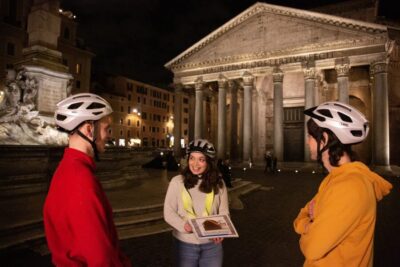
Cannondale E-Bike Evening Tour with Optional Dinner
Read our review →
Night Tour by Golf Cart with Italian Dinner and Gelato
Read our review →Browse the lists this tour appears in