
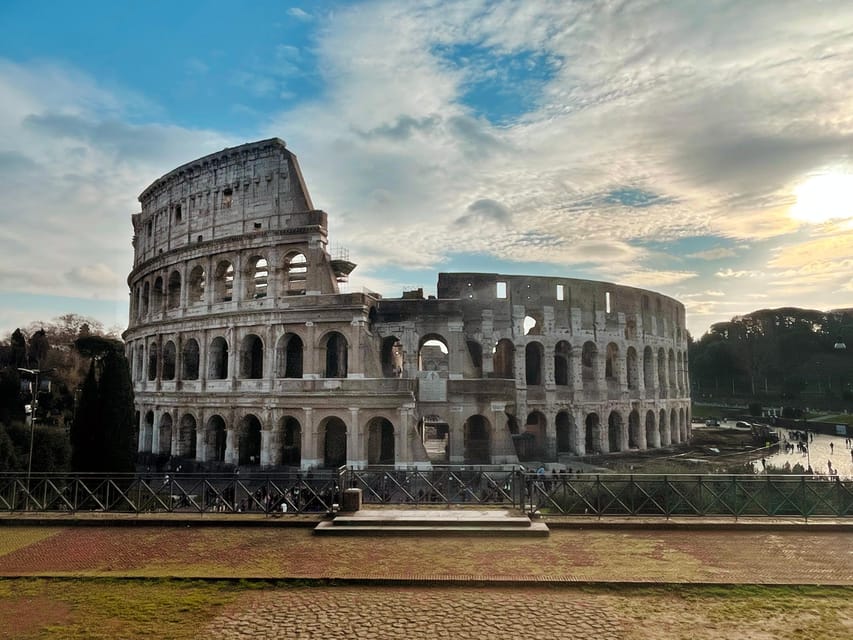
Reviewed · COLOSSEUM TOURS
Rome: Colosseum Underground and Arena Tour
What makes this Colosseum tour really interesting is the fact that you go underground and then stand out on the arena floor, where the games were staged. I love how the Hypogeum turns the gladiator story from something you read into something you can actually picture, with narrow corridors and the spaces where people waited. I also like the small-group pace, because you get more time for questions and better photo moments. The one thing to plan for is that Colosseum access can change on the day, including meeting point timing.
I’m also a fan of how the tour is set up for your ears as much as your eyes. You get live English narration with headsets, and that matters inside loud crowds and echoing stone corridors. Guides like Paola, Italo, Sara, and Claudia are repeatedly praised for explaining what you are seeing and keeping the group engaged, not just walking past it.
Key Highlights You Will Actually Notice
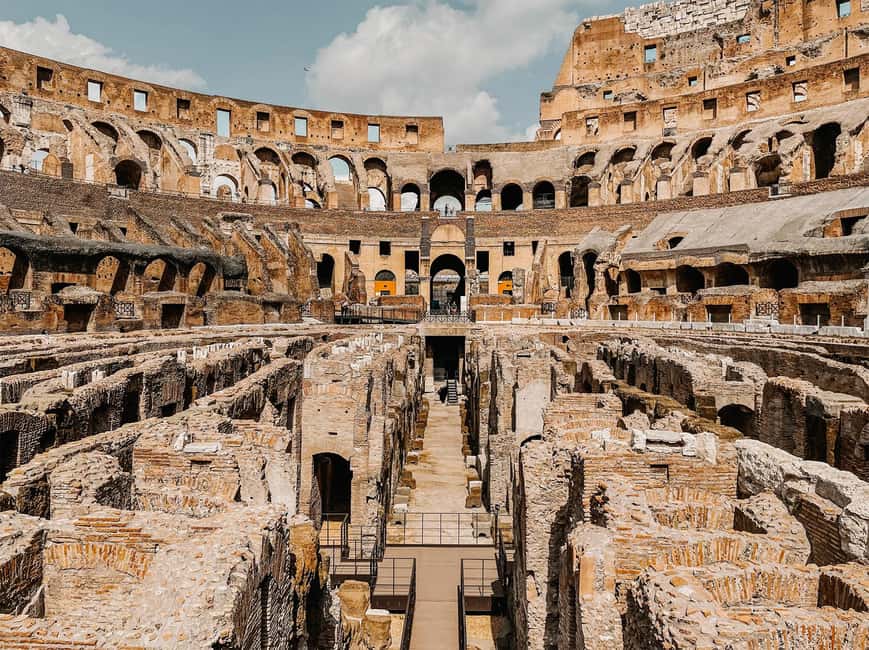
- VIP Hypogeum entry with views of travertine blocks, gladiator waiting areas, drainage features, and animal cages
- Arena floor access to see the Colosseum as a working stage, not just a monument
- Original floor fragments and a reconstructed elevator setup that helped move people and animals between levels
- First and second tiers with photo terraces for those “how big is this place” perspectives
- Roman Forum and Palatine Hill add context so the Colosseum feels connected to the city around it
Why the Hypogeum Changes Your Colosseum Visit
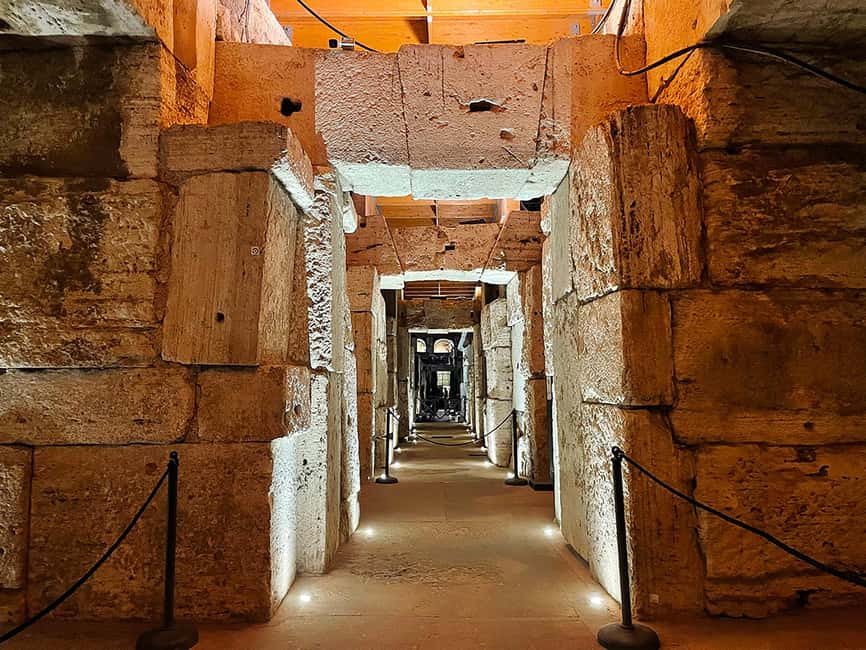
The Colosseum is impressive from the outside. Still, the underground level is the part that makes it hit differently. You start in the Hypogeum, a maze-like world of narrow corridors, dim light, and heavy stone blocks that feel built for waiting. This is where gladiators waited for their moment of glory, and the spaces are tight enough that you get a real sense of movement and tension.
The best part is what you can visualize. You are not just shown a photo or a quick explanation. You are walking through the kinds of spaces that supported the show. Large travertine blocks, shadowy cells, and the scale of the underground rooms make it easier to imagine the pacing of the day’s entertainment, how people were staged, and how chaos was controlled underground before it ever reached the stands.
If you like practical history, this section rewards you. You see details tied to the machinery of spectacle, including the drainage system. That’s a big clue that the Colosseum was built to manage more than crowds. It needed to handle water, animals, and the mess of real events.
One more thing I like: the atmosphere here is not just “dark and spooky.” It is functional and architectural, and that helps you understand how the place worked. Even if you already know the big stories, the Hypogeum puts the pieces together in a way that feels real.
More ways to see the Colosseum:
- Rome: Colosseum, Palatine Hill and Roman Forum Guided Tour
★ 4.8 · 32,814 reviews - Rome: Guided Tour of Colosseum, Roman Forum & Palatine Hill
★ 4.7 · 27,897 reviews - Rome: Colosseum & Forum with Audio Guide App -Optional Arena
★ 4.2 · 24,770 reviews
The Gladiator Waiting Spaces, Drainage, Cages, and Trapdoor Machinery
After you get your bearings, the Hypogeum portion becomes a tour of backstage systems. You’ll see fragments of the original floor, areas tied to where gladiators waited, and the animal cages. The cages are the kind of detail that makes you rethink the games. This was not only about fighters in the spotlight. It required animals, handlers, and controlled movement, all before anyone in the stands could see.
You will also encounter the underground drainage system, which sounds technical because it is, but it matters for understanding the scale of operations. The Colosseum was built as a machine, and drainage is part of keeping that machine running.
Then there’s one of the standout elements: a reconstruction of an ancient elevator tied to trapdoors above. The idea is simple, but the effect is strong. You can picture how people and possibly animals could be brought between underground and arena levels. That makes the arena floor feel less like a stage you arrived at and more like a place that was continuously supplied and reset from below.
This is also where a strong guide makes a difference. Guides such as Italo and Sylvia come up often for clear explanations, including how the site functioned, not only what happened there. With headsets, you can actually follow along even in busy sections. (And yes, the headset system is a real quality-of-life upgrade here.)
Time is limited in this underground world, so you have to trust the flow. If you are the type who wants to linger in every corner, you might feel the 20-minute underground window moving quickly. But the payoff is that you see more of the system instead of just one dramatic spot.
Standing on the Arena Floor, Then Reading the Colosseum’s Shape
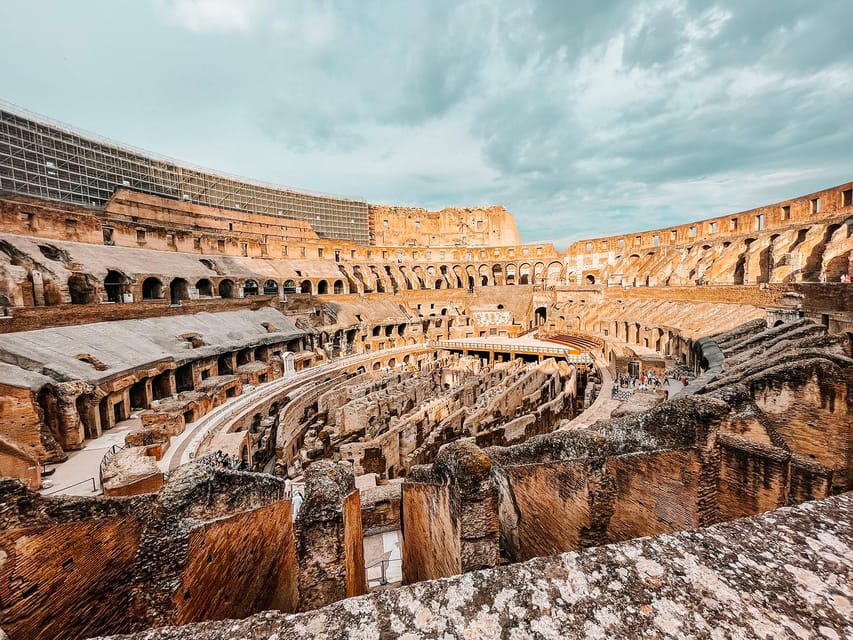
After the underground, you shift to the arena floor. This is the moment a lot of people hope for, and it delivers for two reasons. First, your body is at the same level as the action. You are not looking up at history. You are standing where it happened, or at least where the modern visitor access puts you relative to the original staging.
Second, the guide helps you connect the dots. The arena floor section is where the Hypogeum details start to click. You can look across the space and understand why those corridors and mechanisms mattered. It stops being a collection of rooms and becomes one complete system: backstage, movement, staging, performance.
Once you’ve had your time on the arena floor, the tour moves upward into the Colosseum’s interior tiers. You will reach the first and second tiers, and the panoramic terraces give you those ideal angles for photos. More importantly, they show you the building’s shape in a way that makes the structure feel engineered for crowd spectacle.
Here’s a practical note: this part of the tour is where you can take the pictures that later help you remember the experience. I like using the terrace views to “orient” myself, then revisiting what I saw underground. It is easier to understand the vertical relationship between levels when you can step back and look at the whole mass.
If you have seen the Colosseum from the standard viewpoints already, this section still adds value. You are not only seeing the monument. You are seeing its layers in the order the show would have experienced them.
Roman Forum and Palatine Hill, The Context Part of the Day
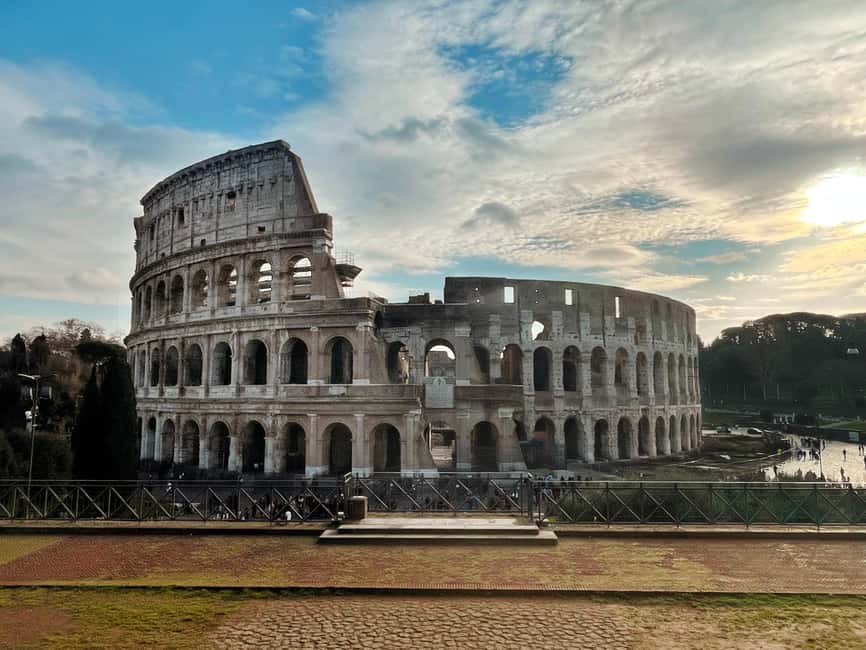
A lot of Colosseum tours stop at the Colosseum. This one keeps going, and that is a big part of the value. You transition from the arena complex to the Roman Forum and then to Palatine Hill, including a photo stop on the hill.
In the Forum, you get guided time that helps you understand why the Colosseum sits where it does. This is where Rome’s civic and political life played out, so the games were not floating in space. They were part of a larger city rhythm. When you know that, the Colosseum feels less like a lone amphitheater and more like a piece of how Rome organized power, public life, and entertainment.
On Palatine Hill, the view and the setting add another layer. Palatine is where you can connect topography to the stories people tell about Rome. From ground level, it can be easy to see ruins as separate objects. Guided movement makes it easier to sense the “city inside the city” idea, where different locations were tied to status, mythology, and the seat of elite life.
Time is not endless here. You get guided time at both stops, plus a dedicated photo window on Palatine. If you want to wander without direction, you may wish you had more. Still, as a combined experience in about 2.5 hours, it gives you a strong baseline for planning the rest of your Rome day.
Same city, a completely different kind of day:
- Vatican Museums & Sistine Chapel Tour with Optional Basilica
★ 4.3 · 67,413 reviews - Vatican Museums, Sistine Chapel & St Peter’s Basilica Guided Tour
★ 4.5 · 39,149 reviews - Rome: Colosseum, Roman Forum and Palatine Hill Guided Tour
★ 4.5 · 23,903 reviews - Rome: City Sightseeing Hop-on Hop-off Bus with Audioguide
★ 4.0 · 16,045 reviews
Entering Smoothly: Meeting Point, Group Size, and Pace
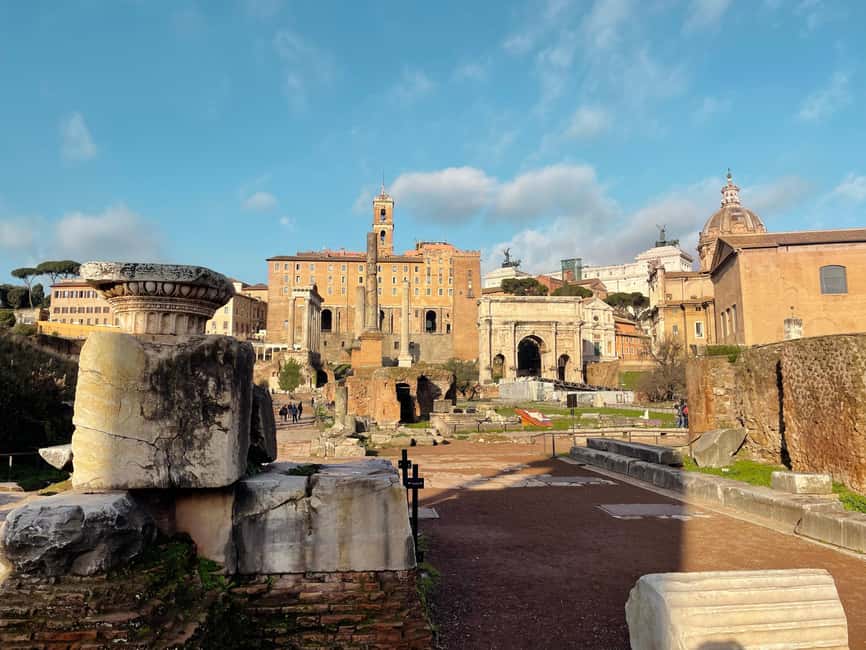
You start at Largo della Salara Vecchia, at the entrance of the Roman Forum area. The meeting point is near the ticket counters, on the left side under the tree, and the guide holds up a sign with the GET YOUR GUIDE logo. That may sound like small detail, but it matters because Rome security and lines can make you late fast.
The group size is limited to 8 participants, and that small scale changes how the tour feels. It is not cramped in the same way as bigger tours, and you can actually hear the guide through the headsets. You also tend to get a calmer flow during transitions, especially when you’re moving between underground and upper-tier spaces.
The duration is about 2.5 hours, so you are not signing up for an all-day marathon. That’s a plus for most visitors, but it also means you will move steadily. In practice, that steady pace is why the tour works well: you see the Hypogeum, arena floor, and two more major sites without feeling like you lost half your day waiting.
One operational reality to keep in mind: the Colosseum can change access times or close for extraordinary events. If that happens, your tour start time or meeting point may shift. This is not something you can control, so your best strategy is to not stack tightly scheduled plans right after your tour ends.
Price and Value: Is $94 a Good Deal Here?
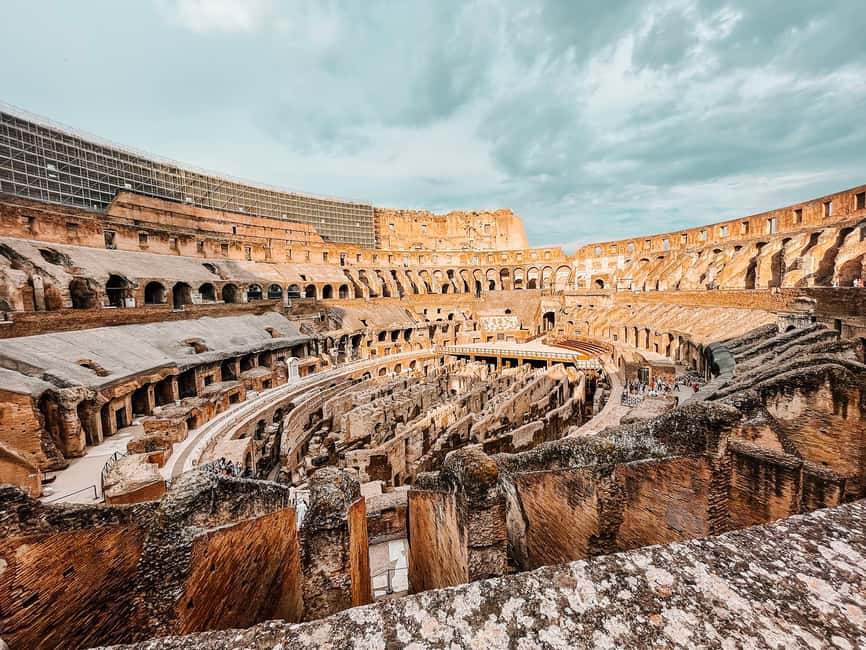
At $94 per person, this is not the cheapest way to see the Colosseum. But it is priced like a “you are paying for access” experience. The big value is that you get VIP underground entry and VIP arena floor entry, plus guided time that adds Roman Forum and Palatine Hill.
Think of what you would otherwise need to do on your own. You’d need the right ticket types, the right entry times, and a plan for how to connect the underground level to what you see above. Tickets for special access can be hard to line up, and the guidance helps you avoid wasted time. One of the recurring themes in guide praise is that they handle the special-area entry protocol well, including getting you through the right routes.
Then there’s the guide itself. People like Paola, Italo, Sara, and Claudia are repeatedly praised for turning technical details into something you can follow, like how the site operated and what each chamber likely meant for staging. In other words, you are paying for interpretation, not just entry.
Finally, the headset system matters in a place where sound can get messy. If you have ever tried to listen to a guide over a group of people talking, you know why this helps. With headsets, you get more of the “why” behind the “what.”
So, is it worth it? If you care about the Colosseum beyond photos, yes. If you only want the easiest exterior viewing with maximum free time to wander on your own, then this might feel like money spent on structure rather than on freedom.
Who This Tour Fits Best (And Who Might Want Another Plan)
This tour fits best if you want a layered Colosseum experience. You’ll enjoy it most if you like:
- Gladiator history that explains how the games were staged, not only who fought
- Architecture details such as the drainage system and trapdoor elevator idea
- A small group format where you can ask questions and hear the guide
- A Rome sampler that includes Roman Forum and Palatine without needing to plan a second ticketed stop
You might also like it if you are visiting Rome for a shorter trip and want a reliable, guided hit list. The tour gives you meaningful context in 2.5 hours, so you can build the rest of your day around it.
It is not suitable for wheelchair users, and that is worth taking seriously before you book.
If you hate tours that feel rushed, you should know the underground and arena floor portions are time-limited. You can still get a lot out of them, but this is not a slow walk where you stop to re-read every label.
Should You Book This Colosseum Underground and Arena Tour?
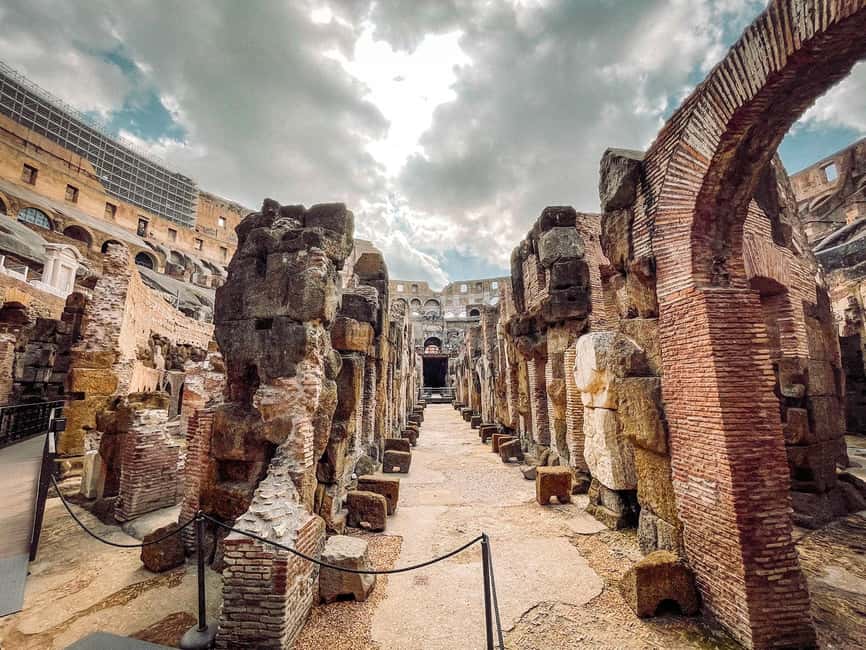
If your dream Colosseum moment is to see what happens below the floor and then stand on the arena itself, I think you should book this. The VIP underground access and arena floor viewing are the core reason, and those are the parts that tend to feel life-changing when they happen in person.
I would book it if you also want the Forum and Palatine context. That extra guided time helps you avoid the common problem of seeing a major site but not feeling how it connects to the rest of Ancient Rome.
Before you commit, do two things:
- Plan a buffer after the tour. The site can change access times due to events.
- Wear shoes that handle uneven stone and steady walking. Even with a guide, you’ll be moving through corridors, stairs, and terraces.
If you are the kind of visitor who enjoys structure, explanations, and a small group pace, this tour is a strong bet. If you prefer open-ended wandering and you only want the most famous exterior views, you might choose a simpler Colosseum option instead.
FAQ
How long is the Rome Colosseum Underground and Arena Tour?
It lasts about 2.5 hours.
Where do I meet the guide?
Meet near the ticket counters on the left side under the tree at Largo della Salara Vecchia. The guide will have the GET YOUR GUIDE logo.
What language is the tour guide speaking?
The live tour guide is available in English.
How big is the group?
The group is limited to 8 participants.
What does the tour include?
It includes headsets to hear the guide clearly, VIP underground entry, VIP arena floor entry, and guided tours that include the Colosseum, Roman Forum, and Palatine Hill.
What parts of the Colosseum are covered?
You visit the Hypogeum underground level and then the arena floor, plus time in the first and second tiers.
Is it a good tour if I want lots of photo time?
There are panoramic photo opportunities from the first and second tiers, plus a photo stop on Palatine Hill.
What should I bring?
Bring your passport or ID card, since it needs to match the booking names for security checks.
Is the tour refundable if my plans change?
Yes. Free cancellation is available up to 3 days in advance for a full refund.
Is the tour suitable for wheelchair users?
No, it is not suitable for wheelchair users.
Recently reviewed around Rome
- Rome: Castelli Romani Hop-on and Hop-off Tour★ 4.9 · 32 reviews
- Rome: Food Tour near Vatican City with Wine★ 4.8 · 100 reviews
- Rome: Scavenger Hunt Self-Guided Tour★ 4.6 · 15 reviews
- Hidden Rome: Small Group E-Bike Tour with Street Food Stops★ 4.9 · 144 reviews
- Rome: Highlights Tour in Golf Cart★ 4.9 · 28 reviews
- Rome: Hop-on Hop-off Bus Tour and Colosseum Experience★ 3.4 · 163 reviews
- Rome: Guided Haunted Rome Ghost Tour with Dowsing Rods★ 4.8 · 63 reviews
- Rome: Highlights Photo Shoot for Memorable Moments★ 5.0 · 32 reviews
Colosseum Tours, compared.
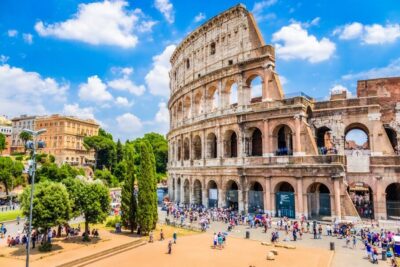
Colosseum, Roman Forum & Palatine Guided Tour
Read our review →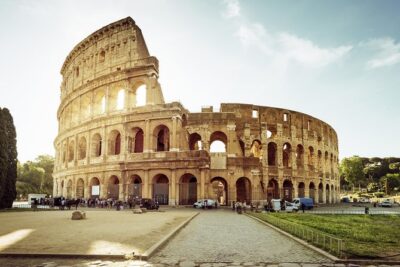
Colosseum, Palatine Hill and Roman Forum Guided Tour
Read our review →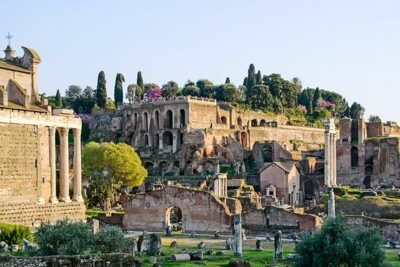
Guided Tour of Colosseum, Roman Forum & Palatine Hill
Read our review →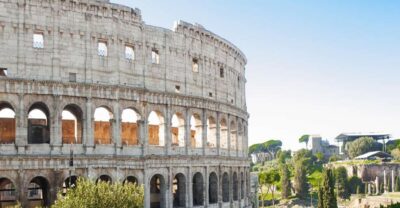
Colosseum & Forum with Audio Guide App -Optional Arena
Read our review →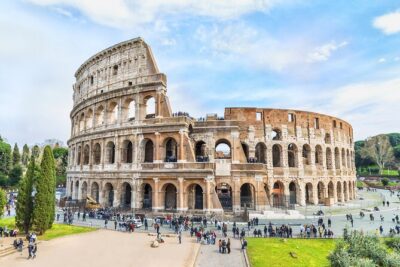
Colosseum, Roman Forum and Palatine Hill Guided Tour
Read our review →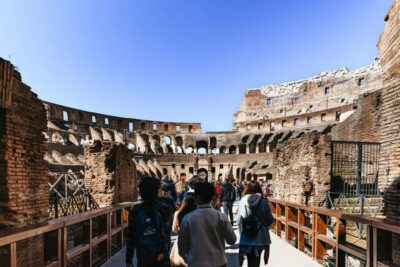
Colosseum, Forum & Palatine Hill Tour & Optional Arena
Read our review →
Colosseum, Roman Forum, Palatine with Multimedia Video
Read our review →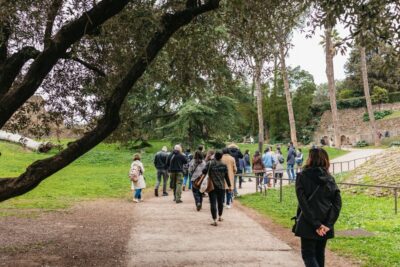
Colosseum, Palatine Hill & Roman Forum Guided Tour
Read our review →Browse the lists this tour appears in