
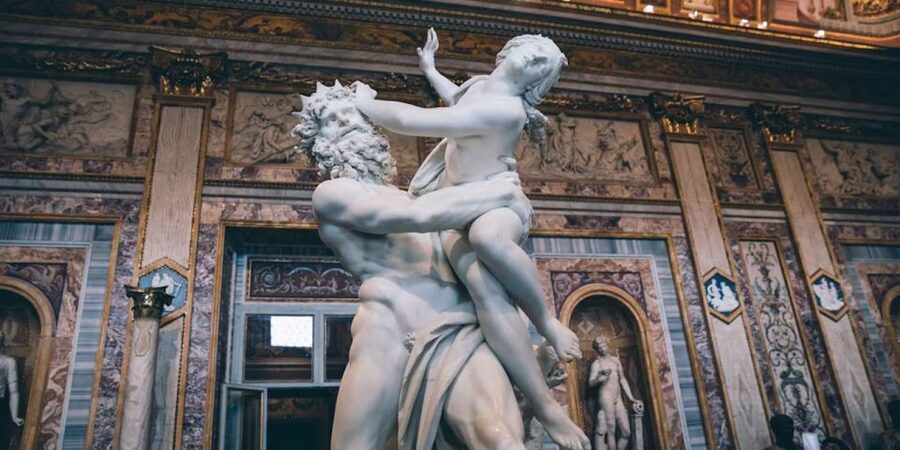
Reviewed · BORGHESE GALLERY TOURS
Rome: Borghese Gallery Guided Tour with Tickets
If you like art with drama, the Borghese Gallery works fast. This tour is interesting because you get reserved entry and an art historian guide who helps you read what you are seeing, even if you are not a die-hard museum person. I especially like the way the visit moves from the villa story to major rooms, so it feels connected, not like you are wandering. A possible drawback is that some areas can be closed for restoration, so the exact route may shift, and it is not suitable for wheelchair users.
I also like the practical setup: you have headsets and radios so you can hear the guide clearly, and the group stays small enough to ask questions. I saw names like Henry, Irene, Gaga, and Federico pop up in guide feedback, and the common theme was storytelling that makes Baroque art feel human, not distant. One more consideration, from a rare audio comment, is that microphone placement can matter, so if you are near the wrong side of the group, you may want to adjust your position early.
Key things to know before you go
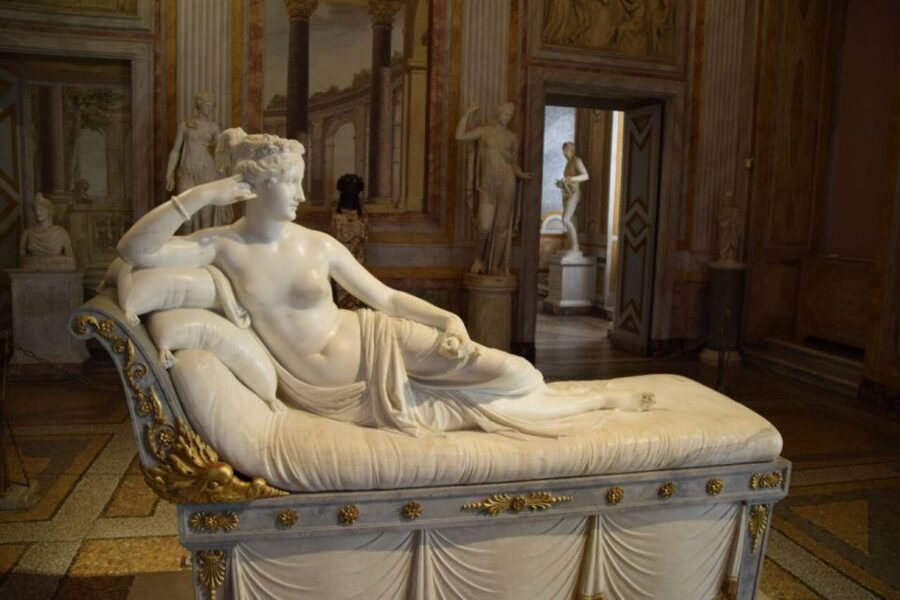
- Skip-the-line, express security check means less time stuck outside and more time inside the art
- Art historian commentary ties the sculptures and paintings to stories, patrons, and technique
- A focused 2-hour route keeps you on the best highlights instead of getting lost in the volume
- Caravaggio in one room is a standout feature, with multiple works by him in the same visit
- Bernini’s emotional motion is a big deal here, especially when the guide points out what to look for
- Small bags only, with a free cloakroom for larger items, helps you plan fast
Borghese Gallery: a villa museum built for big feelings
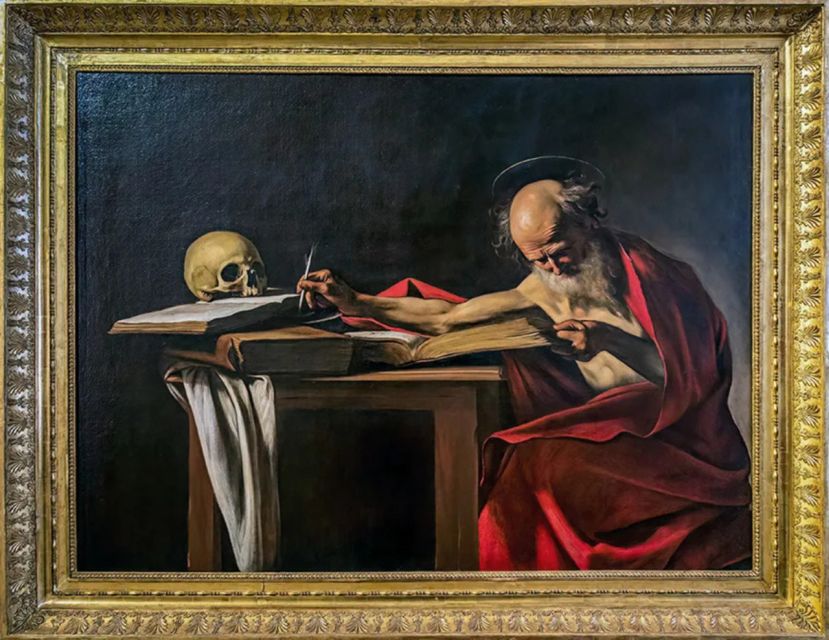
The Borghese Collection is housed in a grand 17th-century villa setting, so right away you are not just entering a museum box. You begin outside and hear the story of Cardinal Scipione Borghese, the person behind the collection, which gives the whole place context before you ever step into a gallery room. That framing matters, because it turns the art from something you stare at into something you understand.
Inside, I like how the collection feels personal. Even with a guide leading the way, the Borghese is designed so key pieces sit close enough for detail, and you spend less time in pure crowd traffic than in Rome’s larger museums. The two-hour pace also helps, because you get the best highlights without the burnout that comes from long sessions.
The main caution: the tour is not set up for everyone’s mobility needs. If you use a wheelchair, this specific experience is listed as not suitable.
More Borghese Gallery bookings in Rome:
- Rome: Borghese Gallery Guided Tour with Skip-the-Line Entry
★ 4.8 · 2,649 reviews - Rome: Borghese Gallery Skip-the-Line Tickets with Audioguide
★ 4.6 · 2,562 reviews - Rome: Borghese Gallery Entry Ticket & Optional Guided Tour
★ 4.5 · 2,237 reviews
Your 2-hour game plan, from villa story to sculpture rooms
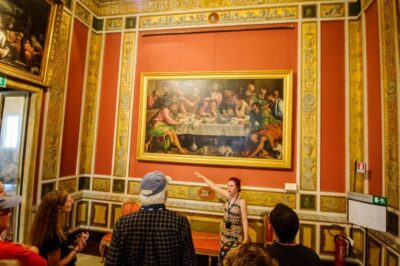
This tour is built around a steady loop, typically starting with a short walk and introduction before you enter the galleries. Expect your time to be organized into a few guided segments, with a couple of stops in the sculpture spaces and another segment centered more on the main gallery highlights. The big win is that the guide keeps you moving with purpose, so you do not waste your limited time guessing what is essential.
Stop 1: Meeting outside, then the Cardinal Scipione story
You’ll meet at one of two starting points depending on what you book: Fontana dei mascheroni or Piazzale del Museo Borghese. From there, you get the setup about Cardinal Scipione Borghese and why this collection exists in the first place. I find this kind of “why it’s here” moment hugely useful at Borghese, because so much of the collection is tied to power, taste, and persuasion.
Practical note: if you are prone to arriving late, give yourself more cushion. The meeting point is outdoors, and you’ll want to be ready for the group to start together.
Stop 2: Ground floor sculptures, where Bernini grabs you
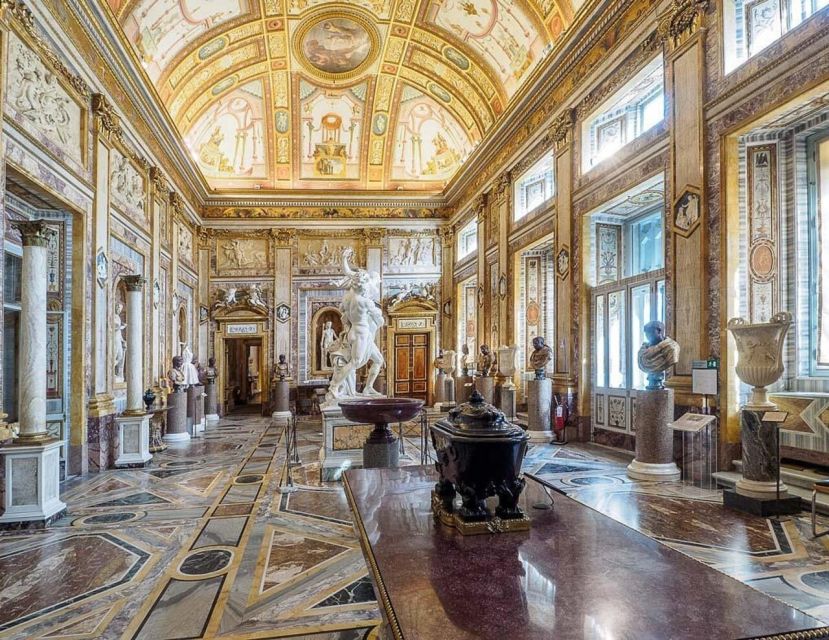
Your first guided time inside leans heavily on the sculpture program on the ground floor. This is where the mood really shifts. Bernini’s pieces are not polite marble. They feel like frozen moments, with bodies twisted, faces animated, and expressions that want your attention right now.
One example that gets highlighted in this tour is Bernini’s Apollo and Daphne. The guide’s job here is not just to name it. It’s to show you what to look for, like the sense of motion and the emotional focus of the scene, so you experience the sculpture the way it was meant to land.
More museums and galleries in Rome:
- Vatican Museums & Sistine Chapel Tour with Optional Basilica
★ 4.3 · 67,413 reviews - Vatican Museums, Sistine Chapel & St Peter’s Basilica Guided Tour
★ 4.5 · 39,149 reviews - Rome: Vatican Museums, Sistine Chapel & Basilica Tour
★ 4.3 · 13,872 reviews - Vatican Museums & Sistine Chapel Skip-the-Line Entry Ticket
★ 4.4 · 13,838 reviews
Stop 3: The main Borghese Gallery segment, including Caravaggio
Next comes the core gallery time, where the visit spotlights the “how did they do this” moments of Renaissance and Baroque art. The headline attraction is the Caravaggio room, which is described as the largest gathering of Caravaggio works in a single collection. If you’ve ever heard the name Caravaggio and wondered why people get intense about him, this is where you see it.
The tour specifically points you toward works such as David with the Head of Goliath and Boy with a Basket of Fruit. Caravaggio’s style is all about light and shadow, and the guide’s explanations help you notice how the painting makes you feel the drama, not just observe it.
Stop 4: Back through sculptures, with frescoes and mosaics in mind
You finish with additional ground-floor sculpture time. This is often where you catch details you missed earlier, especially when the guide encourages you to look across media: sculpture, Roman floor mosaics, and even hand-painted fresco areas. Not every museum lets you see that kind of variety in one organized visit.
If you are a visual note-taker, this is a good segment for it. Pay attention to where the art overlaps in style or theme, because the guide tends to connect threads rather than treating each room like a random stop.
Skip-the-line entry, meeting points, and what bag rules mean
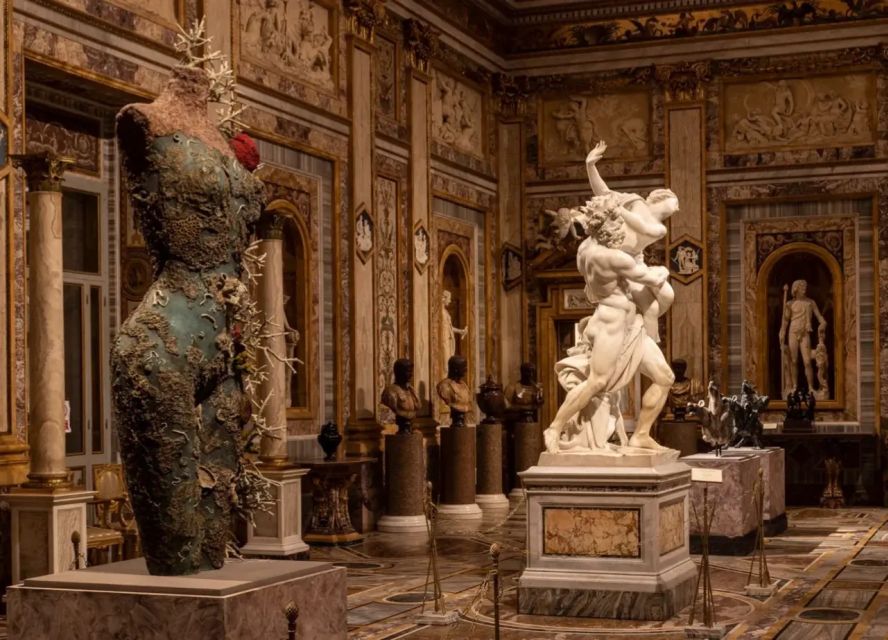
The selling point here is reserved tickets and a skip-the-line setup with an express security check. In Rome, that matters more than it sounds. Even when the museum itself is worth it, standing in an outdoor queue can drain your energy, and energy is what you need when the art is close and you want to focus.
Meeting points vary by booking, but they are clearly set: Fontana dei mascheroni or Piazzale del Museo Borghese. Either way, you’ll want to plan for a calm arrival. This tour does not advertise multiple independent entrances for late arrivals, so being on time is the easiest way to protect your schedule.
What to bring
Bring your passport or ID card. The gallery requires it for security and entry processes, and this tour specifically tells you to have it.
What you can bring inside
Only small bags and purses are allowed inside. If you have a larger bag, there is a free cloakroom at the entrance where you can store it safely. Also, the tour lists items that are not allowed, including pets, weapons or sharp objects, baby strollers, luggage or large bags, and alcohol or drugs.
My practical advice: pack light. Think “day bag,” not “camera backpack plus everything I own.” It will make your entry smoother and keep the group flow from slowing down.
How the art historian guide changes the visit
A guided Borghese tour lives or dies on the guide, and the pattern in the strongest feedback is consistent: the best guides combine art facts with storytelling that explains why the art looks the way it does. People repeatedly mention that the guide helped them understand lighting, technique, and the context behind the works.
In the feedback you shared, guide names like Henry, Enri, Irene, Gaga, Enrico or Federico style names, and Victoria come up often. While you might not get the exact person I noticed, you can expect the tour to be led by an art historian type profile. They explain the history and how the masterpieces were made, not just what they are.
The “what to look for” factor
Here’s what I think you should look for when the guide speaks, even before you read a museum plaque.
- When they discuss Bernini, focus on emotion and motion. Ask yourself where the character’s energy goes, and what part of the sculpture draws your eye next.
- When they discuss Caravaggio, listen for the light and shadow logic. The guide’s commentary often helps you see how the contrast is doing the storytelling.
- When they discuss Raphael and other artists, pay attention to serenity versus intensity. The tone shift across rooms is one of the most satisfying parts of this collection.
Technique and restoration context
One reason people kept saying they learned more than on a previous self-guided visit is the emphasis on how works were made and restored. You might hear about restoration and techniques from centuries past, or how pieces appeared once they were finished. That type of explanation matters because museums today often show you an artwork after time has touched it, while restorations can change what you see and how you interpret it.
Hearing clearly with radios
Headsets and radios are included, which is a big quality-of-life upgrade. One comment I saw suggested microphone placement can sometimes be imperfect, so if you notice you are straining to hear, adjust your spot or ask the guide to repeat. With the radio system, it usually stays manageable.
Languages
The tour is offered in multiple languages, including English, Japanese, French, German, Portuguese, and Russian. That’s helpful if you want the full art-story experience without relying on reading everything.
Bernini, Caravaggio, Raphael, and the details you should not miss
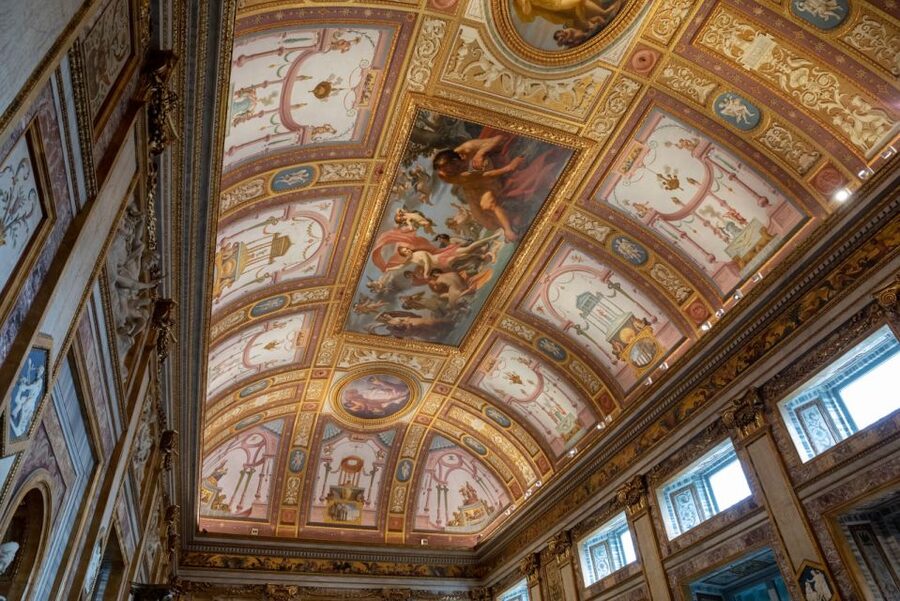
Borghese is famous for a reason, but what makes it feel special is how the collection plays with your expectations. You might walk in thinking you’ll mostly look, then realize you are being trained to see.
Bernini’s Apollo and Daphne: when sculpture feels alive
Bernini is the name people remember, and this tour leans into that. Pieces like Apollo and Daphne are often described as emotional, with movement that seems to be happening again in front of you. I recommend you slow down even if the guide is moving. Follow what the guide points out, then take an extra beat to check the expression or the curve of the body.
Caravaggio: the intensity is the whole point
Caravaggio can feel like he is turning up the volume on reality. In the Caravaggio room, the tour highlights works such as David with the Head of Goliath and Boy with a Basket of Fruit, both strong examples of his dramatic style.
When you’re in that room, look past the subject. Notice how the lighting makes the scene feel close and urgent, then notice how the paint handles the surface. The best guides will keep bringing you back to that relationship between light, shadow, and mood.
Raphael and more: balance after drama
After the strong contrast of Caravaggio, you’ll also see works connected to artists like Raphael, along with pieces by other major names mentioned in the tour highlights, including Titian and Canova. It’s a nice rhythm. You don’t just spend the entire visit in one emotional key.
Roman mosaics and fresco details
One of the more interesting aspects of this tour is that it does not treat the museum like only paintings and sculptures. You’ll also encounter Roman floor mosaics and detailed hand-painted fresco elements. If you love craftsmanship, this helps you appreciate the collection as a designed environment, not just a set of standalone masterpieces.
Group size, pacing, and small practical comfort wins
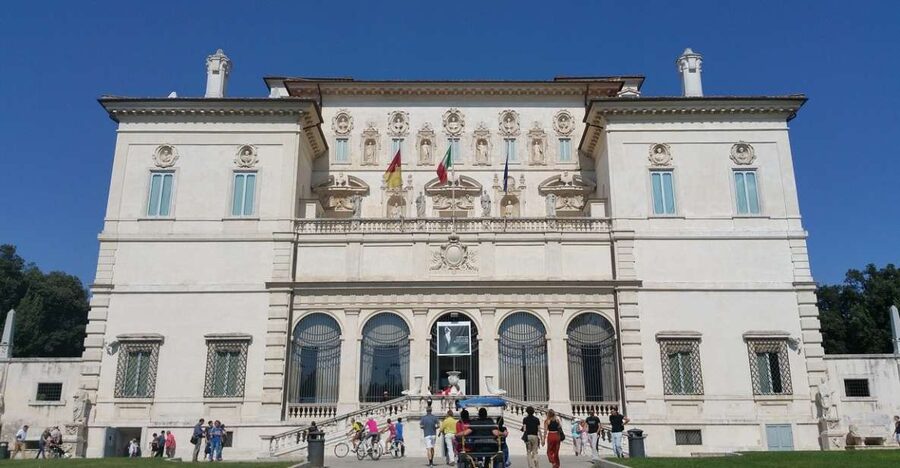
This is a short tour, about 2 hours, and the structure helps keep the pacing under control. Many comments you shared emphasize guides working at a perfect pace and not feeling scripted. Still, one practical warning shows up in the feedback: if a guide tries to cover too much in too little time, commentary can feel rushed.
Here’s how you can manage that as a visitor. Don’t try to memorize every fact. Instead, pick one or two themes per room. For example, choose “motion and emotion” in the Bernini segment, and “light and shadow” in the Caravaggio room. You’ll remember more because you are not chasing every single detail.
Small group feel
The tour can run in private or small groups, and that often improves your experience. In a smaller group, questions are easier, and you spend less time squeezed in a crowd. The feedback you shared mentions a personal feel, with guides able to engage with the room rather than just talk at it.
Not ideal for wheelchair users
As noted earlier, the tour is listed as not suitable for wheelchair users. If that’s you, you’ll need a different arrangement.
Is this good value at about $57 per person?
At around $57 per person for a 2-hour guided visit, the price only makes sense if you value (1) getting in fast and (2) learning more than you could from plaques alone. For Borghese, both are real benefits.
Reserved skip-the-line entry with express security is the obvious value. The other part is the art historian narration, plus the audio radios. In a museum this famous, the difference between “I saw it” and “I understood it” is often the guide’s ability to explain technique, context, and what to notice.
If you are mainly interested in taking your own photos and moving at your own speed without listening, a self-guided visit might suit you better. But if you want a faster path to meaningful viewing, this is the type of tour that earns its cost.
Should you book this Borghese Gallery guided tour?
Book it if you want the Borghese highlights in a tight, well-led route, especially if Caravaggio and Bernini are on your must-see list. I’d also choose this when you like learning from guides who explain not only what you’re looking at, but how and why the works were made, including technique and even restoration context.
Skip it if you cannot do the route comfortably due to mobility limits, since it is listed as not suitable for wheelchair users. Also skip if you hate structured tours and would rather wander without audio support.
If you fit the first category, this is one of the best ways to spend limited time in Rome, because it targets the most important rooms and gives you a guided lens to actually see the details.
FAQ
How long is the Borghese Gallery guided tour?
The tour duration is listed as 2 hours.
Do I get skip-the-line access?
Yes. The experience includes skip-the-line entry to the Borghese Gallery and an express security check.
Where do I meet the guide?
Your meeting point may vary based on the option booked, with two listed starting locations: Fontana dei mascheroni and Piazzale del Museo Borghese.
Are headsets included so I can hear the guide?
Yes. The tour includes headsets and radios to help you hear the guide clearly.
What should I bring to enter?
You should bring your passport or ID card.
What items are not allowed during the visit?
Pets, weapons or sharp objects, baby strollers, luggage or large bags, and alcohol or drugs are not allowed.
Is this tour suitable for wheelchair users?
No. It is listed as not suitable for wheelchair users.
Recently reviewed around Rome
- Rome: Castelli Romani Hop-on and Hop-off Tour★ 4.9 · 32 reviews
- Rome: Food Tour near Vatican City with Wine★ 4.8 · 100 reviews
- Rome: Scavenger Hunt Self-Guided Tour★ 4.6 · 15 reviews
- Hidden Rome: Small Group E-Bike Tour with Street Food Stops★ 4.9 · 144 reviews
- Rome: Highlights Tour in Golf Cart★ 4.9 · 28 reviews
- Rome: Hop-on Hop-off Bus Tour and Colosseum Experience★ 3.4 · 163 reviews
- Rome: Guided Haunted Rome Ghost Tour with Dowsing Rods★ 4.8 · 63 reviews
- Rome: Highlights Photo Shoot for Memorable Moments★ 5.0 · 32 reviews
Borghese Gallery Tours, compared.
Borghese Gallery and Gardens Guided Small-Group Tour
Read our review →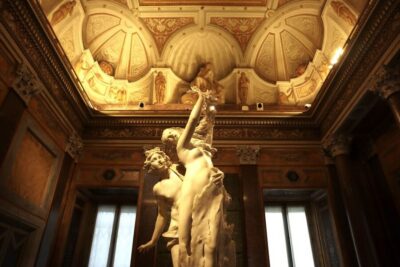
Borghese Gallery Guided Tour with Skip-the-Line Entry
Read our review →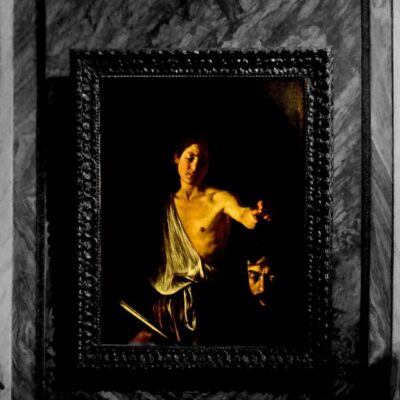
Borghese Gallery Skip-the-Line Tickets with Audioguide
Read our review →
Borghese Gallery Entry Ticket & Optional Guided Tour
Read our review →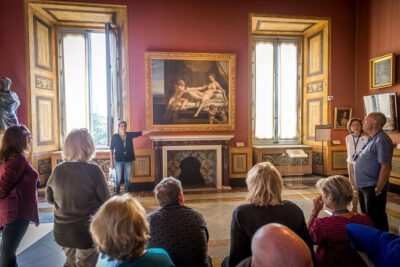
Borghese Gallery & Gardens Small Group Guided Tour
Read our review →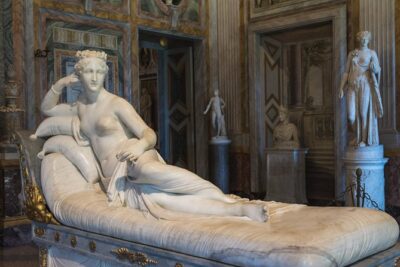
Borghese Gallery, Canova’s Masterpieces Skip-the-Line Guided Tour
Read our review →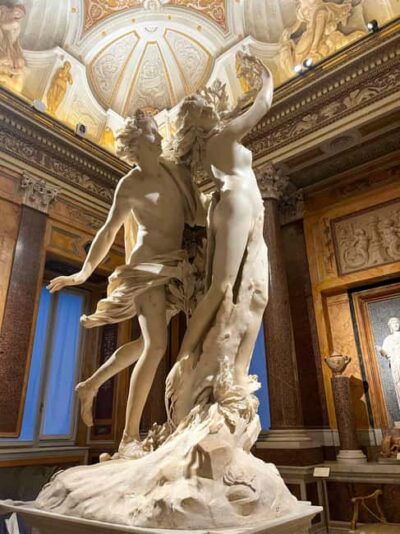
Borghese Gallery Guided Tour with Skip-the-Line Entry
Read our review →Browse the lists this tour appears in