
Reviewed · DAY TRIPS FROM ROME
Rome: A Journey Back in Time to the Roman Era, Half Day Tour
This half-day Rome tour is interesting because it shifts your focus away from giant monuments and onto the art, spaces of worship, and even the science side of the Eternal City. I like that you get world-famous Roman masterpieces up close, including Myron’s Discus Thrower and the Old Boxer, plus painted scenes tied to real power in the empire. I also like the quiet walks around Diocletian’s Baths, where you can slow down and actually look. One thing to consider: this is a walking tour, and it is not suitable for people with mobility impairments or wheelchair users.
What makes it easier to enjoy is the guide. In the best reviews, guides like Mohammed and Fabio are praised for taking their time and adding the historical and cultural context, not just describing objects. With a 3-hour professional guide and a 4.7 rating from 17 reviews, this is a solid use of a morning or part of an afternoon if you want Rome’s “other side” without spending the whole day stuck in crowds.
Key points to know before you go
- Masterpieces in Museo Nazionale Romano that explain Roman taste and imperial image, not just stone and scale
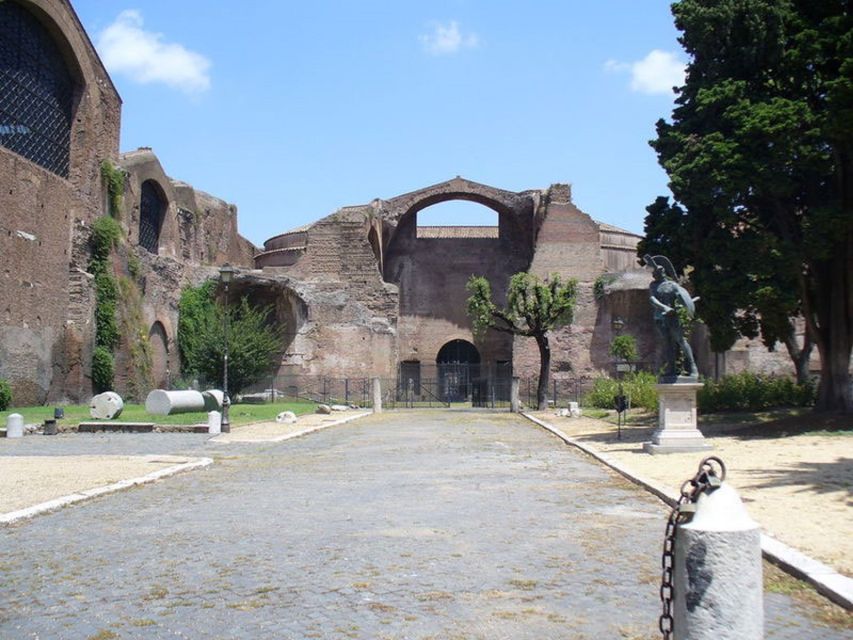
- Diocletian’s Baths walk in restored outdoor spaces, including areas that feel like a hidden pause from Rome
- Michelangelo’s touch in the courtyard setting, so you see Renaissance influence in a Roman context
- A basilica visit built around astronomy, with a 17th-century planetary sundial tied to the church calendar
- A clear dress rule at Santa Maria degli Angeli (no shorts, miniskirts, or uncovered shoulders)
- Strong guide performance, with reviewers highlighting patient pacing and context from guides like Mohammed and Fabio
Why Museo Nazionale Romano is the antidote to Colosseum overload
Rome can hit you like a freight train. The Colosseum and ancient forums are huge, and they can leave you feeling impressed but a little blank, like all the details are gone by the time you get your bearings. This tour tackles that problem by pointing you toward where the precious Roman art is protected and interpreted: the Museo Nazionale Romano, with Palazzo Massimo alle Terme and related spaces.
In practical terms, you will see famous artworks away from the worst traffic and crowd pressure. Instead of only thinking about stadium-size architecture, you get to watch how Romans looked at the world through sculpture, mosaics, frescoes, and funerary material. That change in pace matters. It makes you feel like Rome has layers, not just a single, loud highlight.
And yes, even if you already plan to do the big monuments later, this museum-first approach gives you a better mental picture. You’ll start to recognize names, themes, and artistic styles that you can carry back to other sites.
More day trips out of Rome:
- From Rome: Pompeii, Amalfi Coast, and Sorrento Day Trip
★ 4.6 · 7,031 reviews - From Rome: Pompeii, Amalfi Coast and Positano Day Trip
★ 4.6 · 6,620 reviews - Pompeii, Amalfi Coast and Positano Day Trip from Rome
★ 4.5 · 6,250 reviews
Starting at Santa Maria of the Angels: worship space, then museum mode
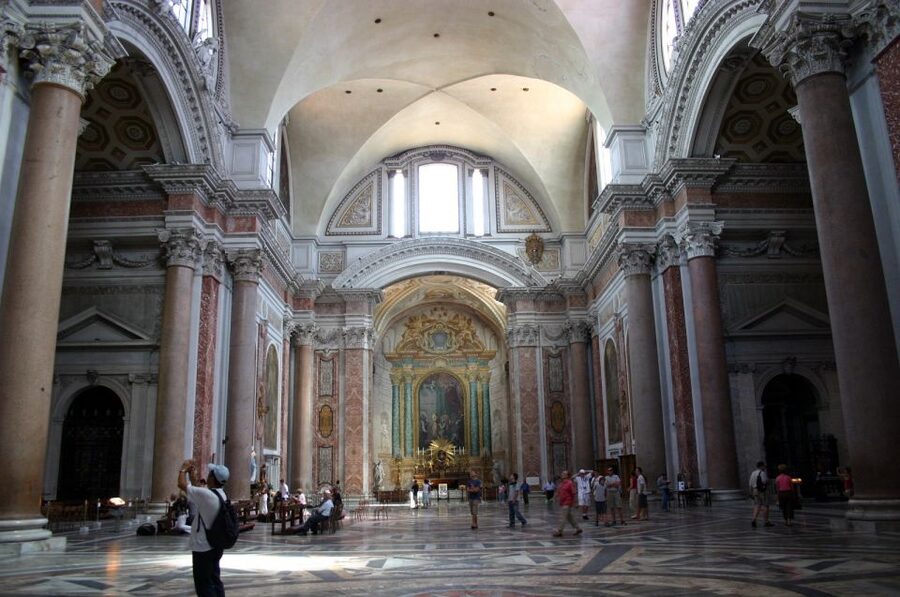
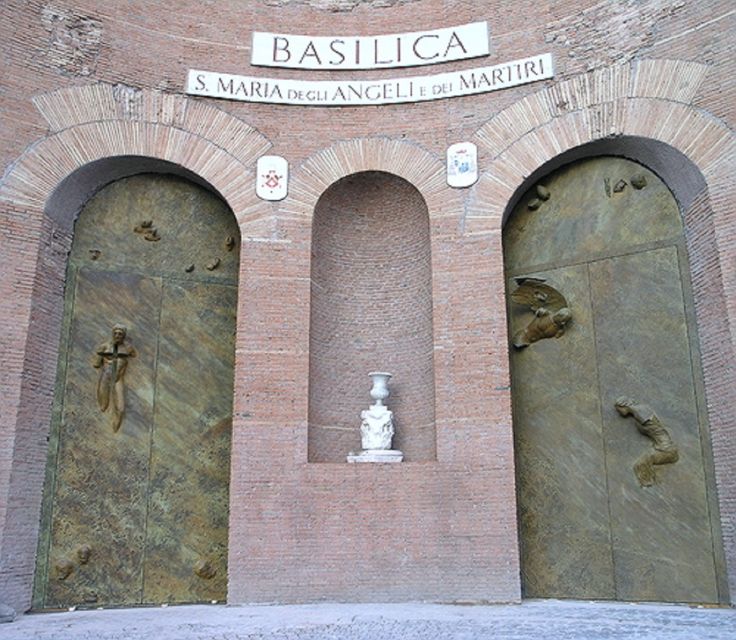
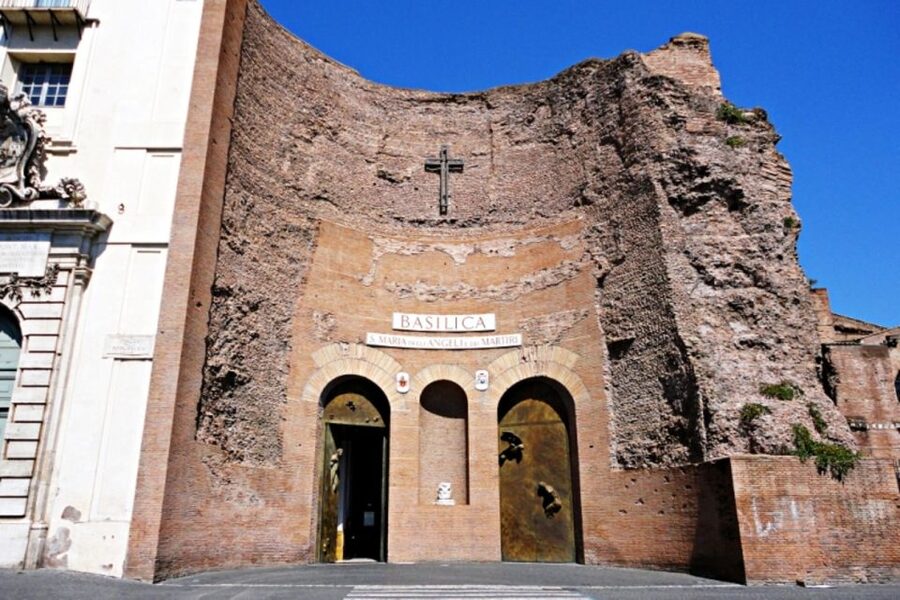
The tour begins at the Basilica of Saint Mary of the Angels and Martyrs. This is one of those Rome locations where you instantly feel the mix of old and new. You are walking into a religious space that also connects to the broader Roman story tied to the Diocletian Baths complex.
The big practical note comes fast: the basilica has a dress code. Shorts, miniskirts, and uncovered shoulders are not allowed for entry. You do not want to be scrambling at the last minute, especially in the heat. If you are coming straight from a day of exploring, plan a quick clothing adjustment before you arrive.
This first stop also works as a reset. Before you hit museum galleries and long passages, you get a calm moment in a place of worship. It helps you shift from photo-taking mode into looking mode. You can listen to your guide, get the Roman context, and settle your brain for what comes next.
Palazzo Massimo alle Terme: where Roman art tells the story behind power
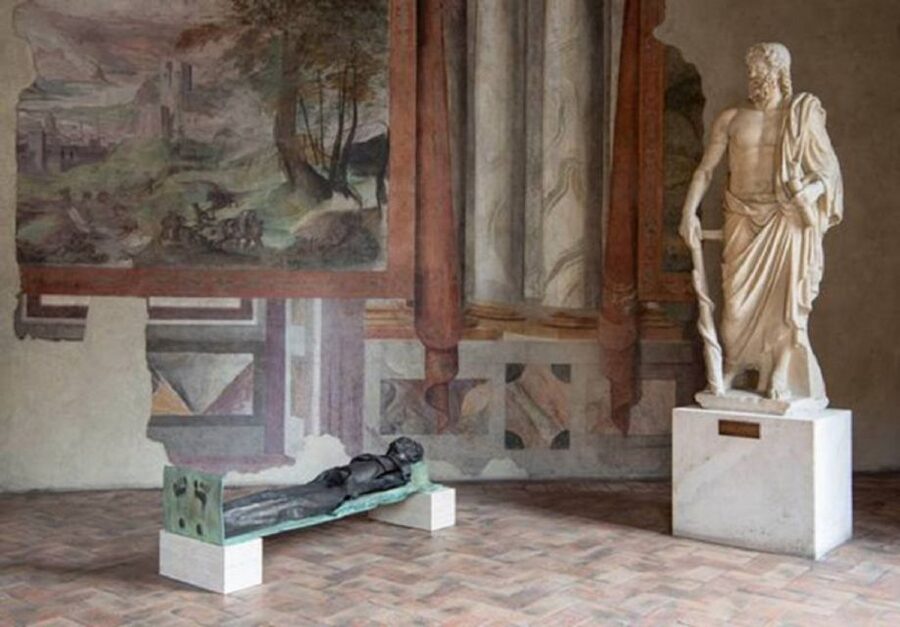
The heart of the tour is the National Roman Museum at Palazzo Massimo alle Terme. You get a guided visit here for about 75 minutes, with some time for photos and walking through the galleries at a human pace. This is where the tour’s promise becomes real: “where is all the precious art gone?” It is not in your camera roll. It is here, presented with enough context that the objects feel like messages.
One of the standout attractions is the chance to see specific famous works connected to Roman identity and Greek influence. Two that your guide may highlight are Myron’s Discus Thrower and the Old Boxer. Even if you have seen pictures before, seeing them in person changes the impact. Sculpture is not just decoration, it is a statement about ideals, athletic culture, and what an empire chose to value.
You may also spend time with wall art and decorative scenes, including richly painted frescoes from the Garden Villa of Empress Livia. Frescoes do not just look pretty. They show you how elite life was staged, how gardens and mythological or symbolic scenes created an atmosphere of refinement and control.
Expect mosaics and tomb-related material as well. That mix is important because it balances Rome as a world of public spectacle with Rome as a world of private belief, commemoration, and daily aesthetics.
Underground walks and places of worship: how the Diocletian route adds quiet drama
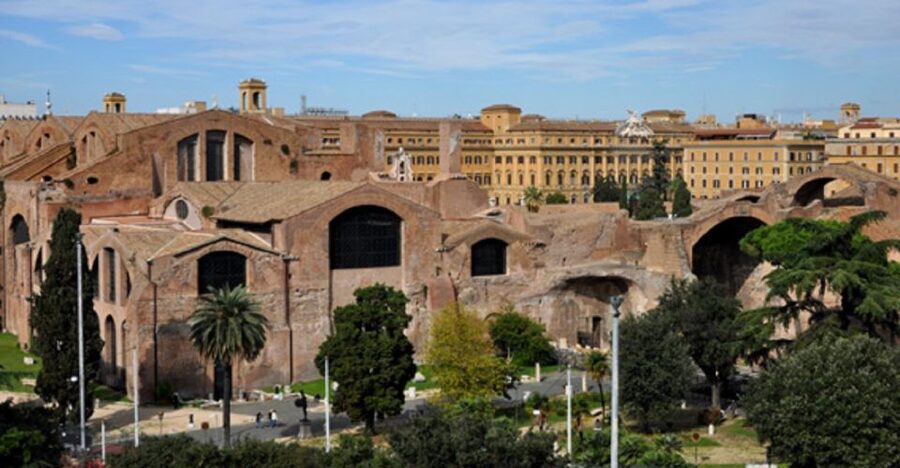
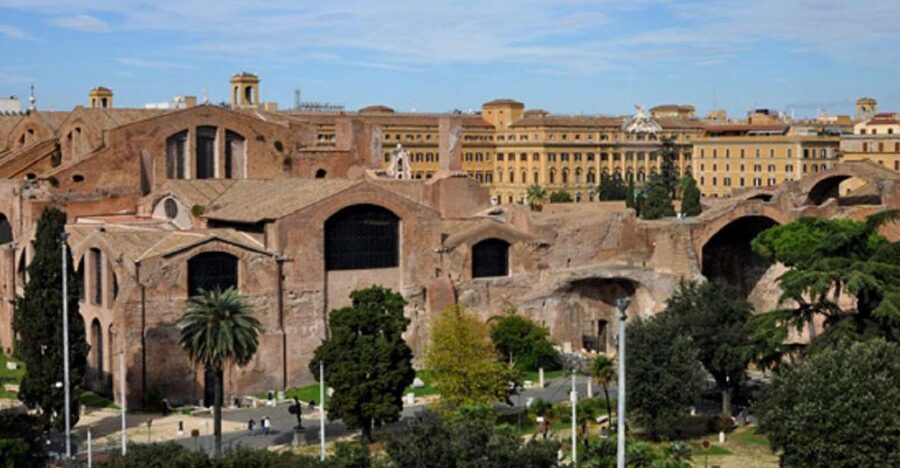
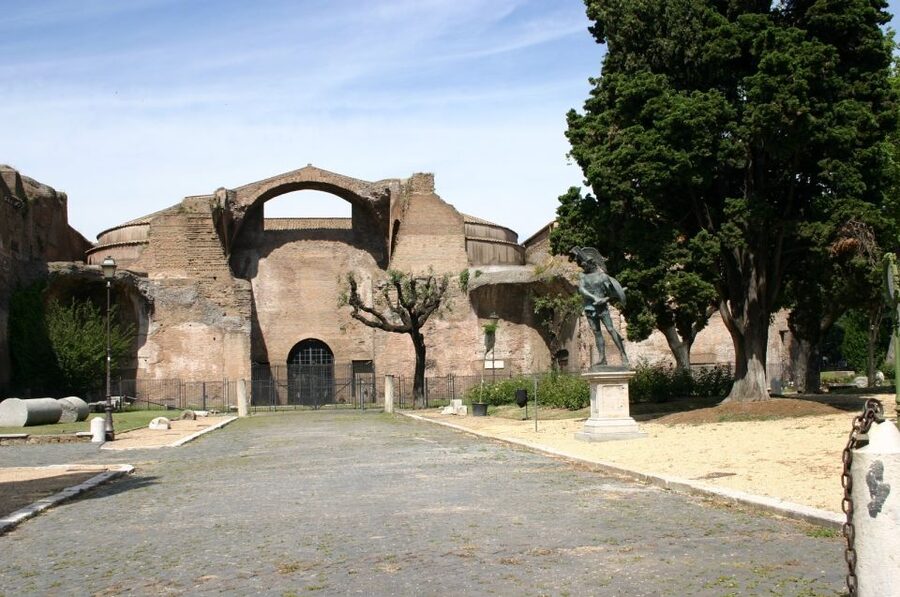
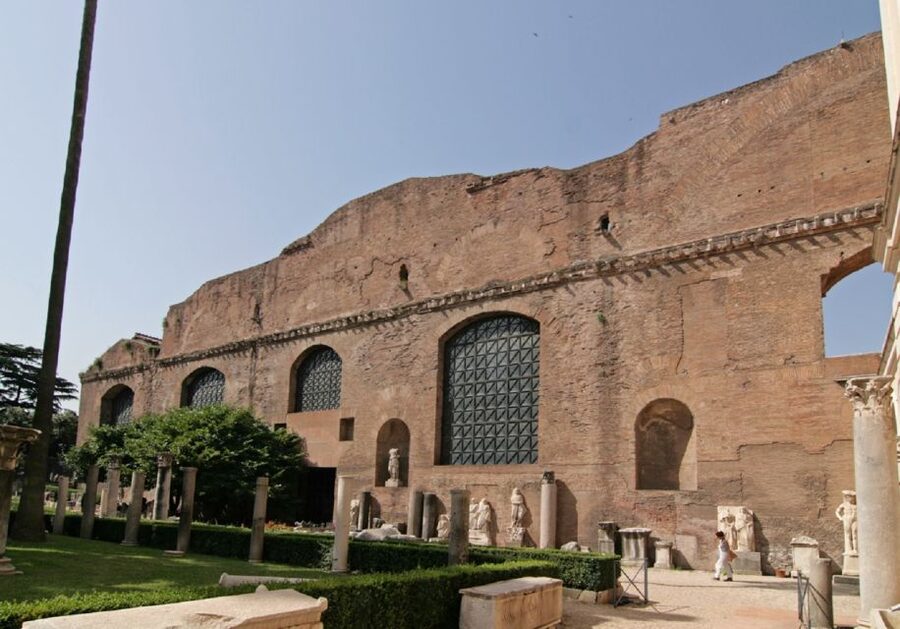
From the museum, you move into the Baths of Diocletian area, a walk-and-tour stop that lasts around an hour. This is where the tour becomes more atmospheric. The highlight is walking spaces connected to Roman thermal life, then moving through settings that feel calmer than the street.
A key detail to picture before you go: you will stroll in an evergreen wood once belonging to the Thermal Baths of Diocletian. That image matters, because it helps you understand the site as a living complex, not just a set of stone ruins. You are literally moving through a place shaped by centuries of reuse.
You will also learn about the courtyard, restored by Michelangelo. Even without a lot of architectural knowledge, you can appreciate the shift. Michelangelo did not “replace” Rome, he reworked a space so it could hold a new kind of meaning. It is the kind of detail that makes your mental map clearer, because it links Roman engineering to later Renaissance visions.
The tour also includes walking in underground areas and visiting places of worship. That combination makes the Baths stop more than a scenic break. It becomes a story about how Romans built for body and community, and how later generations kept using the space for spiritual and cultural life.
Same city, a completely different kind of day:
- Vatican Museums & Sistine Chapel Tour with Optional Basilica
★ 4.3 · 67,413 reviews - Vatican Museums, Sistine Chapel & St Peter’s Basilica Guided Tour
★ 4.5 · 39,149 reviews - Rome: Colosseum, Palatine Hill and Roman Forum Guided Tour
★ 4.8 · 32,814 reviews - Rome: Guided Tour of Colosseum, Roman Forum & Palatine Hill
★ 4.7 · 27,897 reviews
Santa Maria degli Angeli and the 17th-century planetary sundial
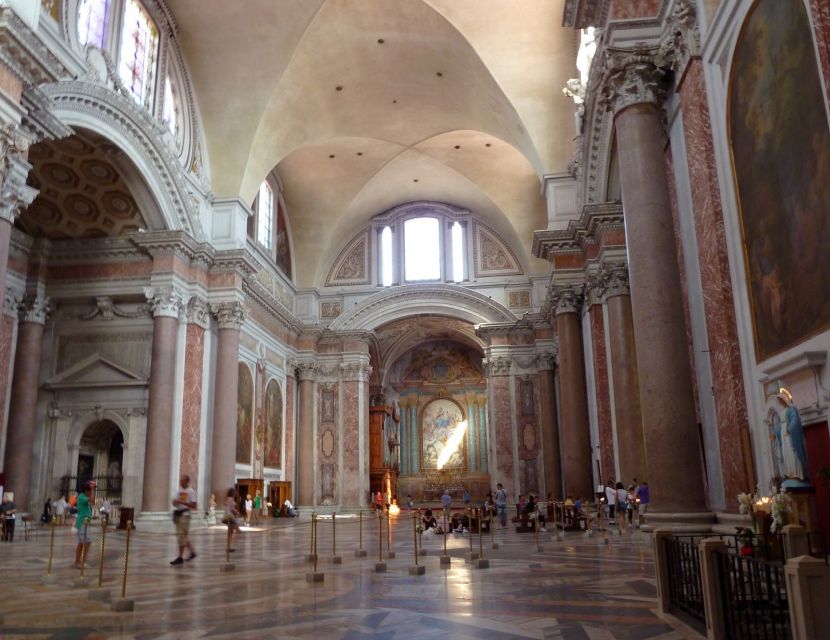
The final major stop is the Basilica of Santa Maria degli Angeli, with about 45 minutes here and guided explanation. If the museum is about art, and the baths area is about space and continuity, the basilica portion is where the tour adds science.
The tour centers on a planetary sundial built by 17th-century astronomers for the Pope. The idea is practical and oddly beautiful: to calculate the perfect sequence of day and night throughout the seasons. You are not just seeing an object behind glass. You are connecting astronomy to daily life and religious timing, which is how a lot of science worked in Europe before modern calendars took over.
This is also a great moment to slow down and ask yourself what you are seeing. A sundial is not just a clock. It is a tool shaped by the sky, by the calendar, and by the need to make time predictable. In Rome, that connection between the heavens and the church calendar feels very real.
Do not forget the dress code here either. Plan to have shoulders covered and legs covered. If you are unsure what you count as “covered enough,” choose a light layer that you can put on quickly.
How the 3 hours are paced, and what you should plan for
This is a half-day experience that runs for about 3 hours. The timing matters because it affects how much energy you will have left for Rome afterward. The tour is built around four stops in sequence, and you will do both guided listening and active walking.
The best part of this pacing is that it avoids the “museum marathon” feeling. You get a focused hit of Palazzo Massimo alle Terme, then you move outdoors to the Baths of Diocletian area, then finish back with the basilica. That rhythm helps you stay alert, especially if you visit in the morning and want the rest of the day for neighborhoods or gelato.
One practical note: the tour operates in all weathers. That means you should bring what you need for your day, rain gear if storms are possible, and sunglasses if the sun is out. Comfortable shoes are non-negotiable. You are walking enough that you will feel it by the end if your footwear is wrong.
Price and value: what you pay for, and why it can be fair
The price is $167.66 per person for a 3-hour guided experience. That number can feel steep if you only compare it to buying a museum ticket. But this tour includes entrance tickets to the museum and a professional guide time that covers three main sites plus the basilica visits.
Also, the tour is built around guided interpretation, not just access. You are paying for someone to connect sculpture like Discus Thrower and the Old Boxer to how Romans thought, how they adopted and adapted Greek ideals, and how imperial life shows up in frescos and decorative material. You are paying for the ability to stand in front of objects and understand why they matter.
Hotel pickup and drop-off are not included. So factor in how you will get to the starting basilica. If you are already near the area, the price tends to feel more reasonable. If you must travel far, transportation costs can change the overall value.
Bottom line: if you want a guided route that saves you from wandering without context, this price can make sense. If you prefer total self-guided freedom and you already know what you want to look for, you might prefer a museum ticket plus audio guide instead.
What to bring, what to wear, and what to expect on your feet
Bring comfortable shoes, sunglasses, and a camera. That is the practical checklist. I’d add one more habit: pack a light layer for basilica entry and for temperature swings in outdoor parts of the Baths area. Weather can change your comfort level quickly.
Wear clothing that follows the basilica rule at Santa Maria degli Angeli. Shorts and miniskirts are not allowed, and your shoulders must be covered. If you are traveling with a bag and you plan to enter and exit, make it easy on yourself and wear the right thing in the first place.
Finally, take note of the fitness and mobility limitations. This tour is not suitable for people with mobility impairments and not suitable for wheelchair users. Even if you feel capable on paper, the mix of walking and site layouts means it could be stressful if you need step-free routes.
Who this tour is best for, and who should choose something else
This is a smart choice for you if Rome is your first time and you want a smoother, less overwhelming experience. You will like it if you care about art and want it explained, and if you enjoy seeing Rome as both a place of belief and a place of technical thinking, like the planetary sundial.
You might also like it if you are tired of the same sightseeing circuit. The tour leans into museum masterpieces and Roman life rather than only monument crowds. The praise for guides like Mohammed and Fabio points to good pacing and clear context, which is a big deal when you are choosing a short tour.
If you already have strong plans to focus on the Colosseum area only, this could feel like a detour. Still, it can complement your trip nicely by giving you the art context that the big monuments often cannot.
And if you need wheelchair access or step-free routing, skip this one based on the provided limitations. Choose something built for your mobility needs instead.
Should you book Rome: A Journey Back in Time to the Roman Era, Half Day Tour?
Book this tour if you want Rome in three hours with less chaos and more meaning. You will get a guided look at top Roman art in the National Roman Museum, a walk through Diocletian’s Baths spaces with Michelangelo’s restored courtyard in the mix, and a finish at Santa Maria degli Angeli where a 17th-century planetary sundial connects astronomy to the church calendar.
You should also book it if you value guide quality. The reviews highlight that guides take their time and bring passion to Roman and Hellenic history, which is exactly what you need for museums and sculptures. With a 4.7 rating, it is a safe bet for a short, high-impact day.
Skip it if you want a purely outdoor, major-monument focus, or if your mobility needs are not compatible with a walking route and basilica entry rules. Otherwise, this is an efficient way to experience Rome’s brain as well as its stones.
FAQ
How long is the Rome Journey Back in Time tour?
The tour lasts about 3 hours.
Where does the tour visit?
You visit the Basilica of Saint Mary of the Angels and Martyrs, the National Roman Museum at Palazzo Massimo alle Terme, the Baths of Diocletian, and the Basilica of Santa Maria degli Angeli.
Are entrance tickets included?
Yes. Entrance tickets to the museum are included.
Does the tour include hotel pickup and drop-off?
No. Hotel pickup and drop-off are not included.
What languages are offered for the guide?
The live guide is available in English and Italian.
Does the tour run in bad weather?
Yes. The tour operates in all weathers.
What should I wear for the Basilica of Santa Maria degli Angeli?
You need appropriate clothing. Shorts, miniskirts, and uncovered shoulders are not allowed.
Is the tour suitable for wheelchair users or people with mobility impairments?
No. It is not suitable for people with mobility impairments and not suitable for wheelchair users.
What is the cancellation policy?
You can cancel up to 24 hours in advance for a full refund.
Recently reviewed around Rome
- Rome: Castelli Romani Hop-on and Hop-off Tour★ 4.9 · 32 reviews
- Rome: Food Tour near Vatican City with Wine★ 4.8 · 100 reviews
- Rome: Scavenger Hunt Self-Guided Tour★ 4.6 · 15 reviews
- Hidden Rome: Small Group E-Bike Tour with Street Food Stops★ 4.9 · 144 reviews
- Rome: Highlights Tour in Golf Cart★ 4.9 · 28 reviews
- Rome: Hop-on Hop-off Bus Tour and Colosseum Experience★ 3.4 · 163 reviews
- Rome: Guided Haunted Rome Ghost Tour with Dowsing Rods★ 4.8 · 63 reviews
- Rome: Highlights Photo Shoot for Memorable Moments★ 5.0 · 32 reviews
Day Trips from Rome, compared.
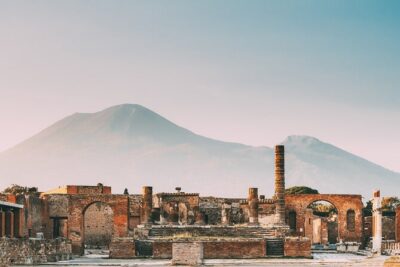
Pompeii, Amalfi Coast and Positano Day Trip from Rome
Read our review →
Pompeii and Mount Vesuvius Day Trip from Rome with Pizza Lunch
Read our review →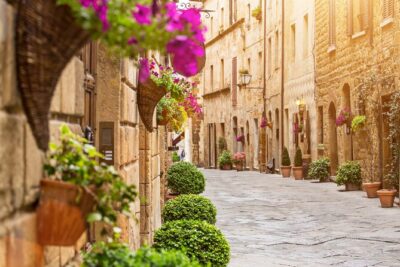
Tuscany & Montepulciano Day Trip with Lunch & Wine Tasting
Read our review →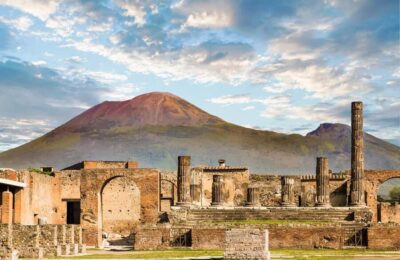
Pompeii Day Trip with Optional Vesuvius and Lunch
Read our review →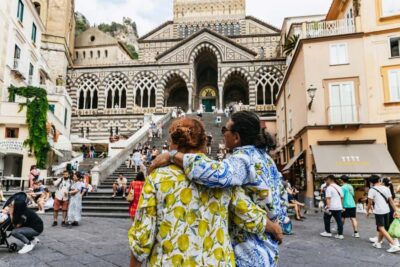
Amalfi Coast & Positano Day Trip with Coastal Cruise
Read our review →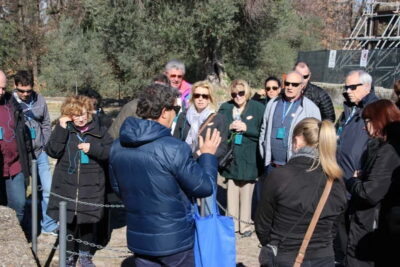
Villa D’Este and Hadrian’s Villa Tivoli Day Tour
Read our review →Browse the lists this tour appears in