
Reviewed · GLADIATOR EXPERIENCES
From Gladiators to Emperors: Colosseum & Ancient Rome Guided Tour
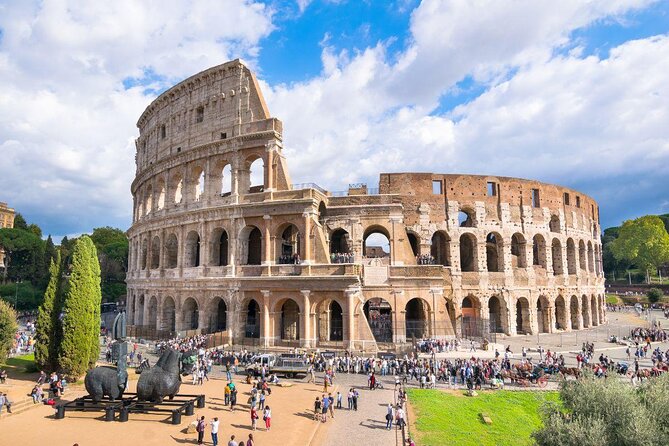
This tour is interesting because it hits the biggest Ancient Rome icons in one focused walk, so you do not burn half your day figuring out where to go next. I like that tickets are built in for the Colosseum, Roman Forum, and Palatine Hill, and I also like the headset setup, which helps when the crowd noise is high. You get the story behind gladiators, senators, and the imperial palaces without turning your vacation into a scavenger hunt.
The main consideration is also the most important one: you have to get your names and ID exactly right for Colosseum and Roman Forum entry. If your booking name does not match the passport or ID you show, you could run into serious entry problems, and a few bad logistics stories in the wild are a reminder to arrive a little early and stay close to your guide.
Key highlights at a glance
- Colosseum plus Roman Forum plus Palatine Hill in about 3 hours
- Entrance tickets and the Colosseum reservation fee included
- Small group size (maximum 20) with an official local guide
- Headset provided, helpful in crowded ruins
- English tour option
- Meeting at the Arch of Constantine, easy to find if you arrive on time
Why this 3-site Ancient Rome tour makes sense when time is tight
If you have one priority in Rome, it is often the Colosseum. If you have two priorities, it is usually the Colosseum and everything around it, meaning the Roman Forum and Palatine Hill. This tour packages all three into one guided format, so you can spend your energy on understanding what you are seeing, not on route planning and ticket math.
You are paying $62.48 per person for a reason. The ticket value alone is listed at €18 per person, and the Colosseum reservation fee is €2 per person. The rest of the price covers the live guide, the headset, and the fact that someone is coordinating the flow between sites. For first-timers, that is often the best deal you can get because Rome rewards momentum, and time in the ticket lines can be unpredictable.
I also like that the tour is sold in English and runs for about 3 hours. That is a sweet spot. Long enough to get meaning from the ruins, short enough that you can still do other things later in the day.
More gladiator experiences in Rome:
- Rome: Colosseum Tour with Access to the Gladiator Arena
★ 4.3 · 6,690 reviews - Gladiator’s Gate: Special Access Colosseum Tour with Arena Floor
★ 4.5 · 4,037 reviews - Roman Gladiator School: Learn How to Become a Gladiator
★ 4.5 · 1,477 reviews
Meeting point at Arch of Constantine, and the name-on-ticket rule
You meet at the Arch of Constantine in Piazza del Colosseo (00184 Rome). The tour ends back at the same meeting point, which is convenient if you want to grab food or hop on public transportation afterward.
Now for the practical part that matters for entry: you must provide the full names of all travelers when booking. For successful entry to the Colosseum and Roman Forum, each person must present a valid passport or ID document that matches the name used at booking. If the name on your reservation does not line up with your ID, do not count on good luck. With sites like these, staff do not improvise.
A few real-world hiccups show up in the feedback, especially around people having trouble finding the guide or having ticket issues for the wrong name. My advice is simple and boring, which is exactly what you want on a high-stakes morning like this:
- Arrive a bit early at the Arch of Constantine.
- Have your ID ready.
- Keep your group pace and do not wander far while you are on the clock.
Entering the Colosseum with a guided story, not just a big building
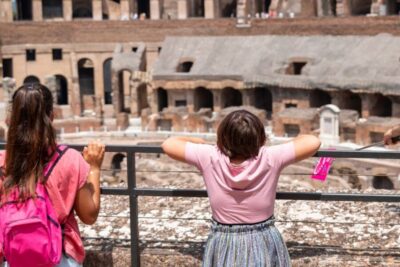
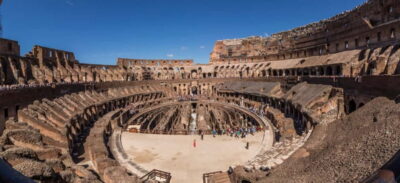
The Colosseum stop runs about 1 hour, and admission is included. The Colosseum is not just impressive because it is large. It is impressive because it is readable. With a guide, you start to connect the shape of the seating to crowd movement, and you understand why gladiators and spectacle were not random entertainment, they were political theater.
As you walk inside the amphitheater space, listen for what your guide emphasizes. Some guides focus on how the show worked, others focus on the symbolism of the empire showing off power through public games. Either way, the goal is the same: you should leave with more than photos. You should be able to look at the tiers and arches and say, I get what I am looking at.
What I appreciate here is the reservation piece. Even if you still face crowds, reservations and organized entry usually help you avoid the worst start-of-day chaos. And since you are not paying extra on-site just for entry, you are not stuck juggling additional ticket purchases while the line grows.
One note from practical experience with large attractions: headsets are helpful, but only if the audio works. If you cannot hear clearly, ask for help right away rather than waiting until you are frustrated. In a few cases, people reported audio problems, so do not assume it will fix itself.
Roman Forum, where the ruins explain the real job of government
Next you head to the Roman Forum for about 45 minutes. This is the part where the “wow” turns into “oh, that is how Rome ran.”
The Forum Romanum started as a central public space tied to daily commerce, then evolved into the main stage for Roman political, religious, and social life. When you stand among the remains, it is easy to see broken stones and think you need a textbook to connect them. A guided pass is the shortcut.
Here are the types of landmarks your guide will help you notice:
- The Senate House, called the Curia
- Temples tied to Saturn and Vesta
- Basilica Julia
- The Rostra, the platform for public speeches
- The Arch of Septimius Severus
- Other government buildings and ceremonial sites that ring the area
The value of a guided Forum stop is that you learn what each space was for, so the ruins stop looking random. You also get a sense of how public life worked in the Republic and the Empire. If you like seeing power made physical, the Forum is the place where that clicks.
The drawback to consider is that this area can feel more “architectural” than emotional. If you want intense drama, the Forum will feel calmer than the Colosseum. But if you want understanding, this is where it happens, fast.
More ways to see the Colosseum:
- Rome: Colosseum, Palatine Hill and Roman Forum Guided Tour
★ 4.8 · 32,814 reviews - Rome: Guided Tour of Colosseum, Roman Forum & Palatine Hill
★ 4.7 · 27,897 reviews - Rome: Colosseum & Forum with Audio Guide App -Optional Arena
★ 4.2 · 24,770 reviews - Rome: Colosseum, Roman Forum and Palatine Hill Guided Tour
★ 4.5 · 23,903 reviews
Palatine Hill, myth, emperors, and the best viewpoints
Your final main stop is Palatine Hill for about 45 minutes. Palatine sits roughly 40 meters above the Roman Forum, and the height matters because it changes how you perceive the city. From the hilltop, you can see the Forum below and get a clearer idea of how close everything was, how Rome’s center was literally stacked and layered.
Palatine is tied to Roman mythology, including the legend that Romulus founded Rome there in 753 BCE. Then the site becomes about the people who shaped power later, especially the imperial era. You will see references to major archaeological remains, including the imperial palaces such as:
- The House of Augustus
- The House of Livia
This is also one of the best spots on this route for photos that feel like context, not just monuments. If you enjoy panoramas, you get that “now I understand the layout” feeling, especially when you look down toward the Forum and the surrounding major spaces.
The practical consideration is walking and terrain. Even though your time here is limited, Palatine can include uneven ground and some slopes. Wear shoes you can trust. You will thank yourself.
Guides, headsets, and why the group size matters
This tour is capped at 20 travelers, which is a big deal for three ruins packed into a small geographic area. Small groups mean fewer herding problems, and they also mean your guide can answer questions without the tour turning into a silent procession.
You also get an official local guide and a headset. I like when a guide can explain what you are seeing at the pace of the group, not the pace of the schedule. The best guided moments tend to come when you can ask one simple question and get an answer that makes the stones click.
From the guide styles you might encounter, names showing up in feedback include Paola, Francesco, Olga, and Victoria. The consistent theme in positive notes is that these guides kept people engaged even on tougher days like rainy weather, and they helped visitors leave with more understanding than they arrived with. That matters, because ruins can feel flat until someone puts them into a human story.
One thing I would watch for is staying close. A few negative stories mention group coordination issues, like people waiting or missing the guide handoff. You can reduce that risk by keeping your eyes on the guide and not assuming there will be a long pause to regroup. If you need a restroom break, plan it early.
Pacing, timing, and how to get the most from the 3-hour format
The itinerary runs about 3 hours total, split across:
- Colosseum: about 1 hour
- Roman Forum: about 45 minutes
- Palatine Hill: about 45 minutes
That is quick, but it is not random. The order makes sense: Colosseum gives you drama and spectacle, the Forum gives you politics and religion, and Palatine ties it together with the imperial viewpoint.
If you are the type who likes to read every label, you might feel a little rushed. This is not a museum crawl. It is a guided circuit. The payoff is that you get the “big picture” quickly, which helps you enjoy Rome even if you come back later for a slower look.
Also plan your energy. You are walking through outdoor sites. Even if the weather is fine, Rome sun and stone can be draining. Bring water, and consider a light layer that you can adjust as the temperature shifts.
Is $62.48 good value for this Rome loop?
Value depends on what you hate most when you travel: ticket lines, planning, or confusion. If you hate planning, this tour is built for you. Tickets for the three sites are included, the guide does the sequencing, and the headset keeps you from straining to hear in noisy areas.
If you do not hate planning and you like self-guided wandering, you could technically do this on your own. But then you would be doing three separate ticket decisions, plus navigation between sites. In a city where timelines shift, guided organization is often worth the money.
One more value angle: this tour is booked about 65 days in advance on average, which is a sign it is popular for a reason. That popularity usually comes from people wanting an efficient intro to Rome’s core landmarks without spending their first day trying to figure everything out.
Who should book this tour, and who might prefer something else
I would book this if:
- You are in Rome for the first time or you only have limited time.
- You want a fast path to the main UNESCO sites in the historic center.
- You prefer a guide who connects ruins to real stories.
- You like the idea of a small group (maximum 20) with headsets.
I might skip it if:
- You want a completely self-paced experience with long, quiet stops.
- You are sensitive to crowd noise, since these three locations can get busy.
- You are worried about logistics around name matching, because Colosseum and Roman Forum entry depend on it.
If you do book, the best move is to treat it like an appointment. Be at the Arch of Constantine on time, bring your ID, and keep close to your guide. That turns a potentially stressful day into a smooth one.
Should you book From Gladiators to Emperors?
Yes, I think it is worth booking if you want a guided, efficient overview of Rome’s most famous ancient sites. The biggest strengths are practical: tickets included, a small group, an official guide, and a route that makes the Colosseum, Roman Forum, and Palatine Hill feel connected rather than three separate stops.
Just be serious about the details that control entry. Double-check your full names, bring matching ID, and arrive early at the Arch of Constantine. Do that, and you will likely come away with a much clearer picture of what you saw, not just a stack of impressive photos.
FAQ
Where is the meeting point for the tour?
You start at the Arch of Constantine in Piazza del Colosseo, 00184 Rome, Italy.
How long does the guided tour take?
The tour is about 3 hours.
Is the tour offered in English?
Yes. This tour is offered in English.
What entrance fees are included?
The entrance ticket for the Colosseum, Roman Forum, and Palatine Hill is included, along with the Colosseum reservation fee.
What do I need to bring for entry?
You need a valid passport or ID document, and the name on the document must match the name provided at booking.
How large is the group?
This tour has a maximum of 20 travelers.
Can I cancel for a refund?
You can cancel up to 10 days in advance for a full refund. If you cancel less than 10 days before, the amount paid is not refunded.
Recently reviewed around Rome
- Ancient Etruscan Civilization Tour from Rome★ 5.0 · 16 reviews
- Colosseum with Arena Floor Express Guided Tour★ 3.5 · 22 reviews
- Private Tour – Ancient Ostia★ 5.0 · 42 reviews
- Ancient Appian Way and Roman Countryside E-Bike Tour★ 4.5 · 13 reviews
- PRIVATE Appian Way and Lake Albano Ebike Tour with Italian Lunch★ 5.0 · 12 reviews
- Ancient Appian Way PRIVATE Bike Tour★ 5.0 · 89 reviews
- Catacombs and Hidden Underground Rome: Small Group Max 6 People★ 5.0 · 293 reviews
- Amalfi Coast Day Trip from Rome by High-Speed Train★ 4.5 · 162 reviews
Gladiator Experiences, compared.
Colosseum Tour with Access to the Gladiator Arena
Read our review →
Gladiator’s Gate: Special Access Colosseum Tour with Arena Floor
Read our review →
Roman Gladiator School: Learn How to Become a Gladiator
Read our review →
Gladiator’s Gate and Arena Special Colosseum Access
Read our review →
Colosseum Gladiator’s Arena and Roman Forum Tour
Read our review →Browse the lists this tour appears in