
Reviewed · WALKING TOURS
Fountains and Squares of Rome 2-Hour Walking Tour
This 2-hour walking tour is interesting because it stitches together some of Rome’s most dramatic water features with a quick hit of top-tier landmarks, so you feel like you are moving through the city’s big artistic eras in one compact loop. I especially like how fountains are treated as storytelling devices, not just photo stops, and I also like that you end up at the Pantheon to see the non-reinforced concrete dome for yourself.
The main drawback is simple: it is a lot to pack into a short time, and at peak hours the streets can feel busy, so you need comfortable shoes and a flexible attitude.
You get a small-group format, and the guides listed for this tour include Felice, Federica, and Luisa, who are praised for pacing and for adapting to different groups, including families and older walkers. One consideration is price, because at $74 per person you should decide you are buying guided context and a tight route, not just ticking off sights.
Key things I’d zero in on
- Half-sunken ship at Piazza di Spagna (Fontana della Barcaccia) right at the base of the famous Spanish Steps
- Trevi Fountain coin ritual with a useful backdrop at Palazzo Poli so you understand what you are seeing
- Pantheon interior, the huge dome built in a way that still turns heads today
- Piazza Navona on Stadium of Domitian ground plus Bernini’s Fontana dei Quattro Fiumi
- Campo de’ Fiori’s shift from market to executions, anchored by the bronze statue of Giordano Bruno
- Guides who keep the walk workable, with examples of patience for slower groups and help if rain shows up at the end
Starting in Piazza Barberini, and why this route works
Most fountain tours either stay in one neighborhood or wander too long. This one is built as a straight line of classic set pieces: Piazza Barberini, then Piazza di Spagna, Trevi, the Pantheon, Piazza Navona, and finally Campo de’ Fiori. In two hours, you get a strong snapshot of Rome’s Baroque flair and Renaissance and ancient backbone without spending your whole day zigzagging across town.
I like that the meeting point is clear, with the guide waiting in front of the fountain in Piazza Barberini. You do not have hotel pickup or drop-off, so you will want to plan to reach the meeting spot on your own and arrive a few minutes early to avoid feeling rushed.
More walking tours in Rome:
- Rome: Trastevere & Campo de Fiori Street Food Walking Tour
★ 4.9 · 2,768 reviews - Rome: Paranormal Night Walking Tour & Secret Backstreets
★ 4.9 · 1,921 reviews - Rome by Night Walking Tour – Legends & Criminal Stories
★ 4.5 · 1,003 reviews
Piazza Barberini to Piazza di Spagna: the Spanish Steps context, then the half-sunken ship
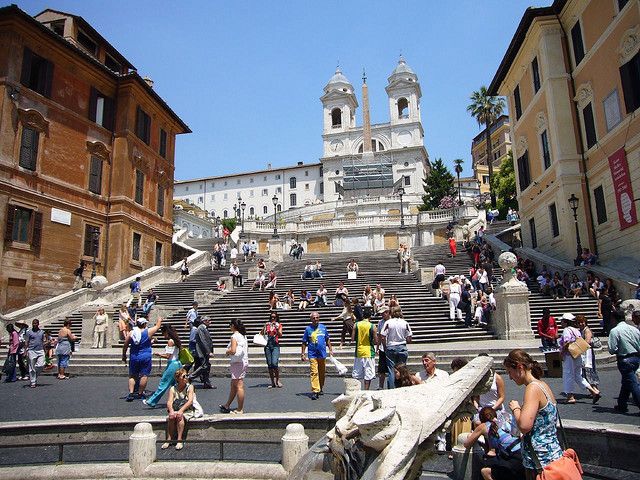
The tour kicks off at Piazza Barberini, and then you head toward the Spanish Steps area. At the base, you find Piazza di Spagna, where the famous 135 steps link the historic Bourbon Spanish Embassy with the Trinità dei Monti church. You also get architectural names in the mix, including Francesco de Sanctis and Alessandro Specchi, which helps you place the steps as more than a famous staircase you have seen in photos.
Then comes Fontana della Barcaccia, a Baroque fountain designed to look like a half-sunken ship. It is a great stop for a walking tour because it is visually playful and easy to understand once someone gives you the story behind the “ship” idea. Even if you are not a fountain person, this is the kind of detail that makes your brain click, because you can see the concept instantly.
If you are traveling with kids or anyone who prefers flatter walking, this section is also manageable because you are focused on the base area and key viewing points. Just remember the whole area can be crowded, so keep an eye on your footing near curbs and uneven stone.
Trevi Fountain in context: throw the coin, then look again
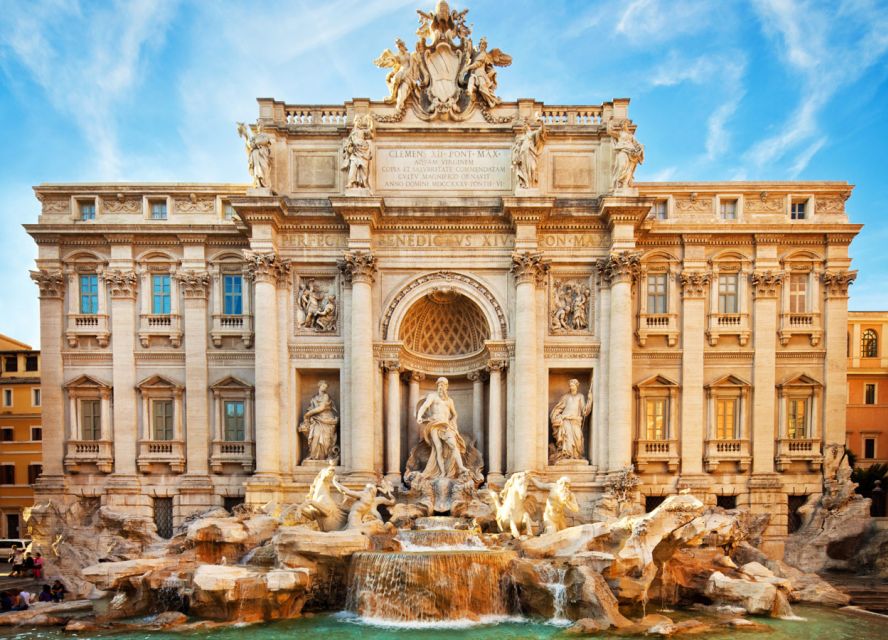
From Piazza di Spagna, you continue to the Trevi district, where Rome’s most famous fountain waits: the Trevi Fountain itself. The setting matters here. The fountain sits with Palazzo Poli behind it, so the scene reads as a grand city stage, not a lone monument.
You will also do the famous coin ritual. Tossing a coin into the water is a tradition meant to help you return one day, and the guide’s job is to turn that quick act into a small moment with meaning. I like that the tour does not just tell you what to do, it gives you reasons you can remember later when you look at your photos.
The only downside at Trevi is time and crowd energy. This is a must-see stop, so you will likely be photographing with other people nearby. To make it feel less chaotic, keep your expectations realistic: you are not trying to “beat” the crowd, you are using the guide’s timing and explanations to slow yourself down for a few minutes.
Pantheon: walking from fountains into ancient scale (and that dome)
After Trevi, the tour heads toward the Pantheon. This is where your walking tour gets serious in a satisfying way, because the Pantheon is one of the best preserved monuments from Ancient Rome. The dedication is tied to the Olympian gods, and that helps you understand why the space feels built for civic and religious life at the same time.
Once inside, you get the wow factor: the world’s largest non-reinforced concrete dome. Even if you have seen pictures, seeing the interior proportions in person changes the experience. It is not just an architectural fact, it also explains why people keep returning to this building across centuries.
One practical note: the Pantheon interior is a popular stop, so expect a mix of tour groups and independent visitors. If you like your sightseeing with breathing room, this is still worth it, but you may want to keep your eyes on your guide and not on exploring too far ahead.
A few more Rome tours worth comparing
- Vatican Museums & Sistine Chapel Express 2-Hour Guided Tour
★ 4.5 · 1,037 reviews - Rome: 2-Hour Gladiator School
★ 4.7 · 630 reviews - Rome: 2-Hour Golf Cart Sightseeing Tour at Night
★ 5.0 · 124 reviews - Rome: 2-Hour Vip Tuk-tuk tour with Hotel Pickup and Prosecco
★ 5.0 · 92 reviews
Piazza Navona on the site of an ancient stadium, plus Bernini’s Four Rivers
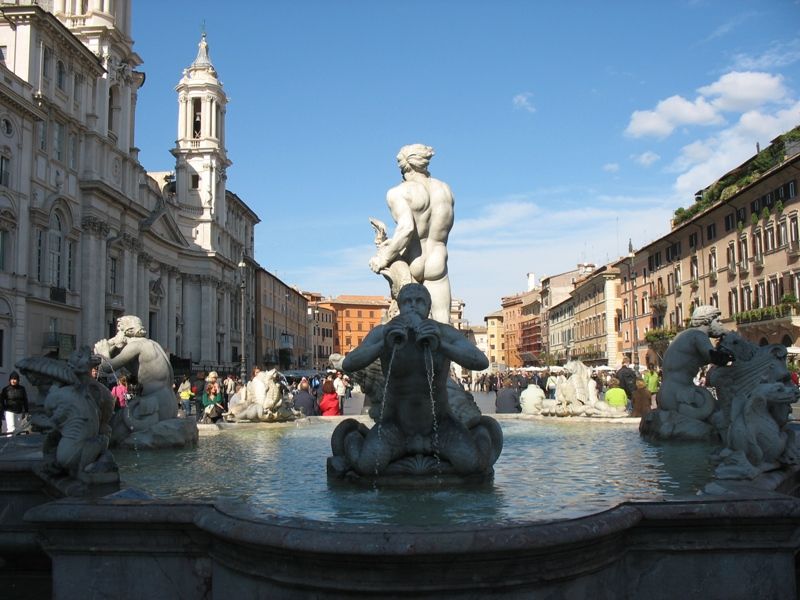
Next up is Piazza Navona, one of Rome’s most Baroque squares. Here’s the key detail that turns the square from pretty to meaningful: Piazza Navona was built on the site of the Stadium of Domitian. That means you are standing in a spot that has hosted gatherings in different forms for a very long time, so the modern square has a physical memory.
Among the square’s highlights is Bernini’s Fontana dei Quattro Fiumi, the Fountain of the Four Rivers. This is a strong stop for a walking tour because it gives you a “readable” monument. You can look at the sculpture and fountain design and then understand it more deeply once your guide connects it to the Baroque habit of using art to communicate power, geography, and symbolism.
This is also a good section for people who like a balance of art and walking. You are not asked to climb a ton or stare at your phone for directions. The square naturally gives you a place to pause, look up, and take in the drama.
Campo de’ Fiori: market square energy, then a darker chapter
The tour ends at Campo de’ Fiori, also called the Field of Flowers, and that name sets up an interesting contrast. This square used to be a medieval market, and it later became a place where public executions took place. That shift in what the space represents is the kind of story that makes Rome feel real, not just ornamental.
In the center, you see a bronze statue of Giordano Bruno. He was burned at the stake for heresy in 1600. It is a heavy end to a tour that starts with playful fountains, and that contrast is part of what makes the route memorable. You finish not just with pretty images, but with an understanding that Rome’s public spaces carried real stakes.
If you are hoping to grab a snack right after, this is an ideal area to pause. You will be close to the energy of the neighborhood, and you can keep your day going at your own pace.
What makes this tour feel better than a generic “fountains only” walk
A lot of short walking tours hit the same top sights. This one feels more useful because it teaches you how to look. The route moves from one major fountain to another, then pushes you into the Pantheon so you can compare different styles and time periods in a single afternoon.
The guides listed for this tour are also a big part of the value. Felice is mentioned as great and especially good at tailoring the experience to kids and family interests. Federica is praised for being friendly, patient, and for walking at a pace that worked even for an older group that could not walk much. Luisa is described as prepared and supportive, with guide techniques that make hard-to-remember details feel easier to absorb.
I also love the practical kindness that shows up in real situations. One guide helped find a cab back to a hotel when rain started right as the tour ended. That is not something you should count on, but it tells you something important about the crew running the tour: they focus on people, not just the itinerary.
Small-group pacing, and how to plan your own timing
The tour is listed as a small group and lasts two hours. That means you should expect a pace that includes walking between stops, short photo moments, and time for explanation. You will not have time to wander off-script and still get everything, so treat the guide like your speed control.
Comfort matters. The tour advises comfortable shoes, and I agree. Even when the route seems short on a map, Rome’s stone streets and tight corners can wear you out fast. If you want the best experience, wear shoes you can walk in confidently for a full city block plus some.
Also remember: the meeting point info is sent 24 hours before the tour. So once you book, keep an eye on your email and follow the updated details so you start stress-free.
Price and value: what $74 buys you in two hours
At $74 per person for a two-hour walking tour, you are paying for more than access. You are paying for a guide, a small group experience, and the specific order of stops that makes the stories easier to connect. You are also buying time savings. Instead of trying to figure out why Fontana della Barcaccia looks like a half-sunken ship or why Bernini’s Four Rivers belongs in Piazza Navona, you get those explanations right where you stand.
That said, one realistic check is this: some visitors compare prices with tours that include additional items like entrance tickets. This tour listing does not say anything about tickets being included, and it only lists the guide and small-group as included. So if you are comparing costs, make sure you compare like with like. You are getting strong guidance and a focused route, not a package where everything is handled for you.
In my view, the value works best if you:
- want a compact route that covers Trevi, Pantheon, and Piazza Navona without a full day of planning
- care about meaning behind the art and architecture, not just surface photos
- like moving with a guide who keeps the pacing comfortable for the group
Who this tour is best for, and who might want something else
This tour is a strong fit for first-time visitors who want the “big names” plus explanations. It is also a good choice for families, since guides are praised for tailoring to kids and family interests and keeping the walk workable.
It also makes sense for travelers who like mixing styles. You go from Baroque fountain theater to the ancient scale of the Pantheon, then back to Baroque sculpture in Piazza Navona, and finish with Campo de’ Fiori’s public square story.
You might consider another option if you are:
- trying to minimize walking at all costs
- hoping for a super slow pace with long independent exploration at each stop
- focused mostly on tickets and less on guided interpretation
Should you book the Fountains and Squares of Rome 2-hour walk?
If you want a tight, high-impact Rome introduction, I would book it. Two hours is short enough to keep your day moving, but the route is packed with places that make sense together: Spanish Steps and the half-sunken ship fountain, Trevi with its coin ritual, the Pantheon dome, Bernini in Piazza Navona, and the Campo de’ Fiori square with Giordano Bruno.
If you are price sensitive, compare what is included and what you already plan to visit on your own. But if guided context is your thing, and you want a route that helps you look at Rome more intelligently, this tour has the right mix. Reserve with confidence because it offers flexible booking options, and do yourself a favor by wearing comfortable shoes and showing up on time at Piazza Barberini.
Recently reviewed around Rome
- Rome: Castelli Romani Hop-on and Hop-off Tour★ 4.9 · 32 reviews
- Rome: Food Tour near Vatican City with Wine★ 4.8 · 100 reviews
- Rome: Scavenger Hunt Self-Guided Tour★ 4.6 · 15 reviews
- Hidden Rome: Small Group E-Bike Tour with Street Food Stops★ 4.9 · 144 reviews
- Rome: Highlights Tour in Golf Cart★ 4.9 · 28 reviews
- Rome: Hop-on Hop-off Bus Tour and Colosseum Experience★ 3.4 · 163 reviews
- Rome: Guided Haunted Rome Ghost Tour with Dowsing Rods★ 4.8 · 63 reviews
- Rome: Highlights Photo Shoot for Memorable Moments★ 5.0 · 32 reviews
Walking Tours, compared.
Trastevere & Campo de Fiori Street Food Walking Tour
Read our review →
Paranormal Night Walking Tour & Secret Backstreets
Read our review →
Rome by Night Walking Tour – Legends & Criminal Stories
Read our review →
Guided City Center Evening Sightseeing Walking Tour
Read our review →
Best of Rome Walking Tour including Trevi Fountain
Read our review →

Forbidden History Walking Tour & Pub Crawl with Drinks
Read our review →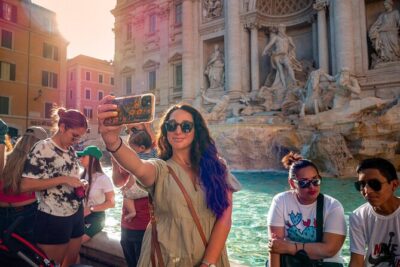
Guided Small Group Walking Tour of City Highlights
Read our review →Browse the lists this tour appears in