
Reviewed · CIVITAVECCHIA SHORE EXCURSIONS
Civitavecchia: Dining Experience at a Local’s Home
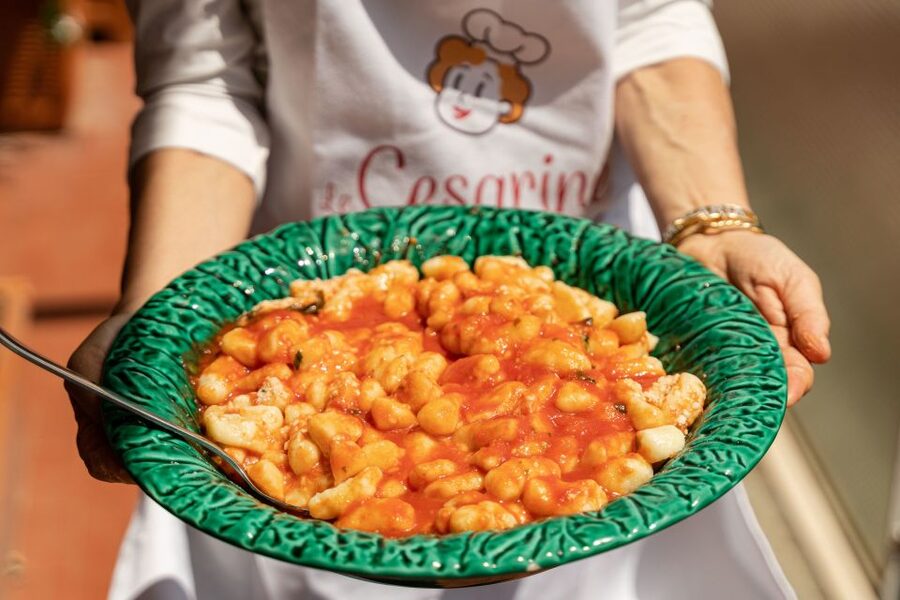
A private dinner in a real Civitavecchia home is interesting because you are not just eating Italian food, you are stepping into how families cook it day to day. The private cooking demonstration and family recipe table turn a meal into a hands-on lesson in Lazio-style comfort.
What I like most is the chance for genuine conversation, not a scripted experience. I also love that you get hands-on time (you are not stuck watching from the sidelines) and you end with a properly paced four-course menu at an authentic dining table.
One practical consideration: for privacy, you only get the exact address after booking. That can feel odd if you prefer to plan every minute ahead, but it is common for home-based experiences.
Key things to know before you go
- A true private group meal, so the pace and conversation can fit you.
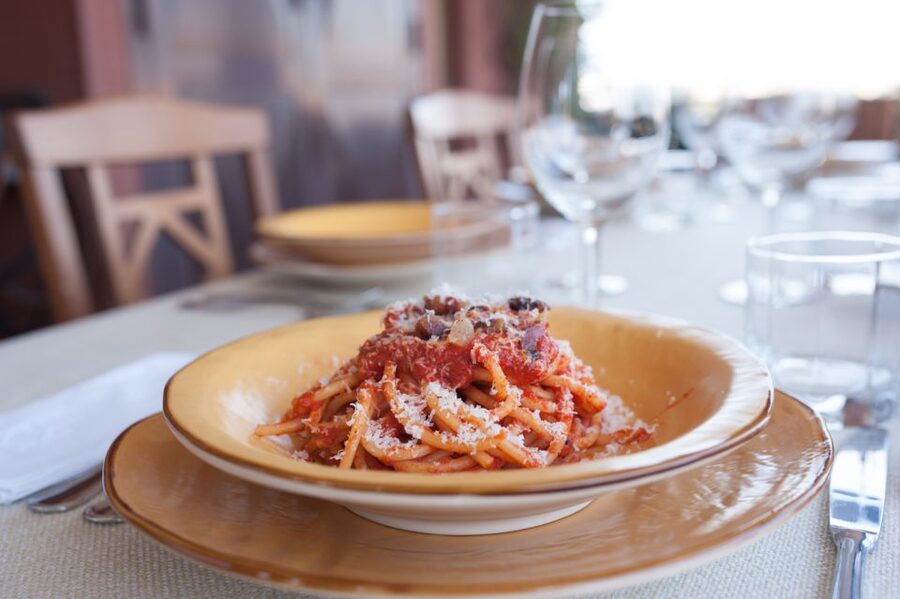
- Cooking demo plus a sit-down meal with a starter, pasta, main with side dish, and dessert.
- Beverages are included, with water, wine, and coffee during the experience.
- Hosts share family methods, and you might learn techniques used for generations (including pizza or fresh pasta in past classes).
- You may see garden-grown ingredients, like herbs, fruit, olives, or similar items the host uses.
- English and Italian are supported, with translation help when needed.
Why This Civitavecchia Home Dinner Works So Well
Civitavecchia is a port town people often treat like a stopover. This experience flips that mindset. You spend your time on the street-level side of Italy, in a kitchen that feels lived-in, not staged for visitors.
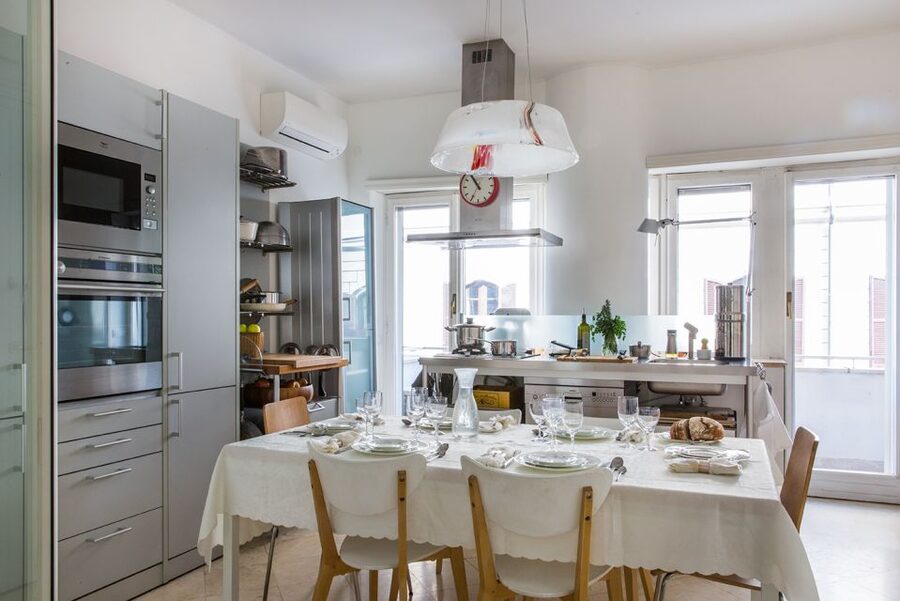
The format matters. You start with a cooking demonstration in the home, then you sit at the table and eat what you helped make or what you watched come together. That flow keeps you engaged. You are not bouncing between activities or waiting around for the next thing to start.
The best part is the tone. Multiple hosts described in past experiences lean into warmth and conversation, like you are being welcomed, not processed. In one class, Francesca prepared fresh pasta with the group, then sent you outside to eat on her patio with the wine of your choice. In another home, the setup included translation support, and the meal was simple yet clearly built on careful ingredients.
One more big reason this works: it is three hours. That is long enough to learn a few practical techniques and actually enjoy the meal, but short enough that it fits a first day in Italy or a day between cruise plans and other sightseeing.
More shore excursions from Civitavecchia:
- From Civitavecchia: Full-Day Panoramic Bus Tour of Rome
★ 4.0 · 1,260 reviews - Civitavecchia Private Transfer: Rome to Civitavecchia Cruise Port
★ 5.0 · 669 reviews - Shared Transfer from Civitavecchia Pier to Rome Hotel or Airport
★ 4.5 · 455 reviews
Your 3-Hour Rhythm: Cooking Demo to Four-Course Table
The whole experience is set to about 3 hours, usually starting around 12 PM or 7 PM (and you can often request a different start time).
Here is the typical flow you should expect in a home setting like this:
1) Welcome at the host home
You meet the host at the home itself. After booking, you are contacted by email with the private details, including the host’s full address and mobile number. For privacy reasons, you will not have the address in advance.
When you arrive, expect a warm greeting, then a quick shift into meal mode. Some hosts have welcomed people with drinks already set up, like prosecco, along with small appetizers.
2) The cooking demonstration (and your role in it)
This is a private cooking demonstration run by an instructor who speaks English and Italian. Some classes involve direct participation, such as working on fresh pasta individually. Others may focus more on watching and helping prep, depending on the menu and your host’s style.
Either way, the value is in technique. You are learning how Italian family recipes actually happen: what gets prepped first, how ingredients are handled, and what the host considers worth doing carefully.
More dinners worth booking in Rome:
- Pasta Making & Wine Tasting with Dinner in Frascati from Rome
★ 5.0 · 1,326 reviews - Rome Food Tour: Hidden Gems of Trastevere with Dinner & Wine
★ 5.0 · 1,166 reviews - Rome: Pasta Making with Wine Tasting and Dinner in Frascati
★ 4.9 · 979 reviews - Night Tour of Rome with Local Pizza Dinner and Gelato Experience
★ 4.5 · 780 reviews
3) Time to sit down and eat
Once the final dishes are ready, you move to the table and enjoy the seasonal 4-course menu:
- starter
- pasta
- main course with a side dish
- dessert
Most people like this part because it is not rushed. You get the payoff for the work you just did, and the included drinks help slow the pace just enough to feel like an evening meal, not a restaurant event.
4) Finishing with coffee
Coffee is included, which is a small detail but a big comfort. It makes the meal feel complete, and it gives you a natural moment to ask follow-up questions about what you ate and why it tastes the way it does.
What You’ll Eat: Starter, Pasta, Main with Side Dish, Dessert
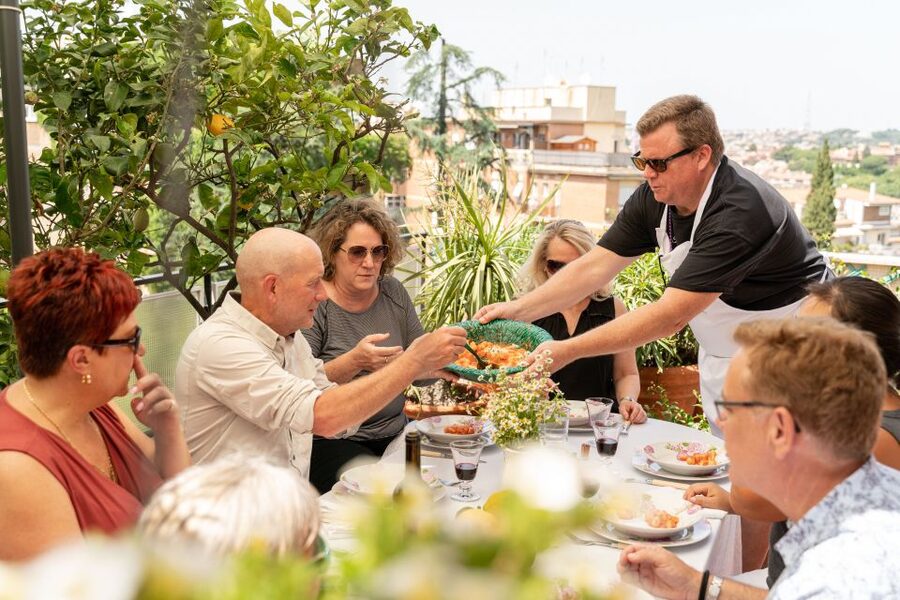
The menu is seasonal, which means you should expect variety rather than a one-size-fits-all script. The provided structure is always the same: starter, pasta, main plus side, dessert.
Starter: a regional start that sets the tone
Your first course usually matches the season and the host’s family comfort zone. In past classes, the starter phase has included small appetizers served alongside an arrival drink, which helps the group relax and get talking before cooking ramps up.
Pasta course: where technique shows up fast
This is typically where the experience becomes real. One host situation described involved making fresh pasta with the group. You might get hands-on time, not just a lecture.
If you like cooking, this is the course to watch closely. Pasta in Italy is not complicated, but it is exacting. The host’s method is the point, and you will feel that difference when you sit down to eat it.
Main course plus side dish: comfort, not spectacle
You get a main dish and a side dish as part of the course structure. The point is balance: the main is hearty, the side ties it to the garden or pantry flavors the host uses often.
For a home meal, you should expect things that taste like they belong in the region, not a menu built for Instagram. That is the value here.
Dessert: sweet, sometimes surprising
Dessert is included, and some hosts have offered creative regional sweets. One example from a past Francesca-hosted class included a dessert called chocolate sausage. Even if your dessert is different, the key takeaway is this: the dessert is not an afterthought. It is part of the family meal flow.
Family Recipes and Teaching Style: Pizza, Fresh Pasta, and the Why Behind It
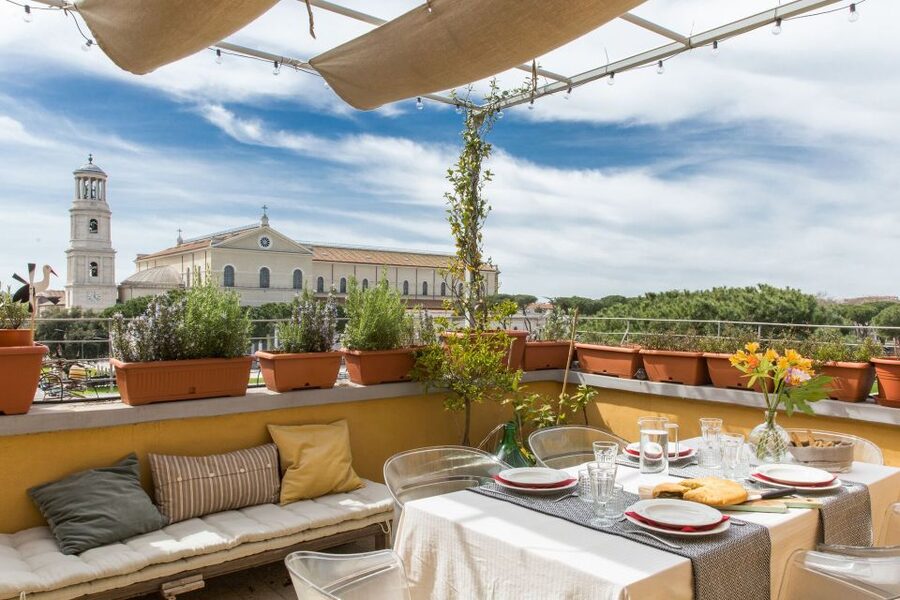
The heart of this experience is what your host shares. The description emphasizes family recipes passed down through generations, and the way it shows up in practice is in the details they explain while cooking.
Here are the types of learning you can realistically get from a class like this:
You learn technique, not just ingredients
Fresh pasta and pizza both teach technique. Dough handling, timing, and how you judge doneness based on touch and smell are the kind of practical skills you can carry home.
In one class described, Francesca demonstrated pizza and also guided the group toward a memorable dessert. That is a good example of why these experiences feel personal: your host may tailor what they teach based on their own family calendar and what is best right now.
You learn what matters to them
Family recipes are rarely only about taste. They reflect what the host considers important: good oil, good produce, and a careful approach to simple ingredients.
In one especially detailed account, the host showed a garden with herbs, fruits, olives, and other items used in the dishes. Even if your home does not have a garden tour, you can still expect the host to point out ingredient choices and how they influence flavor.
Translation support can be part of the experience
The instructor speaks English and Italian, and some past classes also included extra translation help. That is useful if you want to ask specific questions while cooking or understand the story behind a dish.
Wine, Conversation, and the Most Likely Moments You’ll Remember
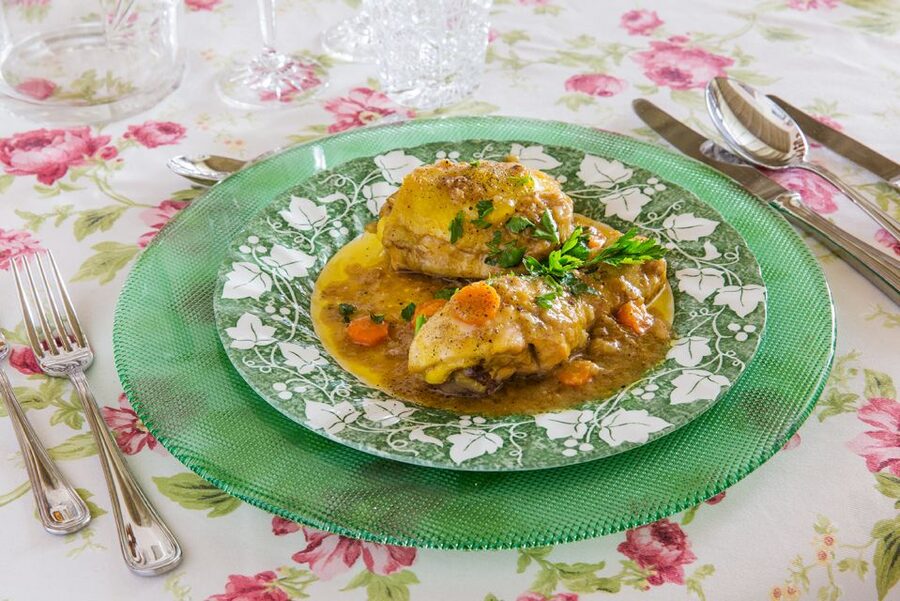
The included drinks are water, wine, and coffee. That is not just a convenience. It changes the tone of the entire evening.
When wine is part of the meal, conversation becomes easier. People ask more questions, they react to what they are tasting, and the host can explain the food without worrying about timing.
From past experiences, some of the most memorable moments tend to fall into three buckets:
- Feeling like you are part of the family table, not an outsider at a timed event.
- Working at the pace of the home, with room for chatting while cooking and eating.
- Seeing how the host’s everyday habits shape the meal, like using garden ingredients or choosing what to make based on what is seasonal.
One account mentioned a long table prepared for the cooking class and a very intimate setup for two people. Even with a larger private group, the home setting naturally keeps the vibe personal.
Price and Value: Is $100 Per Person Fair for a 3-Hour Home Meal?
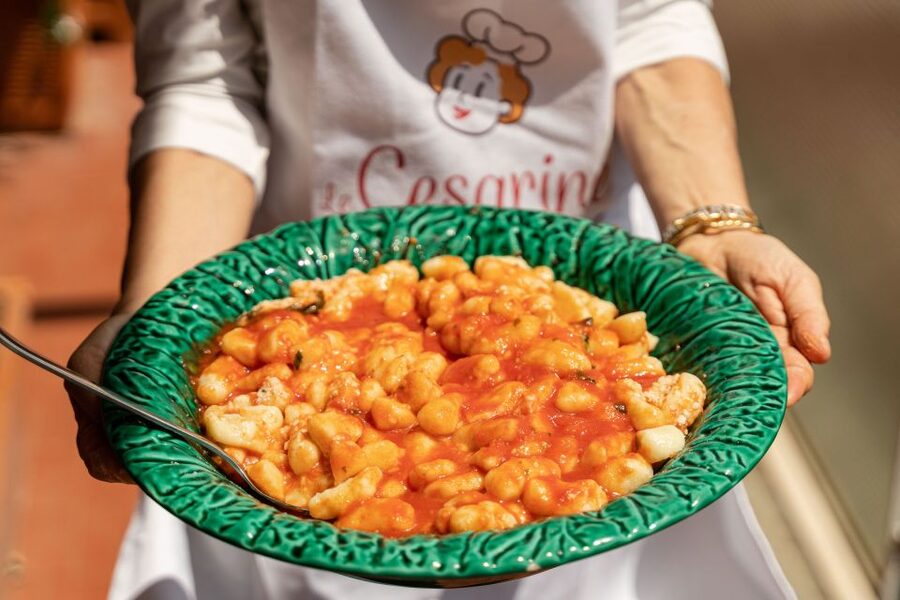
$100 per person sounds steep until you break down what you get in a home context.
You are paying for:
- a private cooking demonstration
- a private 4-course lunch or dinner
- beverages including water, wine, and coffee
- a host who teaches and sits with you during the meal
- a small-scale setting, which usually means you get more attention than in a bigger group class
A typical restaurant meal in Italy can be expensive once drinks are included. Add the fact that you are also learning how the food is made and eating what you helped create, and the value becomes easier to justify.
The other value factor is time. Three hours in a local home is a focused slice of daily life. You are not spending that time walking between venues. You are spending it learning, eating, and talking.
If you enjoy cooking and you like food as a culture gateway, this price often feels fair. If you mainly want sightseeing and you are not interested in cooking or conversation, you might get less out of it.
Who This Is Best For (and Who Should Skip It)
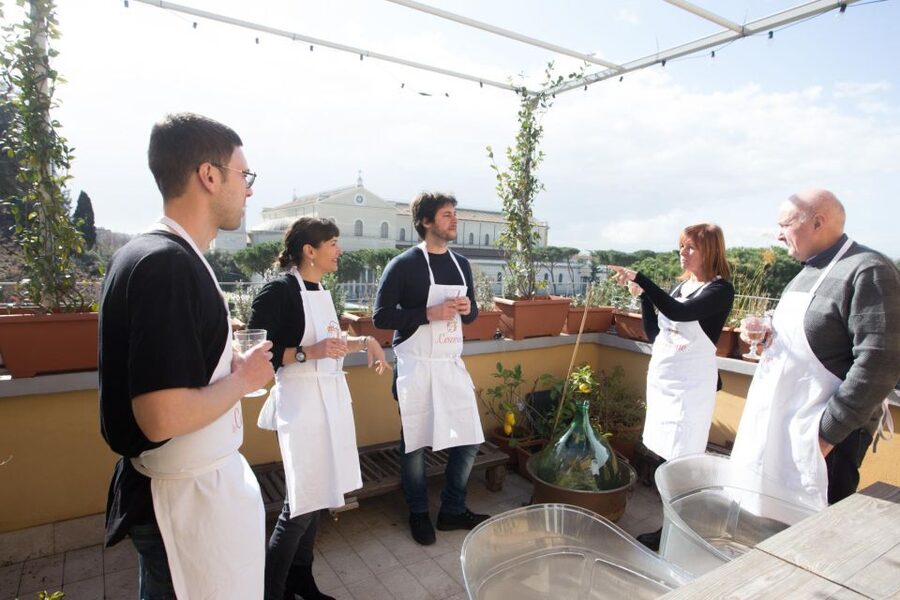
This experience is a strong fit if you:
- want a private, home-style meal instead of a restaurant dinner
- like hands-on cooking, especially pasta or pizza skills
- care about Italian food as a tradition, not just a checklist of dishes
- are traveling with a partner and want an intimate night (some classes have been run for very small groups)
- want a first-evening activity that feels special without being exhausting
It might be less ideal if you:
- prefer large tours with lots of movement and sightseeing
- need a very rigid schedule or you dislike waiting for private address details until after booking
- are uncomfortable in a home environment where you will eat at a family table and share the space while cooking
Practical Tips to Get the Best Experience in Someone’s Home
This is a home dinner. Simple behavior goes a long way.
- Be on time, because cooking and meal timing are coordinated around the group.
- Come hungry and with curiosity. Ask about what ingredients matter and why the host does things a specific way.
- If you have dietary needs, request them ahead of time. Vegetarian, vegan, and gluten-free can be catered for upon request.
- Wear comfortable clothes. If you are helping with pasta, you will appreciate flexibility.
- Plan for conversation. The best moments often come from chatting during the cooking and after the meal begins.
If you are in Civitavecchia from a cruise, this can still work well. One past class mentioned the home being about a 10-minute taxi ride from the port, which suggests the location is often reachable without turning the day into a logistics headache.
Should You Book This Private Dining Experience in Civitavecchia?
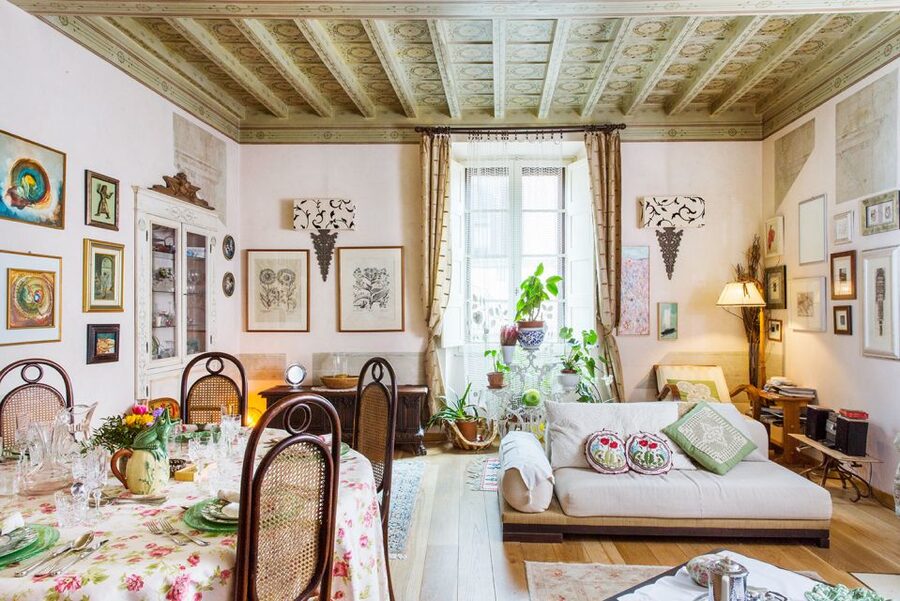
I think it is worth booking if you want a real-feeling meal in a real home, with a host who teaches while you eat. The included wine and coffee, the focused 3-hour timing, and the consistent menu structure (starter, pasta, main with side, dessert) make it easy to justify.
Book it especially if you enjoy food culture and you like learning by doing. You will likely leave with a few practical techniques and a clear sense of what Lazio family cooking tastes like.
I would hold off only if you want a sightseeing-heavy day, or if you are strongly opposed to getting the exact address after booking due to how you plan trips. Otherwise, this is one of those experiences where the value comes from the human side, not just the food on the plate.
FAQ
Where do I meet my host?
You meet at your host’s home. After booking, you will be contacted by email with the host’s full address and mobile number for private details.
What exactly is included in the experience?
It includes a private cooking demonstration and a private 4-course dinner or lunch, plus beverages including water, wine, and coffee.
How long does the dining experience last?
The experience lasts about 3 hours.
What time does it usually start?
Dining usually starts at 12 PM or 7 PM, but the start time can be flexible based on your requirements.
Is this a private group experience?
Yes, it is a private group experience.
Can the menu accommodate dietary requirements?
Yes. Dietary requirements such as vegetarian, vegan, or gluten-free can be catered to upon request.
What languages will the instructor speak?
The instructor speaks English and Italian.
Do I pay right away, and can I cancel?
You can reserve now and pay later, meaning you pay nothing today. Free cancellation is available up to 24 hours in advance for a full refund.
More Dinner Experiences in Rome
- Rome: Small Group Trastevere Food Tour with Dinner
★ 4.8 · 719 reviews - Rome: Italian Opera Concert and Traditional Dinner
★ 4.1 · 453 reviews - Rome: Cannondale E-Bike Evening Tour with Optional Dinner
★ 4.9 · 251 reviews - Rome: Night Tour by Golf Cart with Italian Dinner and Gelato
★ 5.0 · 110 reviews
Recently reviewed around Rome
- Rome: Castelli Romani Hop-on and Hop-off Tour★ 4.9 · 32 reviews
- Rome: Food Tour near Vatican City with Wine★ 4.8 · 100 reviews
- Rome: Scavenger Hunt Self-Guided Tour★ 4.6 · 15 reviews
- Hidden Rome: Small Group E-Bike Tour with Street Food Stops★ 4.9 · 144 reviews
- Rome: Highlights Tour in Golf Cart★ 4.9 · 28 reviews
- Rome: Hop-on Hop-off Bus Tour and Colosseum Experience★ 3.4 · 163 reviews
- Rome: Guided Haunted Rome Ghost Tour with Dowsing Rods★ 4.8 · 63 reviews
- Rome: Highlights Photo Shoot for Memorable Moments★ 5.0 · 32 reviews
Civitavecchia Shore Excursions, compared.



Civitavecchia Private Transfer: Rome to Civitavecchia Cruise Port
Read our review →
Shared Transfer from Civitavecchia Pier to Rome Hotel or Airport
Read our review →
Civitavecchia Private Transfer: Civitavecchia Port to Rome
Read our review →
Rome Small-Group Shared Tour from Civitavecchia: 8 People Max
Read our review →
Hop-On Hop-Off Bus and Optional Cruise Port Transfer
Read our review →
Browse the lists this tour appears in