
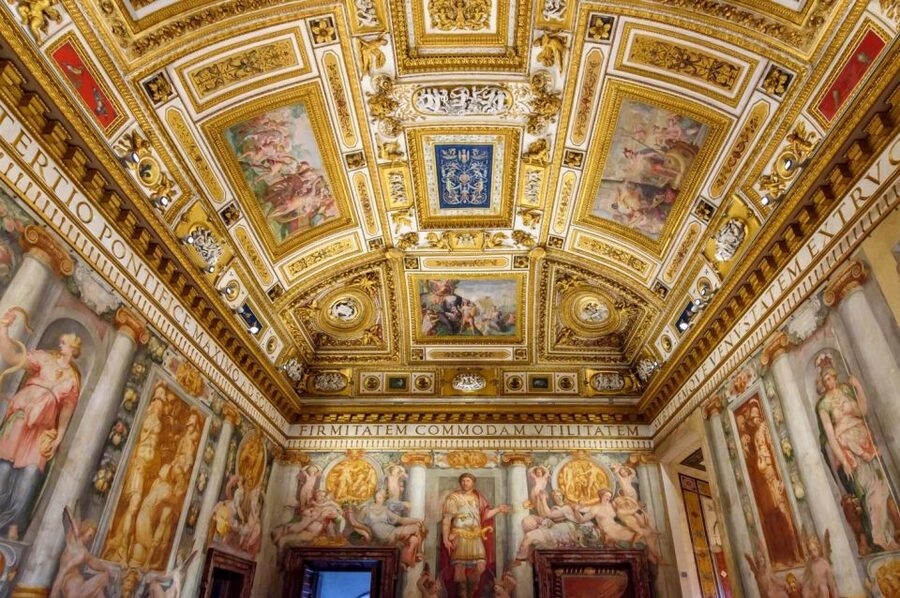
Reviewed · ROME
Castel Sant’ Angelo: The most famous Fortress of Rome
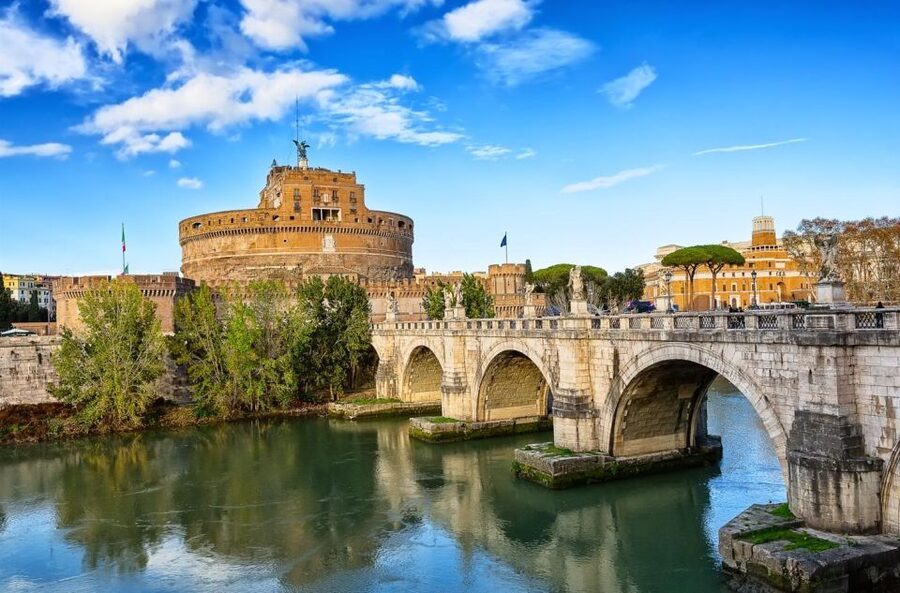
Castel Sant’Angelo is interesting because it is Rome in layers. One moment you are in a Roman imperial tomb, the next you are inside a papal fortress built for survival, and then you climb up for classic city views from the Angel’s Terrace.
I especially like how the visit is self-paced. You get to choose your speed through the Papal Rooms, the Spiral Staircase, the Hall of Emperor Hadrian’s Ashes, and the terrace, without herding or rushing. And the fortress hits that rare sweet spot, dramatic history plus a viewpoint that feels made for photos and good planning.
One drawback to plan for: this is a technology dependent option if you pick the audioguide. You need a smartphone and headphones, and you should download the audioguide before you start, since it works offline after that.
Key things to know before you go
- Skip-the-line entrance means less waiting at a busy Rome site
- Roman tomb and papal fortress in one building gives you real timeline contrast
- Angel’s Terrace is the payoff view, made for taking your time
- Audio is optional, but if you choose it, you must have a smartphone and headphones
- Nominative tickets require you to use full names exactly as booked
Castel Sant’Angelo as a Rome time machine, Roman tomb to papal fortress
Castel Sant’Angelo started as something very Roman: the tomb of Emperor Hadrian. That detail matters because it shapes the feel of the building. Even when you are surrounded by later walls and corridors, you can sense the place was designed for power and permanence.
Then the whole story pivots. In the early Renaissance, it became a papal fortress. That means you stop thinking only about monuments and start thinking about defense, escape routes, and control. The fortress also included prison space and a place of execution, so the building carries a darker side that you do not get from cheerful tourist ruins.
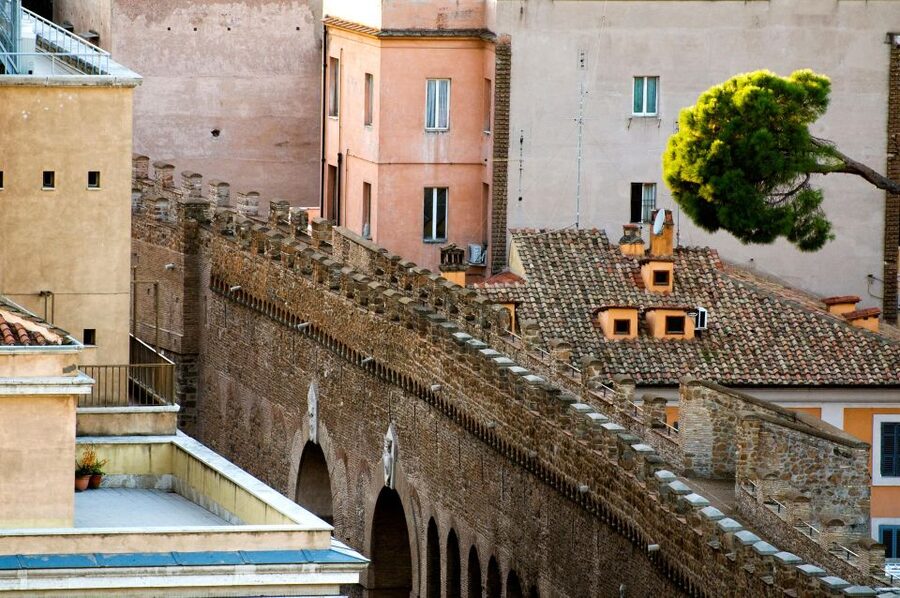
The connection to the Vatican Palace is another big reason this place stands out. It is linked by an elevated walkway, so popes used it as an escape route in danger. So even if you do not study a map ahead of time, the building makes it easy to understand how Rome’s top power centers connected.
Other things people book around Rome:
- Vatican Museums & Sistine Chapel Tour with Optional Basilica
★ 4.3 · 67,413 reviews - Vatican Museums, Sistine Chapel & St Peter’s Basilica Guided Tour
★ 4.5 · 39,149 reviews - Rome: Colosseum, Palatine Hill and Roman Forum Guided Tour
★ 4.8 · 32,814 reviews
Entering fast and choosing the ticket that fits your pace
The big practical win is the skip the line access through a separate entrance. At Castel Sant’Angelo, that translates into more time inside and less time stuck with everyone else at the same bottleneck. The overall visit is about 2 hours, and that time feels realistic for a first full pass, especially if you use the audioguide.
Your meeting point can vary depending on the option you book. That is normal for self-guided attractions. The key for you is simple: check the exact meeting instructions on your confirmation so you do not waste minutes hunting around.
You can also choose ticket options. If you select the audioguide, it is included with your booking. Without that option, you will still visit the fortress, just without audio support.
Here is the part that you should plan around if you want the audioguide. You must have a smartphone and headphones. Before you start, download the audioguide using wifi. After that, it works without wifi. I like this setup because it protects you from spotty signal, but only if you do the download step early.
If you are thinking about language, the audioguide option supports Spanish, French, Italian, English, German, and Chinese. So most visitors can get a smooth match without relying on a separate guide in-person.
One more ticket detail worth respecting: your ticket is nominative, meaning you must include all participants’ full names for the entrance purchase. If you book with nicknames, or the order differs from your ID, it can create unnecessary friction. Bring your ID or passport, since that is required.
Papal Rooms: where ceremony meets control
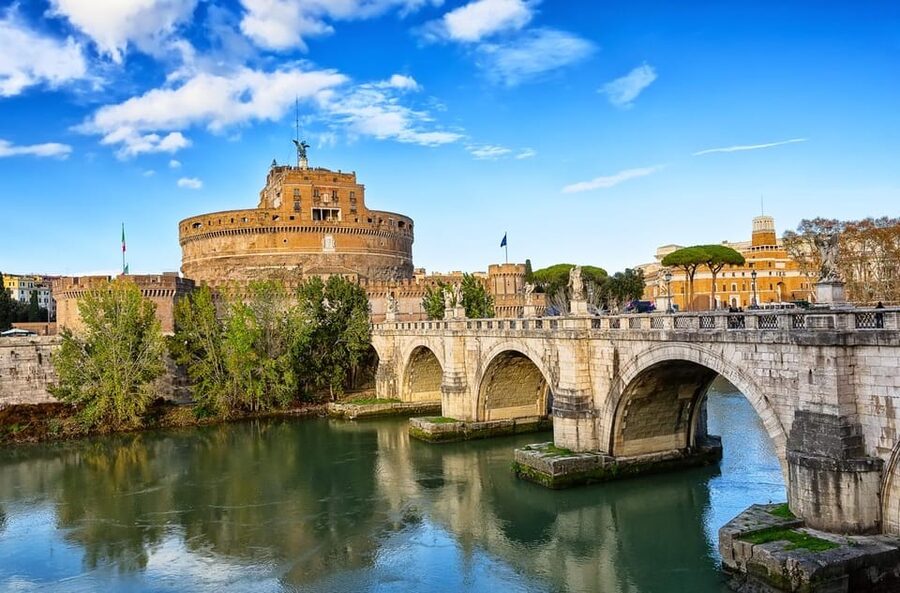
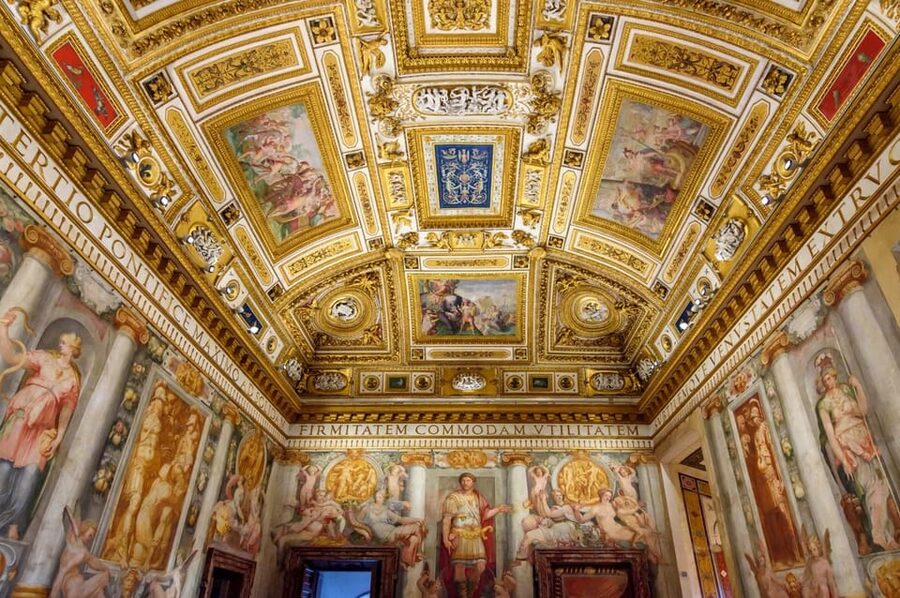
When you enter the fortress experience, you are not just walking through a random museum. You are moving through rooms tied to the way popes used this place. The visit includes the Papal Rooms, which help you understand how the fortress functioned as more than a prison structure.
What I like about this stop is the contrast. You are coming from the bright, open Roman city outside, then stepping into interior spaces built for authority. Even without a live guide, the audioguide approach makes it easier to connect what you are seeing to why it existed.
The Papal Rooms are also a good moment to slow down. Give yourself a few extra minutes here so you can notice the shift in architecture and purpose. If you rush straight to the highest point, you will miss the way the building changes mode as you move deeper inside.
Possible drawback: this section can feel a bit “indoor museum style,” meaning you rely more on audio context than on dramatic outdoor scenery. If you are not using the audioguide, bring a willingness to look carefully and ask yourself what the rooms were for.
The Spiral Staircase: earn your views one step at a time
Next on the route is the Spiral Staircase. This is not just a path upward. It is a built-in change of perspective. A spiral staircase forces a slower rhythm, and that helps you feel how the fortress was organized.
It is included in the visit, and the time spent here matters. Give yourself a minute to pause and look around if you can. You can use the movement itself as part of the experience, like you are stepping through a controlled military machine rather than simply climbing stairs.
If you get even slightly uncomfortable with tight staircases, plan your pace. The overall visit is designed for about two hours, so the staircase is a fixed part of the plan. I would rather you enjoy it than sprint past it.
Same city, a completely different kind of day:
- Rome: Guided Tour of Colosseum, Roman Forum & Palatine Hill
★ 4.7 · 27,897 reviews - Rome: Colosseum & Forum with Audio Guide App -Optional Arena
★ 4.2 · 24,770 reviews - Rome: Colosseum, Roman Forum and Palatine Hill Guided Tour
★ 4.5 · 23,903 reviews - Rome: City Sightseeing Hop-on Hop-off Bus with Audioguide
★ 4.0 · 16,045 reviews
Prison and execution history you can actually picture
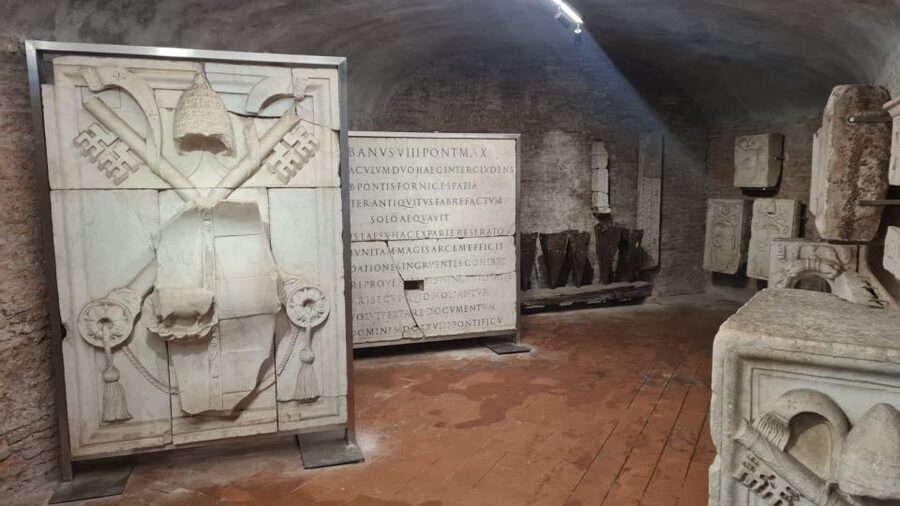
Castel Sant’Angelo is famously connected to imprisonment and executions. Your visit includes areas tied to that past, and the building’s story includes famous prisoners such as Benvenuto Cellini and Cagliostro.
You do not need to go in with a tragic script in your head. The simple fact that the fortress has prisons and an execution place makes the building’s power story feel real. That is why this fortress does not end up as just another scenic stop.
I find it helpful to think of the fortress as a system, not a single room. The prisons are part of the same structure that later provides escape routes and ceremonial rooms. The result is a more complete understanding of how political fear shaped architecture in Rome.
If you are sensitive to the subject matter, it is still manageable because the route is built to be self-paced. You can spend less time in the most heavy sections and more time on the parts that let you breathe, like the terrace.
Hall of Emperor Hadrian’s Ashes: the Roman core
The Hall of Emperor Hadrian’s Ashes is a key highlight. This is where the Roman tomb identity comes back to the front. After walking through papal-fortress spaces, the focus returns to the imperial origin story.
This stop works best when you let it be quiet for a moment. Look around, slow down, and try to picture why a tomb needed such strength. The building’s later history helps explain that the Roman concept did not disappear, it got reused, reinforced, and repurposed.
I also like that this hall helps you keep the timeline straight. Without it, a place like this can blur into one big fortress experience. With it, you get a clear anchor point: the structure began as a tomb, and everything else grew around that base.
Angel’s Terrace: Rome views that justify the climb
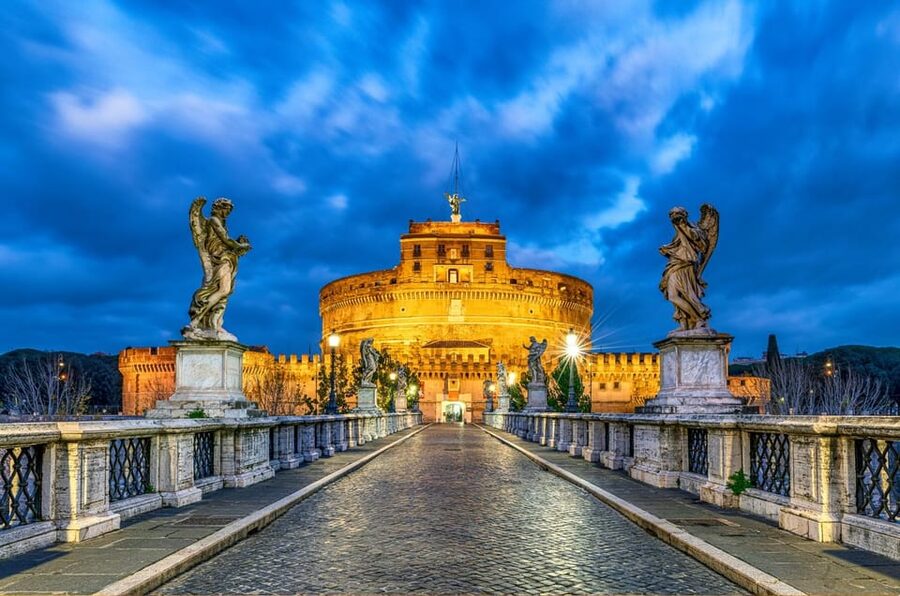
The big visible payoff is Angel’s Terrace. This is where the fortress identity becomes a viewpoint. You are high enough to feel the city spread out below you, and the terrace gives you that classic Rome panorama that many visitors come for.
What to look for: treat it like your orientation station. Identify major sight lines, then remember the shapes and distances as you continue exploring the city later. The terrace is also a good place to take a slow break because you can regain energy before heading back down.
I recommend spending a few extra minutes here even if you already planned photos. The view is not just for pictures. It helps you connect Castel Sant’Angelo to the rest of Rome in your mind.
If you are going during busy hours, the terrace can get crowded because everyone wants the same viewpoint at the same time. Still, with a self-paced approach, you can time your photos and then shift your attention to the sky and the city edges rather than staying fixed on the camera.
Price and value: what $39 really buys you
The listed price is $39 per person, and the entrance ticket cost is €16 per person. The difference is the service and processing fees included in the packaged offering.
So is it worth it? In my book, it makes sense if you value time and convenience. The main concrete benefit is the skip-the-line entrance through a separate entrance. That benefit alone can be worth paying for in a busy Rome day, especially when your schedule is already packed.
The second value piece is the optional audioguide. If you like history but do not want to juggle a live guide time schedule, audio helps you slow down inside rooms that might otherwise feel like generic museum walls. Audio also lets you choose your pace, since the visit is self-guided.
If you decide not to choose the audioguide option, you can still visit, but you may need a little extra curiosity on your own to connect the dots between Roman tomb, papal fortress, prisons, and the walkway escape idea.
Also, keep in mind that fast track tickets must be booked at least one day before your visit. If you are booking last minute, check your option carefully so you do not end up with a plan that does not match your timing.
Practical tips to avoid the annoying stuff
This experience is built for self-navigation and optional audio, so your success depends on two things: your materials and your setup.
What to bring
- Passport or ID card
- A smartphone
- Headphones (if you chose the audioguide option)
Audio guide setup that actually works
Download the audioguide before you start using wifi. Once it downloads, it works without wifi. I would also do a quick check before you enter, so you are not standing at the entrance fiddling with settings.
A practical note from real-world mishaps: there have been cases where audioguide access did not match the number of tickets purchased, or where the electronic ticket/audioguide access seemed to lack a usable QR code. You cannot control everything, but you can reduce risk by keeping your email confirmation, double-checking the audioguide option, and confirming you can access it on your phone before you commit your time inside.
Travel light
Weapons or sharp objects are not allowed. Baby strollers, luggage, and large bags are also not allowed. Pets are not allowed, but assistance dogs are allowed. In other words, travel like you are doing a museum, not like you are moving apartments.
How to pace a 2-hour visit
With a two-hour window, I’d do it like this: spend enough time in the Papal Rooms to get oriented, take the Spiral Staircase at a steady pace, then focus on the Hadrian hall and finish with Angel’s Terrace. That order keeps the emotional arc moving from past to present to viewpoint.
If you get tired, reduce time in the most indoor sections and add time outdoors at the terrace. The fortress is more forgiving when you are choosing what you pause for.
Who should book this Castel Sant’Angelo visit
This is a great fit if you want a memorable Rome monument without a live-guide schedule. You get self-paced wandering plus a strong structure through the listed stops: Papal Rooms, Spiral Staircase, Hall of Emperor Hadrian’s Ashes, and Angel’s Terrace.
It also works well for people who like history but do not want to cram it all into one intense tour. The fortress format naturally spreads the story out for you, from Roman tomb to papal fortress to prison and execution context.
If you hate tech steps on vacation, you might skip the audioguide option. Still, you can enjoy the building on your own with careful looking, because the architecture and terrace views do a lot of heavy lifting.
Should you book this one, or skip and wander?
I think you should book if your priority is time savings and an easy, structured visit. The skip-the-line entry is the strongest reason, and the audioguide option is a solid add-on if you want context in the rooms.
I would especially book if you are the type who likes to plan a clean two-hour block in Rome and then keep moving. Castel Sant’Angelo is famous, so the crowds can be real. Paying for that separate entrance helps you keep control of your schedule.
If you are cautious about digital access, do a quick tech check before you begin. Make sure you can access the audioguide if you purchased it, and keep your confirmation handy in case anything looks off.
Bottom line: this is one of those Rome stops where the building itself does the storytelling, and the added skip-the-line plus optional audio makes it easier to enjoy without stress. If that sounds like your style, book it. If you prefer a total low-tech day, you can still go, but you will need a more self-driven approach inside the rooms.
Recently reviewed around Rome
- Rome: Castelli Romani Hop-on and Hop-off Tour★ 4.9 · 32 reviews
- Rome: Food Tour near Vatican City with Wine★ 4.8 · 100 reviews
- Rome: Scavenger Hunt Self-Guided Tour★ 4.6 · 15 reviews
- Rome: Hop-on Hop-off Bus Tour and Colosseum Experience★ 3.4 · 163 reviews
- Hidden Rome: Small Group E-Bike Tour with Street Food Stops★ 4.9 · 144 reviews
- Rome: Highlights Tour in Golf Cart★ 4.9 · 28 reviews
- Rome: Guided Haunted Rome Ghost Tour with Dowsing Rods★ 4.8 · 63 reviews
- Rome: Highlights Photo Shoot for Memorable Moments★ 5.0 · 32 reviews