
Reviewed · ROME
Via Roma: A Journey Through Time
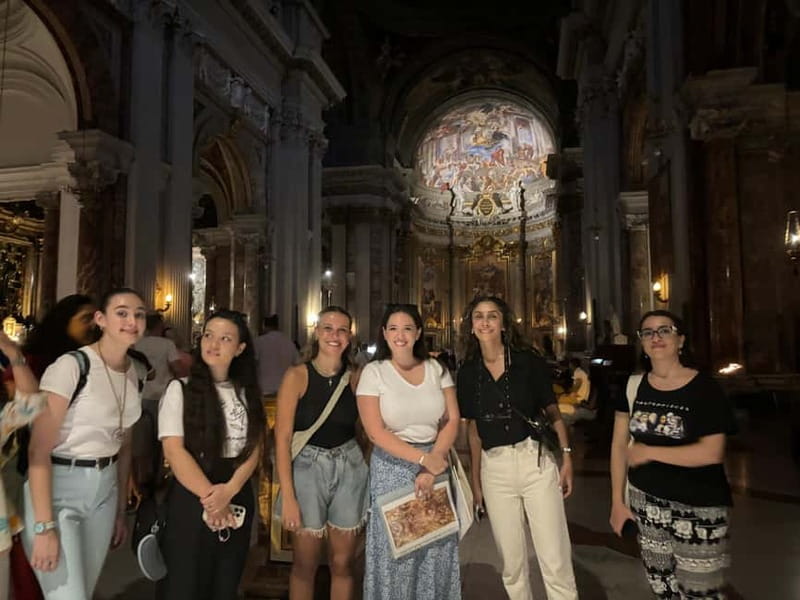
Rome at night has a special rhythm, and this Via Roma walk is built for it. I love the way the route strings together the big-name classics and the quieter, lesser-seen corners, and I also love the moment you hit the trompe-l’oeil ceiling at St. Ignazio. The main drawback is simple: it is a lot of walking, and it is not suitable for wheelchair users or people with mobility impairments.
I also like how the tour keeps things moving while still giving you context for what you are looking at. In my experience of Rome-style guiding, that balance matters, and here you will hear stories that make the monuments feel less like postcards and more like a real city you can read.
You start in Piazza di S. Agostino, then work your way across the historic core under night lighting. One detail worth planning for, this is a guided sightseeing walk, not a sit-down experience, so wear shoes you trust.
Key highlights you will feel right away
- A true Rome by night route, from early evening calm to the Colosseum lit up
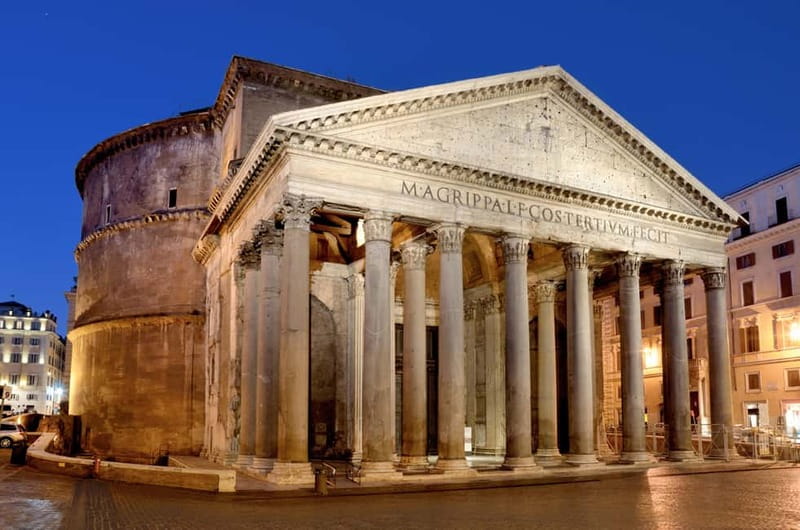
- Pantheon at night viewing, with the dome and central oculus as the focus
- St. Ignazio di Loyola Church, famous for its optical illusion ceiling effect
- Trevi Fountain coin toss, right when the scene is most photogenic
- Galleria Sciarra and Vicus Caprarius, where you see art and ruins in the same evening
- A guide-led story, with Sara often named as an engaging, fun guide
Why this Rome by night walk feels better than a checklist
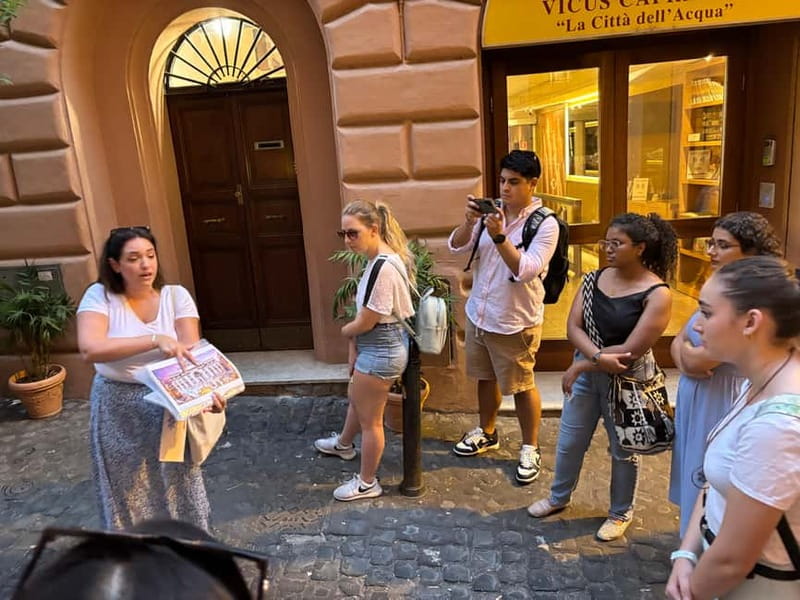
This tour works because it is designed like a stroll with purpose. You are not just passing monuments, you are stopping at the right moments to notice how buildings change after dark. Rome’s glow turns stone into something softer, and it helps you see shapes and details you might miss in daylight.
The value is also about pacing. At about 2 hours (and in practice it can run closer to 2.5), you get a focused sweep of landmarks without feeling like you need to plan a whole separate night out. For $32 per person, you are paying mainly for a professional guide plus a structured walking route that covers key sights in one outing.
There is no transportation included, and that is fine. You do not need buses for this part of Rome anyway. Just commit to the walking part, bring water, and set your expectations as an evening sightseeing walk, not a museum marathon.
Other things people book around Rome:
- Vatican Museums & Sistine Chapel Tour with Optional Basilica
★ 4.3 · 67,413 reviews - Vatican Museums, Sistine Chapel & St Peter’s Basilica Guided Tour
★ 4.5 · 39,149 reviews - Rome: Colosseum, Palatine Hill and Roman Forum Guided Tour
★ 4.8 · 32,814 reviews
Piazza di S. Agostino to get your bearings fast
You begin at Piazza di S. Agostino, and that matters. Starting in a calmer square gives your eyes time to adjust to the evening light and helps you settle into the area before the route turns busy.
This is a good starting point for two reasons. First, it gives you an easy launch into the historic center, so you are not wandering first. Second, it sets the tone, the early part feels more relaxed, and you will feel ready for the stronger sights later.
If you are trying to fit Rome into a tight schedule, this start location is practical. You can often pair it with dinner plans nearby before or after, as long as you check the exact start time for your booking. The meeting point can vary by option, so confirm it before you head out.
Piazza Navona’s fountains look different after dark
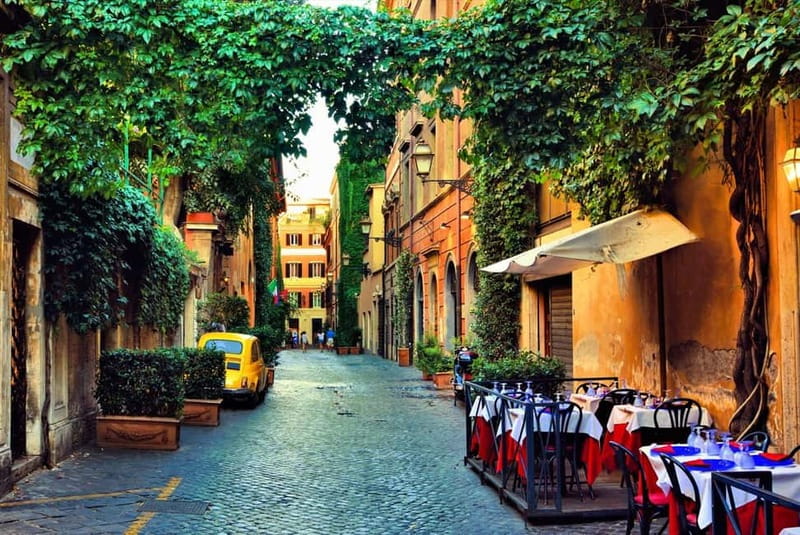
Next up is Piazza Navona, and the Baroque fountains here are simply more dramatic at night. The evening light changes the mood of the square, and the water becomes part of the scene, not just an object you pass on the way to somewhere else.
You get the key visual payoff without needing extra ticket planning. You stand in a place that lets you take in the fountain shapes as a group, and that is how to enjoy the area. Try to slow down your photos too. The best pictures come from letting your eyes find symmetry and scale, then capturing it.
A small practical note: this is a popular area, so be ready for street chatter and crowd flow. The tour structure helps because you know when to pause and where to look.
Pantheon at night: focus on the dome and the oculus
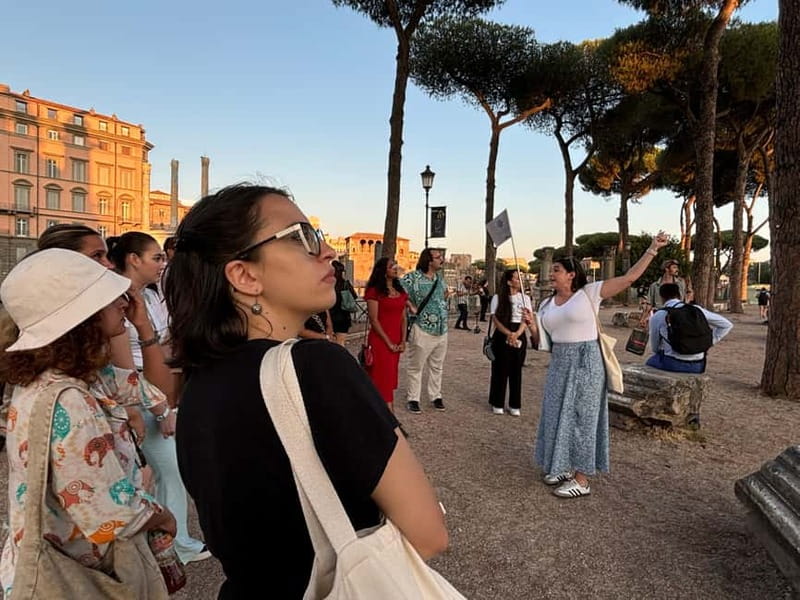
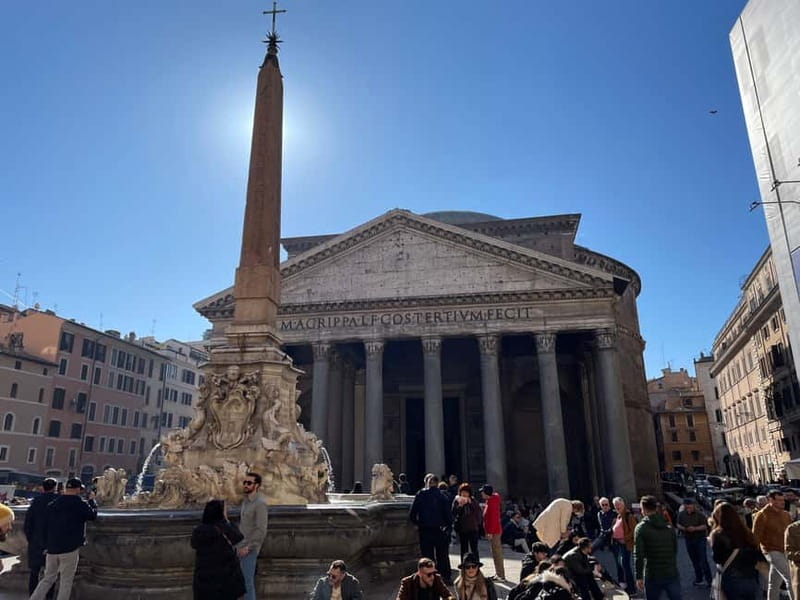
One of the tour’s biggest hits is the Pantheon. The famous dome is the headline, but the real magic for me is the central oculus. At night, that opening feels almost like a controlled piece of sky, framing light in a way that makes the whole interior feel intentional.
This stop is not just about taking a photo. The guide’s job here is to point your attention to scale and the geometry that makes the space work. If you have visited a lot of churches, the Pantheon can still feel like a special moment because it is so clearly engineered, not just decorated.
Two things to remember here:
- Entrance fees are not included in the tour price, so if a paid component applies on the day, you would handle it separately.
- Check your camera settings. Also note the tour requests no flash photography in certain areas.
Same city, a completely different kind of day:
- Rome: Guided Tour of Colosseum, Roman Forum & Palatine Hill
★ 4.7 · 27,897 reviews - Rome: Colosseum & Forum with Audio Guide App -Optional Arena
★ 4.2 · 24,770 reviews - Rome: Colosseum, Roman Forum and Palatine Hill Guided Tour
★ 4.5 · 23,903 reviews - Rome: City Sightseeing Hop-on Hop-off Bus with Audioguide
★ 4.0 · 16,045 reviews
St. Ignazio di Loyola, the Instagram Roman Church moment
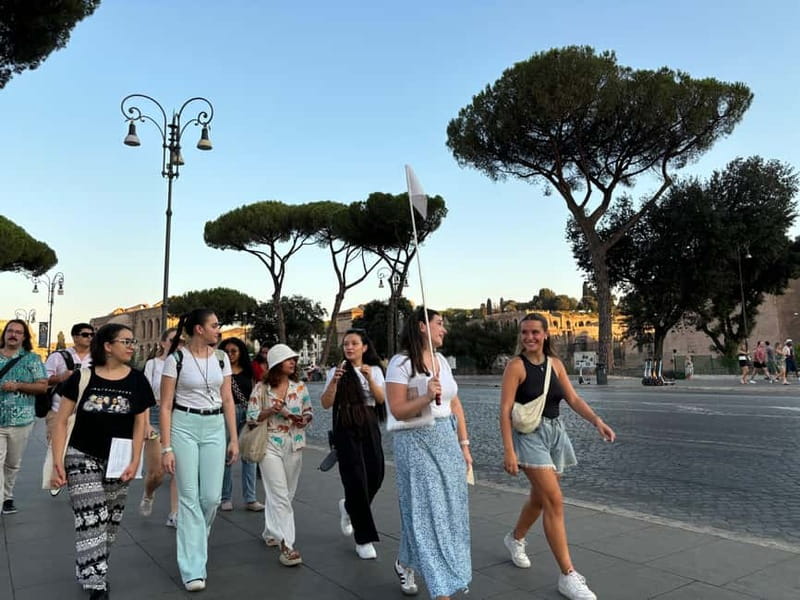
If you like optical illusions, you will probably think about St. Ignazio di Loyola for the rest of your trip. This church is widely known as the Instagram Roman Church because of its trompe-l’oeil ceiling effect, and the evening lighting makes it easier to see why.
The practical takeaway is this: do not rush. Stand where the lighting works, then look around the ceiling as if the painting is an extension of the room. The guide usually helps you understand what you are seeing, so you get the illusion without needing to study art history for a year.
Also, be mindful with your camera. Flash is not allowed in some areas, and you do not want to be the person slowing down the group or irritating staff. If you want great results, use steady hands, lower brightness, and let the church light do the work.
Galleria Sciarra and Vicus Caprarius, art and ruins in the same evening
After the big classics, the tour gets more interesting in the way it mixes styles. You walk through Galleria Sciarra, an Art Nouveau passage, where the ceiling details and frescoes can look extra alive in evening light.
Right after that, you move toward the Vicus Caprarius, often described as the City of Water ruins. This contrast is the point. The route shifts from ornate surfaces to the grounded reality of Rome’s ancient streets and infrastructure.
What you gain from these stops is variety without leaving the historic core. You get architecture, decoration, and archaeology in a single evening, and it helps your brain keep the city from blending into one long blur.
If you are someone who likes photos, this is where you will probably find shots that do not look identical to what everyone posts from the same three landmarks.
Trevi Fountain at the perfect time to toss your coin
Then comes Trevi Fountain, the stop most people plan their trip around. Night makes a difference here. The fountain looks more cinematic, and the crowds tend to be more manageable than peak daytime, depending on the evening.
The classic ritual is included in the experience, you toss a coin to help ensure your return to Rome. It is cheesy, yes, but so is roller skating. Sometimes you do the tradition because it makes the place feel personal.
A tip for a better moment: try stepping back a bit from the densest front row. Let others take their close-up photos, then you will have time for a cleaner view of the full composition and the surrounding streets.
Also, entrance fees are not part of the tour price, but Trevi itself is not usually about tickets. Still, always be ready for lines and crowd movement.
Piazza Venezia, Vittoriano views, and the big sights you can actually see
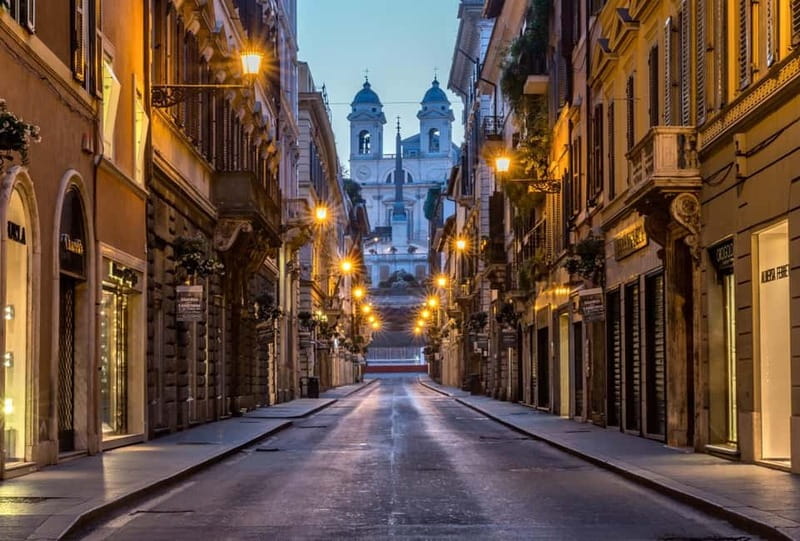
As the tour moves along, you pass the Pontifical Gregorian University and then get to Piazza Venezia and the Vittoriano Monument area. This portion is about viewpoints and scale. You are in a part of Rome where the city spreads out and the illuminated skyline reads like a map.
The guide also points out key buildings tied to Rome’s political and cultural life, including Palazzo Venezia and Palazzo delle Assicurazioni Generali. Even if you are not a building nerd, it helps to know what you are looking at, because the architecture is not random. It is the city showing you what power and institutions looked like at different moments.
If you like skyline photos, this is a strong segment to slow down and aim for wide shots. Use your camera in bursts, not in one frantic click, and keep flash off as requested.
Trajan’s Column and Market: why this stop works on foot
In the included sights, you also get Trajan’s Column and Market. This is one of those Rome scenes where you can feel the layers, even from a distance.
On a walking tour, this matters. You are not seeing a single building in isolation, you are seeing it as part of the ancient urban system. A good guide will help you understand what made this area significant, and you will come away with a better sense of where people lived, traveled, and worked.
The practical side is you are already in the historic core, so you are not paying extra logistics to reach here. It just becomes one of the route’s stop-and-look moments.
Palazzo Bonaparte and Via dei Fori Imperiali under moonlight
Next, you visit Palazzo Bonaparte and then stroll along Via dei Fori Imperiali. This is the stretch where night visuals really help. The road alignment and the stone surfaces give you that straight-line feeling Rome can do so well.
It is also one of the more atmospheric sections because you are walking through a corridor where ancient remnants sit close by, with the city’s modern energy still present around you. The contrast makes the archaeology feel less like a separate theme and more like a living layer of the city.
If you are traveling in summer, this segment can also be a nice break from the hottest hours, depending on your starting time. Still, bring water because you are outdoors and moving.
Ending at the Colosseum when it looks cinematic
The grand finish is the Colosseum. It is the kind of place that can feel slightly overhyped in daylight, mostly because you already know what it is supposed to look like. At night, the lighting changes your experience.
The Colosseum’s scale becomes more dramatic when you are looking at it as an illuminated mass. Even if you have seen it before, it tends to hit differently because the shadows and highlights guide your eye across arches and lines.
This tour ends back at the meeting point. That is a thoughtful detail because it means you are not left stranded in an unfamiliar area. Still, plan your post-tour plan nearby, so you do not have to sprint across Rome right after a walking evening.
Price, pace, and who should book this
For $32 per person, the big value is what you are getting for that money: a professional guide, a structured walk, and inclusion of many landmark stops that would take serious planning on your own. The tradeoff is you are walking, not riding.
This is a good match if you:
- Want a concentrated Rome by night outing with a clear route
- Like monuments plus a bit of story so your photos feel informed
- Travel solo, couples, or small groups who want to meet up and go
It may be a tough fit if you:
- Have mobility issues or need wheelchair access, since it is not suitable for wheelchairs
- Want a low-walking night or a sit-and-stare pace
- Are hoping for paid museum entry moments, since entrance fees are not included
If you are doing Rome for the first time, I like this tour because it gives you a visual framework. Later, when you revisit a favorite spot in daylight, you will know exactly what you are looking for.
What to bring, and the small rule that affects your photos
The basics are what you should trust:
- Comfortable shoes you can walk in for an extended evening
- Water (bring a bottle so you do not rely on finding it last minute)
- Camera, because the lighting is built for night shots
- Wear clothes suited for walking, especially if the evening is warm
And one strict detail: flash photography is not allowed in certain areas. That includes some interiors and photo-sensitive spaces like churches. If you want good photos without flash, brace your camera against your body, use a steadier stance, and accept that the room light will set the mood.
Should you book Via Roma: A Journey Through Time?
If your goal is to see Rome’s most famous landmarks and a few less obvious stops in one evening, this is an easy yes. The route makes sense, the timing is built for night beauty, and the guide factor matters, especially with Sara often highlighted as fun and engaging.
I would skip it if you need wheelchair access or you hate walking. Also, if you are expecting every stop to be ticketed and fully indoor, keep in mind entrance fees are not included. You will still see a lot, but you might need to plan separately if a specific attraction requires a paid entry.
If you want a night where you feel like you are actually moving through Rome, not just standing in front of it, this tour is a solid choice.
FAQ
How long is the Via Roma tour?
The duration is listed as 2 hours. Starting times vary, so check availability for the specific time slot you want.
Where does the tour start and end?
It starts at Piazza di S. Agostino. The tour ends back at the meeting point, and the meeting point may vary depending on the option booked.
What landmarks are included?
The tour includes visits to major landmarks such as Piazza Venezia, Pantheon, Trevi Fountain, Piazza Navona, St. Ignazio di Loyola Church, plus others along the route like Trajan’s Column and Market.
What languages is the guide available in?
The live tour guide is available in Spanish and English.
Is this tour wheelchair accessible?
No. It is not suitable for wheelchair users and is also not suitable for people with mobility impairments.
Are entrance fees included?
No. Entrance fees to attractions are not included.
Is flash photography allowed?
No. Flash photography is not allowed in certain areas.
Recently reviewed around Rome
- Rome: Castelli Romani Hop-on and Hop-off Tour★ 4.9 · 32 reviews
- Rome: Food Tour near Vatican City with Wine★ 4.8 · 100 reviews
- Rome: Scavenger Hunt Self-Guided Tour★ 4.6 · 15 reviews
- Hidden Rome: Small Group E-Bike Tour with Street Food Stops★ 4.9 · 144 reviews
- Rome: Highlights Tour in Golf Cart★ 4.9 · 28 reviews
- Rome: Hop-on Hop-off Bus Tour and Colosseum Experience★ 3.4 · 163 reviews
- Rome: Guided Haunted Rome Ghost Tour with Dowsing Rods★ 4.8 · 63 reviews
- Rome: Highlights Photo Shoot for Memorable Moments★ 5.0 · 32 reviews