Reviewed · TOURS
Rome: Basilica of St John Lateran & Holy Steps 1-Hour Tour
Rome can feel like it is packed with monuments. This experience is different because it sends you into two places that are tied to prayer, pilgrimage, and belief: the Holy Steps (Scala Sancta) and San Giovanni in Laterano. If you care about how faith shapes art and architecture, this is a very focused way to connect the dots.
What I like most is the way you get both devotion and explanation in a tight time window. I also love that the guides, including Wen and Tom, usually connect symbolism in what you see to the wider story of the Catholic Church, not just the postcard view. One consideration: the tour is short, and the full on-your-knees tradition is not part of the climb here, so plan your expectations if you want that longer practice.
Key highlights to watch for in the 1-hour Holy Steps tour
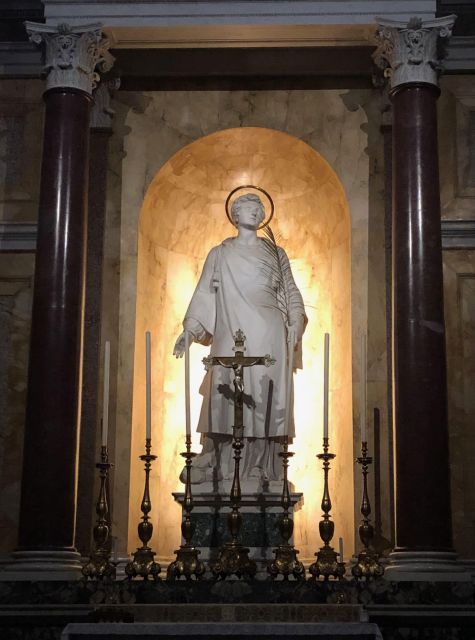
- Scala Sancta, the Holy Stairs, tied to Christ’s trial in tradition and linked to the relics brought to Rome by St Helena
- Sanctorium Sancta (Holy of Holies), where you only get a peek, with references to an acheiropoieta said to have begun by St Luke
- Ordinary stair climb in the tour, while the full knee-on-stairs tradition takes longer and is offered for you to do later on your own
- San Giovanni in Laterano, described as the highest-ranking church in Christendom and a UNESCO World Heritage site
- Veneration of Saints Peter and Paul, including the skulls of both saints, tied to the Pillars of the Church
- A Holy Door connection for Jubilee Years, with one of the four doors due to open in 2025
Why the Holy Stairs plus Lateran Basilica is a special combo
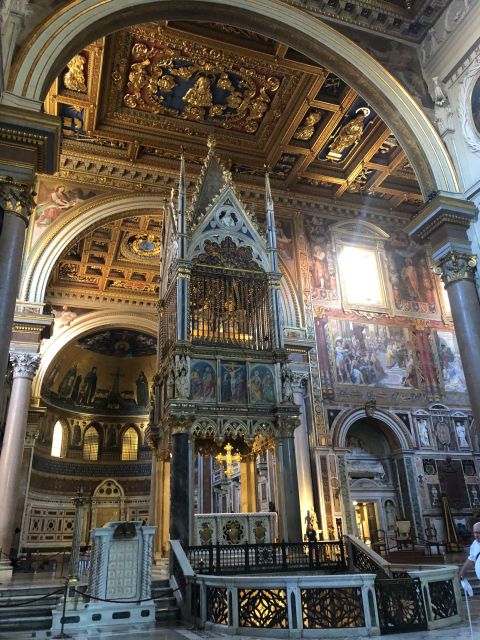
You could spend days in Rome and still not feel the “religious geography” of the city. That’s why this pairing works so well: Scala Sancta is about the act of pilgrimage, while San Giovanni in Laterano is about the Church as a living institution, with art, relics, and ceremony built into the building itself.
In one hour, you get a guided route that moves from the smaller, more intense devotion of the Holy Steps to the larger, more public presence of the Lateran complex. And because the group is limited to 5 participants, you are not trapped listening while strangers rush ahead. You can ask questions and get straight answers.
The other reason this matters is practical. Many of Rome’s big sites are famous for their views. Here, the “wow” is tied to meaning: why people kneel, why certain objects are kept, and how symbol shows up in sculpture and decoration.
A few more Rome tours worth comparing
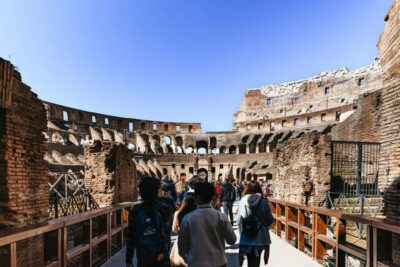
- Rome: 1-Hour Fast Colosseum Tour
★ 4.4 · 384 reviews
Starting at the Pontifical Sanctuary of the Holy Stairs, Scala Santa
You meet your guide at the bottom of the stairs to the left of the entrance of the Pontifical Sanctuary of the Holy Stairs, the Scala Santa. It is a useful meeting point because it is exactly where your attention will go first.
A tip that can save you time: download WhatsApp so you can contact the guide in real time if you run into any confusion getting there. That matters more than people think, especially around major churches where streets can look similar and entrances can be easy to miss.
Also note the tour language setup. It runs with a live guide in English or Chinese, so you know you will get explanations in your language rather than a wall of signage.
Scala Sancta in 20 minutes: what you will actually experience
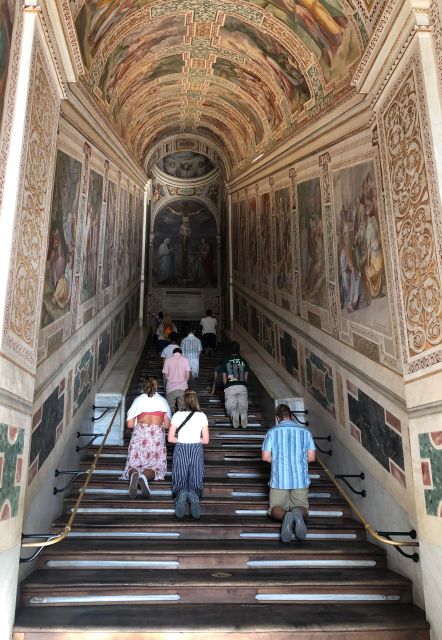
The first stop is Scala Sancta, the Holy Stairs area. You will do a guided visit and sightseeing, plus a short walk that keeps the pace manageable.
Here is what to expect, in plain terms. The tradition that brings people to Scala Sancta is the idea that Christ climbed the steps during his condemnation, and that pilgrims climb them on their knees while meditating, to be granted an indulgence under the normal conditions. But the full knee-on-stairs practice is not built into this tour, because it can take about 45 minutes.
That means your guided time is more about understanding and context, then moving at a reasonable pace so you still have time for the Lateran Basilica right after. In a city that rewards efficient planning, that tradeoff is often worth it.
Sanctorium Sancta peek: ordinary stairs, pope-only chapel history
Right after your arrival at Scala Sancta, you will climb the ordinary stairs and get the chance to peek into the Sanctorium Sancta, sometimes called the Holy of Holies. This is the tiny chapel area that, in earlier practice, was limited to the Pope.
Even without doing the full knee tradition, the chapel is the emotional center of this experience. This is where tradition says you will encounter or recognize:
- a miraculous acheiropoieta image of Christ, said to have been begun by St Luke and finished by angels
- wood from the table of the Last Supper
Your guide will usually connect these objects to the bigger story of how the Church teaches through both devotion and physical reminders. Guides like Wen and Tom are often praised for making that symbolism make sense instead of sounding like a memorized lecture.
One practical note: because you are switching from walking to stair climbing, wear comfortable footwear. The tour’s time is short, but the effort adds up fast.
Same city, a completely different kind of day:
- Vatican Museums & Sistine Chapel Tour with Optional Basilica
★ 4.3 · 67,413 reviews - Vatican Museums, Sistine Chapel & St Peter’s Basilica Guided Tour
★ 4.5 · 39,149 reviews - Rome: Colosseum, Palatine Hill and Roman Forum Guided Tour
★ 4.8 · 32,814 reviews - Rome: Guided Tour of Colosseum, Roman Forum & Palatine Hill
★ 4.7 · 27,897 reviews
Crossing to San Giovanni in Laterano for the 40-minute cathedral visit
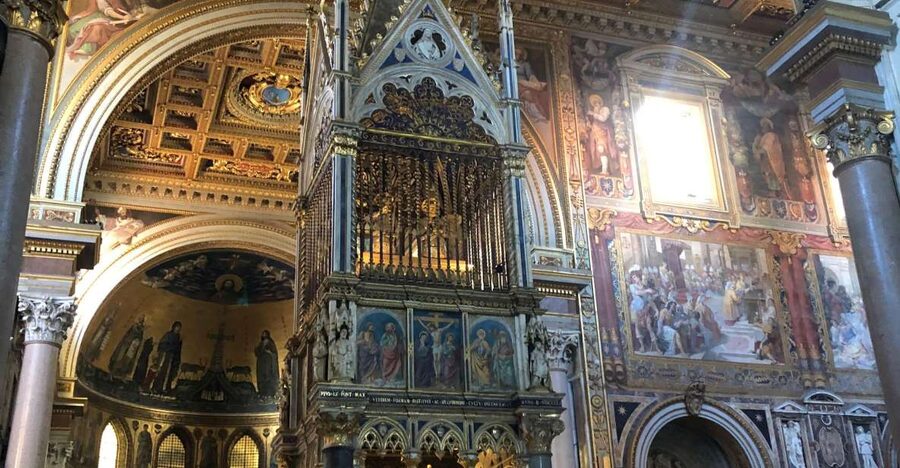
After Scala Sancta, you cross the road to the Arch-Basilica of San Giovanni in Laterano, known in Italian as San Giovanni. This is where the tour widens out from the intimacy of the chapel to a major church experience.
San Giovanni is described as the highest-ranking church in all the world and a UNESCO World Heritage site. That is not just marketing copy. The Lateran complex sits at the intersection of when Christianity became legal in the Roman Empire and the way the Catholic Church built legitimacy into sacred space.
During this portion, you get guided sightseeing and walking, with a key moment for relic veneration. The tour includes the opportunity to venerate the relics of the Pillars of the Church, specifically Saint Peter and Saint Paul, including the skulls of both saints.
This is a good place to let the guide’s style shape your experience. Many people rush in and out of churches without realizing how much meaning is embedded in placement, titles, and repeated symbols. When your guide explains the “why” behind what you see, the building stops being only architecture and starts being a spiritual map.
The meaning of the Holy Door connection, and why 2025 matters
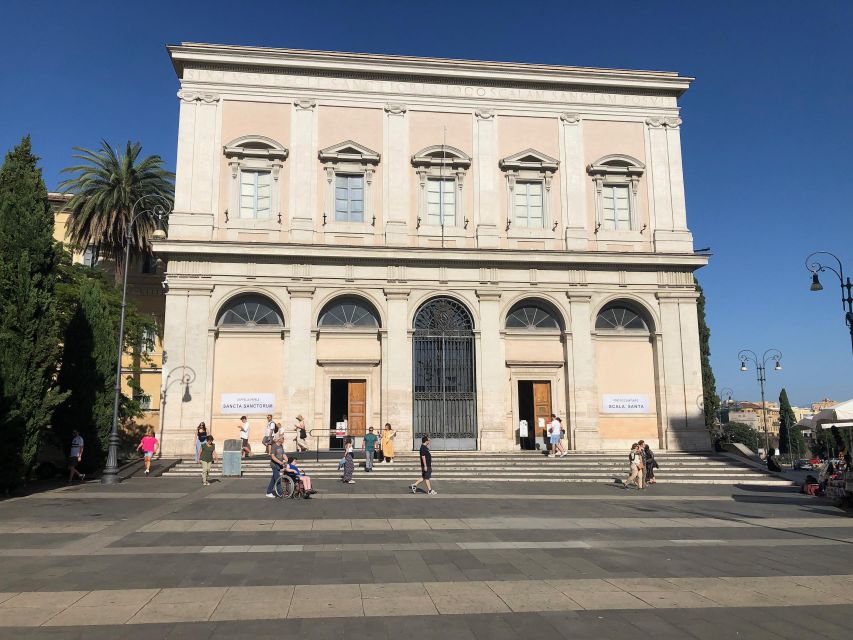
One of the tour’s highlights mentions the Holy Door. Here is what you can rely on from what you are told before you go: one of the four Holy Doors at this site is connected to Jubilee Years, and it is due to open in 2025.
Even if you are not traveling during a Jubilee, this matters because it changes how you interpret what the Church emphasizes. A Holy Door is not just a door. It is a ritual focus for pilgrimage, a physical threshold that turns a visit into an event with a promise attached to it.
Your guide can help you see how a major church like San Giovanni functions as both a spiritual destination and a living center of tradition.
Acheiropoieta, Last Supper wood, and why symbols matter for non-experts
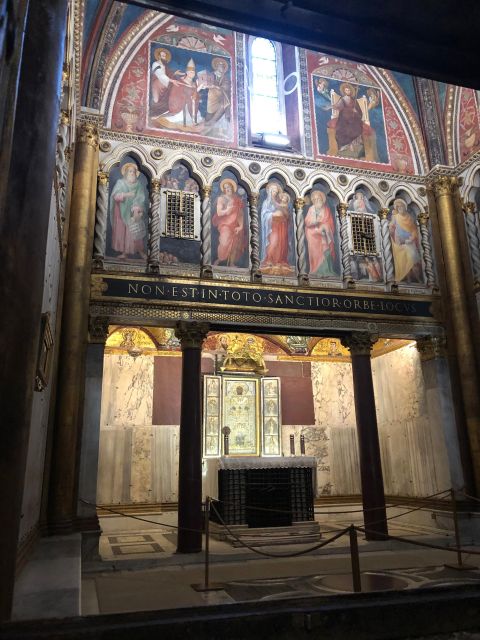
If you are not a Catholic scholar, do not worry. This tour is set up for regular visitors who want a clear, meaningful explanation.
Three items tend to anchor the symbolism here:
- The acheiropoieta image of Christ, tied to St Luke, with a tradition that angels completed it
- Wood from the table of the Last Supper, linking the chapel atmosphere to the final meal
- The Lateran’s role as the Cathedral of Rome, with relic veneration connected to Peter and Paul
What I like about this approach is that it gives you a structure. Instead of seeing a place full of objects and guessing what matters, you learn what each thing points to. That structure is especially helpful in Rome, where it is easy to feel like you are collecting facts but not building understanding.
Also, because the group is small, you can ask follow-up questions in the moment. That is where the guide’s teaching style really shows.
Price and value for a $65, 1-hour small-group experience
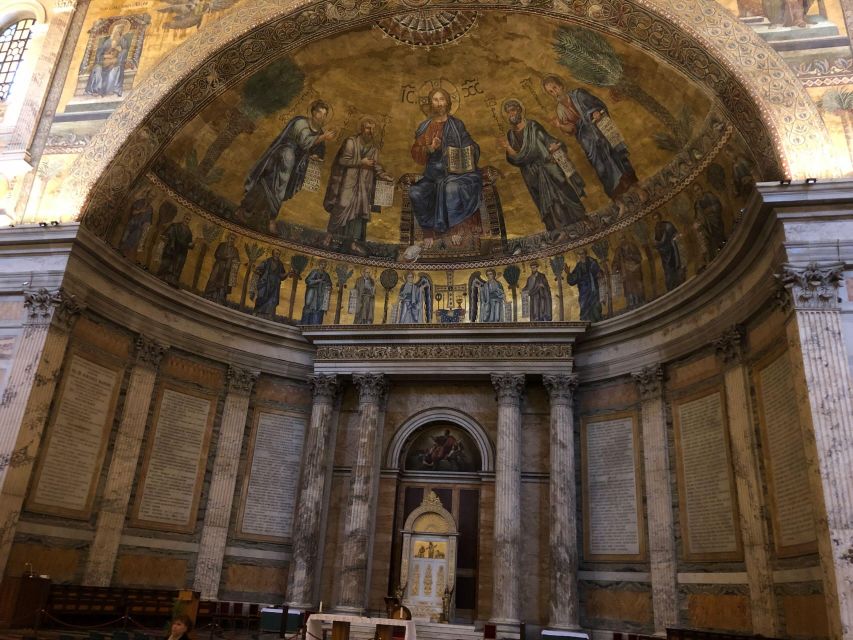
At $65 per person for 1 hour, the cost is not low in the way a generic walking tour might be. But the value is clearer once you consider what you are buying.
You are paying for:
- a guided route that hits two high-demand, meaning-heavy sites in limited time
- a guide who explains theology, tradition, and symbolism, including how the objects relate to Church history
- a small group limited to 5 participants, which makes it easier to ask questions and keep pace
- radio headsets for groups of 7 or more (so depending on the day and group size, you may hear instructions more clearly)
This pricing also makes sense for religious tourism. The experience is not only sightseeing. It is a guided pilgrimage-style visit with specific moments, like the veneration of Peter and Paul.
One more value factor: the tour is designed so you do not lose half your day to logistics. It is short enough that it can fit alongside your other Rome must-dos without turning your feet into complaint letters.
Guide tips are not included, so if you feel the guide was worth it, plan a tip amount in your budget.
Practical tips: dress code, time planning, and keeping your knees happy
The rules here are straightforward:
- No shorts
- No short skirts
That dress code can matter more than people expect because Rome is hot, and churches enforce it. If you are traveling in warmer months, bring lightweight options that still count as acceptable.
Now for the knees. The tour does include a stair climb, but the major kneeling tradition is not part of the guided hour. The information given is that the knee-on-stairs practice takes about 45 minutes and can be done at your own pace after the tour, free of charge.
So you have two ways to enjoy this:
- Do the guided experience at a reasonable pace, then decide later if you want to attempt the longer kneeling devotion
- Skip the kneeling devotion and focus on the guided meanings, especially if you have mobility or time limits
Either way, do not schedule something strenuous right after. Even a short tour can leave you feeling the effects of stairs.
Finally, keep an eye on meeting point accuracy. Meet your guide at the bottom of the stairs to the left of the entrance of the Scala Santa sanctuary. If you are late or confused, WhatsApp makes it easier to correct quickly.
Who this tour suits best, and who should consider another option
This tour is a strong fit if you:
- want a faith-focused Rome experience, not just another church stop
- like explanations that connect art, relics, and symbolism to the bigger Christian story
- enjoy having time for questions in a small group
- have limited time and want both Scala Sancta and San Giovanni in Laterano in one hour
You might choose something else if:
- you prefer secular sightseeing only, with less emphasis on religious practice
- you cannot handle short stair climbing at all
- you are hoping for a long, full-duration, kneeling devotion as the main event, because the guided hour is designed around an efficient visit
Should you book the Basilica of St John Lateran and Holy Steps 1-hour tour?
I would book this if you want one of Rome’s most meaningful pilgrimage-style experiences without spending your whole day waiting in lines and getting only surface-level context. The small group size and the teaching style attributed to guides like Wen and Tom are exactly what make this worth it.
If you are on the fence, here is the quick decision rule: if you care about why these places are prayed in, and you value a guide to translate symbols into understanding, this tour is a great match. If you only want photos and general history in passing, you may feel the hour is too short for what you expect.
FAQ
How long is the Rome Basilica of St John Lateran & Holy Steps tour?
It lasts 1 hour.
Where do I meet the guide for the Scala Santa portion?
Meet at the bottom of the stairs to the left of the entrance of the Pontifical Sanctuary of the Holy Stairs (Scala Santa).
What is included in the tour price?
The price includes all taxes and fees. It also includes radio headsets for groups of 7 or more.
Which languages are available for the live guide?
The tour offers a live guide in English and Chinese.
Is the kneeling indulgence climb part of this tour?
The practice of climbing the Holy Stairs on your knees is described as taking around 45 minutes, and it is not part of this tour. You can arrange to do the tradition at the end of the tour free of charge.
Is the tour wheelchair accessible, and are there dress restrictions?
The tour is wheelchair accessible. Shorts and short skirts are not allowed.
Recently reviewed around Rome
- Rome: Castelli Romani Hop-on and Hop-off Tour★ 4.9 · 32 reviews
- Rome: Food Tour near Vatican City with Wine★ 4.8 · 100 reviews
- Rome: Scavenger Hunt Self-Guided Tour★ 4.6 · 15 reviews
- Hidden Rome: Small Group E-Bike Tour with Street Food Stops★ 4.9 · 144 reviews
- Rome: Highlights Tour in Golf Cart★ 4.9 · 28 reviews
- Rome: Hop-on Hop-off Bus Tour and Colosseum Experience★ 3.4 · 163 reviews
- Rome: Guided Haunted Rome Ghost Tour with Dowsing Rods★ 4.8 · 63 reviews
- Rome: Highlights Photo Shoot for Memorable Moments★ 5.0 · 32 reviews
Tours, compared.
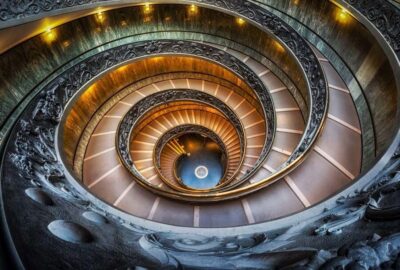
Vatican Museums & Sistine Chapel Tour with Optional Basilica
Read our review →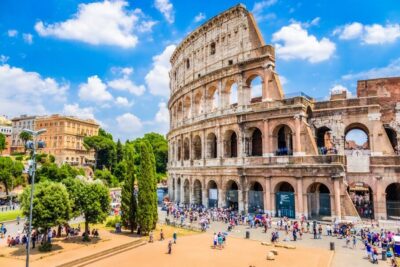
Colosseum, Roman Forum & Palatine Guided Tour
Read our review →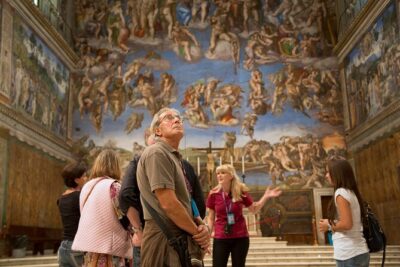
Vatican Museums, Sistine Chapel & St Peter’s Basilica Guided Tour
Read our review →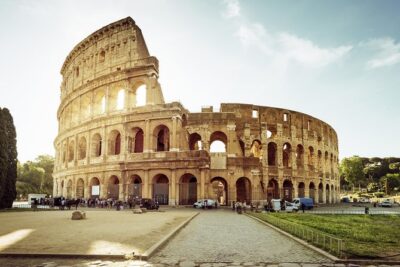
Colosseum, Palatine Hill and Roman Forum Guided Tour
Read our review →
Guided Tour of Colosseum, Roman Forum & Palatine Hill
Read our review →
Colosseum, Roman Forum and Palatine Hill Guided Tour
Read our review →
Vatican Museums, Sistine Chapel & Basilica Tour
Read our review →