
Reviewed · TICKETS
Rome: Leonardo da Vinci Exhibition Entrance Ticket
This Leonardo da Vinci exhibition is interesting because it shows you the leap from sketch to mechanism. At Palazzo della Cancelleria, you get to see 65 full-scale machines built from his ideas and watch 9 holograms bring his paintings and inventions into 3D.
I love that it is not just eye candy. The exhibits are hands-on, and several displays let you test how the machines work rather than only reading about them.
One possible drawback: the museum is fairly compact, and some interactive areas have trip hazards or clear touch rules. If you are traveling with very small kids, you may need to slow down and supervise.
Key Things I’d Prioritize
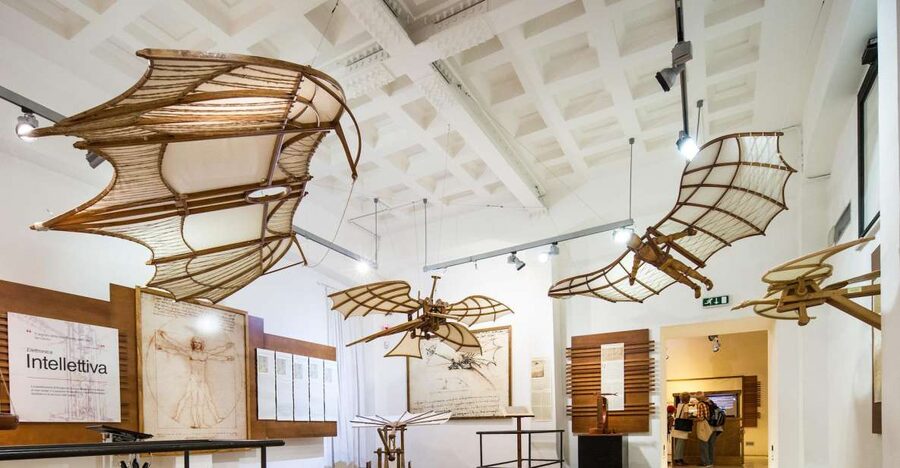
- 65 full-scale machines built from Leonardo’s designs, so you see the engineering, not just the artist
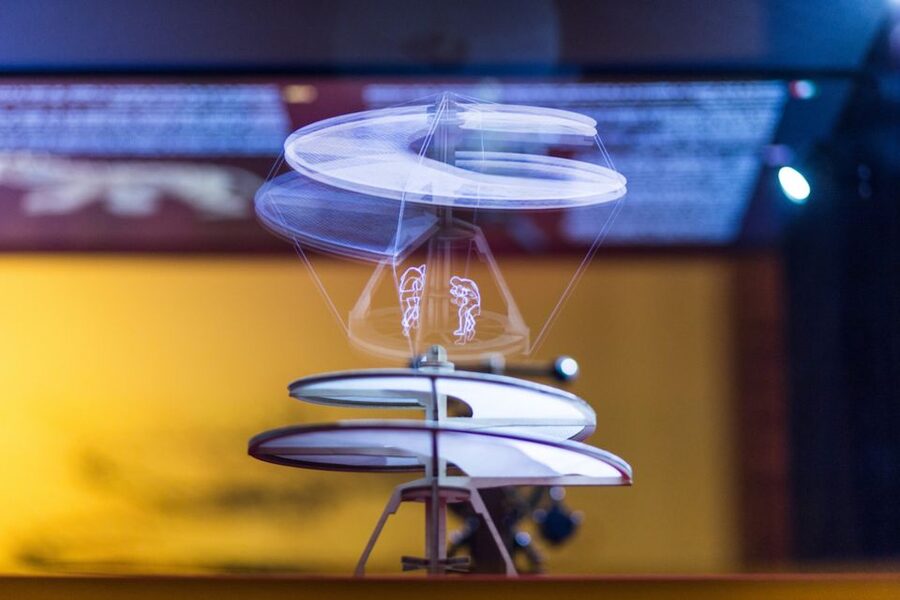
- 9 holograms in 3D that explain paintings and inventions with visual clarity
- Hands-on testing, with machines you can touch and play with
- A bridge-building activity tied to one of Leonardo’s inventions
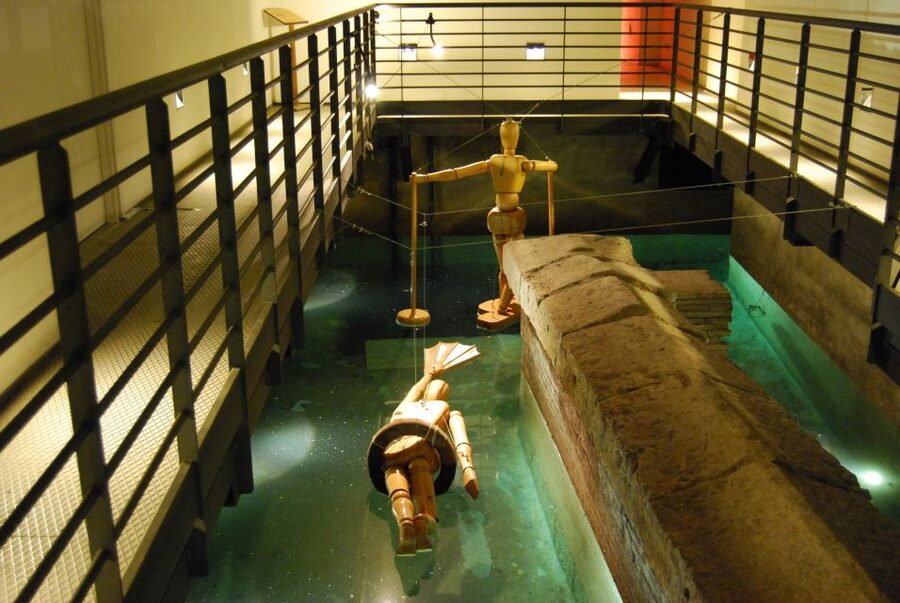
- A dramatic underground tomb scene with a natural pond
- Audio support that many people find makes the order and details easier
Leonardo Comes to Life in a Vatican-Owned Palazzo
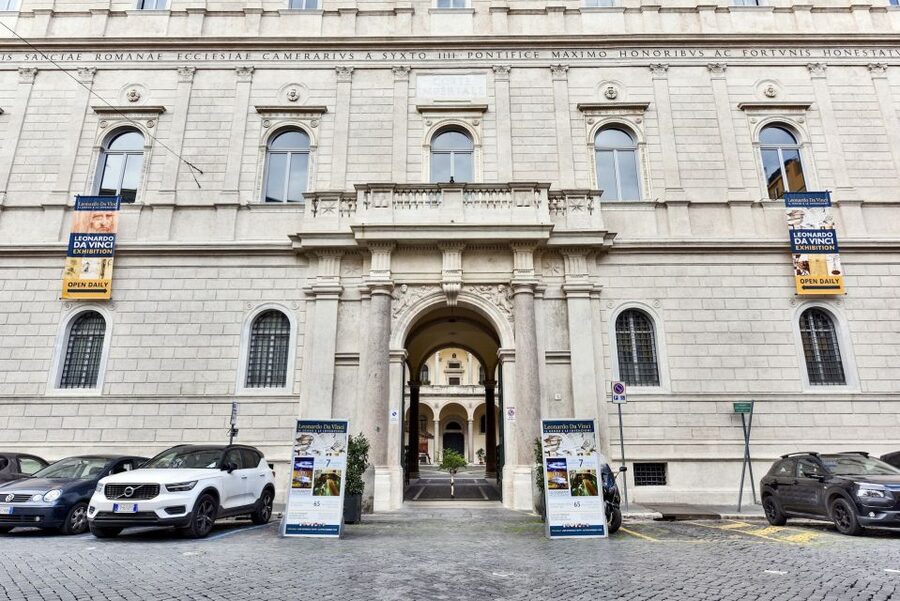
The show takes place at Palazzo della Cancelleria, a real Rome landmark that happens to be owned by the Vatican. Even before you get deep into the exhibition, the building itself adds a layer of intrigue, because you are visiting a place with serious architectural presence.
The exhibition focuses on Leonardo as an engineer and inventor, not only as a painter. You move through multiple sections that organize his thinking into practical categories, and you see how his curiosity ranged from science to flight to military-era engineering ideas.
If you like to understand how things work, this is a good match. The exhibits push you toward mechanical thinking, with models built to represent the logic behind the drawings.
More museums and galleries in Rome:
- Vatican Museums & Sistine Chapel Tour with Optional Basilica
★ 4.3 · 67,413 reviews - Vatican Museums, Sistine Chapel & St Peter’s Basilica Guided Tour
★ 4.5 · 39,149 reviews - Rome: Vatican Museums, Sistine Chapel & Basilica Tour
★ 4.3 · 13,872 reviews
Where to Go, and How to Slot It Into a Rome Day
The meeting point is Piazza della Cancelleria 1, near Campo dei Fiori and Piazza Navona. That location matters because it puts the exhibition right in the middle of classic walking Rome, not out on the edge where you need extra transit time.
I suggest building it around the heat curve. This is partly because it is an indoor experience, and many people appreciate having a cool break when Rome feels like it has its own built-in thermostat.
You can enter until 1 hour before closing time, so you do not have to rush. Still, plan to arrive with enough buffer that you can browse slowly without feeling you are sprinting through the rooms.
Price and Value: A Small Ticket for a Hands-On Engineering Hour
The price is $10 per person for the exhibition, and it is listed as a 1-day valid ticket. In practical terms, the value comes from how much is included in that small price point: entrance fees and a gadget you receive on site.
Many visitors find the visit to be about 45 to 60 minutes, though it can stretch longer if you stop for explanations, try the interactive elements, and watch more of the visuals. Either way, you are not paying museum prices for a quick doorway peek, because the exhibit is packed with physical models and short multimedia moments.
Also, the ticket description notes skip the ticket line. That small benefit can matter in central Rome, where lines can form fast during peak hours.
What You Actually See: Machines, Holograms, and the Da Vinci Brain
The headline promise is clear. You see over 65 full-scale machines made from Leonardo’s designs, and you are also shown 9 holograms that present his paintings and inventions in 3D.
But the better question is what these displays do for you. The machines help you connect drawing-like ideas to real structure and movement. The holograms do the opposite of what a static model does, they let you visualize function and relationships that would be hard to capture with only hands-on components.
You will also meet a centerpiece that feels cinematic in a very old-world way: a tomb dating to 43 BC, set in an underground area with a natural pond. That one scene gives the museum a sense of drama that you do not always get in science-themed exhibits.
A few more Rome tours worth comparing
- Rome:Hop-On Hop-Off Panoramic Open Bus Ticket 3 Circuits x 1
★ 4.0 · 15,405 reviews - Vatican Museums & Sistine Chapel Skip-the-Line Entry Ticket
★ 4.4 · 13,838 reviews - Vatican Museums & Sistine Chapel Skip-the-Ticket-Line Tour
★ 4.3 · 10,486 reviews - Rome: St. Peter’s Basilica & Dome Entry Ticket & Audio Tour
★ 4.2 · 7,537 reviews
Your Walk Through the Four Sections: Water, Air, Fire, Earth
The exhibition takes you through four sections, and the themes are Water, Air, Fire, and Earth. I like this approach because it mirrors how Leonardo tried to understand the world as a system of forces, not as isolated tricks.
Here is how it usually feels as you move through the rooms:
- Water emphasizes how motion and behavior in liquids connect to engineering thinking.
- Air ties into ideas around flight and the behavior of gases and mechanics.
- Fire brings in heat and combustion concepts that matter in real-world technology.
- Earth focuses on the ground as an engineering problem, with forces, materials, and construction logic.
The goal is not memorizing categories. It is building a mental map of Leonardo as someone who tested ideas, refined them through observation, and carried principles across disciplines.
You should expect the exhibit to touch on science, aviation, and military-related engineering concepts too. Even if those topics are not your usual museum interests, the format helps because the displays are practical and visual.
The Best Part: Touching the Machines and Testing How They Work
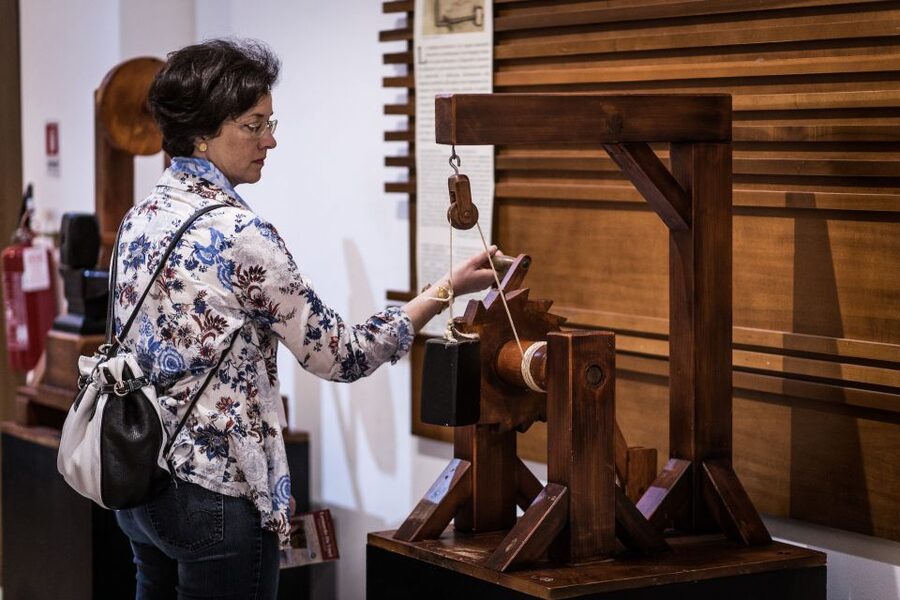
One of the most praised aspects is interactivity. The exhibition highlights that you can touch and play with almost all the machines on display, and you can also build your own version of a bridge that Leonardo invented.
That bridge activity is the kind of thing that makes the information stick. Leonardo’s drawings can be fascinating, but building a version forces you to confront the basic engineering question: what holds, what transfers force, and what fails.
Some machines are set up for direct engagement, and the vibe is more workshop than gallery. If you learn better by doing, you will get more out of this than you would from a traditional exhibit with glass cases only.
One caution: because it is hands-on, you should watch your footing and follow touch instructions closely. This is especially important if you are traveling with kids who are quick to sprint toward the next interactive station.
Holograms in 3D: When Art and Engineering Share the Same Stage
The holograms are a major reason people recommend the experience. You will see 9 holograms that show Leonardo’s paintings and inventions in 3D, and that format helps you understand scale, motion, and connections.
What makes this work well is that it supports the exhibits rather than competing with them. You can watch a visual explanation, then walk to a physical model that matches the idea, and suddenly you see the same concept from two angles.
If you are the kind of person who sometimes gets lost reading museum labels, the holograms can anchor you. They give your eyes a job to do besides just looking for pretty objects.
The Underground Tomb With a Natural Pond
The museum does something memorable with the past. You encounter a tomb from 43 BC immersed in an underground natural pond, and that scene sits inside the Palazzo’s larger context.
This part is not about Leonardo’s sketches directly, but it adds atmosphere, and it also helps the museum feel like more than a temporary science display. It reminds you you are inside a historical building that holds multiple layers of time.
If you want a moment that feels less like a classroom and more like a story setting, this is it. Take your time here because it is one of the more visually striking transitions in the whole route.
Audio and Gadgets: How to Get the Most From the Explanations
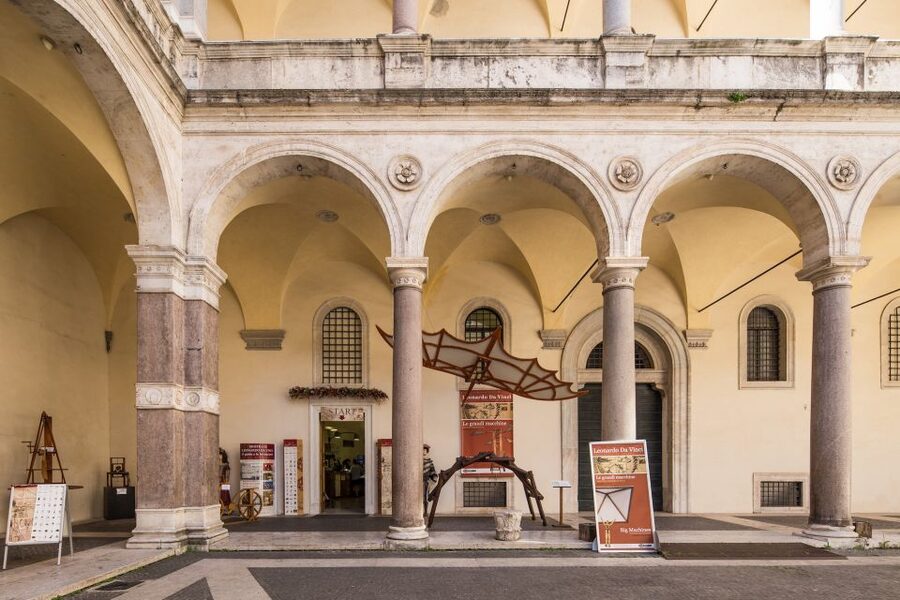
Your ticket includes a gadget. Many visitors also recommend adding the audio guidance or headphone option when available, because it adds context and makes the experience easier to follow.
I find audio support helps with exactly the problem this kind of museum can have: rooms that show different concepts can feel out of order if you only rely on the label text. With audio, you get a guided rhythm, and you spend more time understanding what you are looking at.
If English explanations are available, you should be in good shape. Reviews strongly suggest the museum’s information is presented clearly enough for a range of interests, from casual curiosity to true engineering geekery.
Staff, Layout, and the Pace That Works
People consistently describe the staff as friendly and welcoming, and that matters here because the museum experience depends on you asking questions or getting help when you are trying to find the next room. It is not a giant building, so good guidance saves time and keeps the visit calm.
The layout is designed to be walk-through, and many visitors finish in under an hour, while others linger closer to two hours. I suggest treating it like a focused afternoon stop, not a full half-day plan.
One small logistics consideration: some people note that room flow and directions can be slightly confusing at first. If you feel that, do not fight it. Pause, reset your bearings, and let the audio guide or staff pointers do their job.
Who This Exhibition Is For (and Who Might Skip It)
This is a good fit for:
- Families who like hands-on activities, since the interactivity is a big part of why people rate it highly
- Adults who enjoy engineering, invention, and mechanical problem solving
- Anyone who likes the idea of Leonardo as a polymath, where art and engineering overlap
It might be less ideal for:
- Very young kids who cannot manage moving carefully around interactive spaces
- People who only want world-famous masterpieces in traditional museum style, since this show is built around machines and concepts
If your Rome trip includes big classics, this can work as a smart counterbalance. It is calmer than some of the most crowded sites, and it gives you a different kind of “wow.”
The Palazzo Beyond the Exhibit: A Few Extra Reasons to Linger
Even if your main goal is the Leonardo exhibition, the Palazzo itself has layers you might notice. The upper floor hosts the Sacra Rota, tied to church processes involving marriage.
You can also find the tomb of architect Auro Irzio dating to 43 BC, set in an underground natural pond. That echoes the atmosphere you experience inside the exhibition and makes the whole visit feel anchored in real place, not just a set of displays.
After you finish the show, you are steps away from some of Rome’s classic walking zones near Campo dei Fiori and Piazza Navona. That is a practical win because you can wrap up your museum time and keep moving without needing a complicated plan.
Should You Book the Leonardo da Vinci Exhibition Ticket?
If you want a low-cost, hands-on way to see Leonardo as an inventor, I think this is worth booking. The combination of full-scale machines, 3D holograms, and the chance to touch and test models makes it feel like an experience, not a passive lecture.
Book it especially if you like practical learning, you are traveling with kids who enjoy pushing buttons and trying things, or you want a cool indoor break near the center of Rome.
I would skip or reconsider only if you strongly prefer traditional art museums with quiet viewing and you dislike interactive, sometimes slightly chaotic movement around displays. Otherwise, this is one of those places where your eyes and hands both get an assignment, and Leonardo’s ideas actually come off the page.
FAQ
Where is the Leonardo da Vinci exhibition located?
It is at Piazza della Cancelleria 1 in Rome, near Campo dei Fiori and Piazza Navona.
How much does the ticket cost, and how long does the visit take?
The ticket is $10 per person. The exhibition is listed as a 1-day ticket, and many visitors report spending about 45 to 60 minutes, with some taking closer to 2 hours.
What is included with the ticket?
Your ticket includes exhibition entrance fees, and you receive a gadget.
Is a guide included?
No, a guide is not included with this ticket.
Can you interact with the exhibits?
Yes. You can touch and play with almost all the machines on display, and you can also build your own version of a Leonardo bridge.
Are there holograms, and how many?
Yes. There are 9 holograms showing Da Vinci’s paintings and inventions in 3D.
Is the venue wheelchair accessible, and how late can I enter?
The exhibition is wheelchair accessible. Entrance is available until 1 hour before closing time.
Recently reviewed around Rome
- Rome: Castelli Romani Hop-on and Hop-off Tour★ 4.9 · 32 reviews
- Rome: Scavenger Hunt Self-Guided Tour★ 4.6 · 15 reviews
- Rome: Food Tour near Vatican City with Wine★ 4.8 · 100 reviews
- Hidden Rome: Small Group E-Bike Tour with Street Food Stops★ 4.9 · 144 reviews
- Rome: Highlights Tour in Golf Cart★ 4.9 · 28 reviews
- Rome: Hop-on Hop-off Bus Tour and Colosseum Experience★ 3.4 · 163 reviews
- Rome: Guided Haunted Rome Ghost Tour with Dowsing Rods★ 4.8 · 63 reviews
- Rome: Highlights Photo Shoot for Memorable Moments★ 5.0 · 32 reviews
Tickets, compared.
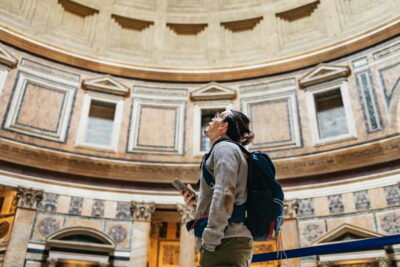
Pantheon Fast-Track Ticket and Official Audio Guide
Read our review →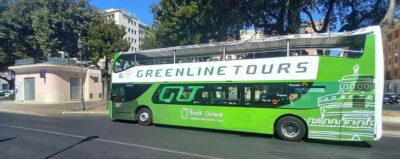
Hop-On Hop-Off Panoramic Open Bus Ticket 3 Circuits x 1
Read our review →
Vatican Museums & Sistine Chapel Skip-the-Line Entry Ticket
Read our review →
Vatican Museums & Sistine Chapel Skip-The-Line Ticket
Read our review →
Vatican Museums & Sistine Chapel Skip-the-Ticket-Line Tour
Read our review →
St. Peter’s Basilica & Dome Entry Ticket & Audio Tour
Read our review →
Vatican Museums Sistine Chapel Skip-the-Line Ticket
Read our review →Browse the lists this tour appears in