
Reviewed · ROME
Explore Christian Rome and the Underground of San Clemente
Christian Rome has a special trick up its sleeve. You do not just look at churches, you get to see what sat underneath them, in the same streets and the same stones. This half-day route links the story of early Christianity with the places you actually pass every day in Rome, but with a very different view than the usual sightseeing loop.
I love the hands-on feeling you get at San Clemente, especially once you’re below the basilica and the layers start to make sense. I also really like how the tour keeps weaving ideas together, from Emperor Constantine’s world to the Holy Stairs area and ending with Michelangelo’s Moses in San Pietro in Vincoli.
One possible drawback: this is a church-focused tour with dress rules. If you show up in shorts, miniskirts, or with uncovered shoulders, you may be turned away. Also, the underground parts and walking add up, so it is not a good fit if you have mobility limits.
Key things I’d circle on your map
- Three levels at San Clemente, plus the underground floors you actually need to experience in person
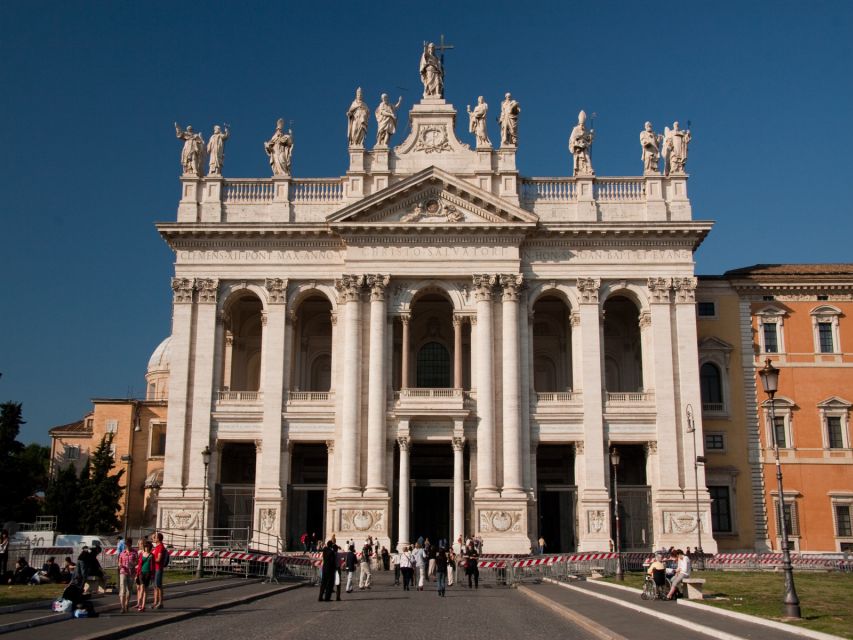
- Lateran first, so you start with the seat of the bishop and the oldest of the four Papal Basilicas
- A Mithras altar from the 1st century inside the Christian layers at San Clemente
- Santi Quattro Coronati and its 2002 fresco discovery, with scenes like the Zodiac and Four Seasons
- Michelangelo’s Moses as the clear high point in San Pietro in Vincoli
- Professional live guiding that can be story-driven and subject-matter strong, especially if you get a guide with an archaeology background
Laterano Caffè start, basilica dress rules, and how the timing works
You meet at Laterano Caffè. That is a handy start point because you’re close to the Lateran area before the walking ramps up. The tour runs about 3 hours, moving on foot between the churches, with guided time at each stop.
The big practical issue is the basilica dress code. Shorts, miniskirts, and uncovered shoulders are not allowed for entry. If you’re traveling in summer heat, plan light layers you can keep on, or at least bring a scarf or light cover for your shoulders.
The tour also operates rain or shine, so comfortable shoes matter more than you’d think. You will be on your feet for multiple short stretches, plus the longer guided time at San Clemente. Bring sunglasses and a camera, since Rome at street level is one thing, and Rome down below is another.
Other things people book around Rome:
- Vatican Museums & Sistine Chapel Tour with Optional Basilica
★ 4.3 · 67,413 reviews - Vatican Museums, Sistine Chapel & St Peter’s Basilica Guided Tour
★ 4.5 · 39,149 reviews - Rome: Colosseum, Palatine Hill and Roman Forum Guided Tour
★ 4.8 · 32,814 reviews
Stop 1: St. John in Lateran, Rome’s cathedral church
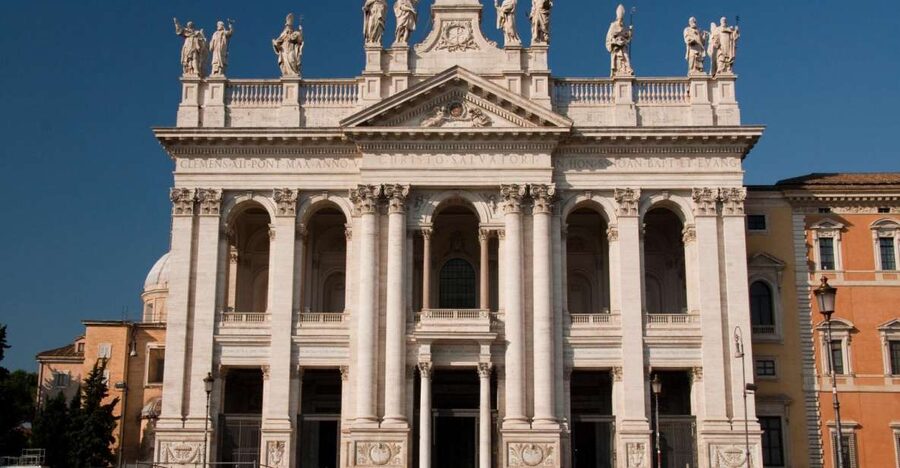
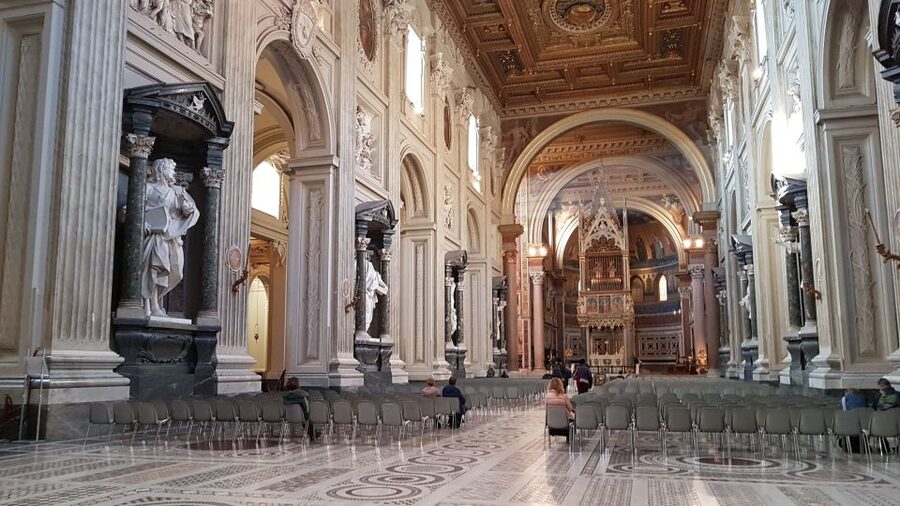
Your first major stop is the Basilica di San Giovanni in Laterano. This is the oldest of the four Papal Basilicas and it’s often described as the Church of Rome, with the weight of a mother church behind it. You get a photo stop, a guided visit, and some walking time to orient yourself.
Why I think starting here is smart: it sets the frame for everything that follows. When you later go underground at San Clemente, you’re not just seeing older rooms. You’re seeing how Christian worship developed in Rome and how church leadership tied into the physical spaces.
This stop is also a nice breather because it’s more straightforward than the underground portions. You get guidance, you get context, and you get your bearings before the layers start getting complicated.
Stop 2: Basilica di San Clemente al Laterano and why it feels like time travel
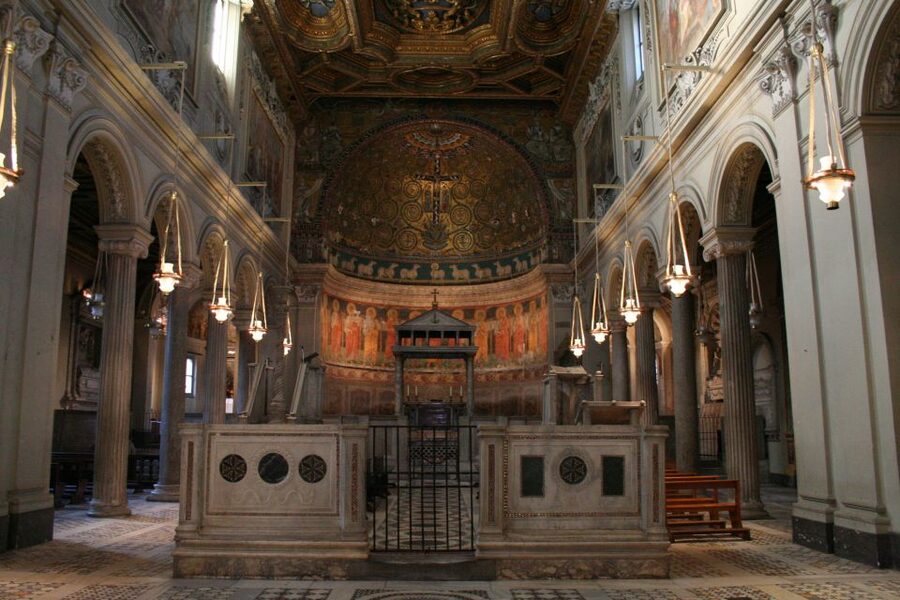
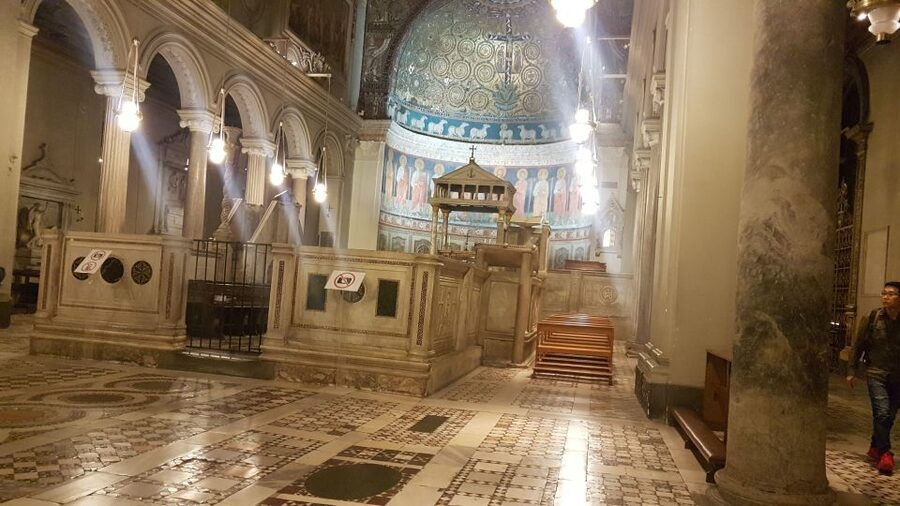
Then you head to the star of the day: Basilica di San Clemente al Laterano. This church is the only one in Rome that is known for being built on three different levels, spanning from the 1st to the 12th centuries. That sounds like trivia until you’re standing there and realizing you’re looking at multiple eras stacked like chapters.
You’ll spend about 1.5 hours here, including guided time and exploration of the underground floors. The surface church is interesting, but the real reason people book this tour is that you can actually follow the story as the building evolved.
A practical note: San Clemente rewards attention. Don’t rush it. Let the guide connect what you’re seeing above to what you’re seeing below. That is where the mental “click” happens.
Underground of San Clemente: where the Christian story meets older cults
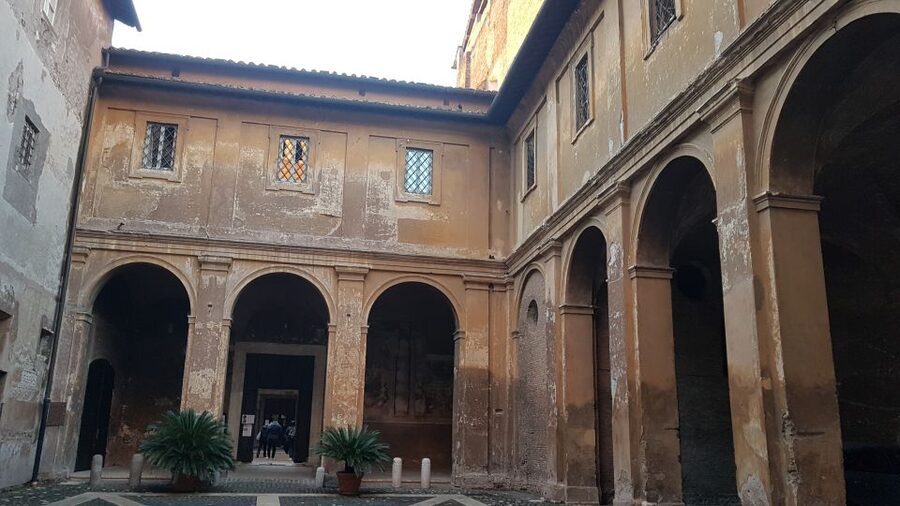
This is where the tour earns its name. Underground at San Clemente, you’re walking through a physical summary of Rome’s religious changes.
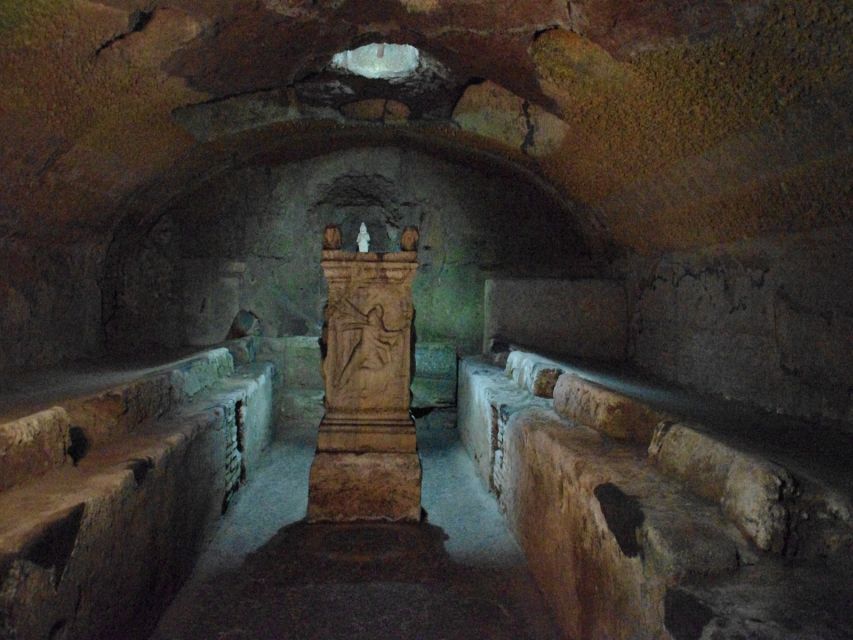
One detail I’d highlight is the altar of Mithras from the 1st century. Yes, that means you’re not only in Christian space. You’re in Rome’s transition zone, where different belief systems competed and coexisted over time. That altar presence makes the Christian story feel less like a clean timeline and more like a real city with real layers.
You’ll also get the sense of why early Christians used the underground spaces. It wasn’t just romance. It was practical, social, and sometimes political. A good guide turns the underground into a story you can actually follow, rather than a dark corridor of stone.
If your guide has an archaeology background, you’ll likely get extra clarity on what you’re seeing and why certain features matter. Guides such as Roberto or Mohamed can bring exactly that kind of story-first, deeply informed approach. You want someone who shares what matters without turning the tour into a lecture.
Same city, a completely different kind of day:
- Rome: Guided Tour of Colosseum, Roman Forum & Palatine Hill
★ 4.7 · 27,897 reviews - Rome: Colosseum & Forum with Audio Guide App -Optional Arena
★ 4.2 · 24,770 reviews - Rome: Colosseum, Roman Forum and Palatine Hill Guided Tour
★ 4.5 · 23,903 reviews - Rome: City Sightseeing Hop-on Hop-off Bus with Audioguide
★ 4.0 · 16,045 reviews
Stop 3: Santi Quattro Coronati, Constantine’s trail, and the 2002 fresco shock
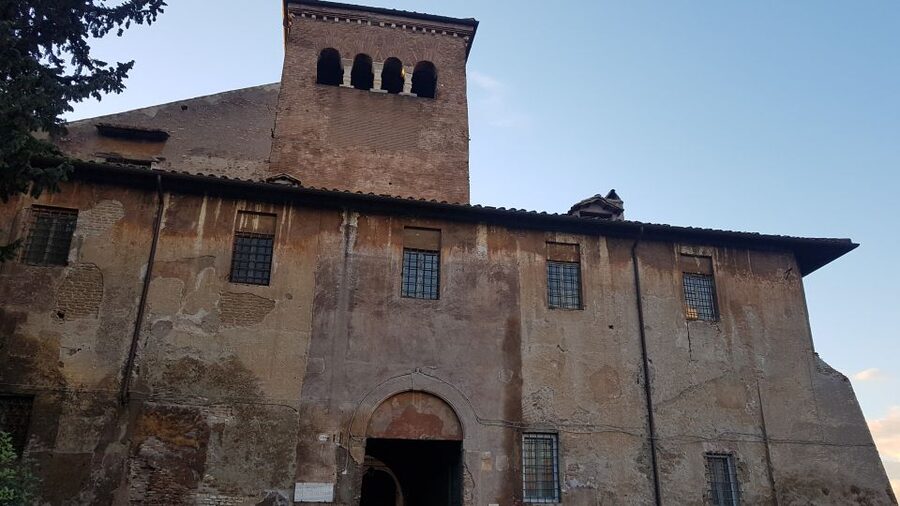
Next up is Santi Quattro Coronati. This church is dedicated to four anonymous saints and martyrs, which makes it feel slightly mysterious in the best way. You also get a guided explanation of the story tied to Emperor Constantine, an essential thread if you’re interested in how Christianity gained power in Rome.
This stop is short, about 15 minutes, but it includes a high-impact moment: an extraordinary fresco series discovered in 2002. You’ll see scenes linked to the Zodiac, the Four Seasons, Liberal Arts, and King Solomon.
Why that matters for you: it shows Christianity in a Roman city was not only about doctrine. It was also about images, symbolism, education, and how people learned to read meaning. Even if you’re not a church-art specialist, this is the kind of detail you remember later because it sounds different from the usual church scenes.
If you want the “wow” moments without spending all day in museums, this church hits that goal.
Stop 4: San Pietro in Vincoli, Michelangelo’s Moses, and a tradition of chains
Your final stop is Basilica di San Pietro in Vincoli. The name is tied to chains connected to tradition, including the idea that Helene, Constantine’s mother, brought chains to Rome. Local tradition also mentions miracles related to those chains and a joining to another set in Rome.
But the main art payoff here is Michelangelo’s Moses, described as his most important work. This is a huge deal in Rome for anyone who likes Renaissance art, even if you’re only casually interested. You get a guided visit, photo time, and a short wrap-up, around 15 minutes.
Why this stop is a strong landing point: it balances the underground with something you can see directly and emotionally. Under churches, you’re tracking layers. With Michelangelo’s sculpture, you’re tracking human expression. It’s not the same kind of awe, but it’s still awe.
Pace and what you’ll actually feel after 3 hours
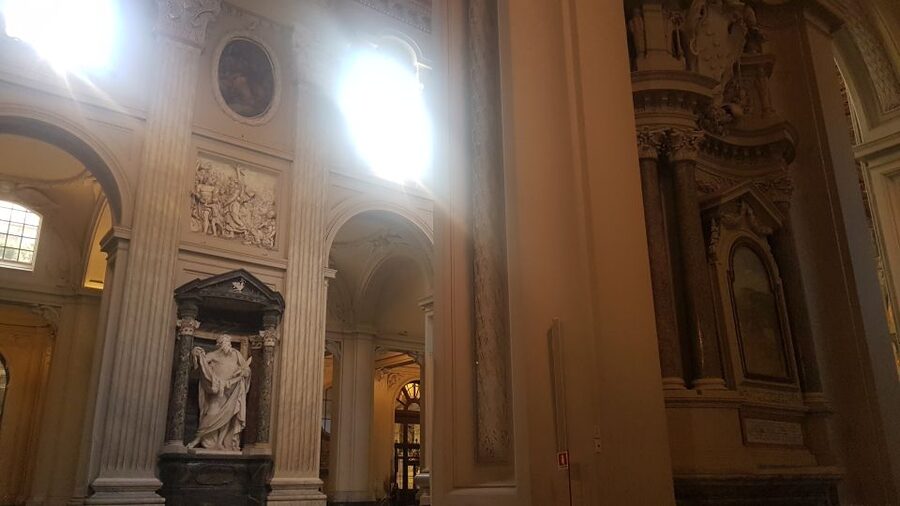
This is not a sit-down tour. It is a walking route that keeps moving. You’ll have guided time at each church, plus photo stops and short walks between sites. The underground visit at San Clemente is the time anchor, and the other stops orbit around it.
That structure is a good fit if you want depth without a full day. By the time you’re finished, your brain has a clearer map of Christian Rome, including the “why” behind the buildings.
The biggest pacing consideration is footwear and patience with dress rules. If you show up prepared, you’ll feel smooth. If you don’t, you’ll burn time dealing with clothing issues or avoiding areas you cannot enter.
What’s included, and whether $167.66 feels fair
At $167.66 per person, you’re paying for a focused, guided route rather than casual browsing. In practice, that cost makes more sense because key parts are bundled.
You get:
- a 3-hour professional guide
- Basilica San Clemente entrance tickets
- a visit to San Giovanni Cathedral (the Lateran basilica)
- time to see Michelangelo’s Moses
- skip the ticket line for the basilicas included in the route
You also benefit from a small-group style experience, which usually means more back-and-forth questions and less time standing around. The guide language options are Spanish, English, and French, so you can match your comfort level.
If you tried to do this alone, you would still need to line up for entries and figure out how to connect the stories across multiple churches. Paying for the guide is what turns the “list of sights” into a coherent walk.
Who should book this Christian Rome underground tour
I think this tour suits you best if:
- you want Christian Rome explained, not just photographed
- you like seeing how cities evolve across centuries
- you want underground archaeology-type access without planning multiple tickets and separate guided sessions
- you appreciate art and symbolism, from Mithras to mosaics and fresco scenes to Michelangelo’s sculpture
It might be less suitable if you:
- need wheelchair access, because it is not suitable for wheelchair users
- have mobility impairments that make steps or uneven underground areas hard
- cannot follow the basilica clothing rules
It is also a good choice if you want a story-led tour that feels human. In particular, guides such as Roberto and Mohamed are described as passionate and calm, with a focus on sharing information rather than forcing clever commentary.
Should you book it?
If your goal is to understand why Rome’s churches look the way they do, and you want at least one unforgettable underground experience, I’d book this. San Clemente is the kind of stop that makes the rest of the day feel connected, and the Moses in San Pietro in Vincoli gives you a satisfying art finish.
If dress code rules stress you out, plan ahead before you go. Otherwise, you’ll lose time and possibly access. And if walking is hard for you, you should look for an option built for your mobility needs.
This is a compact tour with real payoff: layered Christian Rome above and below ground, plus Constantine-era context and Michelangelo’s Moses all in one half-day.
FAQ
How long is the Christian Rome and Underground of San Clemente tour?
The tour lasts about 3 hours.
Where do I meet the guide?
You meet at Laterano Caffè. The guide waits in front of the coffee bar.
What stops are included?
The route includes Basilica di San Giovanni in Laterano, Basilica di San Clemente al Laterano, Santi Quattro Coronati, and Basilica di San Pietro in Vincoli.
What is included in the price?
The tour includes a professional guide for 3 hours, entrance tickets for San Clemente, a visit to the San Giovanni cathedral, and viewing Michelangelo’s Moses. It also includes skip-the-ticket-line access for the basilicas in the tour.
Is this tour in small groups?
It is described as a small group tour.
Do I need to buy tickets for San Clemente?
Your San Clemente entrance tickets are included, and you also get skip-the-ticket-line access.
What language options do you have?
The live guide is available in Spanish, English, and French.
What should I wear to enter the churches?
You must not wear shorts or miniskirts, and your shoulders must be covered. Uncovered shoulders are not allowed.
Is the tour rain or shine?
Yes, it runs rain or shine.
Is it suitable for wheelchair users or limited mobility?
No, it is not suitable for wheelchair users and not suitable for people with mobility impairments.
Recently reviewed around Rome
- Rome: Castelli Romani Hop-on and Hop-off Tour★ 4.9 · 32 reviews
- Rome: Food Tour near Vatican City with Wine★ 4.8 · 100 reviews
- Rome: Scavenger Hunt Self-Guided Tour★ 4.6 · 15 reviews
- Hidden Rome: Small Group E-Bike Tour with Street Food Stops★ 4.9 · 144 reviews
- Rome: Highlights Tour in Golf Cart★ 4.9 · 28 reviews
- Rome: Hop-on Hop-off Bus Tour and Colosseum Experience★ 3.4 · 163 reviews
- Rome: Guided Haunted Rome Ghost Tour with Dowsing Rods★ 4.8 · 63 reviews
- Rome: Highlights Photo Shoot for Memorable Moments★ 5.0 · 32 reviews