
Reviewed · WALKING TOURS
Rome: Walking Tour of World War 2 in Rome
WWII in Rome works because it puts the conflict into the same streets you already want to walk anyway. This tour turns major sights into evidence you can read, with WWII-era signs and memorials that are easy to miss on a normal sightseeing day.
I especially like how the walk ties together politics and place, so Mussolini’s connection to ancient Rome becomes more than a trivia fact. One thing to consider: this is a history-first route. You will cover ground and spend time looking at serious material, so it is not the best fit if you want mostly light, relaxed sightseeing.
Key Things You Will Notice on This WWII Walking Tour
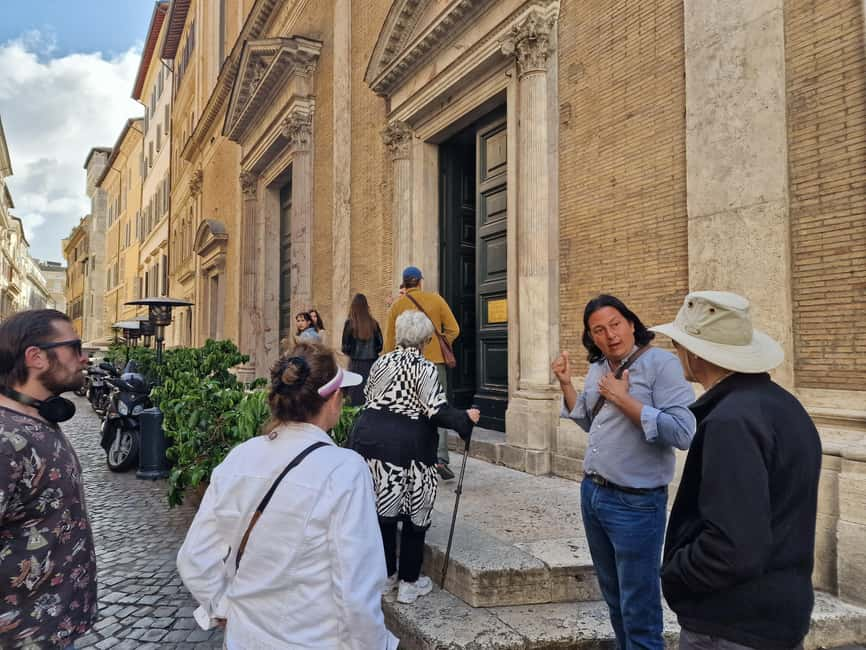
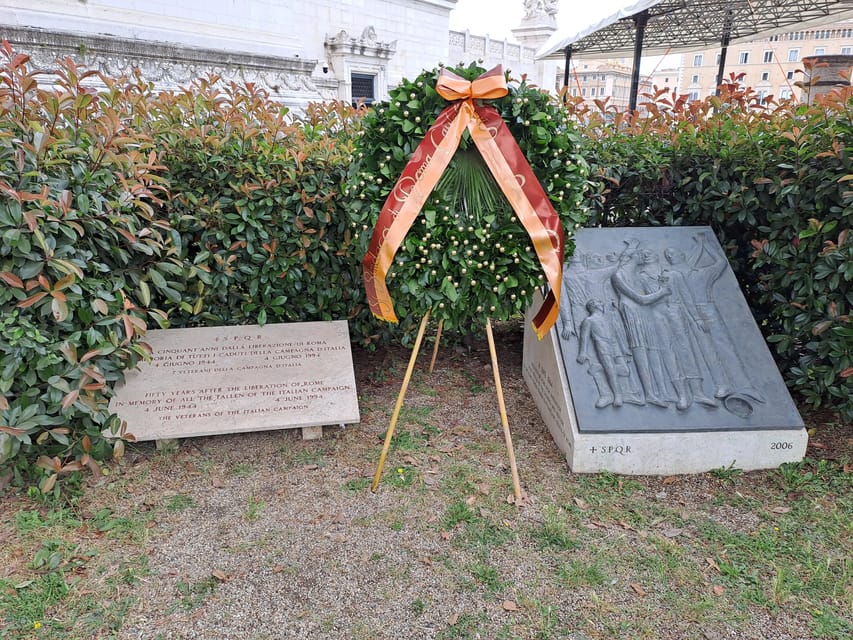
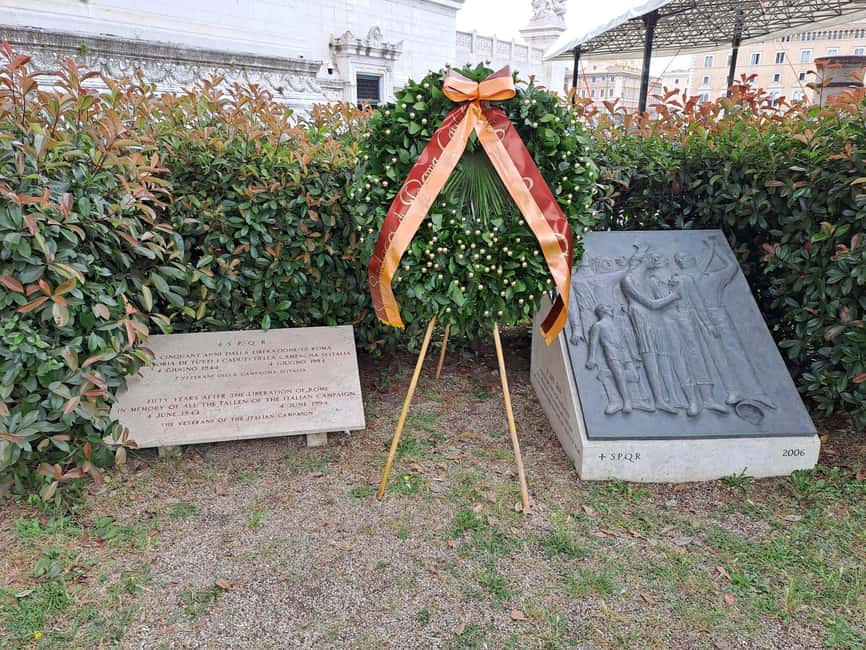
- Hidden-in-plain-sight memorials that you can spot only once your guide points them out
- Piazza Venezia and Mussolini’s balcony, the regime’s stage in the middle of daily life
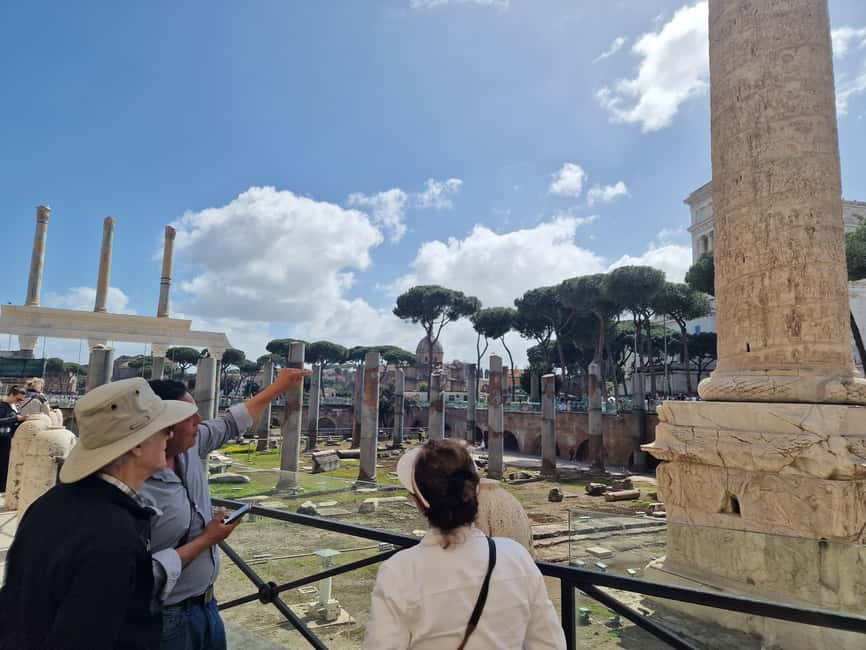
- Trajan’s Column as the starting anchor, a visual setup for how later power used Rome’s past
- The Jewish Ghetto stop, focused on the history of the Jewish community in Rome
- Church and war in the Fascist period, discussed while you move toward the Tiber River
WWII Rome, Where the Past Shows Up in Daily Sightlines
Rome already feels layered, but this tour adds a sharp layer: the Fascist years, Nazi occupation, and liberation all left physical marks. The guide frames the city as a capital of Fascism for about twenty years, then a Nazi occupied city for nine months, and finally a city liberated in June 1944.
That timeline matters because you start noticing patterns. Instead of seeing a monument as just a monument, you start reading it like a message. Rome’s stone doesn’t just decorate, it communicates.
You also get the sense that war is not only something that happened elsewhere. It affected public life, culture, and the way institutions positioned themselves. If you like connecting dots across time, this tour gives you a method.
More walking tours in Rome:
- Rome: Trastevere & Campo de Fiori Street Food Walking Tour
★ 4.9 · 2,768 reviews - Rome: Paranormal Night Walking Tour & Secret Backstreets
★ 4.9 · 1,921 reviews - Rome by Night Walking Tour – Legends & Criminal Stories
★ 4.5 · 1,003 reviews
Meeting at Trajan’s Column, Finding the Orange Lion Head Sign
The tour meets near Trajan’s Column, at a café along the fencing. Your guide stands in front of the café and holds an orange sign with a lion head. It is easy to miss if you are wandering, so I suggest arriving early enough to take a breath and get your bearings fast.
Check in about 15 minutes before the scheduled start. The tour departs promptly, and late arrivals can miss the start. This matters more than usual because the first minutes set the tone for how the rest of the walk will be read.
The tour is designed for a small group, limited to 10 participants, so you can actually ask questions without shouting into a crowd. That size also helps the guide move you between stops at a human pace.
Piazza Venezia, Mussolini’s Balcony, and the Idea of a National Stage
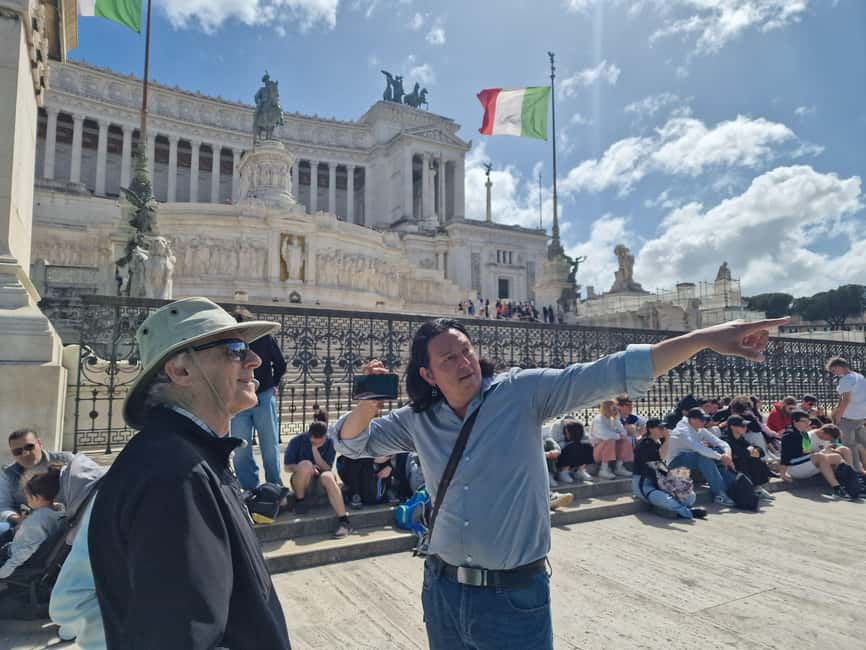
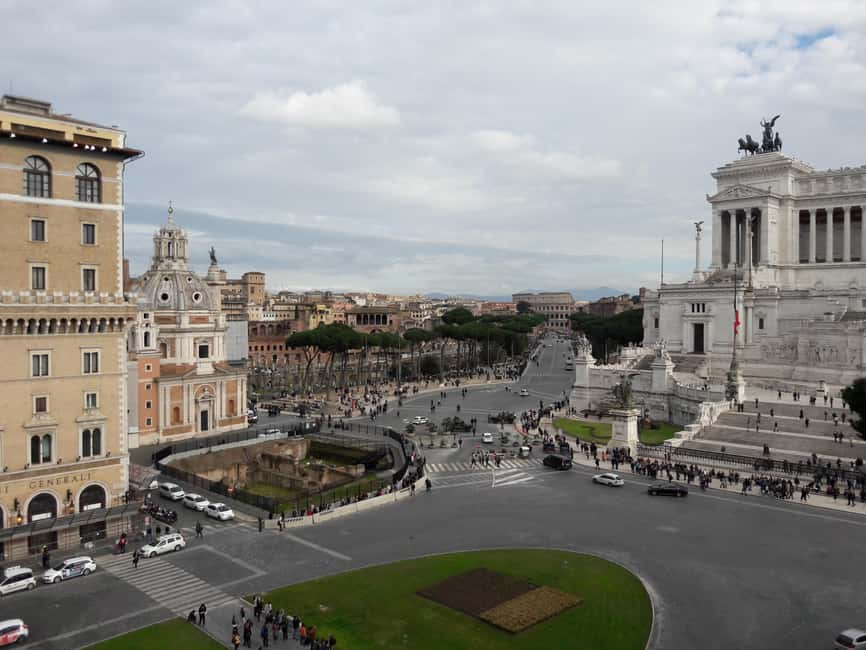
You start at Trajan’s Column and then move quickly toward Piazza Venezia. This square is the center stage of Fascist Italy, because Mussolini spoke from his famous balcony to crowds gathered below.
What I like about this stop is the way it turns the square from a photo-op into a political tool. Once you understand that balcony moment, you start noticing how public space can be used to shape identity. The guide helps you see the square as a stage where the regime tried to direct how people felt and what they believed.
From here, the tour keeps the pressure on. You are not just hearing names and dates. You are learning how the regime used visibility, ceremony, and symbolism.
Ancient Roman Forum, How Fascists Used Rome’s Old Stone
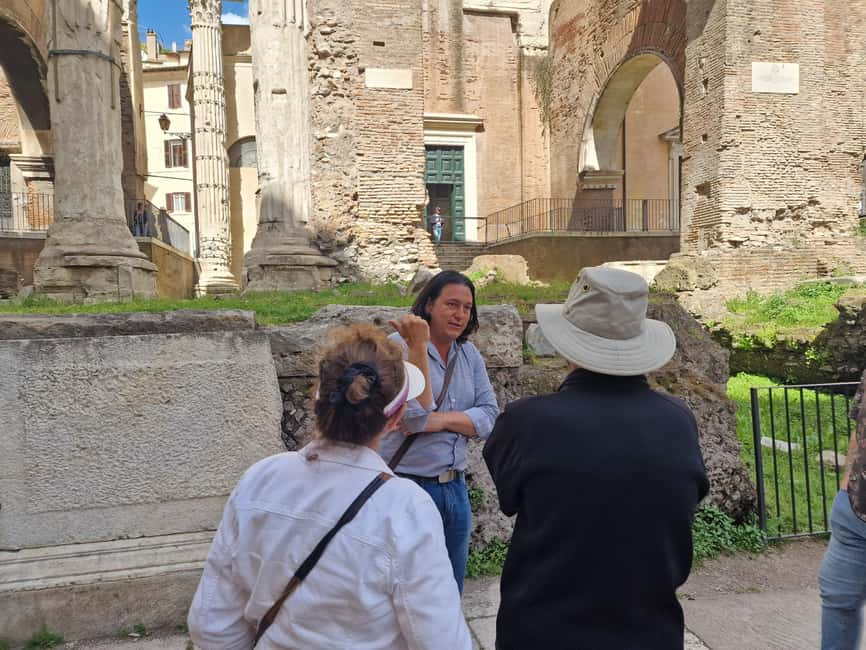
The walk continues into the Ancient Roman Forum area, and this is where the tour gets especially satisfying if you enjoy the intersection of history and architecture. The guide explains how Mussolini’s obsession with ancient Rome influenced what was uncovered and emphasized.
In practical terms, you start seeing how some familiar Roman spaces feel staged, not neutral. That does not mean the ancient pieces are fake. It means the modern power made choices about what to reveal, what to highlight, and what story to tell.
This is one of the reasons the tour feels different from a standard walking circuit. You are not just learning that Fascists admired Rome. You are watching how that admiration shaped what later visitors, including you, encounter on the ground.
Same city, a completely different kind of day:
- Vatican Museums & Sistine Chapel Tour with Optional Basilica
★ 4.3 · 67,413 reviews - Vatican Museums, Sistine Chapel & St Peter’s Basilica Guided Tour
★ 4.5 · 39,149 reviews - Rome: Colosseum, Palatine Hill and Roman Forum Guided Tour
★ 4.8 · 32,814 reviews - Rome: Guided Tour of Colosseum, Roman Forum & Palatine Hill
★ 4.7 · 27,897 reviews
The Jewish Ghetto Stop, Learning the Jewish Community History in Rome
Next comes the Jewish Ghetto, where the guide talks about the history of the Jewish community in Rome. This stop is important because it brings the tour back to people, not only ideology.
The tone here is more grounded. You are asked to look at the area with a fuller understanding of what life meant for the Jewish community, and how broader politics and war created pressure and consequences.
I recommend bringing a little patience. This is not a quick photo moment. It is a stop meant to give you context so your later memories of Rome include the people who were affected, not just the winners and the monuments.
Piazza Navona to the Tiber, The Church’s Position During Fascist Rule and War
From the Jewish Ghetto, the route moves through Piazza Navona and then toward the Tiber River. At these points, the guide connects the Church to the Fascist period and the war.
Even if you already know Rome is religious on a deep level, the tour pushes you to think about institutions in a specific historical moment. You start asking questions like: How did power seek legitimacy? What roles were public figures expected to play? How did religion interact with politics when the stakes went up?
This stretch of the walk also gives you the classic Rome geometry, squares and river views, but with a different mental filter. You will look at the Church’s position with more clarity because you are not treating it like a timeless backdrop.
June 1944 Liberation, When the Nazis Fled and the US Fifth Army Entered
One of the tour’s strongest emotional arcs comes at the end, with the June 1944 liberation story. The guide recalls the day the Nazis fled the city and the US Fifth Army entered, described through scenes of mass jubilation.
This ending lands because it reframes everything you saw earlier. Fascist-era messaging and war-time positioning no longer feel like separate chapters. They start to feel like one long push, interrupted by a sudden shift in power and a visible release of tension.
It also helps you leave with a cleaner mental timeline for Rome’s WWII years, so you can connect what you learn here to what you see on your own later.
The Guide Makes It Work, Especially James and His Visual Aids
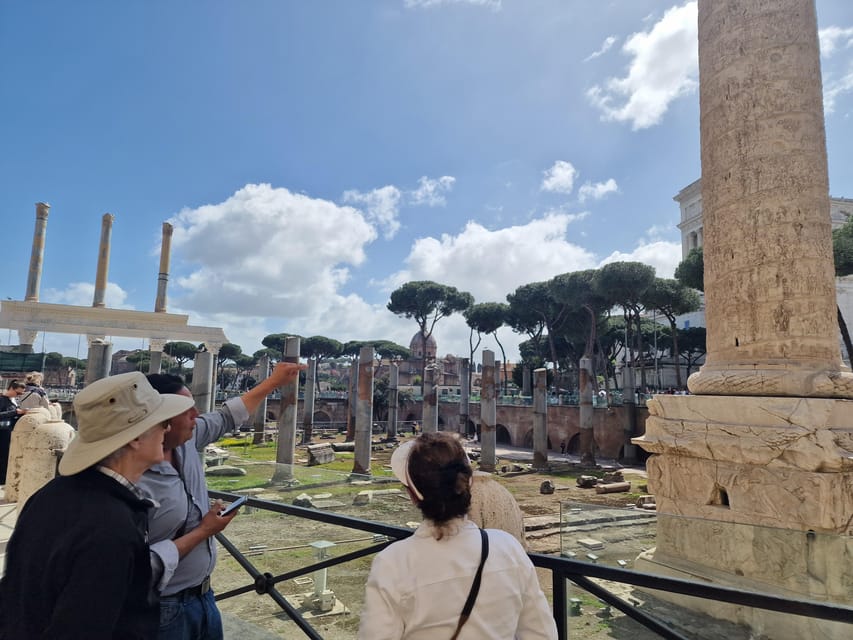
A big reason this tour earns top marks is the guide’s delivery. In at least one case, the guide was named James, and his approach was clearly built around strong expertise in WWII Italy.
One review noted that the guide supported stories with historical photos and video. That matters because it stops the walking history from staying abstract. You can picture the people and the atmosphere, not just memorize the plot.
Another pattern from the feedback: guests felt the guide pointed out small details they would have otherwise walked past. That is the whole point of this style of tour. You come out seeing more than the obvious.
Price and Value: $88 for 2.5 Hours of Guided Context
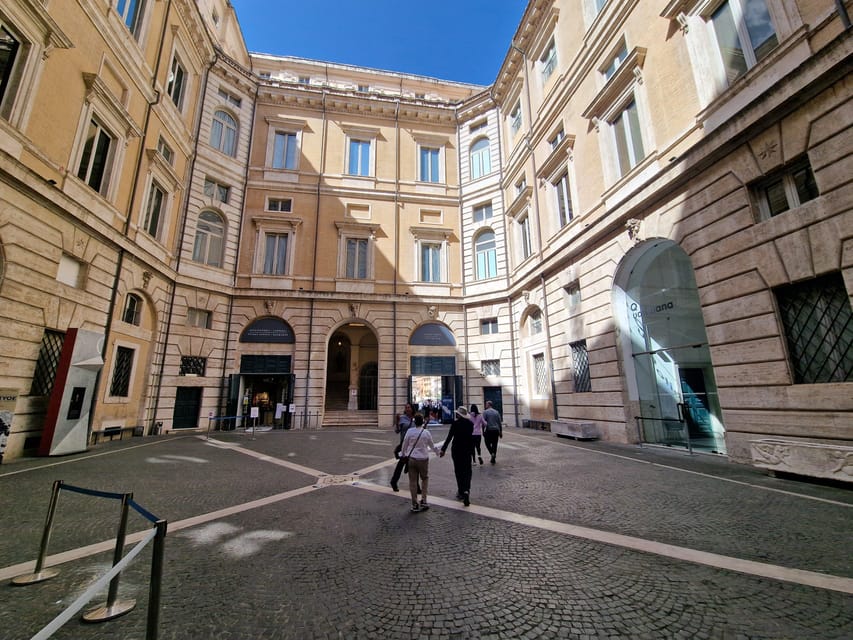
The price is $88 per person for a 2.5-hour walking tour. That can sound steep until you compare what is included. You get an expert tour guide, a focused route, and a small group size capped at 10.
Also, the tour is built to make sense of Rome as you walk. You are paying for interpretation, not just movement from A to B. With WWII history, that interpretation is the difference between seeing signs and understanding why they matter.
Food and drink are not included, and transportation to and from the meeting point is also on you. Plan to handle those basics, but the core experience is concentrated in the time with the guide.
Walking Comfort, Weather Reality, and Church Dress Tips
This tour is outdoors and you should expect it to run in all weather conditions, unless authorities close a site for safety reasons. So yes, bring practical gear. The tour recommendation is bottled water, sunscreen, a hat, and an umbrella.
Wear comfortable walking shoes. You will be on your feet long enough that bad footwear becomes the main story of the day. Also, if the route includes churches, you will need a shoulder cover. It is an easy fix, and it helps you avoid awkward last-minute purchases.
If it is colder, dress warmly. Rome weather can change quickly, and you will walk through it rather than take long indoor breaks.
Who This WWII Walking Tour Is For (and Who Should Skip It)
This walk is ideal if you want to understand Rome beyond the usual postcard layer. If you like WWII history, especially the way politics shaped daily spaces, you will get a lot out of it.
It is also a good choice if you want a structured route with time for questions. The small group format helps, and the guide can address what you notice as you walk.
Skip it if you want a casual, entertainment-first stroll. This is a serious topic, and the pacing is built around meaning, not just movement.
You might also love it if you are the kind of person who enjoys connecting Roman ruins to modern decisions. One review even mentioned stops tied to Julius Caesar’s assassination that helped make ancient and later power stories feel linked. That same way of seeing things can click for you here too.
Should You Book This WWII Walking Tour in Central Rome?
Yes, I think you should consider booking it if you want your Rome visit to include the 20th-century layer, not just the ancient and the Baroque. At $88 for 2.5 hours with a small group, you are paying for context, and that context is what makes Rome feel understandable instead of overwhelming.
Book it especially if you like guided detail, visual aids, and short pauses that turn landmarks into lessons. If your plan is already packed and you only have time for one focused history walk, this is a strong candidate because it connects Fascism, Nazi occupation, and the June 1944 liberation moment to places you can actually stand in.
FAQ
How long is the WWII walking tour in Rome?
The tour lasts 2.5 hours.
What is the price per person?
The price is $88 per person.
Where do we meet?
You meet near Trajan’s Column. The guide stands in front of the café at Trajan’s Column along the fencing and holds an orange sign with a lion head.
What language is the tour offered in?
The live tour guide provides the tour in English.
Is the tour wheelchair accessible and how large is the group?
Yes, the tour is wheelchair accessible. It is a small group limited to 10 participants.
What should I bring and wear?
Bring bottled water, sunscreen, a hat, and an umbrella. Wear comfortable walking shoes, and bring a shoulder cover for inside any churches.
What should I plan for on the day, including weather and check-in time?
Check in 15 minutes before the scheduled start time, since tours depart promptly. Tours proceed in all weather conditions unless a site is closed by authorities for safety reasons.
Recently reviewed around Rome
- Private Tour – Ancient Ostia★ 5.0 · 42 reviews
- Ancient Etruscan Civilization Tour from Rome★ 5.0 · 16 reviews
- Colosseum with Arena Floor Express Guided Tour★ 3.5 · 22 reviews
- PRIVATE Appian Way and Lake Albano Ebike Tour with Italian Lunch★ 5.0 · 12 reviews
- Ancient Appian Way and Roman Countryside E-Bike Tour★ 4.5 · 13 reviews
- Ancient Appian Way PRIVATE Bike Tour★ 5.0 · 89 reviews
- Catacombs and Hidden Underground Rome: Small Group Max 6 People★ 5.0 · 293 reviews
- Amalfi Coast Day Trip from Rome by High-Speed Train★ 4.5 · 162 reviews
Walking Tours, compared.

Trastevere & Campo de Fiori Street Food Walking Tour
Read our review →
Paranormal Night Walking Tour & Secret Backstreets
Read our review →
Rome by Night Walking Tour – Legends & Criminal Stories
Read our review →
Guided City Center Evening Sightseeing Walking Tour
Read our review →
Best of Rome Walking Tour including Trevi Fountain
Read our review →

Forbidden History Walking Tour & Pub Crawl with Drinks
Read our review →
Guided Small Group Walking Tour of City Highlights
Read our review →Browse the lists this tour appears in