
Reviewed · WALKING TOURS
Rome: Trevi Fountain Underground Aqueduct Walking Tour
This tour is interesting because it treats Trevi Fountain like the visible tip of a much bigger water system. The walk links Piazza di Spagna to Trevi, then moves into spaces where the Roman aqueduct story feels close enough to touch.
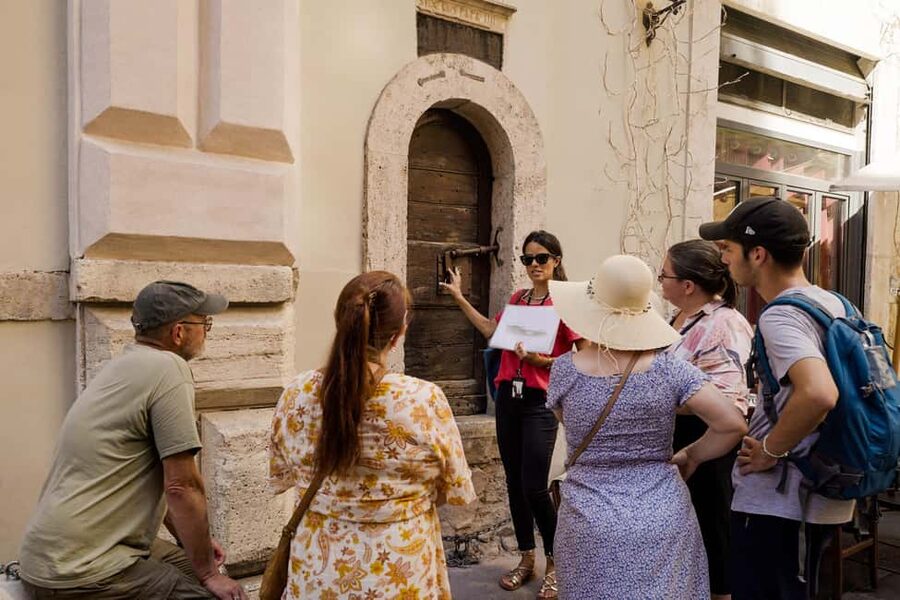
I especially like the small group setup, capped at 12 people, which makes it easier to ask questions and hear the details. I also love that the guide connects the dots from water engineering to what you see today, with names like Sabrina and Federica showing up in past sessions for their clear storytelling.
One possible drawback: it’s only a 2-hour experience, so it’s built for learning and moving, not lingering for photos at every corner.
Key takeaways before you go
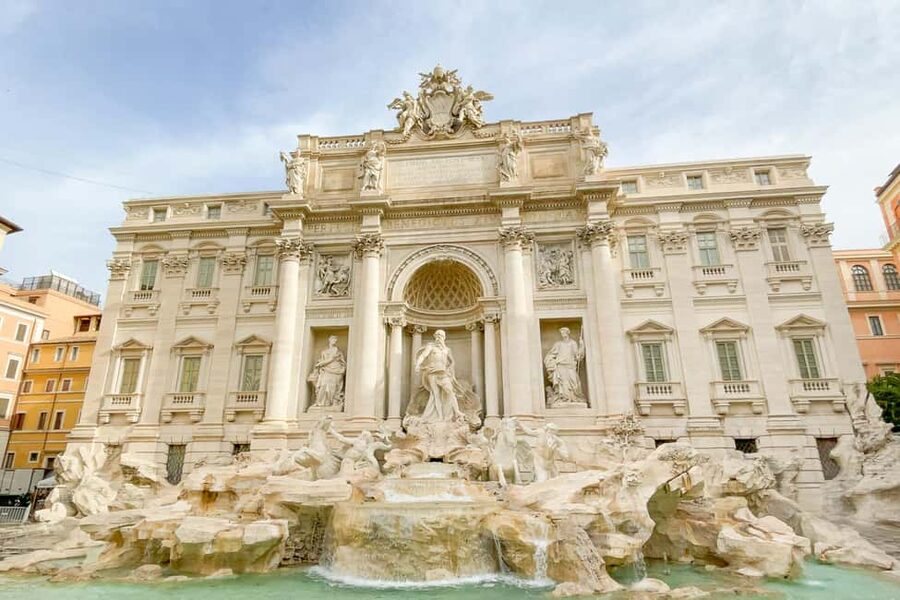
- Trevi’s water source, explained: you learn where the fountain water comes from and the role of an ancient aqueduct.
- Mostly underground Roman plumbing: you follow the aqueduct route and, at key moments, see it up close.
- A quieter route away from crowds: after Trevi, the tour turns toward lesser-seen underground spaces.
- Archaeology mixed into modern Rome: you can see ruins in places you would not expect, even near shopping areas.
- Small group Q and A is real: with no more than 12 people, the guide can actually talk with you.
A guided route from Piazza di Spagna to Trevi’s waterworks
Rome is great at surprises, and this tour is designed to deliver them with purpose. Instead of treating Trevi like a standalone postcard, you track the water story that makes the fountain possible and then see the infrastructure behind it.
You start in the Piazza di Spagna area, where the guide sets context so the route feels like one connected theme: water bringing life to the city. That framing matters because you will look at streets, facades, and street-level corners differently by the time you reach the fountain.
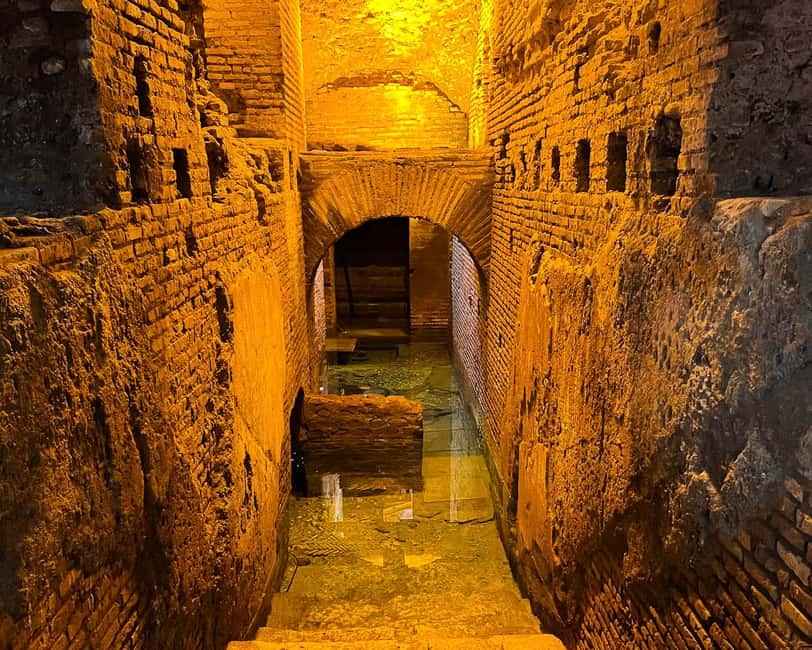
And you get the pay-off: parts of the aqueduct run underground, so the tour doesn’t just tell you about ancient Rome. It shows you the bones of it, including moments when water is still flowing.
More walking tours in Rome:
- Rome: Trastevere & Campo de Fiori Street Food Walking Tour
★ 4.9 · 2,768 reviews - Rome: Paranormal Night Walking Tour & Secret Backstreets
★ 4.9 · 1,921 reviews - Rome by Night Walking Tour – Legends & Criminal Stories
★ 4.5 · 1,003 reviews
Small group size, English guiding, and why it matters
This is a small group tour with a maximum of 12 people. That sounds like a nice-to-have until you’re standing in tight city spaces and trying to hear an explanation over street noise. Here, you’re more likely to catch the details and actually interact.
The tour is guided in English. If you’ve ever felt lost at “generic landmarks” tours, you’ll appreciate the tighter focus. The experience is about the aqueduct system, not just famous statues and quick photo stops.
I also like that the guide answers questions. The whole format seems built around understanding, not rushing you from one spot to the next with minimal context.
Price and what $59.22 buys you for two hours
At $59.22 per person for a two-hour guided walk, the value comes from what’s included. You’re not just paying for “see-and-snap” sightseeing. Your ticket includes guide time, walking guidance, and underground aqueduct entry, plus entry to Vicus Caprarius.
Transportation is not included, so you’ll need to get yourself to the meeting area in central Rome. But once you’re there, the tour covers the expensive-feeling parts: access to underground spaces and archaeological sites, guided with enough background to make those spaces meaningful.
If your goal is to see Trevi in a way most visitors never do, this is the kind of structured value that pays off. You’re paying for access and context, not just walking past buildings.
Getting started at Piazza di Spagna, near Diesel
Your meeting point is next to the Diesel store, where the guide will have a sign with the Live Virtual Guide logo. You’ll start at Piazza di Spagna, 15, then the walk builds from there.
The tour ends back at the meeting point area, which makes planning simpler. You don’t have to figure out a second pickup zone or wonder where you’ll be dropped off.
Also note the practical reality: the tour runs rain or shine. Rome’s weather can be dramatic, so pack for wet conditions if there’s even a small chance of rain.
Same city, a completely different kind of day:
- Vatican Museums & Sistine Chapel Tour with Optional Basilica
★ 4.3 · 67,413 reviews - Vatican Museums, Sistine Chapel & St Peter’s Basilica Guided Tour
★ 4.5 · 39,149 reviews - Rome: Colosseum, Palatine Hill and Roman Forum Guided Tour
★ 4.8 · 32,814 reviews - Rome: Guided Tour of Colosseum, Roman Forum & Palatine Hill
★ 4.7 · 27,897 reviews
Piazza di Spagna: learning the name and spotting the water connection
The experience begins around Piazza di Spagna, where you get a guided explanation of why it’s called that way. It’s one of those Rome details that sounds like trivia until it changes how you see the place around it.
Then you meet the first fountain of the route by the Spanish Steps area. This is not just a pretty stop. It’s used as the starting point for the aqueduct story, and the guide highlights that the fountain is still fed today by an ancient Roman aqueduct dating to 19 BC.
This opening sets your “mental map.” By the time you’re moving away from the most famous viewpoint angles, you already know what you’re hunting for: water lines, not just crowds.
Following the aqueduct route as it slips under modern streets
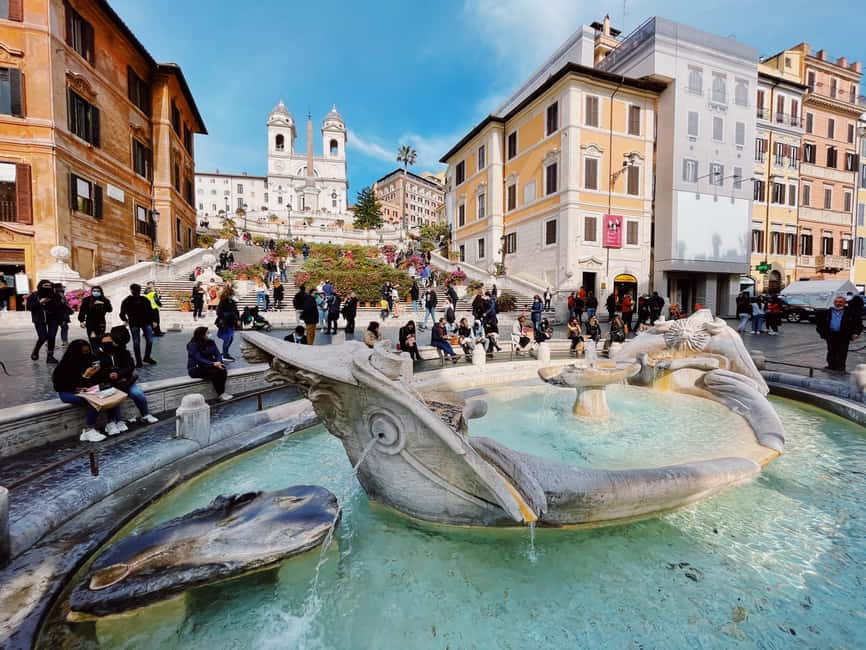
This is where the tour earns its name. From the Spanish Steps area, you follow the aqueduct route, and most of the journey is underground or at least tied to underground sections.
On the surface, the city keeps moving. That’s why this portion feels so Roman, in a way. You walk between modern buildings and occasionally see hints of the old infrastructure appearing where you least expect it.
You’ll also get to go underground on a couple of occasions. That’s the key advantage over a normal Trevi walk: you get close enough to understand how the system worked at human scale, not just through museum photos.
The best part is that the guide keeps tying the route together with why the Romans built the city around water, not water around the city. That makes the ruins feel less random and more inevitable.
Trevi Fountain with context, then a turn toward what most people miss
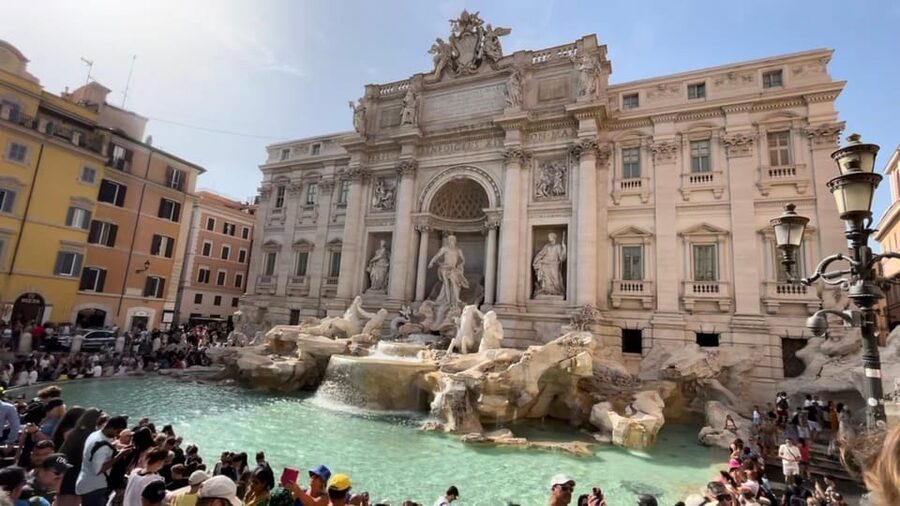
You reach Trevi Fountain as a major stop, and the guide doesn’t treat it like a quick checkpoint. You get the story behind the fountain in a way that connects back to what you saw earlier.
But the tour’s real trick is what comes next. Instead of staying at the fountain while crowds do their thing, you turn a corner and move toward the underground water reservoir built over 2,000 years ago.
This is the part that changes your understanding of Trevi. The fountain is impressive, sure, but seeing the reservoir concept behind it makes the whole water system click. You start imagining how people once relied on these engineering solutions every day.
If you love architectural details, the underground segments help you connect the dots between design and function. If you’re more of a history person, the underground access turns the story from words into space you can picture.
Vicus Caprarius: ruins tied to everyday life and water use
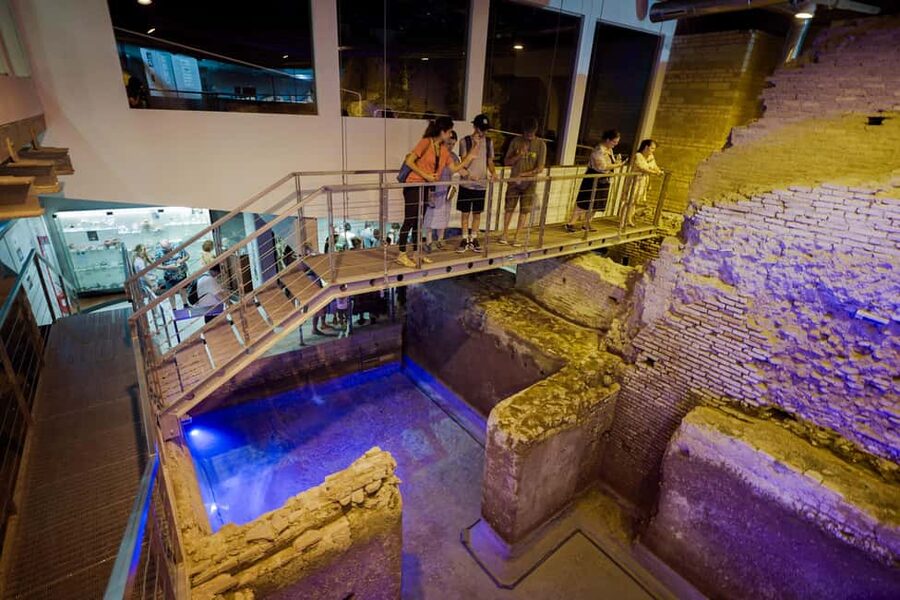
The walk continues to Vicus Caprarius, where you’ll have entry to the site. This is one of those places that works well with the tour theme, because it represents the Roman neighborhood layer of the city.
The tour frames these remains as part of how Rome was built around its water system. You’re not just learning about a monument. You’re seeing how the infrastructure shaped a lived-in city.
This stop also supports the tour’s broader promise: ruins can show up in surprising places. Past experiences with similar routes have highlighted the way archaeology can appear where you expect only commerce, and this stop fits that exact pattern.
Even if you don’t plan to become a Roman engineering nerd, the Vicus Caprarius segment helps you see how water wasn’t a background detail. It was part of the city’s structure.
What it feels like to do the tour in real time
The pacing is built around moving efficiently through central Rome. You get a guided narrative, a few moments underground, and then returns toward the finish point.
Because the duration is two hours, you should expect a focused route. You’ll likely get plenty of explanation, but you won’t have hours to linger at every viewpoint like you might on your own.
Comfort-wise, this is a walking tour, and you’ll spend time in outdoor and underground areas. Wear shoes that work for uneven streets, and dress for weather since it runs rain or shine.
The upside: it’s a tight plan that makes your Trevi visit more than a single famous stop.
Who should book this aqueduct-focused Trevi walk
Book it if you want Trevi Fountain to mean something beyond a photo. You’ll enjoy this most if you like practical stories, engineering details, and the “how did they build this” side of ancient Rome.
It also suits you if you enjoy asking questions. Small group size makes dialogue feel natural, not rushed.
Skip it if you prefer a slow, freeform walking day where you can linger and improvise. This is a guided, structured experience, so you’ll want flexibility elsewhere in your schedule if you want extra time for shopping, gelato, or long fountain watching.
Should you book this Rome Trevi Fountain Underground Aqueduct tour?
I’d book this tour if your Trevi visit is one of your main “Rome moments” and you want the underground story behind it. The combination of small group guiding, underground access, and the Vicus Caprarius entry is where the value shows.
If you’re traveling with someone who thinks aqueducts are boring, this is also a good test. The way the route connects Piazza di Spagna, Trevi, and the underground water reservoir makes the subject feel human and visible, not just technical.
If you want a Trevi photo, you can still get one. Just don’t plan to treat this as your only Trevi time slot, because the priority here is understanding what you’re seeing.
FAQ
How long is the Trevi Fountain Underground Aqueduct Walking Tour?
The tour lasts about 2 hours. You can check availability to see the starting times.
What language is the tour guide speaking?
The tour is conducted in English.
What is the group size?
It’s a small group, with no more than 12 people.
Where do I meet the guide?
Meet next to the Diesel store. The guide will have a sign with the Live Virtual Guide logo.
Does the price include entrance to underground sites?
Yes. The tour includes underground aqueduct entry and Vicus Caprarius entry.
Is it rain or shine?
It runs rain or shine.
What is not included in the tour price?
Transportation is not included.
Recently reviewed around Rome
- Ancient Etruscan Civilization Tour from Rome★ 5.0 · 16 reviews
- Colosseum with Arena Floor Express Guided Tour★ 3.5 · 22 reviews
- Private Tour – Ancient Ostia★ 5.0 · 42 reviews
- PRIVATE Appian Way and Lake Albano Ebike Tour with Italian Lunch★ 5.0 · 12 reviews
- Ancient Appian Way and Roman Countryside E-Bike Tour★ 4.5 · 13 reviews
- Ancient Appian Way PRIVATE Bike Tour★ 5.0 · 89 reviews
- Catacombs and Hidden Underground Rome: Small Group Max 6 People★ 5.0 · 293 reviews
- Amalfi Coast Day Trip from Rome by High-Speed Train★ 4.5 · 162 reviews
Walking Tours, compared.

Trastevere & Campo de Fiori Street Food Walking Tour
Read our review →
Paranormal Night Walking Tour & Secret Backstreets
Read our review →
Rome by Night Walking Tour – Legends & Criminal Stories
Read our review →
Guided City Center Evening Sightseeing Walking Tour
Read our review →
Best of Rome Walking Tour including Trevi Fountain
Read our review →

Forbidden History Walking Tour & Pub Crawl with Drinks
Read our review →
Guided Small Group Walking Tour of City Highlights
Read our review →Browse the lists this tour appears in