
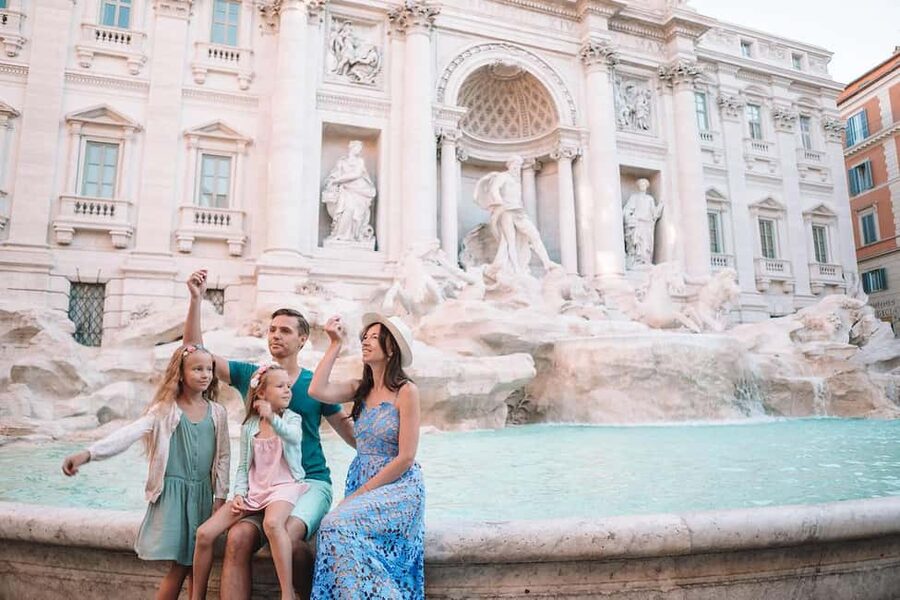
Reviewed · WALKING TOURS
Rome: Temples, Squares & Markets Guided Walking Tour
Rome works best when you mix big landmarks with the side streets where people actually eat and hang out. This 3-hour private walking tour strings together the Pantheon, Piazza Navona, the Jewish Ghetto, and major ancient sites, then tops it off with a Roman street food tasting. It is a smart way to get your bearings without feeling like you are speed-running the city.
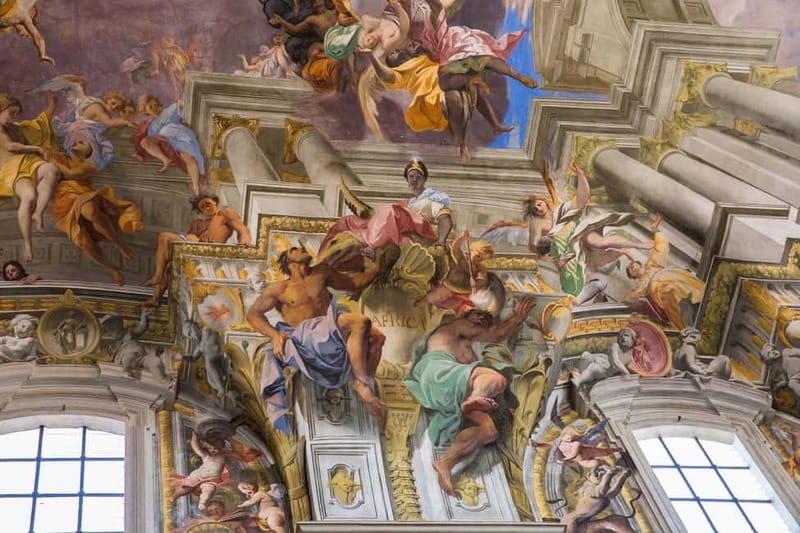
I especially love two parts of the route. First, the start at Chiesa di Sant’Ignazio di Loyola, where the frescoed ceiling sets the tone in a very Roman, baroque way. Second, you get to taste and talk about real Roman snacks, including Supplì, and you learn what to look for in the food products you see in markets and alleys.
One consideration: tickets to attractions are not included, so some entrances may cost extra depending on what you want to go into during the stops. Also, it is a lot of walking in a short time, so comfy shoes matter.
Key highlights you will actually feel on this tour

- Sant’Ignazio to the Pantheon: baroque interiors lead into ancient Rome, plus a focus on Egypt-linked obelisks
- Piazza Navona stops with context: you learn about the talking statues and why the square feels so distinct
- Campo de’ Fiori market + tasting: sample traditional Roman street food, including Supplì
- Largo di Torre Argentina and Ides of March: a guided look at the archaeology behind the Caesar story
- Jewish Ghetto atmosphere: a neighborhood feel that reads like it has kept its character
- Circus Maximus, Palatine Hill, Tiber Island: imperial-era views without needing extra transport
Rome’s Temples, Squares & Markets walk, the idea and the payoff

This tour is interesting because it does not treat Rome like a checklist. You move from church interiors and famous squares to temple ruins and market streets, with a guide steering the story so the places connect. That makes the city feel less random, even when the walking route curves through areas you might miss on your own.
You get undivided attention in a private format, which matters in Rome. On a route like this, the difference between seeing a monument and understanding it often comes down to one good question, asked at the right stop. It also helps when you want to slow down for a view or speed up to keep energy for the food portion.
The other payoff is practical: you finish with recommendations for authentic places to eat and shop. That kind of local guidance can save you time during the rest of your trip, when you would rather not gamble on restaurants or hunt around without a plan.
More walking tours in Rome:
- Rome: Trastevere & Campo de Fiori Street Food Walking Tour
★ 4.9 · 2,768 reviews - Rome: Paranormal Night Walking Tour & Secret Backstreets
★ 4.9 · 1,921 reviews - Rome by Night Walking Tour – Legends & Criminal Stories
★ 4.5 · 1,003 reviews
How the 3-hour route really works: start point, pace, and comfort
You start at the entrance of Chiesa di Sant’ Ignazio di Loyola. From there, the walk flows through major highlights, with guided segments that run about 15 minutes at many stops, plus a longer stretch on Palatine Hill.
Even with the shorter guided windows, you are still covering ground. I recommend wearing shoes you trust for uneven stone and a bit of uphill terrain, especially around the ancient sites. Also, consider bringing water, because a 3-hour Rome walk can heat up fast, and the route includes open-air squares and exposed viewpoints.
The schedule includes a few stops listed without specific place names. Translation: you should expect short guided explanations while you are moving between major sights, not just a series of isolated photo stops. That can feel smoother, since your guide is keeping the story going.
Chiesa di Sant’Ignazio di Loyola: where the tour’s tone goes baroque
The opening stop is the Church of Sant’Ignazio di Loyola, and it is a strong choice because it sets a contrast right away. Instead of launching into ancient stones, you start with a church known for its dramatic baroque feel, including a frescoed ceiling that draws your attention upward.
This is more than a pretty warm-up. In the context of Rome, baroque churches teach you how later eras loved the city enough to reinvent it visually. When you then walk toward the Pantheon, you will start noticing how each layer of Rome follows its own logic, with art and architecture doing the explaining.
In a private tour, this first stop also helps you match your guide’s style to your pace. If you are the type who likes details, you can ask questions here. If you just want the big visual points, you can keep it simple and still get a lot.
Pantheon and the obelisk story: ancient Rome, but explained in human terms
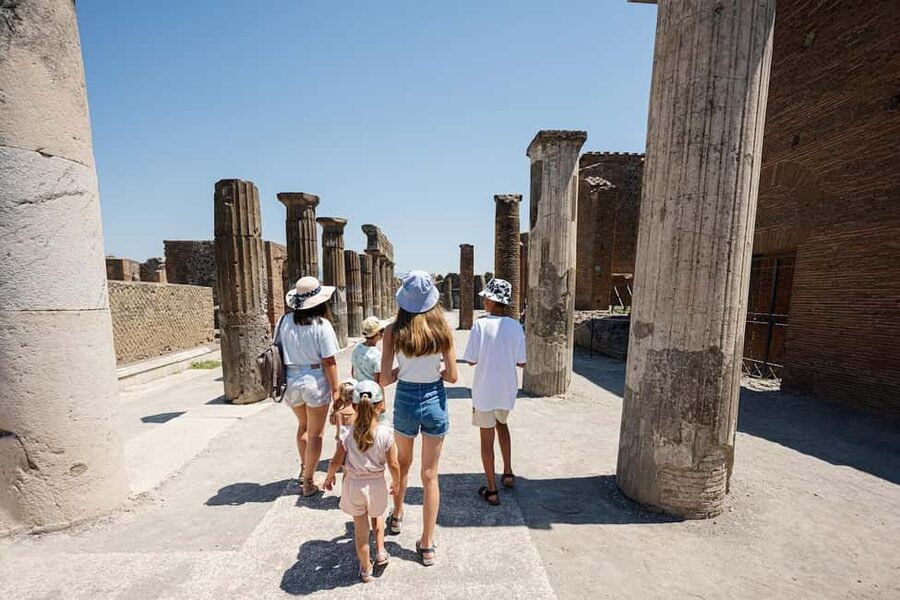
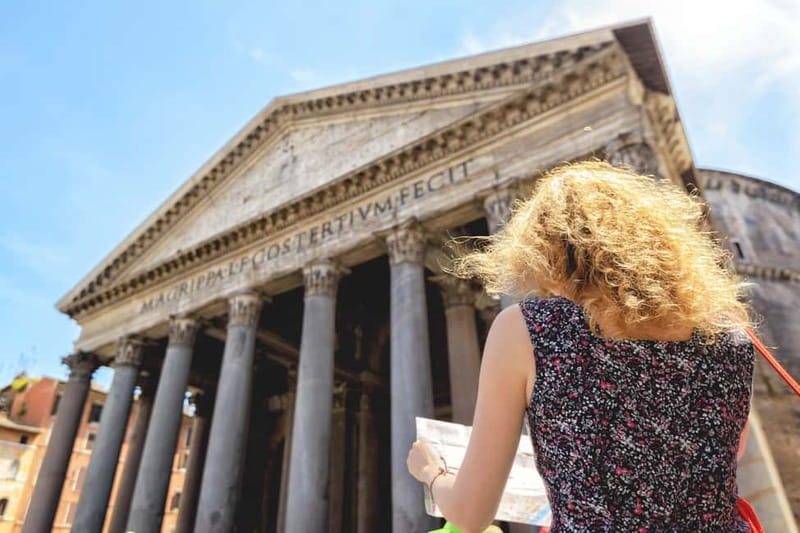
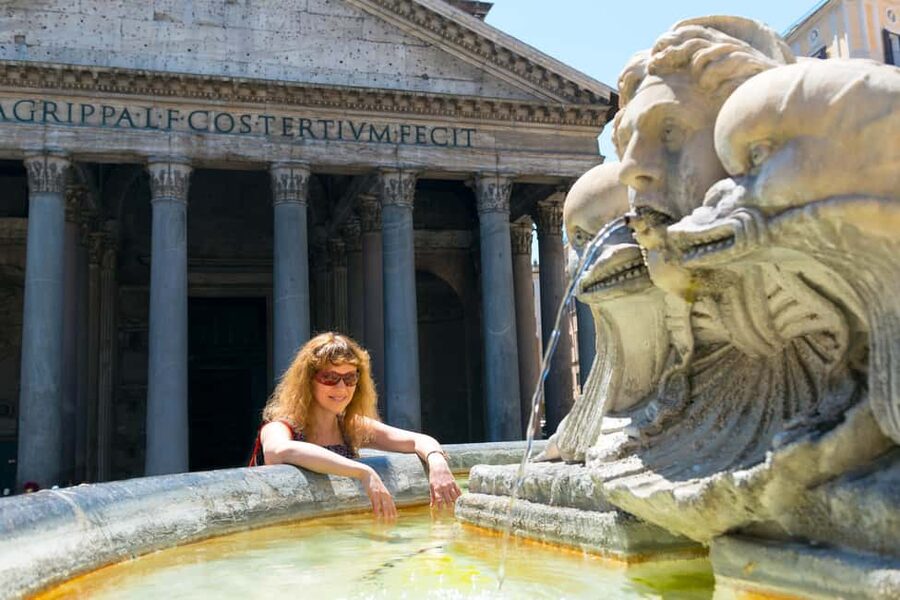
Next comes the Pantheon. This stop works because it is famous for a reason, but your guide uses it as a gateway into how Rome gathered power and symbols from far away.
One of the specific threads you will hear about is the obelisks in Rome, including the idea that some are thousands of years old and were brought from Egypt. That is the kind of detail that turns a monument from a postcard into a clue. You start to see Rome as a city that imported its authority, then built it into the street-level experience.
Guided time at the Pantheon is listed as about 15 minutes. So do not expect a slow, museum-like visit. This is a “get your bearings fast” approach that pairs well with the rest of the route, especially if you plan to revisit the Pantheon on your own later for a deeper look.
A few more Rome tours worth comparing
- Vatican Museums, Sistine Chapel & St Peter’s Basilica Guided Tour
★ 4.5 · 39,149 reviews - Rome: Colosseum, Palatine Hill and Roman Forum Guided Tour
★ 4.8 · 32,814 reviews - Rome: Guided Tour of Colosseum, Roman Forum & Palatine Hill
★ 4.7 · 27,897 reviews - Rome: Colosseum & Forum with Audio Guide App -Optional Arena
★ 4.2 · 24,770 reviews
Piazza Navona and the talking statues: a square you can read like a map
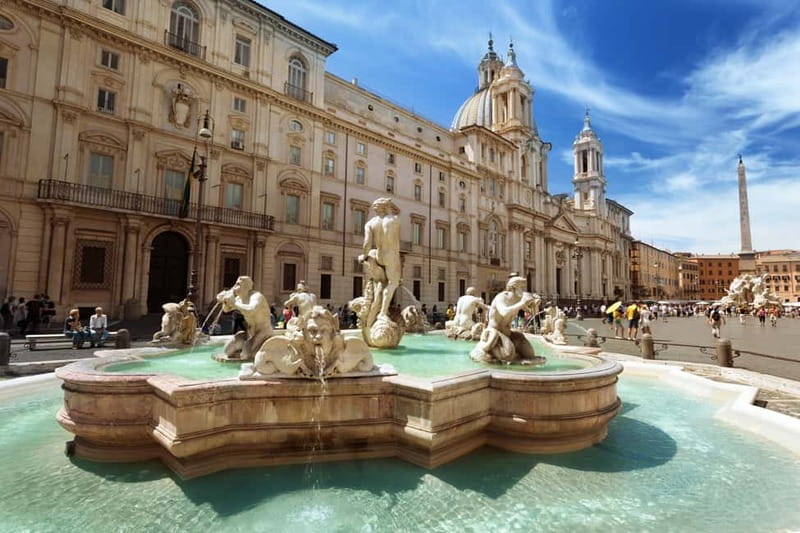
At Piazza Navona, you get one of the most enjoyable parts of Rome because it feels like theater. Your guide will show you the look of the square and explain the phenomenon of the talking statues, which is something many people miss if they are only focused on taking photos.
The value here is not just the novelty. You learn why the square is experienced the way it is, from its layout to how sound and space get tied to local behavior. It turns the stop from, Here is a pretty place, into, Here is a place with rules you can experience.
The tour timing is tight, so you will be standing and listening more than wandering. If you enjoy squares but hate rushing, tell your guide early that you want a bit of extra time here.
Campo de’ Fiori, the market energy, and Supplì on the go
Then you roll into Campo de’ Fiori, where the tour shifts toward food and daily life. This is where you get a local Food Market stop designed to help you understand what people actually buy, cook, and snack on.
You are scheduled for a guided segment here, plus the big tasting moment: 1 street food tasting, focused on Roman street snacks. The tour description calls out Supplì by name, which is one of those foods that makes Rome feel instantly local. If you have never tried it, this tour is a good low-risk way to do it, because you are getting it as part of a guide-led food explanation, not random guessing.
Here is how to make the most of the tasting. Before you take the first bite, listen for what your guide says about the products and why they taste the way they do. Then, after you eat, you will know what you are looking for later in markets and stalls, when you want another snack without asking for a full explanation each time.
Largo di Torre Argentina and the Ides of March connection
You will pass through Largo di Torre Argentina, with guided time listed at about 15 minutes. This stop matters because it links Rome’s famous storylines to physical ruins.
The tour description specifically mentions the place where the Ides of March meant a terrible fate for Julius Caesar. The guide’s job is to ground that legend in the archaeology and the layout around you, so it becomes easier to place in your head later when you read about Caesar or walk nearby on another day.
A possible drawback here: ruins can look like ruins if you are not given a frame. If you find yourself zoning out, ask your guide a simple question, like what to look for as evidence. Private format is ideal for that kind of quick reset.
Portico d’Ottavia and Temple of Portunus: the Rome that feels like it slipped sideways
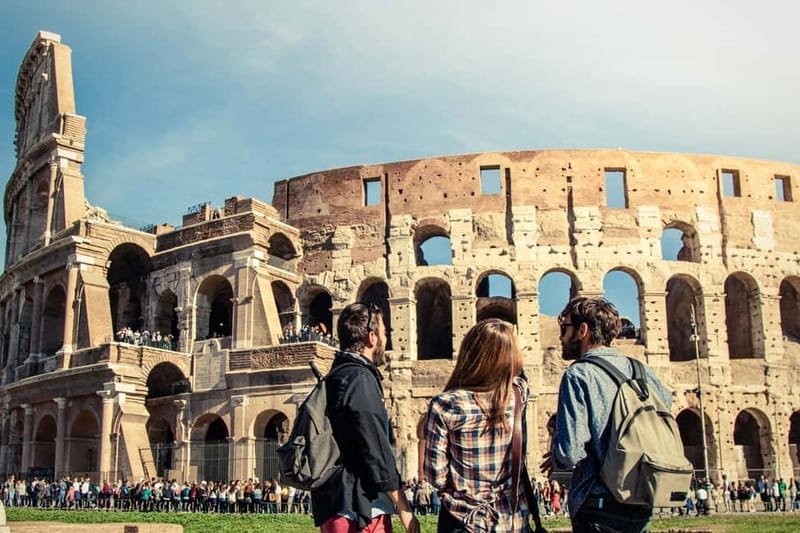
You will also stop at Portico d’Ottavia and later at the Temple of Portunus. The Temple of Portunus is where the tour description calls out a fun nickname, the “fake Colosseum,” because the structure can resemble the Colosseum in shape and mood.
That nickname is useful, because it gives you a reference point when you are trying to understand what you are looking at. From there, the guide can help you connect it back to Roman temple design and why this area holds so much layered architecture.
You should think of this part of the tour as the “slow down and look” section. Yes, the schedule keeps moving, but the payoff is that you start noticing details: materials, proportions, and how ruins survive inside an active city.
The Jewish Ghetto: an authentic-feeling neighborhood stop, not just a photo stop
One of the most memorable parts of Rome is often the parts that do not feel curated for tourists. The tour includes the Jewish Ghetto, described as a secret neighborhood that seems to have frozen in time while keeping its authenticity.
What you get here is not a lecture you can ignore. It is a chance to walk through an area where the street texture does the storytelling. Your guide’s explanations help you interpret what you see, so it does not just look like another old neighborhood.
In a private tour, you can also ask for practical advice, like how to treat this area with respect while you explore. Since the tour is already focused on markets and food, this stop also helps you understand Rome as more than monuments.
Mouth of Truth: a film icon, plus the real-world location
Another iconic stop is the Mouth of Truth. The tour ties it to popular culture, specifically noting how it is immortalized by Audrey Hepburn in Roman Holidays. That hook matters because it creates instant recognition.
The real value is what your guide adds around it: you learn how the location sits within Rome’s layers of meaning, so it feels less like a gimmick and more like a spot you can place in the city map.
If you care about photos, this is a good place to take them quickly and then listen. Keep moving after, because your next stops still have big payoff.
Circus Maximus and Palatine Hill: Rome’s power center, in walking distance
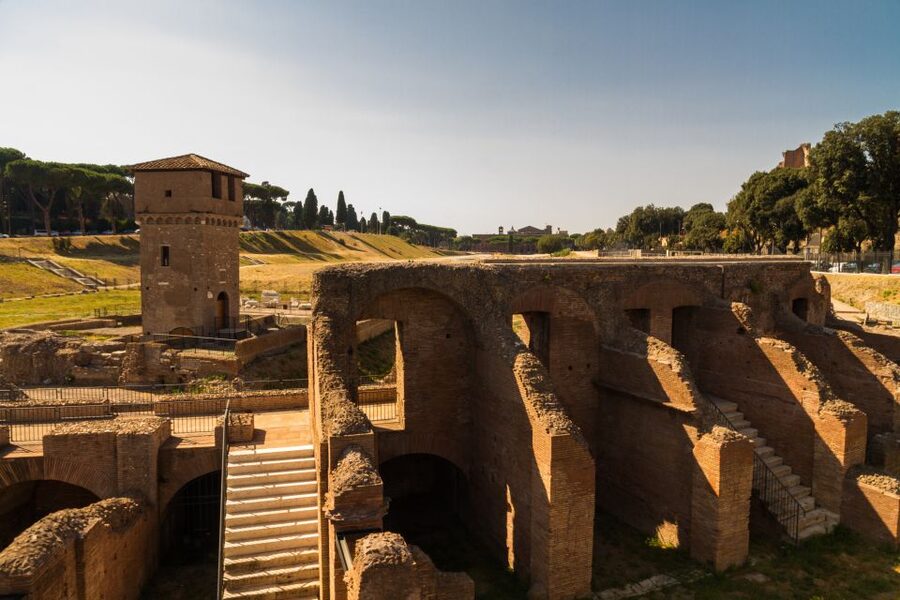
The tour then shifts to the grand scale of the Circus Maximus and the Palatine Hill area. This is where Rome stops being mostly about individual buildings and starts being about governance, spectacle, and empire life.
The description notes that rulers of the most powerful Empire once called this home. You also get a look at the remains of the Imperial Palace and a guided view that helps you imagine how the site worked in its prime.
If you like history but hate feeling lost, Palatine Hill is a perfect test. The guide’s job is to connect the dots, so the terrain and ruins turn into a readable story. And because the stop includes a longer segment, it tends to feel less rushed than some of the earlier points.
Tiber Island finish: a calmer landing after the big sights
You finish at Tiber Island, with the route including a crossing to admire it. This is a nice end choice. After the ancient sites and the dense walking through central Rome, being near the river gives your eyes a breather and helps you reset your brain for the rest of your day.
You will also get your guide’s final recommendations before you part ways. For me, that is the most underrated benefit of private guiding on a short tour. You leave with a short list tailored to your interests, instead of a generic pile of suggestions that might not fit your actual day.
Price and tickets: what $79.30 buys, and how to plan around it
The tour price is listed as $79.30 per person for a 3-hour experience. For Rome, that is not just paying for walking. You are paying for a local host to connect stops, handle the timing between major sights, and deliver a street food tasting plus food context.
Two cost-related notes to plan around:
- Attractions tickets are not included, so if you want entrance to anything that charges, you will need to budget separately.
- You are getting 1 street food tasting, not a full meal. Plan to eat a proper dinner after the tour, using your guide’s recommendations.
In value terms, the price makes sense if you want structure plus food guidance in one compact block. If you already know Rome very well and only need a food walk, you might find cheaper options. But if you want the temples, squares, and market streets stitched together, this format is efficient.
Who this tour suits best
This tour is a great fit if:
- you want big Roman icons like the Pantheon, plus smaller temple ruins and lively squares
- you like street food and want help figuring out what to try beyond the obvious
- you prefer a guide who can adjust the pace and stops to your interests
It may be less ideal if:
- you hate walking and want mostly indoor time
- you want lots of ticketed entrances during the tour, since tickets are not included
Should you book this Temples, Squares & Markets tour?
I would book it if your goal is a smart, guided sample of central Rome that covers art, ancient ruins, and a market-side food moment in one 3-hour window. It is especially worth it in the early part of your trip, when you most need help learning the city’s rhythm and choosing where to spend time later.
Also, look at the hosting style. This experience is led by local hosts, and names like Juan and Daniele have stood out for being warm, welcoming, and willing to adjust the itinerary. Daniele, for example, is noted for planning routes for strong visual impact and ending near your hotel when possible. That kind of attention is exactly what makes a short tour feel like more than the sum of its stops.
If you are ready for a walking-heavy plan with food built in, this is a solid pick.
FAQ
How long is the Rome Temples, Squares & Markets guided walking tour?
It lasts 3 hours.
Is this a private tour?
Yes, it is listed as a private group with a local host.
What is included in the price?
Included are a local guide and 1 street food tasting.
Are attraction tickets included?
No, tickets to attractions are not included.
Where do you start the tour?
You start at the entrance of the Church of Sant’Ignatius of Loyola.
Where does the tour end?
The tour finishes at Tiber Island, and the activity information also notes that it ends back at the meeting point.
Is the tour wheelchair accessible?
Yes, it is listed as wheelchair accessible.
Recently reviewed around Rome
- Ancient Etruscan Civilization Tour from Rome★ 5.0 · 16 reviews
- Colosseum with Arena Floor Express Guided Tour★ 3.5 · 22 reviews
- Private Tour – Ancient Ostia★ 5.0 · 42 reviews
- PRIVATE Appian Way and Lake Albano Ebike Tour with Italian Lunch★ 5.0 · 12 reviews
- Ancient Appian Way and Roman Countryside E-Bike Tour★ 4.5 · 13 reviews
- Ancient Appian Way PRIVATE Bike Tour★ 5.0 · 89 reviews
- Catacombs and Hidden Underground Rome: Small Group Max 6 People★ 5.0 · 293 reviews
- Amalfi Coast Day Trip from Rome by High-Speed Train★ 4.5 · 162 reviews
Walking Tours, compared.
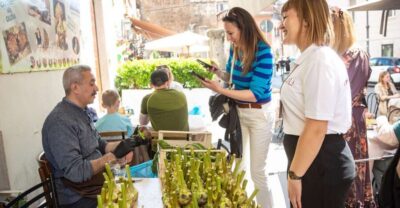
Trastevere & Campo de Fiori Street Food Walking Tour
Read our review →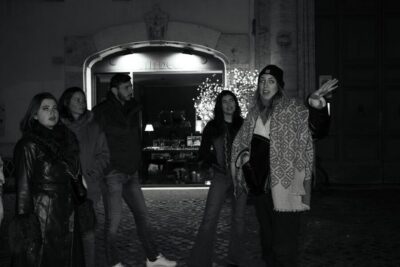
Paranormal Night Walking Tour & Secret Backstreets
Read our review →
Rome by Night Walking Tour – Legends & Criminal Stories
Read our review →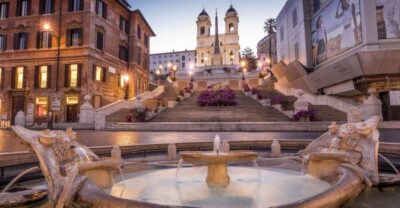
Guided City Center Evening Sightseeing Walking Tour
Read our review →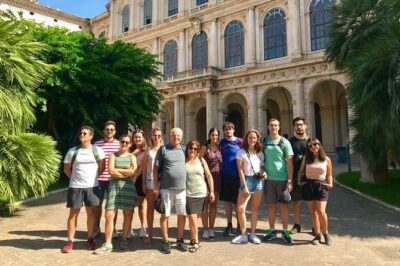
Best of Rome Walking Tour including Trevi Fountain
Read our review →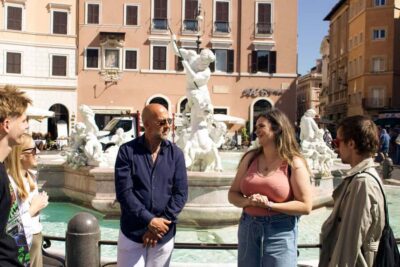

Forbidden History Walking Tour & Pub Crawl with Drinks
Read our review →
Guided Small Group Walking Tour of City Highlights
Read our review →Browse the lists this tour appears in