
Reviewed · 3-HOUR EXPERIENCES
10 Wonders of Rome in 3 hours
Rome can feel like a nonstop movie set. This 3-hour walk gets you out the door and into the action fast, with big-name stops plus a final payoff view near Villa Borghese.
I like how the route strings together major monuments and smaller story moments. The Colosseum is the headline, and the panoramic viewpoint is the sweet finish.
One thing to plan for: it is not a sit-and-stare tour. You’ll cover about 5.46 km and climb 136 steps, and sights are admired from the outside.
Key things to know before you go
- An efficient 10-wonder route that hits the Colosseum, Pantheon area, Trevi Fountain, and more in one morning or afternoon
- Photo stops built into the timing so you get moments in the right places instead of only walking past
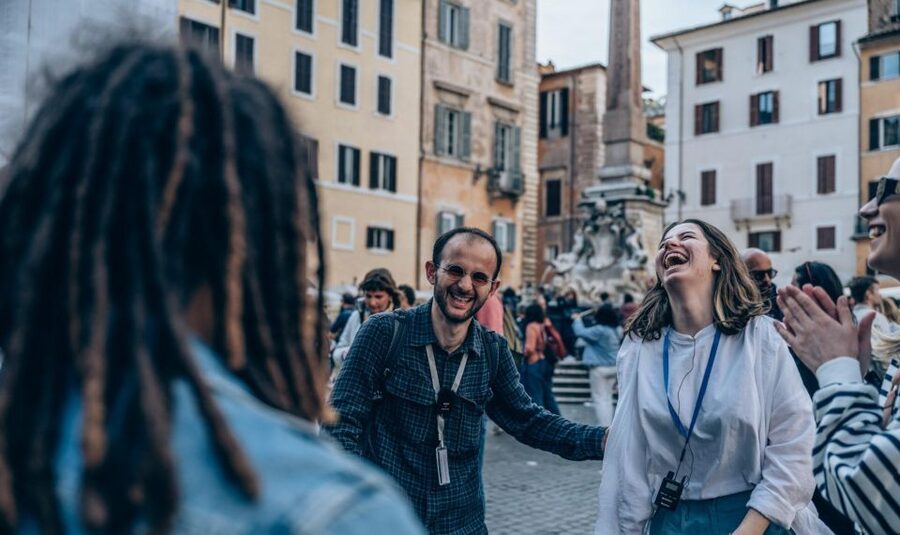
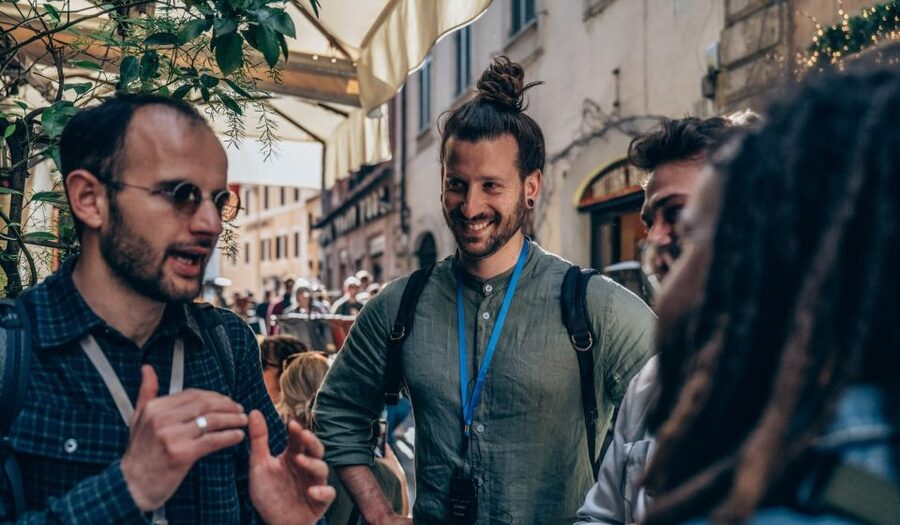
- Storytelling at street level from a live English guide, with interactive moments people rave about
- Coffee is part of the experience with a stop at a local café to try espresso
- A final panoramic viewpoint by Villa Borghese Park that feels like a reward
- Outside-only viewing means you are not relying on ticket lines, but you also do not go inside monuments
Why 10 Rome Wonders in 3 Hours Feels Just Right

This tour is designed for people who want the best hits without spending an entire day in transit. You are walking through central Rome where the city layers its eras on top of each other. One minute you’re in the ancient vibe, the next you’re in a grand 20th-century street, then back to the Rome you picture from postcards.
What I appreciate is the mix. Yes, you get the famous names like the Pantheon and Trevi Fountain. But the route also includes in-between spots, like Hadrian’s Temple area and a pass by the Marcus Aurelius Column, so the day feels connected instead of like ten random dots.
A few more Rome tours worth comparing
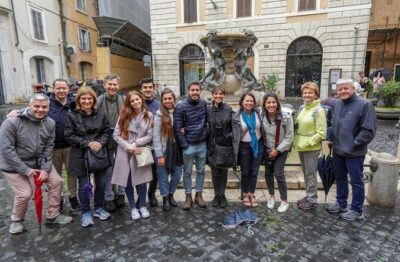
- Jewish Ghetto and Synagogues with Jewish Roman Guide 3 Hours
★ 5.0 · 907 reviews - Rome: 3-Hour Panoramic Luxury Golf Cart Tour
★ 4.9 · 157 reviews - Rome: Private 3-Hour Tour by Chauffeur-Driven Vehicle
★ 4.9 · 63 reviews
Starting at Via del Monte Oppio: Getting Your Bearings Fast
You meet at Via del Monte Oppio 3, and the guide arrives at least 10 minutes early. Look for the guide in front of the red house, identifiable by a Lock Your Tour flag or umbrella.
If you show up a little early, you can do a simple mental warm-up. Decide what you want most from the day: the ancient drama (Colosseum and forum streets), the art-and-sculpture Rome (Trevi and the fountains), or the classic viewpoints (Spanish Steps and the final panorama). This tour moves at a good rhythm, so having a priority helps you enjoy each stop more.
Also, wear shoes you actually trust. You’ll walk about 5.46 km, and you’ll climb 136 steps across the route. That is the difference between enjoying the day and feeling like you’re paying for it with your legs.
Colosseum First: The Photo Stop That Sets the Tone

The tour starts with a front-of-the-Colosseum moment, built for photos and a guided walkthrough. Even if you’ve seen images a hundred times, standing there changes the scale. You can understand why Romans used spectacle as power.
This is also where the guide’s style matters. Many bookings highlight that the guide keeps people engaged with prompts and story moments you can actually remember later. If you get Joseph or Isuf, you’ll likely get a guide who turns the walk into a kind of class with laughs built in, and that makes the first 20 minutes feel like momentum, not waiting.
One practical note: you are admiring monuments from the outside. That keeps the day moving, but it also means you won’t have the full interior experience unless you book separate ticketed visits.
Via dei Fori Imperiali: Mussolini’s Grand Street Meets Ancient Ruins
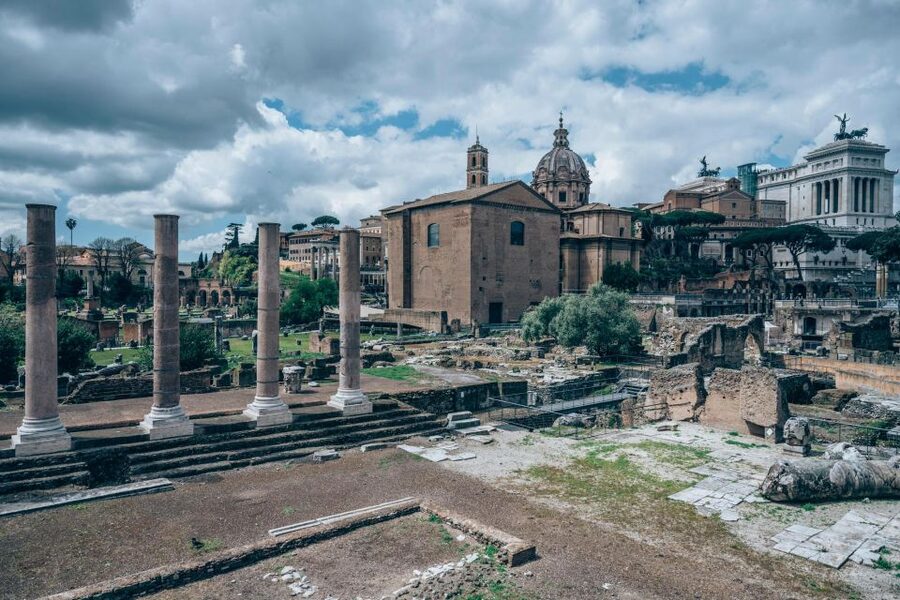
After the Colosseum, you walk along Via dei Fori Imperiali. This is the part where Rome gets surprising. Mussolini’s grand planning runs right alongside the ancient story you came for, and you get a feel for how each era wanted to control the same ground.
You also get short scenic pauses. The goal here is not to spend forever at one location. It is to give you sightlines, context, and a reason to understand what you’re looking at while you’re moving.
If your goal is to get oriented for the rest of your trip, this section helps a lot. You start to recognize how streets, arches, and monumental spaces stitch Rome together.
Same city, a completely different kind of day:
- Vatican Museums & Sistine Chapel Tour with Optional Basilica
★ 4.3 · 67,413 reviews - Vatican Museums, Sistine Chapel & St Peter’s Basilica Guided Tour
★ 4.5 · 39,149 reviews - Rome: Colosseum, Palatine Hill and Roman Forum Guided Tour
★ 4.8 · 32,814 reviews - Rome: Guided Tour of Colosseum, Roman Forum & Palatine Hill
★ 4.7 · 27,897 reviews
Piazza Venezia and the Altar of the Fatherland: Iconic and Slightly Political
Next comes the Piazza Venezia area, including the Altar of the Fatherland, also known as the Vittoriano. It’s a huge monument with strong symbolic weight, and it often looks better in person than in photos because you get the full scale and the surrounding architectural framing.
You’ll stop for photos and a guided explanation. I like this kind of stop because it prevents the Vittoriano from becoming just another big building. You learn what it represents in the story of Italy, not just in the story of Rome.
If you prefer learning while you look, this is one of the stops that delivers. Guides tend to connect the visual and the political, which is the fastest way to make a landmark stick in your memory.
Pontifical Gregorian University: A Quick Pass With Real Context
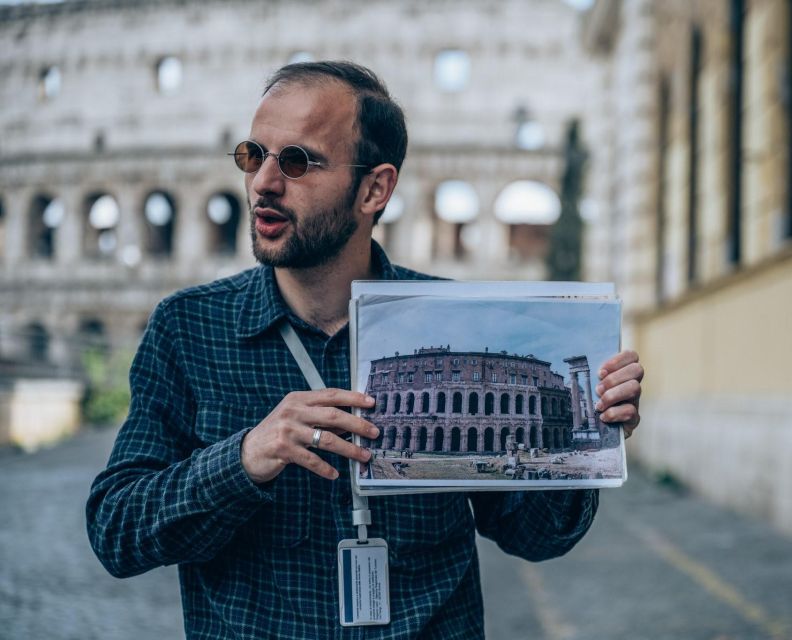
You pass by the Pontifical Gregorian University. It is known as the first university founded by Jesuits, and the guide uses the stop to ground you in Rome beyond emperors and fountains.
This is the kind of moment that helps the tour feel authentic. Instead of cramming only monuments, it brings you into the lived-in city. That matters because Rome isn’t frozen in time, and a short academic context snap makes the whole day more believable.
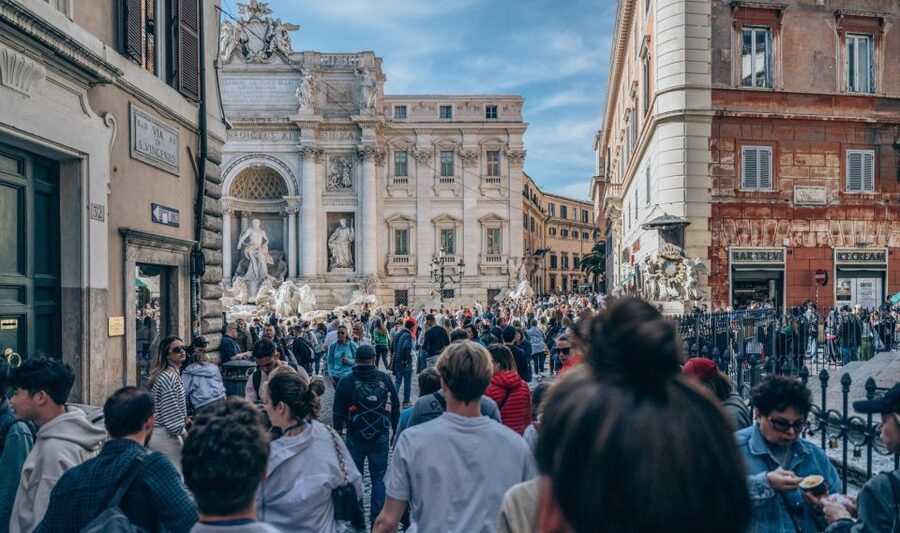
Trevi Fountain: The Big Jewel of Water and Stone
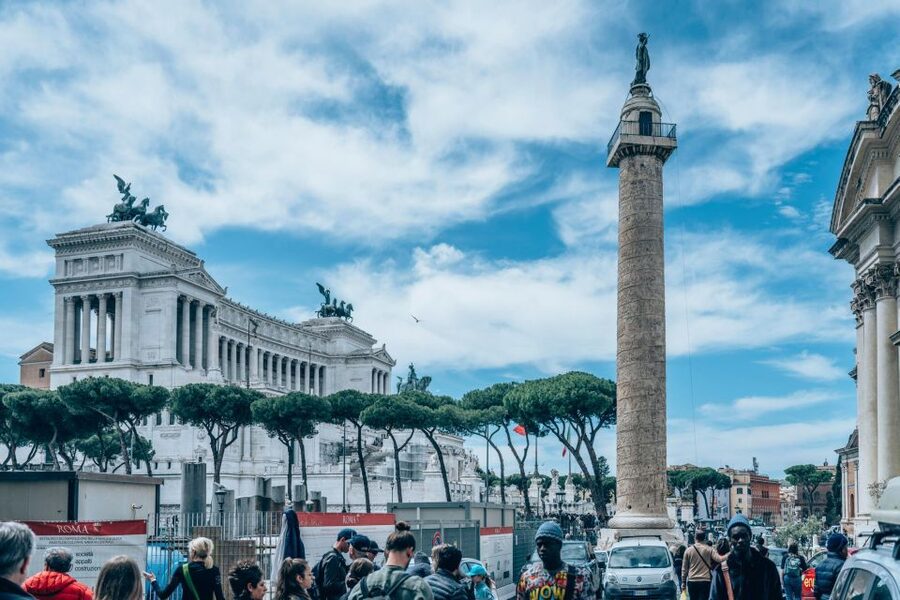
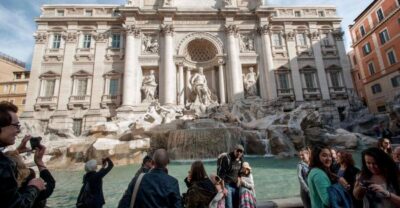
Then comes Trevi Fountain. You get a photo stop plus guided sightseeing. The fountain always draws crowds, but the guided approach helps you focus on what makes it special: the way water and sculpture work together, and the way the square functions as a stage.
I find it helpful that the tour doesn’t only say, This is famous. It gives you a story thread you can follow while you stand there. That way, you’re not stuck just trying to photograph around other people, you’re actually looking with a reason.
Also, the guide’s habit of keeping people engaged shows up here too. Several bookings mention interactive moments and a lively pace, which helps when you’re stuck in a busy public space.
Piazza di Pietra Area and Hadrian’s Temple: Easy to Miss, Fun to Discover
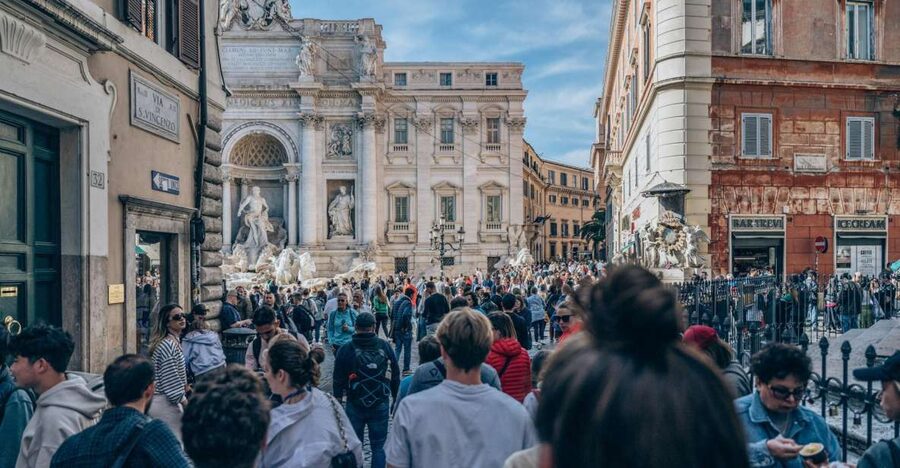
From Trevi, the walk includes a pass by the Marcus Aurelius Column, then you head to the Temple of Hadrian area. This is one of those spots that surprises people because it feels quieter and more unexpected than the headline landmarks.
The idea is simple: you get to see a different slice of Rome’s antique world. If you only chase the most famous names, you can miss the details that make Rome feel real. Hadrian’s Temple area does that job well.
The guide’s pace also matters. You’ll walk, stop briefly, and move on, so you’re not waiting forever in one small area. This section is a good reminder that Rome’s best moments are sometimes the ones you didn’t plan for.
Pantheon: Still a Church, Still a Masterclass
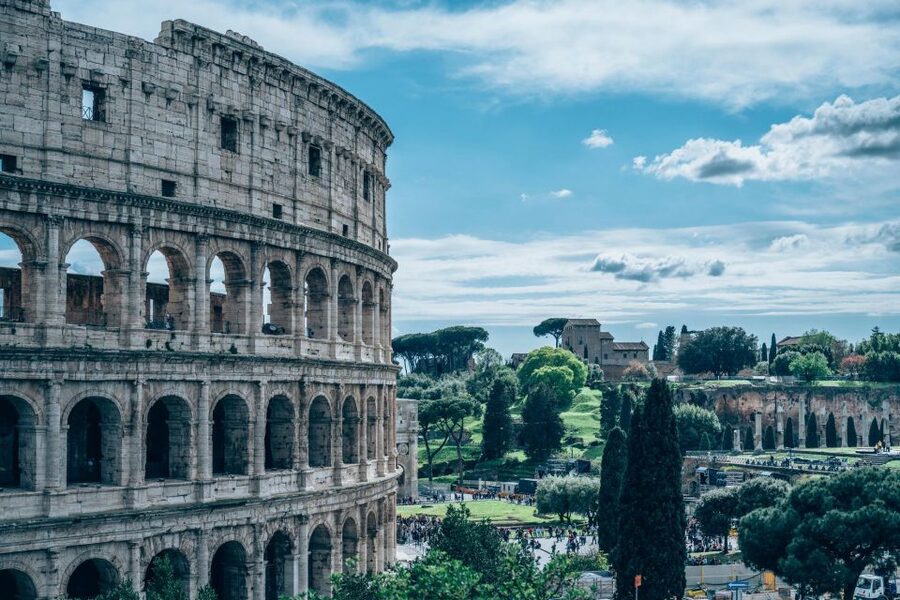
The Pantheon stop is a guided sightseeing walk. It’s described as continuing to function as a church, which is key. The Pantheon is not just a ruin or a museum stop. It is an active piece of Rome.
You’ll admire it from the outside, but you still get a sense of why it’s been copied, studied, and protected for centuries. The guide helps connect the architecture to the idea of Rome itself, and that makes the stop feel more meaningful than a quick photo.
If you are the type who loves when the guide points out what to notice, this is a strong stop for you. Many bookings praise guides for keeping people attentive with questions and recap moments, and that kind of format fits the Pantheon perfectly.
Espresso Time: Turning a Sight Walk Into a Real Rome Break
Midway through the walk, you hit a local café stop for coffee and tea. Another built-in moment is the chance to try authentic Italian espresso at a popular coffee bar.
Since meals and beverages are not included, you should expect to pay for your drink. But that small cost is worth it because the pause is practical and cultural at the same time. You need energy for the steps, and you also get to practice ordering in the one city where coffee feels like a civic ritual.
If you want a tiny local souvenir, this is it. Not a trinket. A taste and a brief break that keeps the rest of the day enjoyable.
Spanish Steps: The Walk-Up That Adds Romance
Climbing the Spanish Steps is part of the experience. You’ll climb and then get time for sightseeing, plus more guided context. The steps are famous for their unique design and elegant, romantic atmosphere, and you feel that romance from the ground up.
This is also where the 136 steps number makes sense. You’re not just walking distances, you’re getting vertical too. Bring comfortable shoes and take it slow if you need to. There’s no prize for suffering.
I like this stop because it slows your pace at the right moment. After big monuments and fountains, the steps feel like a different vibe. You’re in a human-scale Rome moment, with views you can use as a map for what you want to do later.
Villa Borghese Park Secret Viewpoint: The Reward Stop
Near the end, you pass by Villa Borghese Park and reach a secret spot with a panoramic view of the city. This is where the tour pays off. The route is intense, and then you get a breather with a view that helps you understand Rome as a whole.
This is also a smart timing point for photos. You can catch the city layout from above, and it gives your brain something to hold onto when the walking starts to blur.
If you care about views, I’d plan to stay mentally present here. It’s short, but it is the kind of stop that helps your memories line up later when you’re planning your next day.
Practicalities That Can Make or Break Your Day
Here’s what you should take seriously before you book.
First, expect a real walking day. You’re looking at 5.46 km and 136 steps. That means you should schedule this tour when you’re not already exhausted from a big museum day.
Second, you will see sights from the outside. This keeps the tour moving and avoids entry lines, but it also means you need separate ticket plans if you want interiors.
Third, it’s an outside-only route and not for everyone. It’s not suitable for children under 11, people with heart problems, people with respiratory issues, or wheelchair users. If any of those apply, skip this and look for a shorter, flatter option.
The tour includes Wi-Fi, which sounds small, but it can help if you want to check directions, share a photo right away, or coordinate your next plan.
Price and Value: Is $47 a Good Deal?
At $47 per person for a 3-hour guided walk, the value comes from two places.
The first is time. This is a tight tour that packs 10 major wonders into one session. If you are new to Rome, that can save you from spending your first day figuring out what is where and how to connect the sights efficiently.
The second is the guide. Reviews heavily emphasize that guides like Joseph and Isuf are not just reading facts. They keep people engaged, ask questions, and make the tour feel fun, memorable, and repeatable in your mind later. That kind of guide energy is what turns a checklist walk into a day you remember.
What you should budget separately is monument entry and any meals or beverages. Since entry tickets are not included, plan at least one or two follow-up visits if any interior experience is a must for you.
Who Should Book This Tour, and Who Should Skip It
Book it if you want a first-day Rome boost. This is ideal for you if you like walking, you enjoy learning while you move, and you want a clear sense of which landmarks you want to return to later.
It also works well for people who want a guide who interacts. Many bookings mention guides asking questions and using playful engagement so you retain the stories, not just the photos.
Skip it if you need a low-impact outing. The walking distance and step count are the main factors. Also skip if you fall into the listed health or mobility limits, since this route is not designed around those needs.
Should You Book 10 Wonders of Rome in 3 Hours?
Yes, if you want a sharp orientation to Rome with a guide who keeps the day lively. For $47, you get a compact route, photo stops at key moments, espresso time, and a panoramic viewpoint finish, without having to handle monument entry tickets during the tour.
If you hate crowds, long walks, or steps, then choose a different format. Rome will always be there. Your knees and breathing might not be.
If you do book, aim for comfortable shoes, keep your expectations realistic about outside viewing, and treat the coffee and viewpoint as part of the itinerary, not a break you can skip.
FAQ
How long is the 10 Wonders of Rome in 3 hours tour?
The tour lasts 3 hours.
How much does the tour cost?
It costs $47 per person.
What sights are included on the walking route?
You’ll see or pass several Rome highlights including the Colosseum, Piazza Venezia and the Altar of the Fatherland (Vittoriano), Trevi Fountain, Hadrian’s Temple, the Pantheon, the Spanish Steps, and more, plus a panoramic viewpoint near Villa Borghese Park.
Is monument and museum entry included?
No. Entry to monuments and museums is not included, and monuments are admired from the outside.
What does the tour include in the price?
The tour includes an official tour guide, a walking tour of iconic landmarks, photo opportunities at key sites, a panoramic view, and Wi-Fi.
Are meals and beverages included?
No. Meals and beverages are not included. The tour does include a stop at a local café for coffee or tea.
How much walking and how many steps should I expect?
You’ll walk about 5.46 km (3.4 miles) and climb 136 steps.
Is this tour suitable for everyone?
It is not suitable for children under 11, wheelchair users, people with heart problems, or people with respiratory issues.
Recently reviewed around Rome
- Rome: Castelli Romani Hop-on and Hop-off Tour★ 4.9 · 32 reviews
- Rome: Scavenger Hunt Self-Guided Tour★ 4.6 · 15 reviews
- Rome: Food Tour near Vatican City with Wine★ 4.8 · 100 reviews
- Hidden Rome: Small Group E-Bike Tour with Street Food Stops★ 4.9 · 144 reviews
- Rome: Highlights Tour in Golf Cart★ 4.9 · 28 reviews
- Rome: Hop-on Hop-off Bus Tour and Colosseum Experience★ 3.4 · 163 reviews
- Rome: Guided Haunted Rome Ghost Tour with Dowsing Rods★ 4.8 · 63 reviews
- Rome: Highlights Photo Shoot for Memorable Moments★ 5.0 · 32 reviews
3-Hour Experiences, compared.
Jewish Ghetto and Synagogues with Jewish Roman Guide 3 Hours
Read our review →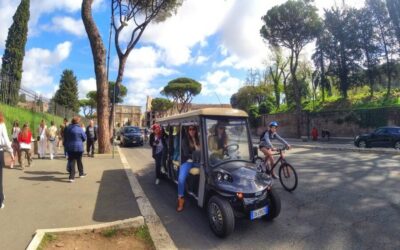


Browse the lists this tour appears in